Kathmandu
Monday, June 29, 2026





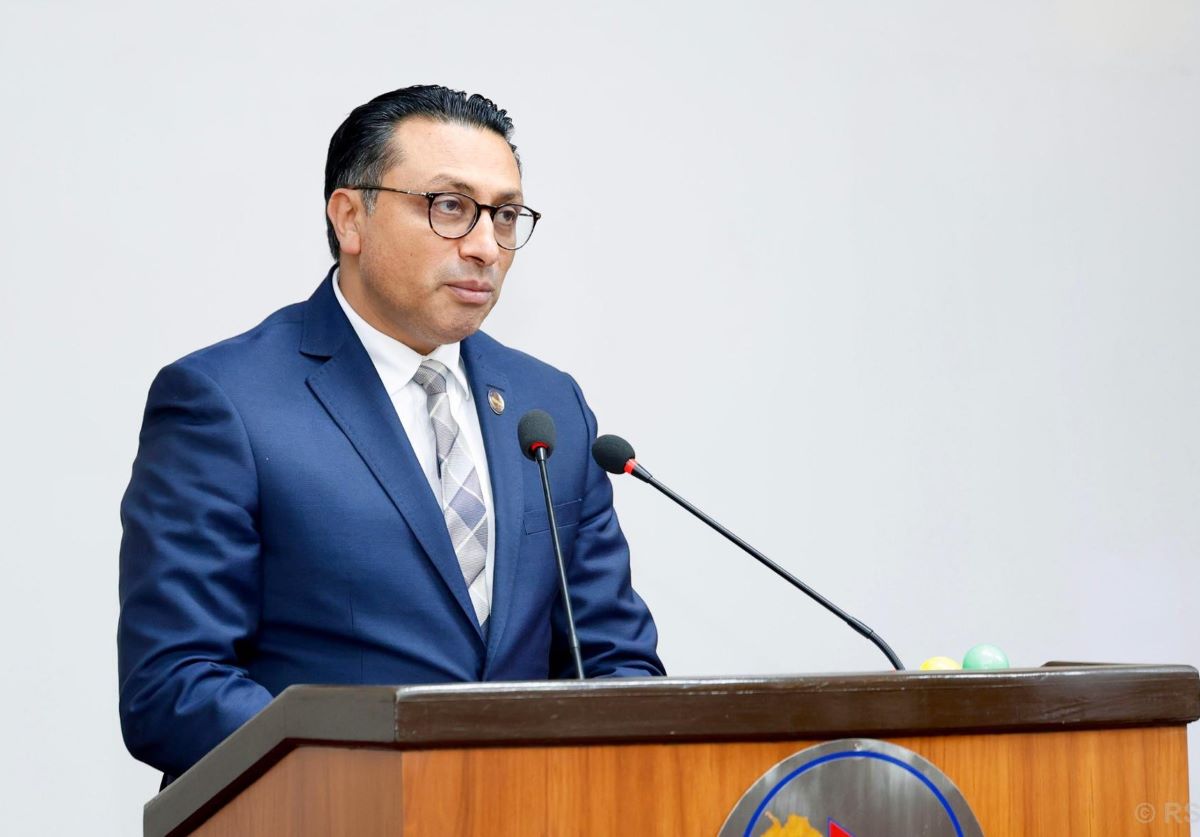
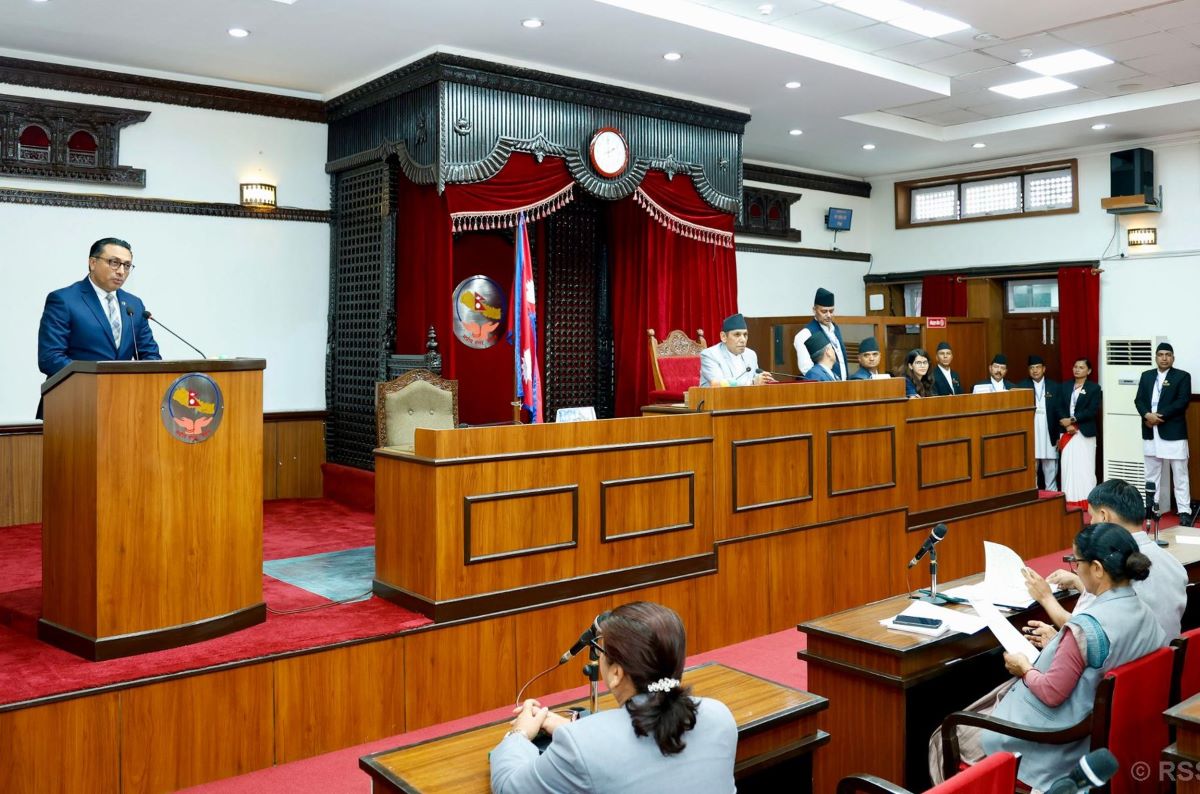
KATHMANDU: Responding to lawmakers in the National Assembly on Monday, Finance Minister Swarnim Wagle stated that the government’s new tax policies and budget provisions are designed to formalize the economy and secure long-term financial stability.
He highlighted major structural reforms across income tax, VAT, and customs—marking the most significant overhaul since 1991—which include correcting customs discrepancies to boost local industries and doubling the middle-class income tax threshold to Rs 1,000,000.
Addressing energy reforms, Wagle noted that Nepal’s power capacity is projected to reach 5,200 MW by the fiscal year-end, and while a 5% VAT will be introduced on electricity from July 16, regular consumers will be protected from extra costs through a 50-unit free allowance and price adjustments.
Regarding national debt, the Finance Minister explained that despite a proposed Rs 650 billion loan for the upcoming year—half of which will service past debts—the debt-to-GDP ratio will remain stable as the economy expands to Rs 7.4 trillion.
He also defended the new education fee on private schools as a progressive tax intended to fund public education improvements.