Kathmandu
Saturday, July 4, 2026





The government’s ambitious security agenda has delivered momentum in policing and state modernisation, but repeated questions over due process, judicial rebukes and the absence of deeper administrative reform expose the tension between executive activism and the rule of law.

KATHMANDU: Few responsibilities test a government more quickly than control of the state’s coercive machinery. The Ministry of Home Affairs oversees the police, immigration, district administration, border security, disaster response, immigration, citizenship, crime investigation and public order-institutions that determine not only whether citizens feel safe, but whether they trust the rule of law.
During its first 100 days, the government led by Balendra Shah has unmistakably placed security at the centre of its governing agenda. Ministers have promised a stronger police force, technologically advanced border management, tougher action against organised crime, improved disaster preparedness and a modernised national security architecture. The direction is clear: build a more capable state capable of enforcing law and protecting citizens.
The ambition is considerable. Yet the government’s record illustrates an enduring dilemma confronting many reformist administrations. Building a stronger security apparatus is relatively straightforward. Building institutions that exercise power within clear legal limits, improve public services and strengthen public confidence is substantially more difficult.
The first 100 days therefore reveal a mixed picture: energetic policymaking, visible operational activism and a willingness to challenge entrenched interests, but also growing concerns about due process, institutional maturity and the absence of deeper administrative reforms.
Action without architecture: The Home Minister’s controversial governing style
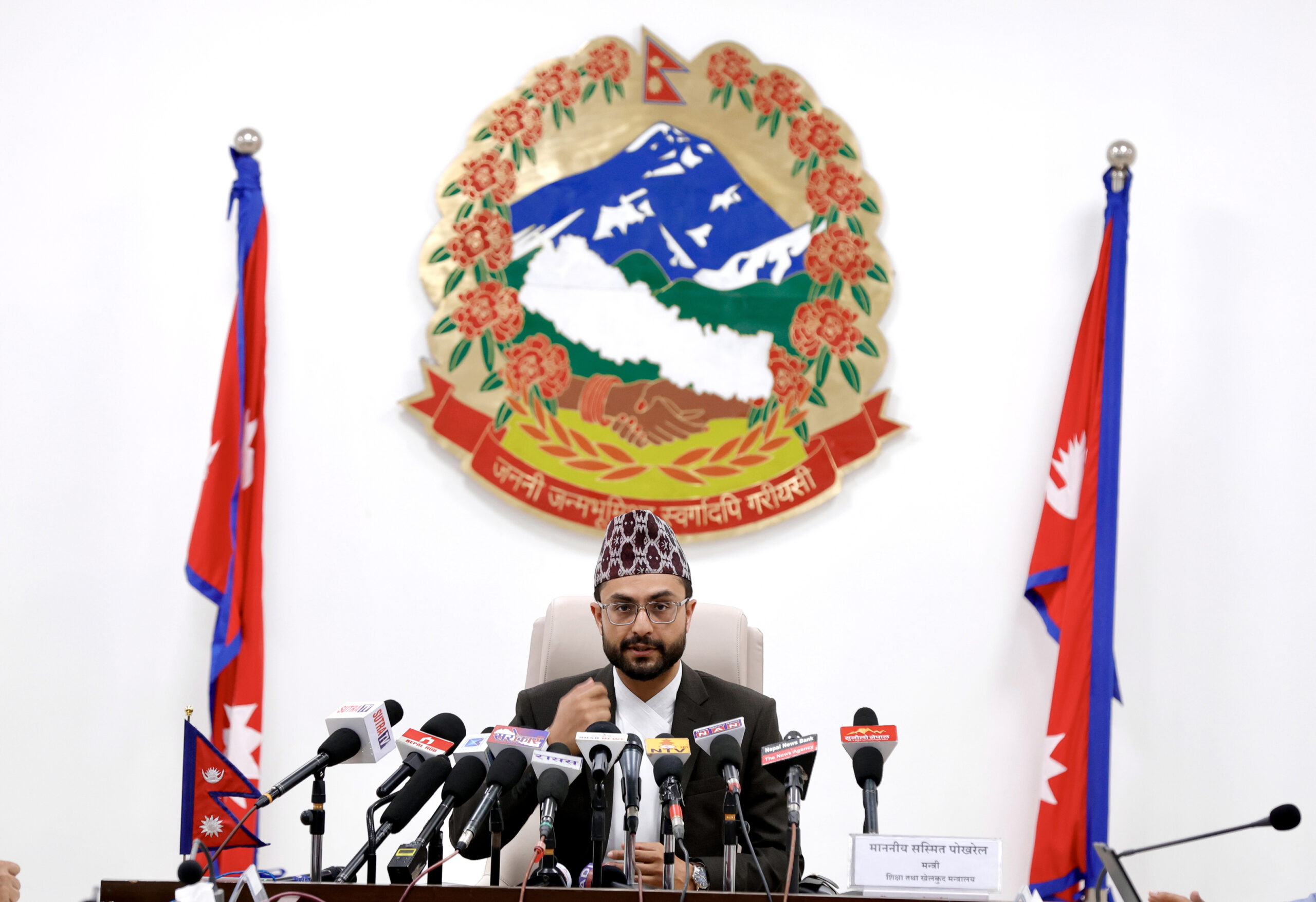
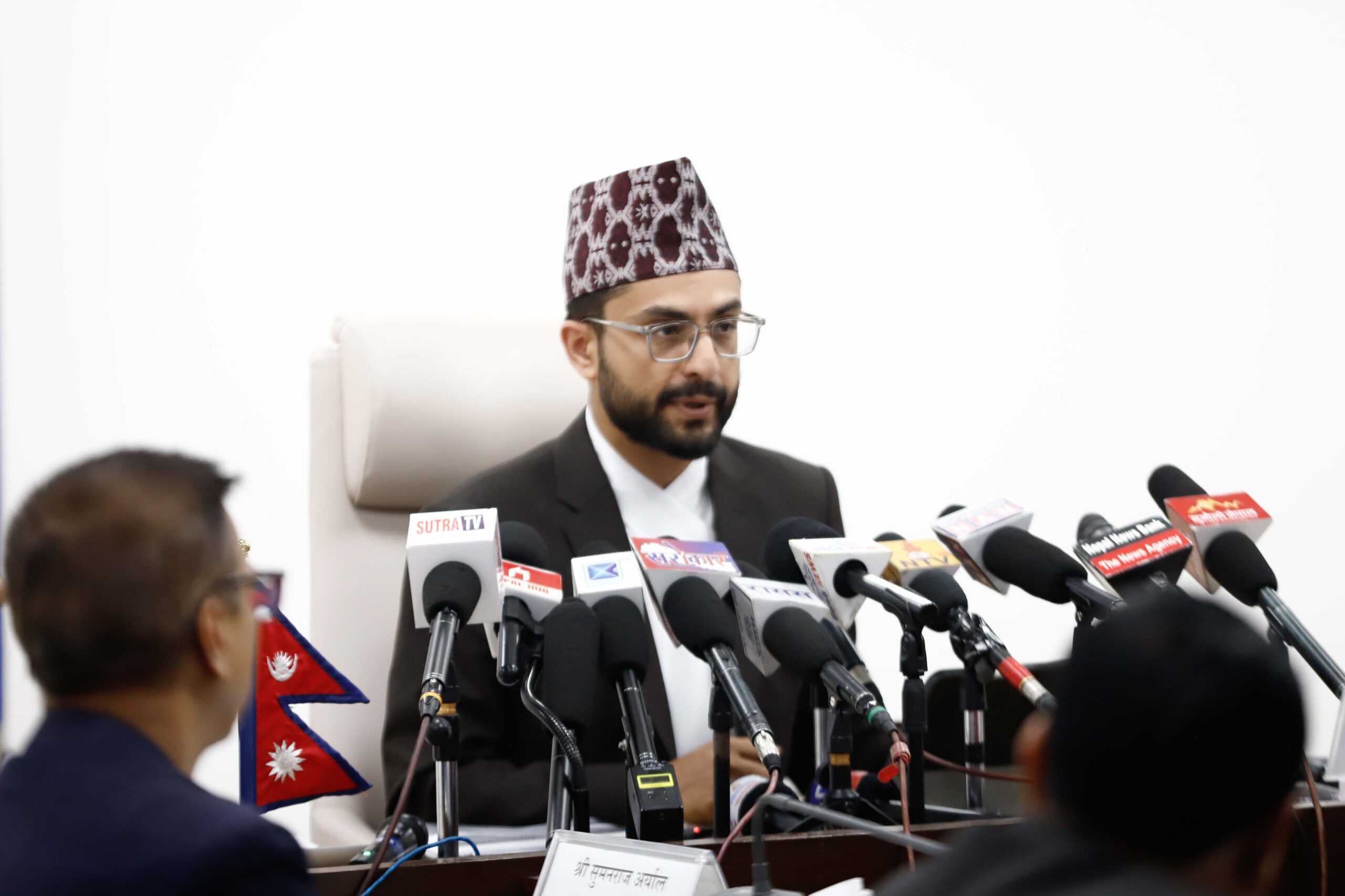
No minister has come to embody the strengths and contradictions of the Shah government more than Home Minister Sudan Gurung.
Few cabinet members have generated as much public attention-or as much controversy-in such a short period. His first 100 days have been defined by relentless visibility, political theatre, rapid-fire announcements and an unmistakable desire to project decisiveness. Yet they have also exposed the risks of governing one of Nepal’s most powerful ministries through speed rather than institutional process.
The Home Ministry sits at the heart of the Nepali state. It oversees policing, criminal investigations, immigration, border security, citizenship, disaster response, prisons and district administration. Few ministries demand greater administrative discipline or legal precision. Every operational decision carries constitutional consequences. In that context, Gurung’s tenure has reflected an increasingly apparent tension between political activism and institutional governance.
The first major controversy emerged only weeks into office. In April, Gurung resigned following allegations surrounding his financial dealings and share investments, declaring that he wished to establish a new political culture by allowing an independent investigation free from ministerial influence.
His resignation was widely interpreted as an unusual demonstration of political accountability in a system where ministers often remain in office despite far more serious allegations.
Prime Minister Balendra Shah chose not to appoint an interim home minister, instead retaining the portfolio himself while investigators completed their inquiry without any release of finding publicly. The decision suggested that Gurung’s departure was viewed as temporary rather than permanent.
The investigation ultimately concluded that although Gurung and his family owned substantial landholdings-including property in Dhankuta, Chitwan and Gorkha-investigators found no evidence that the assets were disproportionate to known sources of wealth or otherwise suspicious.
Within less than two months, Gurung returned to exactly the same office he had vacated. Politically, the episode strengthened the government’s narrative that allegations should be investigated before conclusions are drawn. Institutionally, however, it also highlighted the absence of clear conventions governing ministerial accountability. A resignation intended to symbolise political ethics ultimately became little more than a temporary interruption.
Announcements before preparation
If one episode illustrates Gurung’s governing style, it is his decision to reopen the investigation into Nepal’s 2001 Royal Palace Massacre.
The announcement immediately dominated national debate. Supporters praised the willingness to revisit one of modern Nepal’s greatest unresolved tragedies. Critics dismissed the decision as political symbolism designed to generate headlines rather than evidence-based justice.
The more revealing story lay behind the announcement. Senior officials acknowledged that police leadership had been consulted only after the public declaration had already been made. Basic questions-including whether Nepal Police or an independent commission should conduct the investigation-remained unresolved weeks later.
Twenty-five years after the massacre, evidence preservation, forensic standards, witness reliability and procedural requirements present formidable obstacles. Such an investigation demands painstaking preparation, not simply political enthusiasm.
The episode became emblematic of a broader pattern: ambitious declarations followed by uncertainty over implementation.
Decisiveness—or impulsiveness?
That pattern became even more apparent in the government’s handling of politically sensitive arrests.
Soon after assuming office, Gurung instructed police to implement recommendations contained in the Gauri Bahadur Karki Commission report concerning the Gen-Z protests. Before police had even completed reviewing the report, he urged immediate arrests of senior opposition leaders, including former prime minister KP Sharma Oli and former home minister Ramesh Lekhak.

Former PM KP Sharma Oli (left) and former Home MInister Ramesh Lekhak (Right)
Police commanders urged caution. They argued that legally reviewing the report, assessing available evidence and evaluating potential public-order implications were prerequisites before any arrests could be contemplated. Arresting nationally prominent political figures is never merely a policing decision; it carries significant constitutional, legal and security implications.
Gurung dismissed any concerns over timing, even suggesting that artificial intelligence could rapidly process investigative documents and warning that he would personally intervene if police hesitated.
Only after consultations involving the Prime Minister did police insist upon written ministerial instructions. The Home Ministry eventually issued formal orders late at night. Both leaders were arrested before dawn.
The arrests generated immediate political drama-but little lasting legal consequence.
The Supreme Court ordered former prime minister and UML Chairman KP Sharma Oli, former home minister Ramesh Lekhak, former energy minister Deepak Khadka release shortly afterwards, and no criminal charges have ultimately been sustained. The sequence illustrated a recurring feature of the Home Ministry’s first 100 days: operational urgency frequently exceeded legal preparedness.
The judiciary has repeatedly emerged as perhaps the most significant institutional counterweight to the Home Ministry’s activist approach.
Several high-profile arrests announced with considerable publicity-including business leaders, politicians and senior officials-have subsequently resulted in court-ordered releases or investigations continuing without custodial detention.
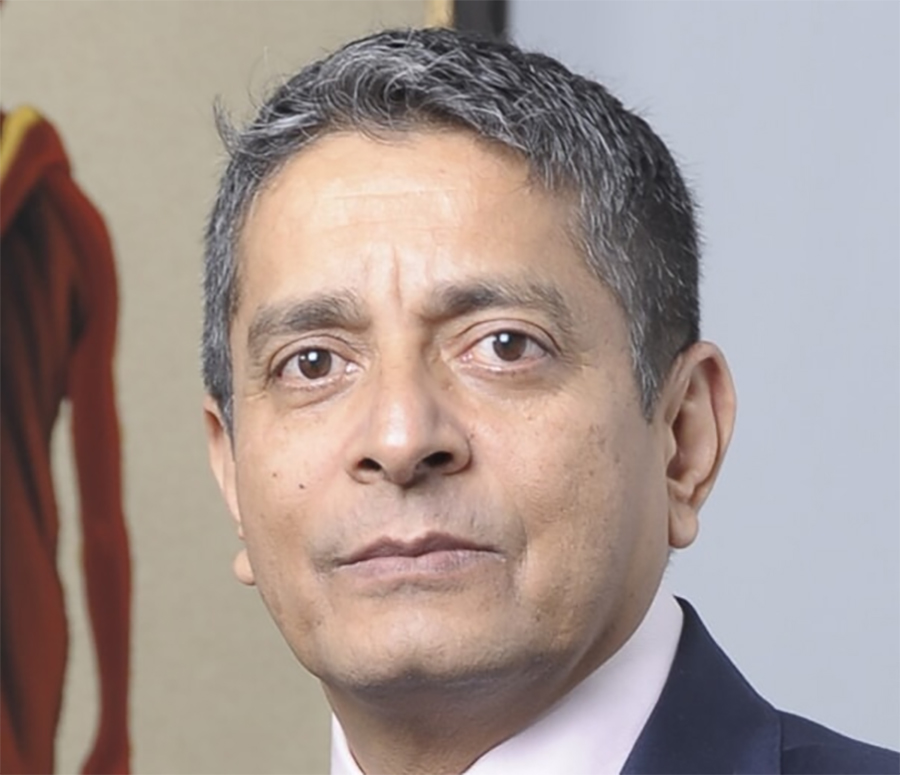
Jyoti Prakash Pandey
Among them were Nepal Investment Mega Bank Chief Executive Jyoti Prakash Pandey, industrialist Shekhar Golchha, former minister Deepak Khadka and UML provincial lawmaker Rekha Sharma.
In each instance, courts questioned whether detention remained legally necessary while investigations continued.
Rather than strengthening perceptions of decisive law enforcement, repeated judicial intervention has exposed weaknesses in investigative preparation, prosecutorial coordination and procedural compliance.
Gurung himself publicly expressed frustration after several court decisions, remarking that judges now appeared “more powerful than ministers.” While politically understandable, the statement unintentionally revealed a deeper constitutional tension.
In democratic systems, courts are intended precisely to review executive action. Judicial scrutiny is not evidence of institutional obstruction but an essential safeguard against arbitrary state power.
The perception of a “Police First” government
Perhaps the government’s greatest vulnerability lies not in individual arrests but in the broader perception its policing strategy has created.
Throughout the first 100 days, critics have increasingly described the Home Ministry as embracing a “detain first, investigate later” philosophy.
Officials have publicly celebrated arrest statistics, displayed warrants on social media and emphasised visible enforcement actions as indicators of governmental performance.
Such optics may generate short-term political momentum. Yet criminal justice systems are ultimately measured not by arrests but by successful prosecutions achieved through legally admissible evidence and procedurally sound investigations.
Several controversial episodes reinforced concerns over executive overreach.
Senior bureaucrat secretary Krishna Hari Pushkar was questioned following an administrative dispute involving text message to the Prime Minister. Contractors were escorted to government offices over delayed infrastructure projects. In each case, critics questioned whether criminal law was being deployed to resolve matters more appropriately handled through administrative processes. Any criminal investigations must remain operationally independent from political instruction-a principle central to democratic policing worldwide but home minister style raise serious concern.
1695287533.webp)
Ironically, Gurung remains personally popular within significant sections of the youth. He has publicly championed higher food allowances, improved welfare, better equipment and reforms to politically influenced transfers and promotions.
His willingness to acknowledge declining police morale has been welcomed internally. Plans to reform procurement, establish domestic uniform production and improve working conditions address long-standing grievances that previous governments largely ignored.
Officials privately acknowledge that few recent home ministers have demonstrated comparable energy or engagement.
Yet many simultaneously caution that constant political intervention risks weakening precisely the institutional professionalism the minister seeks to strengthen.
An active minister can energise an organisation. An overactive minister can unintentionally undermine institutional autonomy.
Beyond formal policymaking, Gurung has consciously cultivated an image of accessibility.
He has met protesters at Maitighar, eaten in the Singha Durbar cafeteria alongside civil servants and shared photographs resting on ministry sofas-carefully projecting the image of an unconventional, approachable politician.
Such symbolism resonates with younger voters who increasingly distrust traditional political elites. But governing a ministry as complex as Home Affairs ultimately demands more than symbolic politics.
As several leaders of the Gen-Z movement themselves have observed, meaningful reform depends not upon the personality of a single minister but upon the coordinated functioning of police, prosecutors, courts, district administration, immigration, customs and the wider civil service. Institutional transformation rarely produces dramatic photographs.
Sudan Gurung’s first 100 days offer an unusually revealing portrait of the broader Shah administration.
The government clearly possesses political energy, reformist ambition and a willingness to challenge bureaucratic inertia. What remains uncertain is whether that energy can be translated into durable institutional reform.
Thus far, announcements have often preceded preparation, arrests have sometimes preceded airtight investigations and political urgency has occasionally outpaced legal process.
The result is a Home Ministry that appears highly active but not yet consistently institutional.
The coming months will determine whether Gurung evolves from an activist minister into an institutional reformer. For Nepal’s security architecture, that distinction may prove decisive. Effective home ministers are ultimately remembered not for the number of headlines they generate, but for the strength, professionalism and legality of the institutions they leave behind.
The government’s strongest achievements lie in setting an ambitious institutional agenda. Plans have been announced to modernise both the Nepal Police and the Armed Police Force through greater investment in technology, forensic capability, digital intelligence and specialised training. Border security is expected to receive facial recognition systems, integrated border management information platforms, automated surveillance, drones and night-vision equipment.
The Armed Police Force is also being repositioned as Nepal’s dedicated professional border security force-a long-discussed reform that could significantly improve management of one of South Asia’s most porous frontiers.
Inside the police, the government has also sought to address an unusually persistent source of corruption: procurement. Rather than allowing centralised uniform contracts that have historically generated allegations of collusion, poor quality and rent-seeking, the Home Ministry has floated a proposal to provide officers with clothing allowances directly so they can purchase uniforms themselves. If designed carefully, such a system could reduce opportunities for procurement-related corruption while increasing transparency.
The government has likewise announced a review of retirement and pension rules affecting police and armed police personnel—an issue that has long affected morale within both organisations.
Former senior police officials have broadly welcomed greater investment in training, technology and investigative capacity, arguing that rapidly evolving forms of cybercrime, organised crime and financial crime require a more sophisticated police service than Nepal currently possesses.
The Home Ministry has also devoted significant attention to disaster management.
A national monsoon preparedness plan has been finalised before peak rainfall, while nearly 18,000 security personnel have been placed on standby for rescue and emergency operations. Temporary disaster-response bases have been established across the country, with security agencies coordinating more closely than in previous years.
Given Nepal’s recurring experience with floods, landslides and climate-related disasters, greater emphasis on preparedness represents a sensible shift from reactive crisis management towards preventive planning.
Whether the government’s ambitious target of virtually eliminating disaster-related fatalities proves achievable remains uncertain. Much will ultimately depend not on planning documents but on local execution, early warning systems, logistics and coordination once disasters actually occur.
Among the more tangible administrative improvements has been the launch of downloadable National Identity Cards through an online portal.
Allowing citizens to securely retrieve digital versions of their identity cards represents a modest but meaningful improvement in digital public services. If expanded further, similar initiatives could gradually reduce bureaucratic delays and improve access to government services.
Yet such isolated digital successes remain exceptions rather than evidence of broad administrative transformation.
Beyond the Home Ministry itself, the government has accelerated several institutional reforms within the defence sector.
Preparatory work continues on establishing a National Defence University, intended to strengthen domestic research on strategic affairs, national security and defence studies. A new National Cadet Corps bill seeks to modernise youth military training, while revisions to military regulations and long-term strategic planning are also progressing.
Although these initiatives may produce important institutional benefits over time, they remain largely legislative and procedural rather than operational achievements.
Questions about due process
The government’s increasingly assertive policing strategy has attracted both praise and criticism.
Supporters argue that stronger enforcement demonstrates political willingness to confront criminal networks, economic offences and public disorder after years of inconsistent implementation.
Critics, however, point to several high-profile arrests that were conducted without prior arrest warrants or were followed by swift judicial intervention ordering the release of those detained.
Such episodes have raised uncomfortable questions about whether operational enthusiasm is occasionally outpacing legal procedure.
A reformist government naturally seeks to demonstrate resolve. But democratic governments are ultimately judged not only by how many people they arrest, but by whether those arrests withstand judicial scrutiny.
Repeated court interventions releasing prominent detainees inevitably invite questions regarding investigative standards, prosecutorial preparation and legal compliance.
The danger is not necessarily widespread abuse of power, but the emergence of a perception that executive activism may be encroaching upon procedural safeguards. In constitutional democracies, perceptions matter almost as much as reality.
The risk of a police-state narrative
The expansion of surveillance technologies-including facial recognition, automated monitoring systems, drones and integrated intelligence platforms-reflects global policing trends.
Such technologies can undoubtedly strengthen border management and crime prevention.
Yet democratic societies increasingly recognise that surveillance capacity must be accompanied by robust oversight, privacy protections and transparent legal frameworks.
Otherwise, governments risk creating the impression—fairly or unfairly—that technological modernisation is becoming an instrument of state control rather than public protection.
The Home Ministry therefore faces an important challenge: convincing citizens that stronger security institutions will remain fully accountable to the law.
Without institutional safeguards, even well-intentioned reforms can generate fears of an overly centralised or excessively interventionist security state.
Ambition exceeds administrative experience
Another challenge has been institutional maturity.
The Home Ministry is arguably the most operationally demanding ministry in government. It simultaneously manages policing, immigration, citizenship, prisons, disaster management, border security, intelligence coordination, public administration and internal governance.
The first 100 days have demonstrated considerable political energy but comparatively limited evidence of coherent administrative reform across this vast portfolio.
Several announcements remain policy aspirations awaiting implementation frameworks, financing, procurement systems and measurable performance indicators.
This gap between ambition and execution is not unusual for new governments. Nevertheless, it raises questions about whether the ministry possesses sufficient administrative capacity to deliver reforms simultaneously across so many complex institutions.
The missing structural reforms
Perhaps the government’s greatest weakness has been not what it has done, but what it has yet to prioritise.
Immigration reform remains conspicuously absent despite Nepal’s growing dependence on tourism, international labour mobility and foreign investment. Immigration processing continues to suffer from outdated procedures, limited digitisation and inconsistent service quality.
Customs administration has likewise seen little systemic reform. Smuggling, revenue leakage and inefficient border clearance continue to impose significant costs on trade and investment. Modern customs systems increasingly rely on automation, risk-based inspections and integrated digital platforms—areas where progress remains limited.
Citizenship services, passport administration, district administration offices and everyday public service delivery have also seen relatively little visible transformation.
For ordinary citizens, governance is ultimately measured less by high-profile arrests than by how efficiently they obtain passports, citizenship certificates, visas, police clearances or business permits.
On these fronts, the government’s first 100 days offer relatively few breakthroughs.
Balancing strength with restraint
There is little doubt that the government has injected unusual momentum into Nepal’s security sector.
Modernisation plans, institutional restructuring, digital initiatives, border management reforms and disaster preparedness all suggest an administration determined to project competence and state capacity.
Yet security reform succeeds only when power is exercised predictably, proportionately and transparently.
Strong policing without procedural safeguards risks undermining public trust.
Advanced surveillance without accountability invites fears of excessive state intrusion.
Frequent arrests without consistently successful prosecutions weaken confidence in the justice system rather than strengthen it.
The government’s challenge over the coming months will therefore be less about announcing additional reforms and more about demonstrating institutional discipline.
Ultimately, the success of the Home Ministry will not be measured by the size of its security apparatus or the number of operations it conducts. It will be judged by whether Nepal emerges with institutions that are simultaneously stronger, more professional, more accountable and more responsive to citizens.
The first 100 days suggest that the government understands the importance of state capacity. The next phase will determine whether it can build that capacity without compromising the rule of law-the defining test of any democratic security reform agenda.