Kathmandu
Saturday, July 11, 2026





From behind the shutters of a small communication center, a journalist recalls the chaos that unfolded after security forces opened fire in Janakpur in March 2006, leaving lasting scars on survivors and the memory of slain human rights defender Dayaram Pariyar.
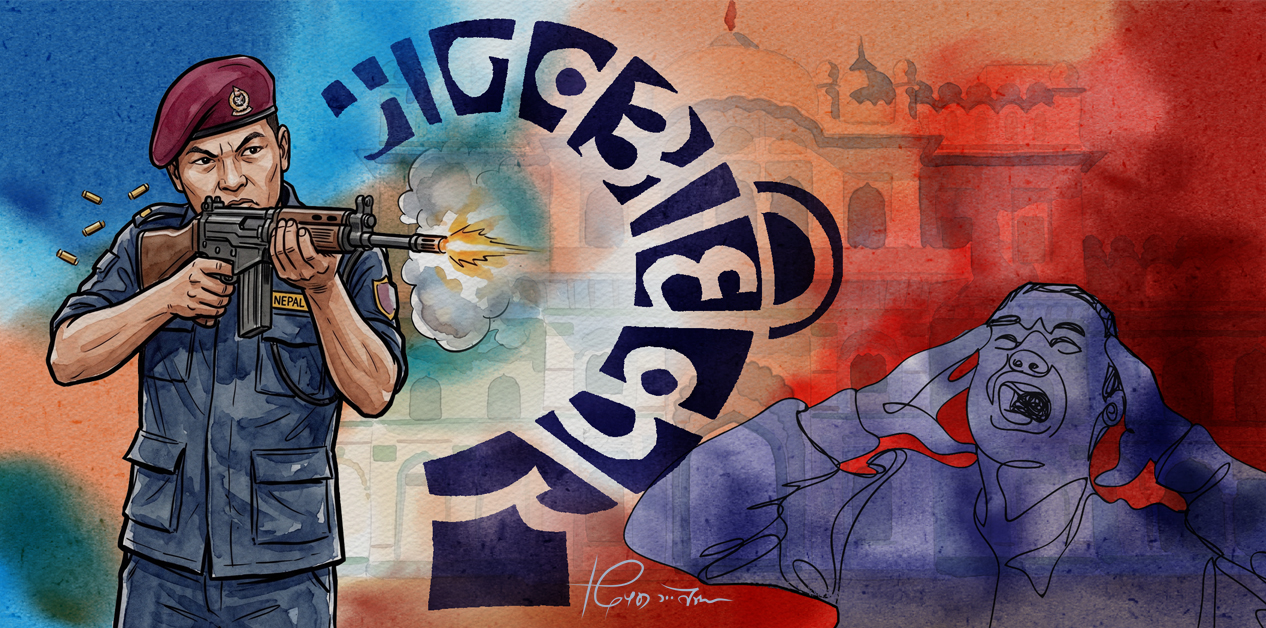
On March 24, 2006, news spread that Maoists had looted the Everest Bank in the Mills Area. Shortly after, at around 5:00 PM, Maoists attacked the Muzelia police post located in Janakpur Municipality-14, resulting in the death of two police personnel. Some of the injured police personnel from the incident were rushed to the Janakpur Zonal Hospital. The Maoists, who were traveling in a jeep, also looted weapons following that fierce attack.
In the evening, the sound of gunfire suddenly rings out. A squad of police in a vehicle advances through Janakchok (Janakpur) like a rogue elephant, rampaging and firing bullets all along the way. Panic ensues simultaneously in Janakchok, Ramchok, and Shivachok, places that are always crowded.
These incidents shocked the residents of Janakpur. A small office of the National Human Rights Commission had only recently opened in Janakpur. Many did not even understand what human rights meant. The rich exploiting the poor, the landlords exploiting the laborers and peasants, and the merchants exploiting the tenants was an old disease. Most people did not even know back then that the voices of protest heard today fall under human rights. The Commission had opened its office in Janakpur as a contact office specifically to understand and monitor the situation of human rights in the Terai districts.
It was around January-February 2006 when Dayaram Pariyar visited Hello-In a couple of times to meet Shyam Dai. I still remember him telling me that he had come to Janakpur to work for the Human Rights Commission. After that, I met Dayaram repeatedly at Hello-In. We became good friends in a short period of time.
Dayaram’s elder brother, Prakash Chandra Pariyar, who worked at Kantipur Television, had made Shyam Dai his local guardian in Janakpur. Because of this, Dayaram would often come to Hello-In to meet Shyam Dai. Dayaram was shy and introverted. After getting introduced to him, I had asked him to share information if there was any specific incident or news related to human rights.
The news of crossfire would reach our villages floating through the air long before the radio or newspapers, terrifying entire settlements. With news of police falling into ambushes laid by Maoists and Maoists falling into ambushes laid by the police, a storm of fear would rage in one’s heart until relatives who had left home returned.
Even though the country was under the terror of the People’s War, Dhanusha district was not as troubled as Rolpa-Rukum and other places. However, there was no environment to walk around without fear either. Janakpur was always on the Maoist target list. The Maoists, who had already strengthened their grip on the villages of Madhesh, had lately begun targeting the district headquarters.
Attacks on police posts were increasing. The news of crossfire would reach our villages floating through the air long before the radio or newspapers, terrifying entire settlements. With news of police falling into ambushes laid by Maoists and Maoists falling into ambushes laid by the police, a storm of fear would rage in one’s heart until relatives who had left home returned. Furthermore, checking in the name of espionage and spying in the name of searches was becoming ‘common’ around Janakpur too. The hassle of searches conducted by security personnel during travel was also increasing continuously.
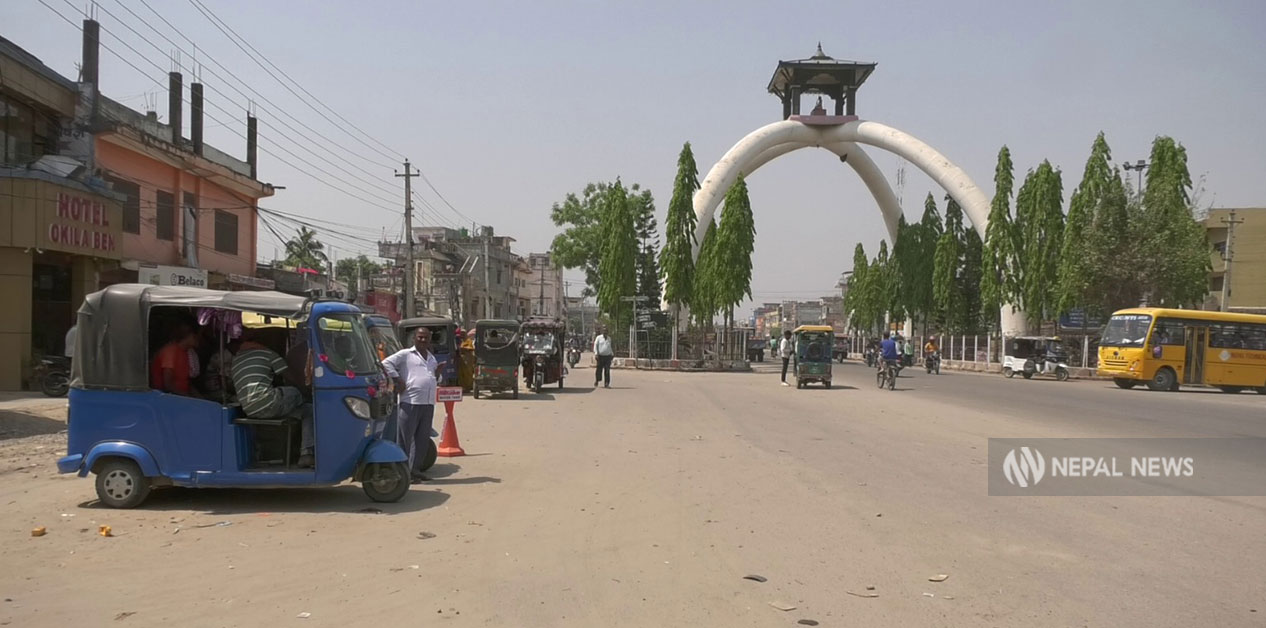
Janakpur
I had gone to ‘Hello-In’ at Shivachok to fax the news about the incident for the Himalaya Times. Although not as widespread as it is now, I used to send news via email from time to time. However, the practice of sending news through fax had not yet disappeared. The distance from Janakchok, where the shooting took place, to Shivachok is not even two minutes. As people started fleeing, Mahavir Sultania, the operator of ‘Hello-In’, hurriedly ordered the shutters to be pulled down. Inside the shutter, there was Mahavir Dai, a shop assistant, myself, and one or two panicked people who had rushed inside.
At that time, the Janakpur representative for Kantipur was Shyam Sundar Shashi. Hello-In was our hub for faxing news. It had been only three years since Hello-In, which Shyam Dai had been using as an office for a long time, became my contact office. The operators of Hello-In were two Marwari brothers, Mahavir Sultania and Arun Sultania. Sadly, both of them have passed away.
Following the attack on the Muzelia police post, an emergency meeting of the district security committee decided to evacuate Muzelia and the railway station. After that, the team of security personnel who survived the Maoist attack and those returning from the railway station started firing indiscriminately at civilians in Janakchok without any reason.
Back then, Hello-In had a different kind of charm. Going to Shivachok regularly in the evening had become my daily routine. I was working simultaneously for the Prateek Daily, published from Birgunj, and the Himalaya Times. As a journalist, that day was extremely stressful for us. The public was panicked by the series of Maoist attacks across the country. Fear and confusion were widespread among the people.
Amidst this, a rumor spread that a Maoist attack had taken place towards the Janaki Temple. Civilians started running from the Janaki Temple side towards Janakchok. On the other hand, the security personnel team returning from the railway station also reached Janakchok at the same time. Seeing the civilians fleeing like that, the team led by Police Inspector Prakash Raj Sharma opened fire in a fit of rage. It was around quarter past six in the evening.
According to the timeline of the day’s events released by the National Human Rights Commission, following the attack on the Muzelia police post, an emergency meeting of the district security committee decided to evacuate Muzelia and the railway station. After that, the team of security personnel who survived the Maoist attack and those returning from the railway station started firing indiscriminately at civilians in Janakchok without any reason.
At that very moment, Dayaram Pariyar, working as a human rights assistant at the Janakpur contact office of the National Human Rights Commission, was wounded by a bullet fired by the security personnel. Along with him, Ramchandra Yadav, a 55-year-old local resident who was sitting to drink tea at Janakchok, died on the spot after being hit by a bullet. Yadav was an activist of the Rastriya Prajatantra Party.
At that same moment, Dayaram, who had been shot in the flank, came walking all the way to Hello-In. As soon as he arrived, he anxiously told Mahavir Dai, “I have been shot, Dai, please take me to the hospital.”
We heard the sound of gunfire while inside Hello-In. A situation was created where we thought a crossfire was taking place right in Shivachok. The shutters of shops began slamming down one after another. Inside the shutter, we were in a state of confusion; I couldn’t figure out who Mahavir Dai was dialing on the phone.
It took some time for the environment to calm down. At that same moment, Dayaram, who had been shot in the flank, came walking all the way to Hello-In. As soon as he arrived, he anxiously told Mahavir Dai, “I have been shot, Dai, please take me to the hospital.”
Seeing the excessive bleeding from his body, all three of us were stunned. Until then, I had never seen a person who had been shot. The sight of a person who had been shot sitting in such a miserable state before our eyes, pleading for his life, was heartbreaking. Although he was fully conscious, the color of his face had turned completely pale due to pain and terror.
Mahavir Dai immediately dialed hospitals for an ambulance; perhaps he also called Shyam Dai. I, however, went outside Hello-In and started shouting for help. Dai also came outside and requested the local youths to immediately take him to the hospital, even if on a rickshaw.
We felt that Dayaram was moving closer to death with every passing second. We panicked even more. A few courageous youths (whose names I cannot recall) took him on a rickshaw to the Janakpur Zonal (now Provincial) Hospital. By then, it was nearly 8:00 PM.
On that day too, just a moment before the incident occurred, Dayaram had arrived at Hello-In looking for Shyam Dai. I was sitting there preparing a news report. He stepped inside but did not sit down. Shyam Dai had not arrived by that time.
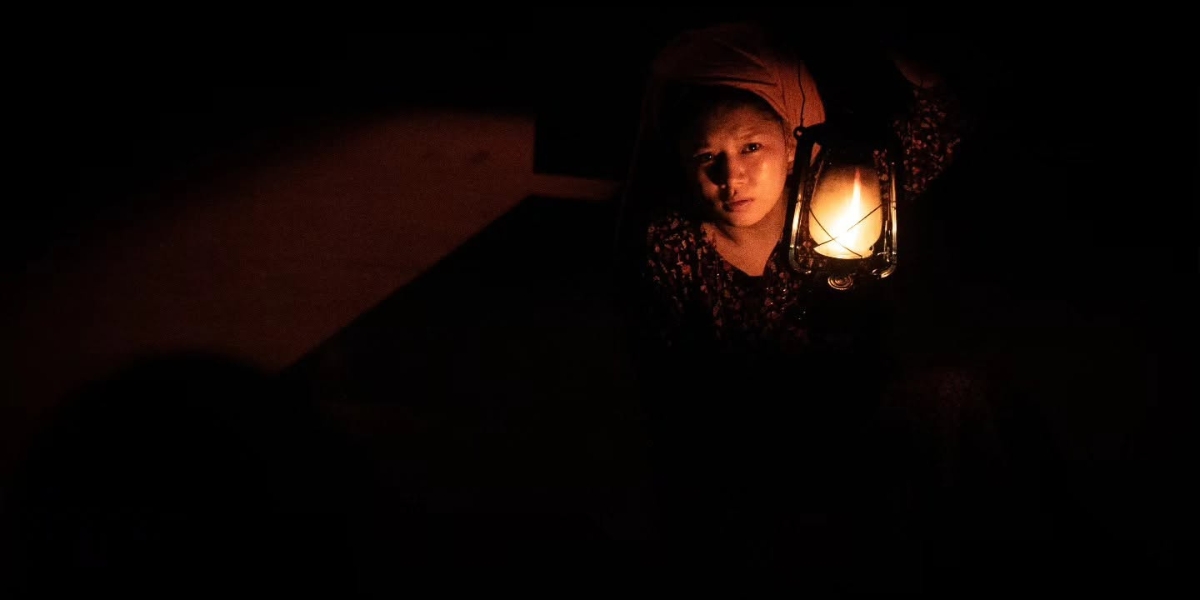
Poor Bipul, my brother who was five years younger than me and still in school, came to pick me up in such a terrifying situation and pitch-black night—a fact that always makes me feel guilty. What must his childhood mindset have been like at that time? That night, we sister and brother reached home without speaking a word along the way.
Standing right there, he had called Shyam Dai. Shyam Dai presumably told him to sit there for a while and that he would come. But he left saying, “I will come later.” From there, he reached towards Janakchok. I wonder, what if he had stayed at Hello-In that day? What if Shyam Dai had met him immediately that day? What if he had stayed back, caught up in conversation with us? Perhaps that horrific incident would not have happened at all?
After that day’s incident, the streets became deserted. This was the first incident in Janakpur where the police had fired indiscriminately in a public place. Mahavir Dai did not let me return home alone. He said, “Call someone from home, only then go.” It was already 9:00 PM. I had already informed home via phone that I was safe. Even when I called again later, Father had not yet reached home.
Although I gathered the courage to return home alone, Mahavir Dai did not agree. Poor Bipul, my brother who was five years younger than me and still in school, came to pick me up in such a terrifying situation and pitch-black night—a fact that always makes me feel guilty. What must his childhood mindset have been like at that time? That night, we sister and brother reached home without speaking a word along the way.
As soon as I reached home, I spoke with Shyam Dai over the phone. He told me that Dayaram had been given saline, water, and blood. News was being broadcasted on televisions about the incident in Janakpur itself and that a night-vision helicopter would come from Kathmandu to rescue the injured. However, due to a potential Maoist attack, the helicopter was not sent at night. Shyam Dai stayed at the hospital all night. It feels like just yesterday when he told me that Dayaram’s condition was critical and nothing could be said for sure.
The next day, with the assistance of the Nepali Army, all the injured were flown by plane to the T.U. Teaching Hospital in Kathmandu. We kept receiving news from newspapers and television that Dayaram’s condition remained critical. The night passed as we wished for his recovery.
At that time, all facilities were not available at the Janakpur Zonal Hospital. Even today, I feel that if the injured could have been rescued and rushed to Kathmandu in time, they could have been saved.
However, on the night of March 28, 2006, at around 2:00 AM, he breathed his last. Although it was not a very old relationship, the wish for him and the other injured to survive was deep. Even today, I clearly remember his smiling face.
It was unfortunate that the government remained silent for a long time regarding those police commanders who violated the human right to life of a human rights activist. There was great hope that Dayaram, who was injured by gunfire, would defeat death and return. The news of his death on the fourth day after being injured left many who knew him, like me, deeply grieved for a long time.
In reality, there was also a significant delay in treating the injured. At that time, all facilities were not available at the Janakpur Zonal Hospital. Even today, I feel that if the injured could have been rescued and rushed to Kathmandu in time, they could have been saved.
During the People’s War period, the state of attacks carried out by both the state and the rebel sides against each other was terrifying. The ‘Dayaram Incident’ stands as one proof of that. This is just a representative event. We are forced to stand witness to many such incidents.
According to the decision made by the meeting of the National Human Rights Commission held on April 2, 2006, under the chairmanship of the then Chairman of the Commission, Nayan Bahadur Khatri, after observing the incident: “The bullets appear to have been fired by four police personnel who were part of the police squad moving from Muzelia to the District Police Office in Janakpur. Despite casualties occurring from the bullets fired without cause in this manner, it did not appear that the head of the team, Police Inspector Prakash Raj Sharma, and his team made any possible effort to gather information on how much damage was caused and to provide immediate rescue. Firing bullets to the extent of taking lives when there was no indispensable situation to open fire, and failing to make immediate efforts to rescue after knowing the condition of the deceased and the injured, constitutes negligence and a gross violation of human rights and humanitarian law.”
The Commission had also recommended compensation and action against the guilty. A decade after the incident, in March 2016, the Commission also published the Late Dayaram Pariyar Souvenir.
In honor of the activist Pariyar, the ‘Dayaram Pariyar Memorial Human Rights Award’ has been established by the Commission and is presented every year.
Despite being an acquaintance of a short time, Dayaram Pariyar, who achieved martyrdom in the very course of monitoring human rights, will always remain in my memory.