Kathmandu
Saturday, July 18, 2026





Burnt case files, damaged IT systems, and a mounting backlog leave thousands of service seekers waiting for justice as the Supreme Court falls four months behind its annual goals.
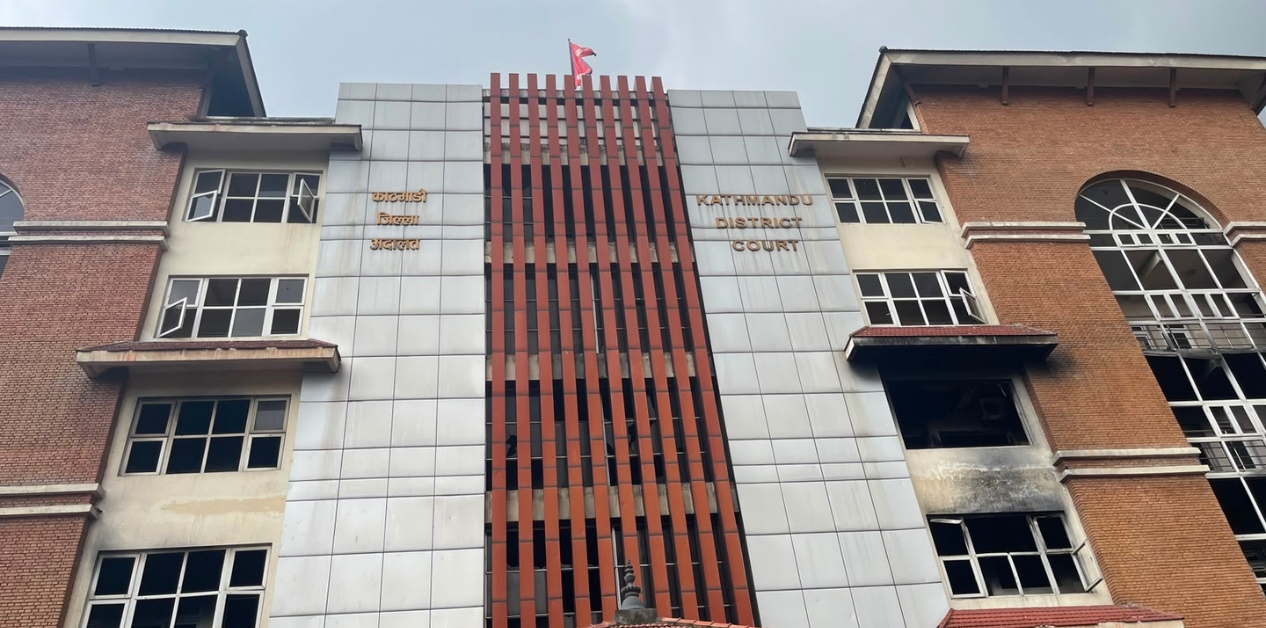
KATHMANDU: During the Gen Z movement on September 9, 2025, arson attacks carried out at various courts, including the Supreme Court, destroyed buildings, information technology systems, and case files. Following that, registration of new cases and hearings were impacted for the subsequent two months.
After the movement, court services gradually resumed, but the challenge of reconstructing the burnt files and advancing the stalled cases still remains. This has directly affected service seekers waiting for justice. Due to the arson and the subsequent disruptions, the Supreme Court is running four months behind its annual plan for case disposal. A delay in case disposal means the time to receive justice is pushed even further away.
According to data from the Supreme Court, only 29 percent of the total cases present in the Supreme Court were disposed of in the 2025/2026 fiscal year. By mid-July 2026, 27,467 cases remain to be resolved in the Supreme Court.
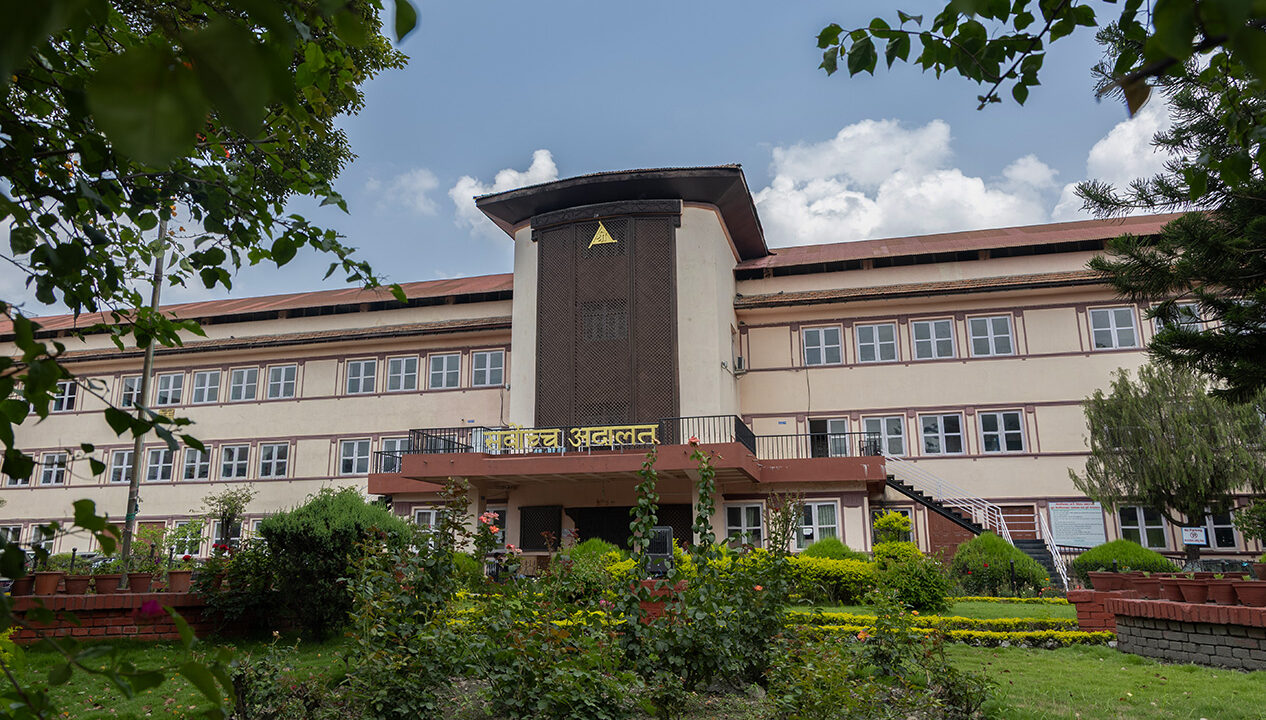
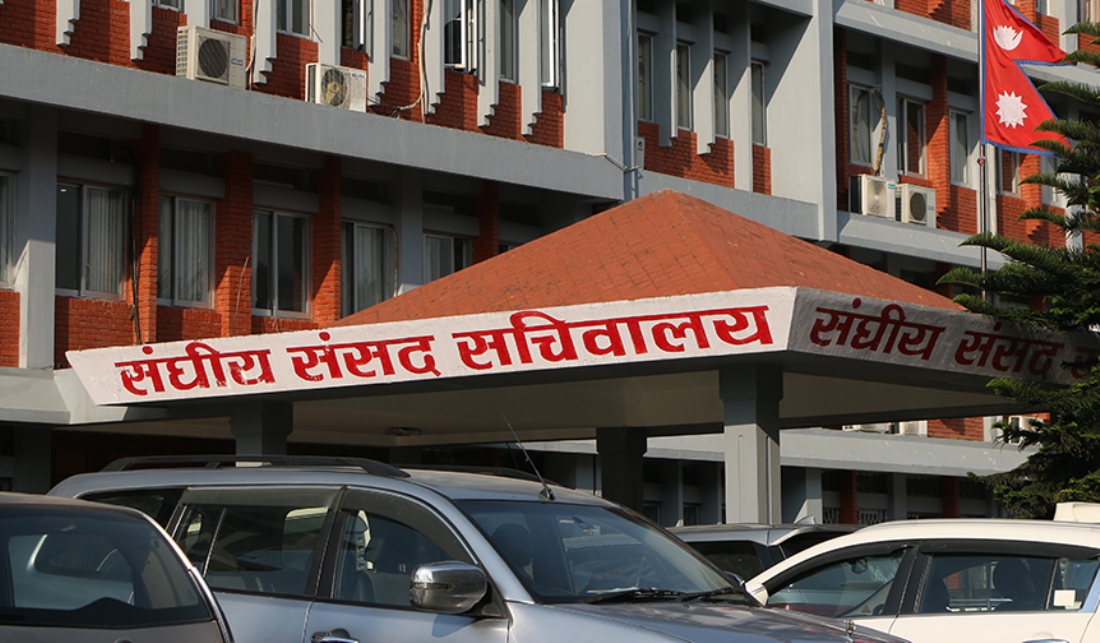
Supreme Court
Before the Gen Z movement, there were around 24,000 ongoing cases in the Supreme Court. Throughout the fiscal year, 14,829 new cases were registered in the Supreme Court. Among the cases pending disposal, 1,276 cases have exceeded five years.
In the 2025/2026 fiscal year, 209,569 new cases were registered across the country in the Supreme, High, District, and other courts. This is 152,950 fewer compared to the previous fiscal year.
In the 2024/2025 fiscal year, 362,519 new cases were registered in courts across the country. By mid-July 2025, 182,828 cases were pending disposal. As the 2025/2026 fiscal year comes to a close, 160,549 cases remain to be resolved across the country.
Courts counting judges’ cases
Following the conclusion of the 2025/2026 fiscal year, the Supreme Court has made public the details of cases disposed of by judges across the country. In previous years, the Supreme Court did not give much priority to the number of cases resolved by judges.
Among the district courts, Judge Rajendra Singh Bhandari of the Kanchanpur District Court became the judge to resolve the highest number of cases by disposing of 1,011 cases. Madhav Prasad Ghimire of the Parsa District Court stands in second place by disposing of 984 cases. Hari Prasad Sharma Upadhyay of the Palpa District Court came third by disposing of 979 cases. Kapil Mani Gautam of the Dhanusha District Court and Bishnu Prasad Gautam of the Gorkha District Court disposed of an equal number of 879 cases.
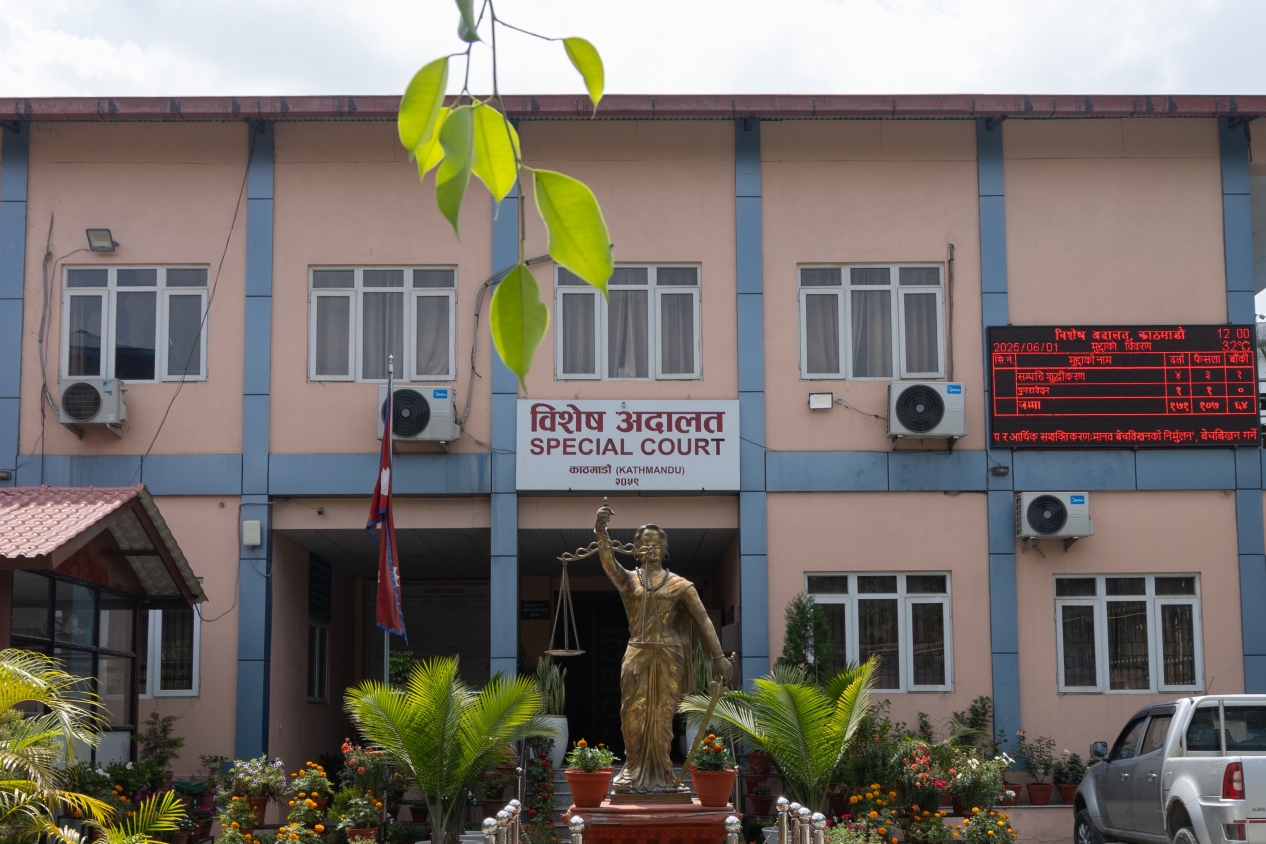
Among the high courts, Judge Tek Narayan Kunwar of Janakpur disposed of 1,421 cases throughout the year. He had been transferred from the Special Court to the Janakpur High Court.
Judge Tikaram Acharya, also from the Janakpur High Court, stands in second place by disposing of 1,229 cases. Judge Jagat Bahadur Thapa of the Birgunj High Court achieved the third position by disposing of 1,169 cases.
In the fourth position, Judge Som Kanta Mainali of the Patan High Court resolved 1,059 cases, while Narishwar Bhandari of the Janakpur High Court is in the fifth position. Bhandari disposed of 1,020 cases. The Supreme Court has made public the names of the 10 High Court judges and 12 District Court judges who disposed of the most cases.
According to the spokesperson of the Supreme Court, Arjun Prasad Koirala, the performance of the high courts appears positive from the perspective of implementing the differentiated case management system.
He states that despite the difficult working conditions under the special circumstances created by the Gen Z movement, all 18 high courts across the country have disposed of cases that were older than two years.
Equal cases between Supreme Court and Kathmandu District Court
The number of cases pending disposal in the Kathmandu District Court is almost equal to that of the Supreme Court. By mid-July 2026, 27,467 cases remain to be resolved in the Supreme Court and 26,445 cases in the Kathmandu District Court.
According to Judge Churaman Khadka of the Kathmandu District Court, after the court files were burnt during the Gen Z movement, difficulties arose in regular service operations along with case disposal.
He mentions that because the work of retrieving or reconstructing the burnt files has not been completed, some cases have still not been able to move forward. “We have made a plan to deliver fast service from the court,” Judge Khadka says.
In the courts, not only the hearing and verdict of cases but also the execution of verdicts has become a massive challenge. Only 65 percent of verdicts have been executed compared to the annual target.
According to him, each judge at the Kathmandu District Court has an average workload of 1,008 cases. While a judge disposes of around 500 cases a year under normal circumstances, a workload of more than double that has fallen upon them due to the extreme pressure of cases in Kathmandu.
More than 7,000 service seekers visit the Kathmandu District Court daily.
Verdict passed, not executed
In the courts, not only the hearing and verdict of cases but also the execution of verdicts has become a massive challenge. Only 65 percent of verdicts have been executed compared to the annual target.
By the end of the 2025/2026 fiscal year, a prison sentence of 4,567 years, five months, and 15 days remains to be recovered in Kathmandu district. A fine of Rs 9.55 billion remains to be collected.
Similarly, Rs 2.39 billion of government claim amount and Rs 329 million of compensation remain to be recovered. There are still 7,086 cases pending related to the execution of verdicts.
According to Judgment Execution Officer Dhan Bahadur Karki, the non-cooperation of the opposing party, failure to trace correct addresses, and failure to serve notices on time are the main problems. He states that situations arise where notice has to be served to the same person up to five times. Delays in verdict execution are also occurring because the correct addresses of some individuals cannot be found and notices cannot be delivered on time.
The arson on September 9, 2025, caused damage to the physical infrastructure, information technology systems, and case files of 23 courts, including the Supreme Court, the Special Court, and various high and district courts.