Kathmandu
Sunday, July 26, 2026





The electoral collapse of Madhesh-based parties has created a political vacuum, with questions growing over the future of federalism, identity and provincial rights.
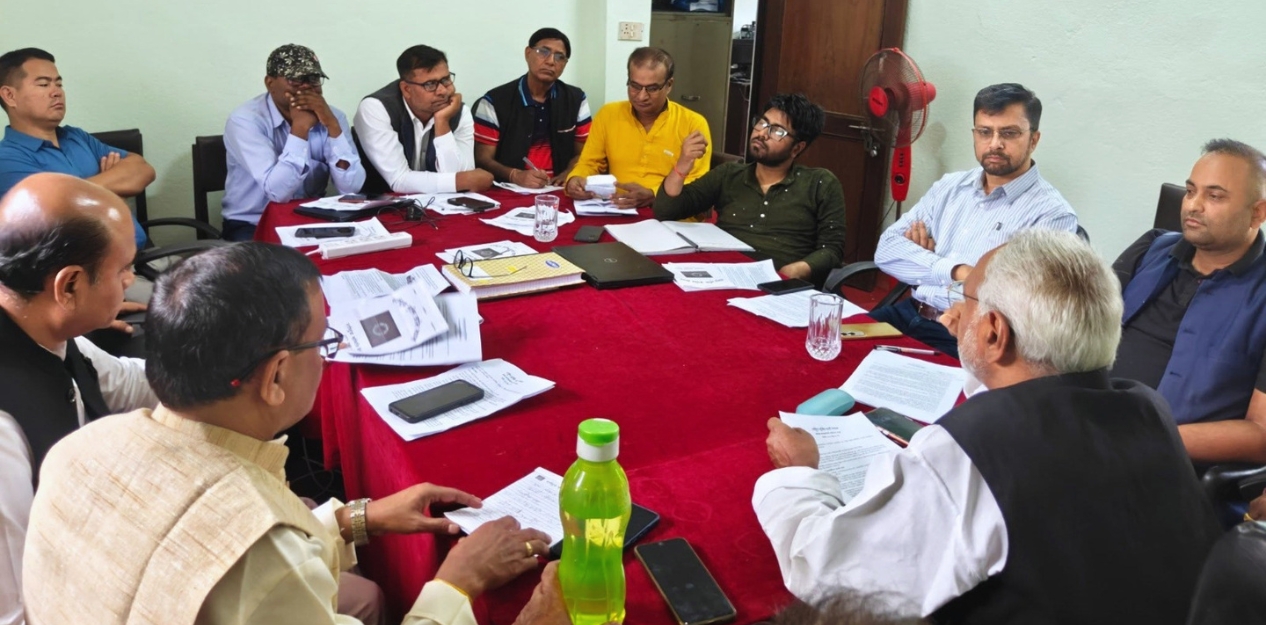
JANAKPURDHAM – For the first time since the 1991 general election, there is no representation of any Madhesh-centric party in the House of Representatives through direct elections. They failed to win a single seat in the first-past-the-post (FPTP) category and also could not cross the three percent threshold under the proportional representation (PR) system.
Out of the 32 electoral constituencies in Madhesh Province, the Rastriya Swatantra Party (RSP) won 30 seats, while the Nepali Congress and the Nepali Communist Party won one seat each. Under the proportional representation system, only six parties, including RSP, secured seats in the House of Representatives. Madhesh-centric parties, including the Janata Samajbadi Party (JSP) Nepal and the Janamat Party, remain outside the House of Representatives.
This does not mean there is no representation of the Madhesi community in the House of Representatives. According to the Election Commission, members of the Madhesi community account for 16.73 percent of the newly elected House of Representatives. However, the institutional presence of parties that made Madhesh’s identity, federalism, inclusiveness, and rights their primary political agenda has become zero.
Leaders of Madhesh-centric parties state that political issues surrounding Madhesh have weakened due to this absence. RSP leaders, on the other hand, claim that their lawmakers elected from Madhesh will raise issues of political rights alongside development.
From promises of strong Federalism to dissolution of the Provincial Assembly
Before the election, RSP held its first major election rally at Tirhutiya Gachi in Janakpurdham. At that time, Balendra Shah, who was the prime ministerial candidate, pledged to empower the province and make it stronger.
He stated that the situation where citizens of Madhesh had to rush to Kathmandu to ask for rights would be brought to an end, and if they were to visit Kathmandu, it would only be to visit Pashupatinath and Swayambhunath. His remark excited voters in Madhesh who were seeking effective implementation of federalism.
In that election, RSP won 30 out of the 32 seats in Madhesh Province. Older Madhesh-centric parties were defeated.
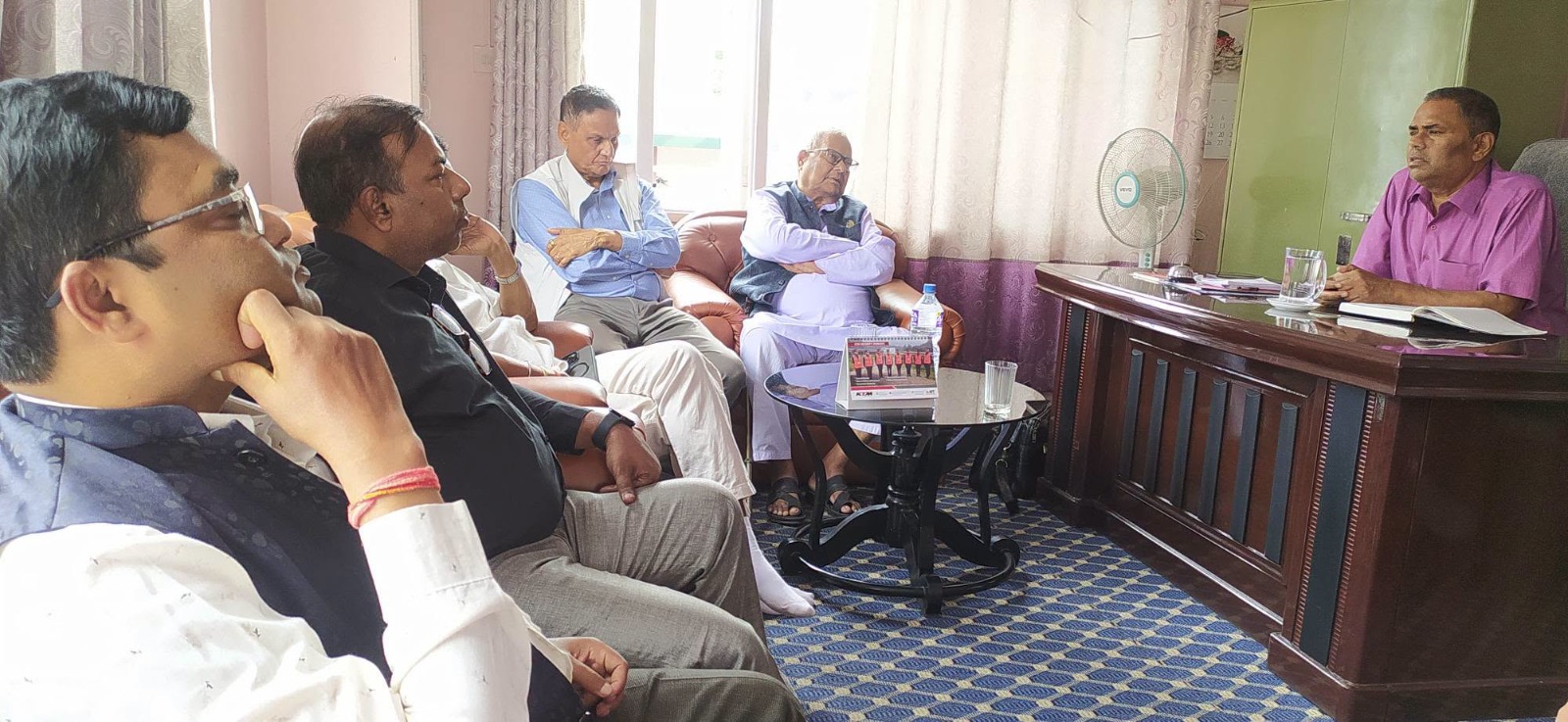
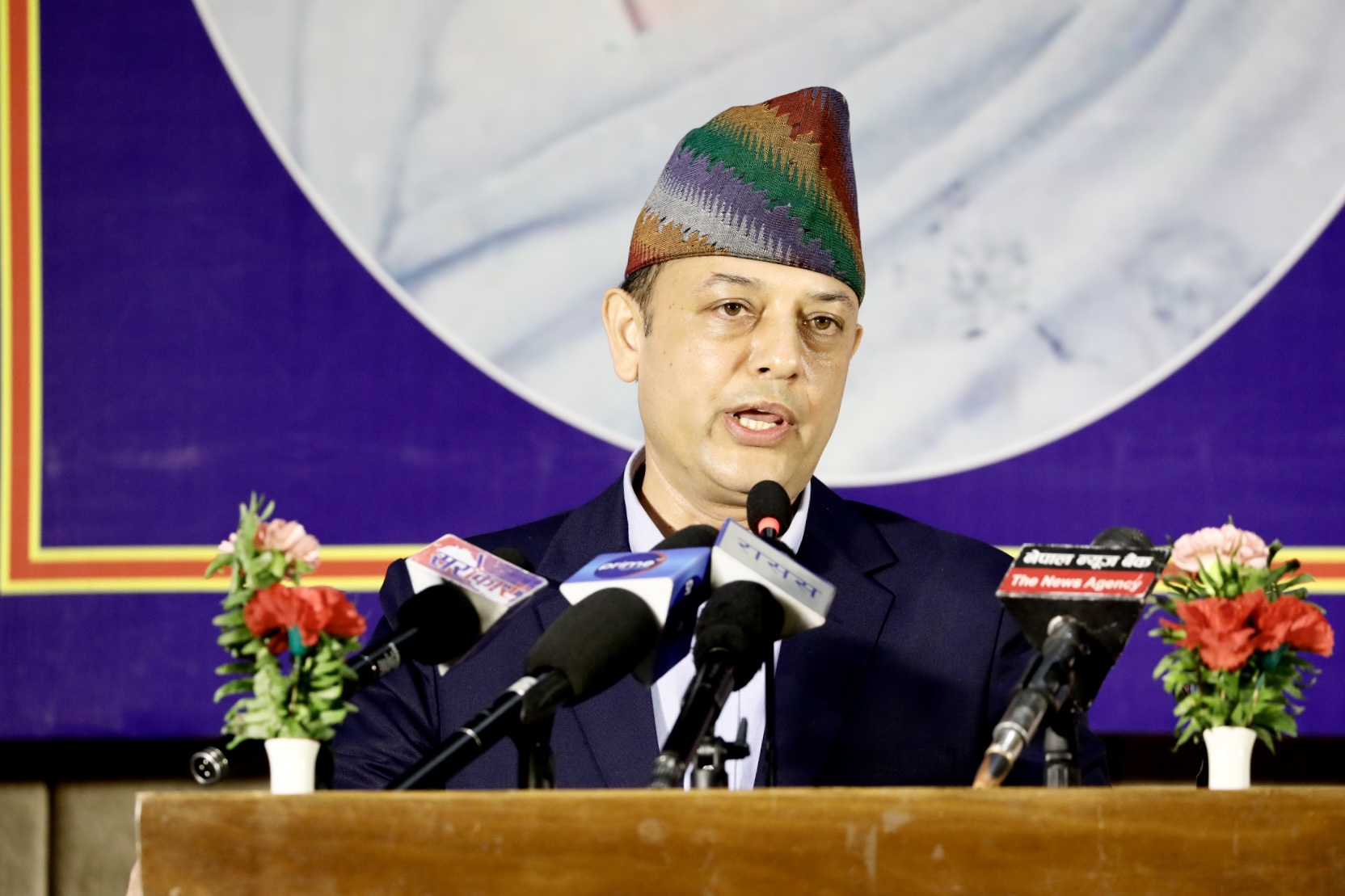
JSP President Upendra Yadav discussing party activities with leaders.
However, after a concept to dissolve the provincial assembly was included in the political-economic proposal presented at RSP’s first general convention, questions have been raised regarding its electoral commitments in Madhesh. RSP General Secretary Bipin Acharya stated that the dissolution of the provincial assembly is not the party’s official political stance. Madhesh-centric parties have viewed the proposal as a step contrary to election promises.
CK Raut, Chairman of the Janamat Party, commented that bringing forward a proposal to dissolve the provincial assembly after winning the election on the promise of strengthening the province is political dishonesty. “While asking for votes, it was said that the province would be strengthened and there would be no need to go to Kathmandu to seek rights,” Raut wrote on social media. “Bringing an agenda to dissolve the provincial assembly after nearly effecting a clean sweep in Madhesh on the basis of that promise is a betrayal of the people.”
Leaders of Madhesh-centric parties say that because the federal system was established through the movement and sacrifice of Madhesh, any attempt to weaken its structure is unacceptable.
Incomplete laws, growing mistrust
The government led by Prime Minister Shah had released a 100-item agenda on governance reform. However, leaders in Madhesh Province complain that no concrete timeline was made public regarding the implementation of federalism, including the adjustment of the provincial police force.
After forming the government, Prime Minister Shah held discussions with the Chief Ministers of all seven provinces. During the discussions, Chief Minister of Madhesh Province Krishna Prasad Yadav stated that maintaining law and order was difficult without a provincial police force and that the province could not function according to the Constitution due to the absence of necessary federal laws.
Chief Minister Yadav says that no concrete progress has been seen even after that. He mentioned that preparations are underway to meet the Prime Minister with an all-party delegation to press for the implementation of federalism and police adjustment.
He states that the Madhesh Province government has even allocated funds in the current fiscal year’s budget for preparations related to police recruitment.
With Madhesh-centric parties outside the House of Representatives and the ruling party putting forward a proposal to abolish the provincial assembly, concerns have grown among them that issues of federalism and rights will be further weakened.
Who will raise the issues of Madhesh?
JSP Nepal leader Upendra Mahato states that with the weakening of Madhesh-centric parties, political forces intolerant toward federalism have begun to become active. “Today, various parties are present in the House of Representatives, but there is no representation of Madhesh-centric parties,” he says. “Therefore, the demands, issues, and political rights of Madhesh have been overshadowed.”
He alleges that voters in Madhesh trusted RSP over the old Madhesh-centric parties, but the RSP members elected from Madhesh have failed to effectively raise issues of identity and rights. “Local development issues have been raised occasionally,” Mahato says. “However, the political demands and federal rights of Madhesh have not been raised in Parliament the way they should have been.”
RSP Madhesh Province President and House of Representatives member Tapeshwar Yadav rejects this allegation. He states that RSP has pushed forward solutions for the Postal Highway, the Kamala Bridge, and development projects that had been stalled for years. “We want to advance development and federalism side by side,” Yadav says. “We have initiated resolution processes for problems that previous parties could not solve for years. Issues regarding political rights will also be addressed gradually.”
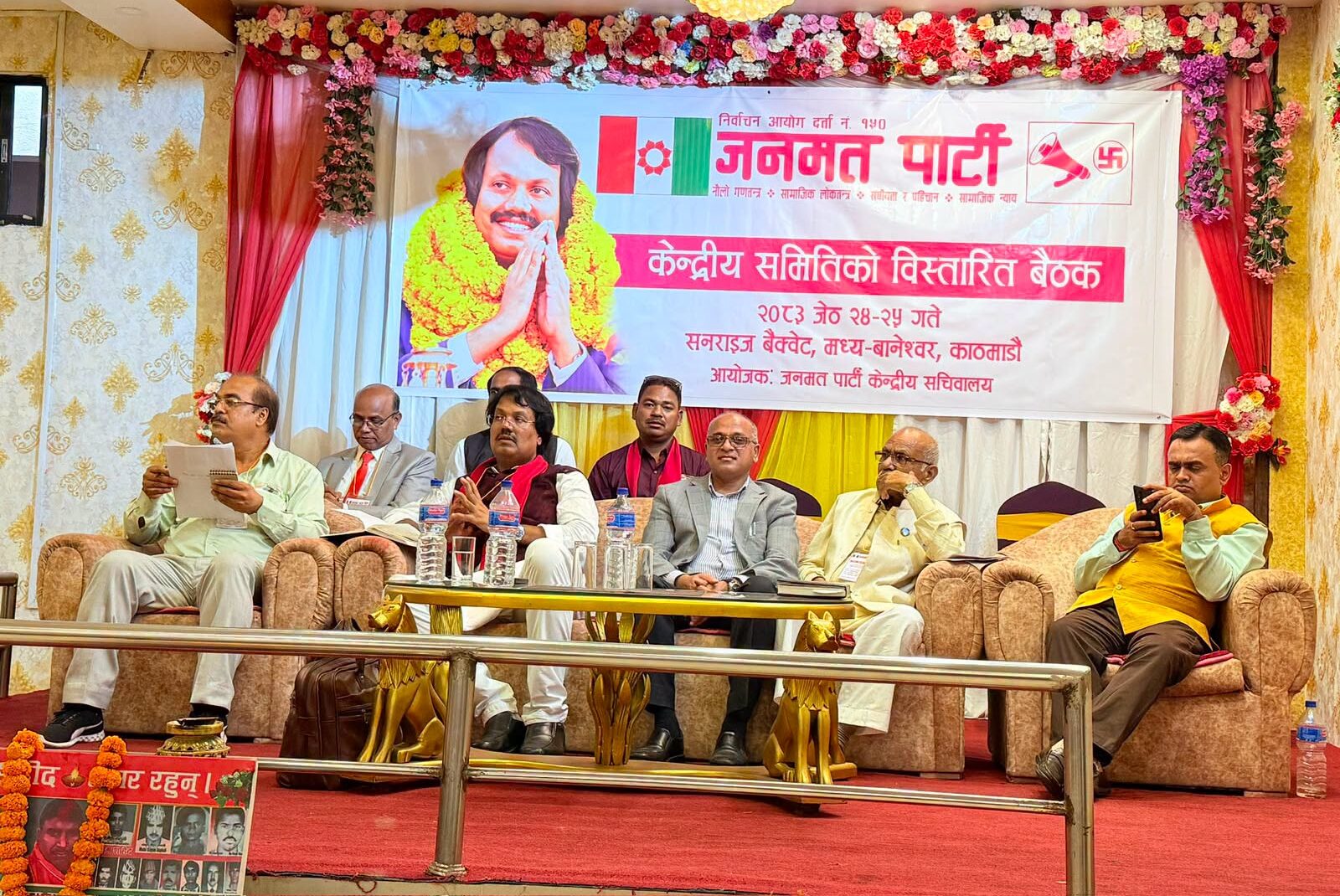
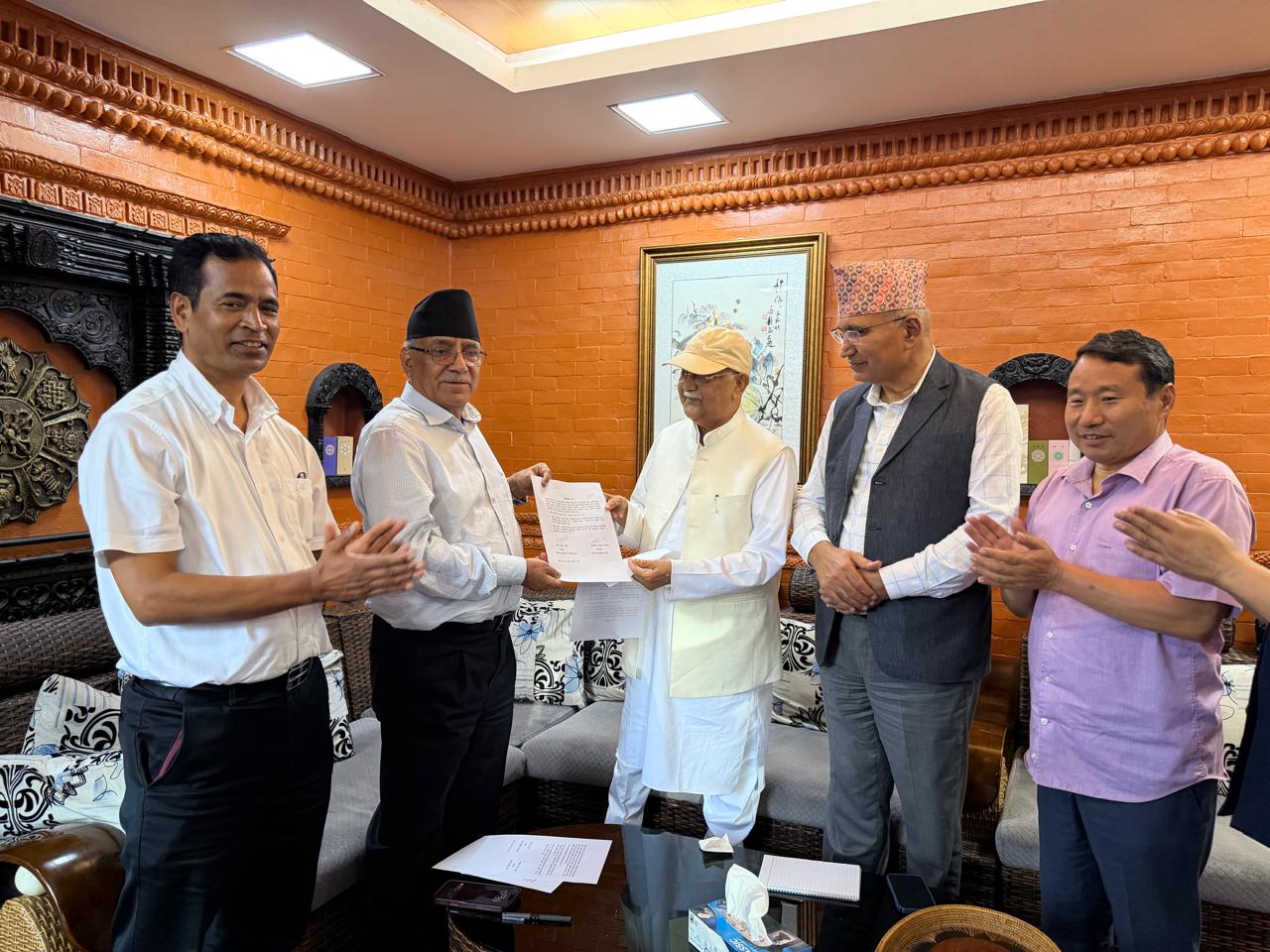
Leaders participating in the extended meeting of the Janamat Party. Facebook page of the concerned party
RSP argues that a party carrying a Madhesh-centric name is not necessary to raise the issues of Madhesh. However, Madhesh-centric parties maintain that development plans and political rights are distinct topics.
According to them, alongside roads, bridges, and infrastructure, questions of representation based on population, provincial rights, police adjustment, civil service management, citizenship, language, and identity must also be continuously raised in Parliament.
Fluctuations of Madhesh-centric parties in parliament
Following the restoration of the multiparty system in 1990, Madhesh-centric parties had a presence in the House of Representatives in some form in every election.
In 1991, the Nepal Sadbhawana Party won six seats. It secured three seats in 1994 and five seats in 1999.
The impact of the Madhesh Movement was visible in the first Constituent Assembly election in 2008. The Madhesi Jana Adhikar Forum Nepal, led by Upendra Yadav, secured 54 seats through direct, proportional, and nominated categories.
The Terai Madhesh Loktantrik Party led by Mahantha Thakur won 21 seats, and the Sadbhawana Party led by Rajendra Mahato got nine seats. In that election, Madhesh-centric parties emerged as decisive forces with agendas of federalism, proportional inclusion, and Madhesh autonomy.
Prior to the second Constituent Assembly election in 2013, those parties split. Although representation continued through the Madhesi Jana Adhikar Forum Democratic, Madhesi Jana Adhikar Forum Nepal, Terai Madhesh Loktantrik Party, Sadbhawana Party, Rastriya Madhesh Samajbadi Party, and other smaller parties, their power diminished.
In the 2017 House of Representatives election, the Rastriya Janata Party Nepal and the Sanghiya Samajbadi Forum entered Parliament as major Madhesh-centric forces.
In 2022, JSP Nepal, Loktantrik Samajbadi Party, and Janamat Party were represented in the House of Representatives. However, in the latest election, none of these parties won a direct seat. Although JSP Nepal received 182,285 votes and the Janamat Party received 79,435 votes under the proportional system, they failed to cross the three percent threshold.
Reorganization efforts following defeat
After being left without seats in the House of Representatives, Madhesh-centric parties are making efforts toward unification, alliances, and organizational rebuilding.
Even though a unification took place before the election between the Loktantrik Samajbadi Party led by Mahantha Thakur and JSP Nepal led by Upendra Yadav, the remaining organizational adjustments have not been completed.
Suresh Kumar Mandal, Secretary of JSP Nepal and former minister, states that after completing the remaining unification work, political resistance programs will be conducted. “We will go among the people,” he says. “We will launch campaigns in favor of federalism and identity while informing citizens about how their rights are being curtailed.”
Several young leaders active in various Madhesh-centric parties have prepared a campaign titled “Hunkar Madhesh.” Ram Kumar Sharma, former Chief Minister Satish Kumar Singh, Krishna Singh, and former minister Pradeep Yadav, among others, are active in the campaign.
Krishna Singh states that a new political force is required in Madhesh for federalism, rights, and identity. “Preparations are underway to conduct awareness campaigns in every district of Madhesh under youth leadership,” he says. “Two to three rounds of discussions have already taken place. Now it will be given a concrete shape.”
The Janamat Party has also decided to initiate efforts to form a “National Alternative Front” together with the Shram Sanskriti Party, Ujyaalo Nepal Party, and Pragatisheel Loktantrik Party. It has formed a dialogue task force coordinated by Narendra Prasad Chaudhary, with Jay Kant Raut and Pramod Kumar Gupta as members.
Basanta Kushwaha, Vice Chairman of the Janamat Party, states that although preliminary discussions have taken place with various parties, formal negotiations have not begun. He mentioned that the party is currently focusing on internal organizational strengthening.