Kathmandu
Monday, July 27, 2026





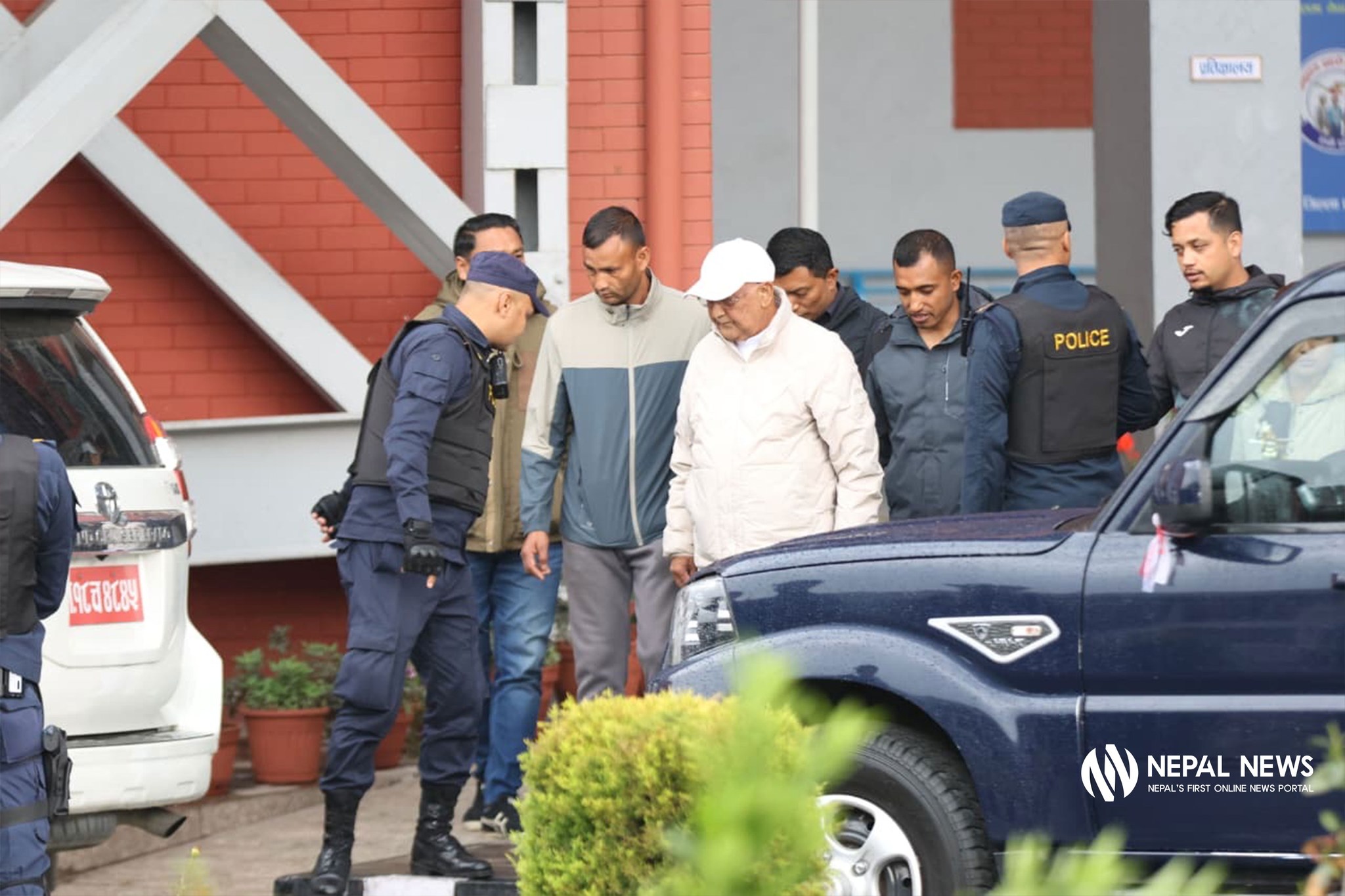
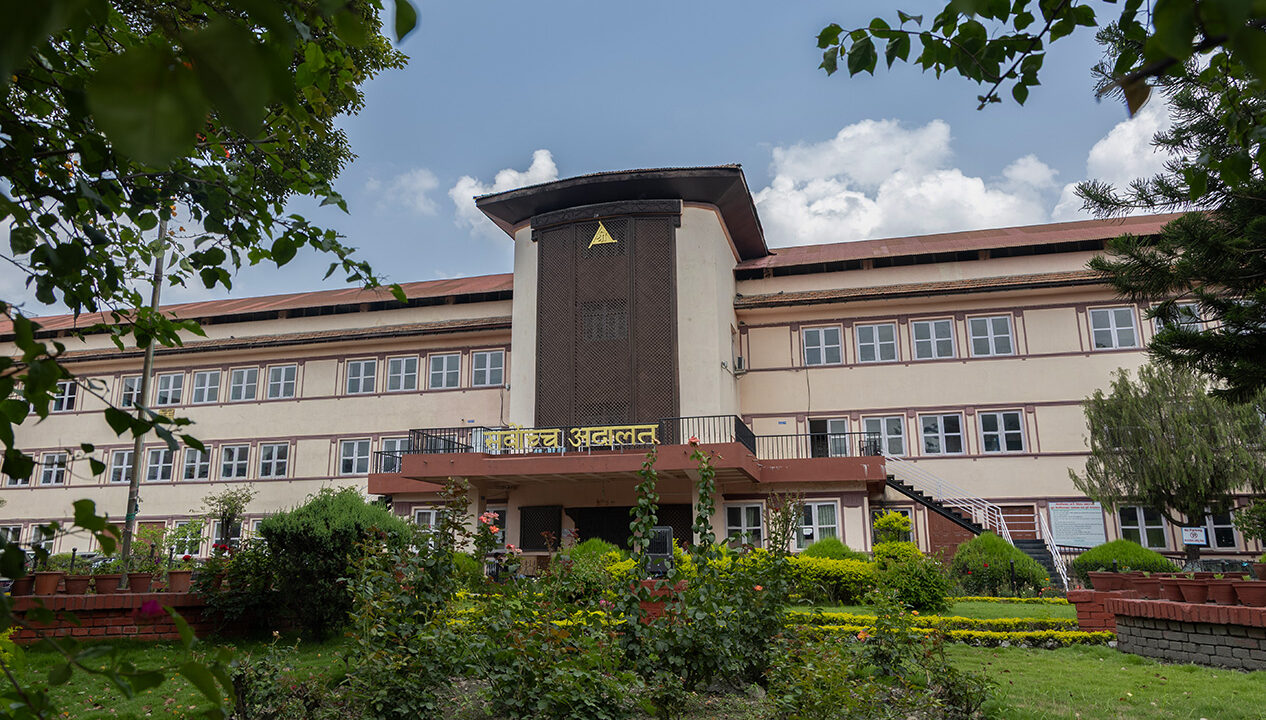
KATHMANDU: Supreme Court of Nepal has issued a mandamus instructing authorities not to further extend the detention of former Prime Minister KP Sharma Oli and former Home Minister Ramesh Lekhak. The order comes even as the court dismissed their habeas corpus petition on Monday, in a measured move that avoids direct intervention while asserting judicial oversight.
The two-judge bench of Binod Sharma and Sunil Pokharel acknowledged that the District Court in Kathmandu had already granted a third five-day extension on Sunday, which would expire on Wednesday. The Supreme Court’s mandamus empowers authorities to decide the next steps within this period or, if unresolved, take all necessary action thereafter.
The ruling clarified that the previous extensions, granted in the course of criminal investigation, cannot be deemed unlawful. “The detention in judicial custody, extended for investigative purposes, cannot be considered contrary to law. Therefore, the petitioners’ request for immediate release could not be granted,” the court verdict noted.
The Supreme Court also cited completed investigative steps/such as the recording of statements and other procedural work-as grounds to bar further remand. The decision effectively signals that while the legal process will continue, prolonged detention is no longer justified.
It is a very carefully balanced ruling, the Supreme Court of Nepal has rejected the habeas corpus petition filed by former Prime Minister KP Sharma Oli and former Home Minister Ramesh Lekhak, while simultaneously closing the door on any further extension of their detention from the Kathmandu district court.
The decision stops short of ordering their immediate release. Yet, by issuing a mandamus that bars additional remand, the court has effectively shifted the momentum of the case. The message is subtle but significant: the investigation may continue, but prolonged custody will not.
As Balen Shah rises to power on the back of a near two-thirds majority-led by the Rastriya Swatantra Party with 182 seats-the national conversation has shifted from simply forming a government to confronting the deeper implications of a “supermajority.” In Nepal’s parliamentary system, the difference is decisive: while 138 seats secure control, crossing the 184-seat threshold unlocks sweeping constitutional authority-ranging from removing top officials to reshaping key institutions including judiciary.
In such a landscape, concerns over the erosion of checks and balances grow sharper. A two-thirds majority in the federal parliament not only consolidates political dominance but also expands the government’s reach into judicial and constitutional domains, raising questions about institutional independence. The today evening ruling by the Supreme Court of Nepal in the case involving KP Sharma Oli and Ramesh Lekhak-where the court avoided a decisive intervention-has only intensified that debate, reflecting a judiciary navigating cautiously amid a shifting balance of power.
Senior advocate Tikaram Bhattarai, who represented Oli, described the order as a signal rather than a direct intervention. Had the court found the detention unlawful, it could have ordered their immediate release. It chose not to. Instead, it allowed the legal process to proceed, but within stricter limits set by the judiciary.
At the heart of the ruling lies Section 15 of the National Criminal Procedure Code 2017, which gives investigating officers the authority to release a detainee if continued custody is deemed unnecessary. The provision allows release on bail, personal guarantee, or under supervision, with the consent of the government attorney. By invoking this section, the court has opened a legal pathway for release without directly ordering it.
The responsibility now rests with the investigating officer at the District Police Range Kathmandu. Deputy Superintendent of Police (DSP) Raju Adhikari, in coordination with the District Government Attorney’s Office, holds the discretion to decide whether continued detention is justified. The latest five-day extension-granted for the third time just a day earlier-runs until Thursday. But the Supreme Court’s order makes it clear that authorities do not have to wait until the deadline. If agreement is reached with the government attorney, Oli and Lekhak can be released even before the remand period expires.
The ruling reflects a broader judicial approach- one that avoids direct interference while subtly reshaping the boundaries of executive action. By rejecting the petition yet restricting further detention, the Supreme Court has preserved the investigation while preventing indefinite custody.
For Oli and Lekhak, the legal battle continues, but under a tighter timeline. For investigators, the court has set a clear expectation: proceed with the case, but do so within the limits of law-and without delay.