Kathmandu
Friday, June 19, 2026






KATHMANDU: Nepal News presents today’s snapshot of Nepal’s economic activities. Get quick updates on major market movements, policy shifts, and financial developments shaping the economy of Nepal. Here are the key economic highlights for today:
NRB Introduces Regulatory Sandbox for Fintech Testing
Nepal Rastra Bank (NRB) has introduced its first Regulatory Sandbox, allowing banks, payment companies, remittance firms, and fintech startups to test innovative financial products under regulatory supervision before full-scale launch. The framework, effective from May 14, 2026, permits live trials of services such as digital lending, mobile payments, digital KYC, cybersecurity tools, and embedded finance solutions. Testing can run for up to six months, extendable by another six months, with temporary relief from certain regulatory requirements while maintaining strict rules on data security, anti-money laundering, and customer protection. NRB said the initiative aims to encourage fintech innovation, expand financial inclusion, and support the safe development of Nepal’s digital financial sector.
NEPSE Gains 1.63 Points, Turnover Reaches Rs 4.53 Billion
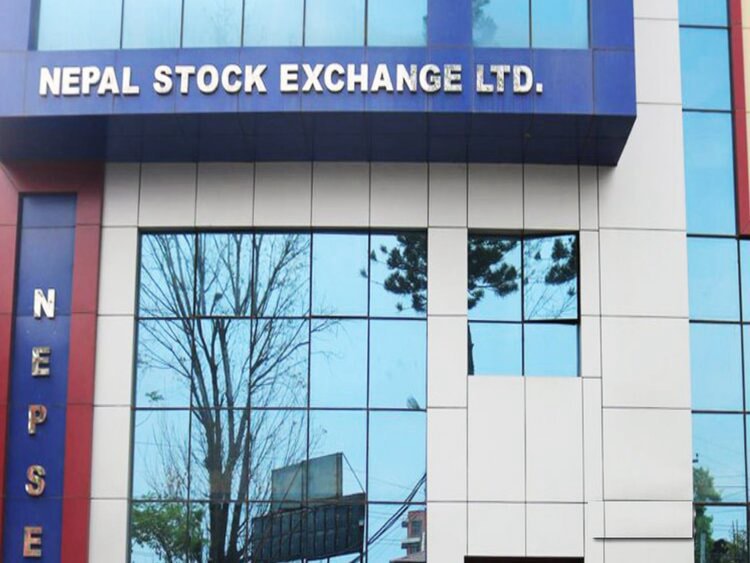
The Nepal Stock Exchange (NEPSE) index rose by 1.63 points on Friday to close at 2,702.11, while the Sensitive Index edged up 0.31 points to 463.98. A total of 10.92 million shares of 353 companies were traded through Rs 4.53 billion worth of transactions. Share prices of 116 companies advanced, 140 declined, and 17 remained unchanged. Global IME Bank Debenture 2030/31 led turnover, followed by Global IME Bank Debenture 2027/28, Sopan Pharmaceuticals, Ankhu Khola Hydropower, and United Modi Hydropower. Top gainers included Apollo Hydropower, Sopan Pharmaceuticals, Support Microfinance, Reliance Finance, and Gurans Laghubitta, while Bungal Hydro, Aatmanirbhar Laghubitta, Citizens Bank Debenture, Siddhartha Investment Growth Scheme, and Salpa Bikas Bank were among the biggest losers.
Ministry Reopens Power Purchase PPA Inking for Small Hydropowers
The Ministry of Energy, Water Resources, and Irrigation reopened commercial Power Purchase Agreement (PPA) signings for small-scale hydroelectricity projects under 10 megawatts. The policy shift aims to encourage domestic clean energy investments and protect private developers using ‘Take or Pay’ purchase contracts. National utility registration records show 23 operational projects under 1 megawatt currently generate 17.65 megawatts, while 59 pending generation plant surveys represent an additional 50 megawatts. Furthermore, the ministry arranged for storage-type private projects to float 40 percent in Initial Public Offerings (IPO) during their opening year, supported by 50-year corporate operation licenses.
Nationwide Tea Protest Spreads to 99 Large Factories
A total of 99 tea processing plants shut down operations across Nepal in solidarity with the Suryodaya Orthodox Tea Producers Association’s trade protest against export restrictions. The industrial shutdown originally started with 53 factories on June 15, expanding on Thursday to include 30 factories in Ilam and Jhapa, alongside 16 facilities across Panchthar, Bhojpur, and Kaski. Protesting businesses sent a formal petition to Prime Minister Balen Shah, demanding urgent diplomatic intervention to resolve border blockades. Currently, over 200,000 kilograms of finished tea are blocked in Indian border warehouses, while over 700,000 kilograms remain stranded inside domestic factories.
ADB Approves $115 Million Loan to Nepal
The Asian Development Bank (ADB) has approved a concessional loan worth USD 115 million to improve water supply and sanitation in Nepal’s municipalities. The ADB stated that more than 850,000 citizens across 13 districts will benefit from the Integrated Water Supply and Sewerage Management Project. According to the ADB, the project is expected to play a key role in expanding access to drinking water and managing sewerage and wastewater. “Rapid urbanization in Nepal is placing excessive strain on urban areas, leaving many communities deprived of drinking water and basic healthcare facilities,” said Arnaud Cauchois, ADB Country Director for Nepal. “With this project in operation, we hope to further enhance access to clean drinking water and sanitation,” he added.
South Korea Pledges Rs 1 Billion for Terai Rice Projects
The government of South Korea, through the Korean International Cooperation Agency (KOICA), signed a six-year bilateral agreement to provide Rs 1.81 billion in grants to boost climate-resilient rice production across the Terai plains. The agricultural project runs from 2026 to 2031 across Banke, Bardiya, Dang, Kapilvastu, Kailali, and Kanchanpur districts. The grant deal was signed on Thursday by KOICA Country Director Mooheon Kong and Joint Secretary Hari Bahadur KC. Technical assistance will be provided by the Nepal Agricultural Research Council and the International Rice Research Institute to bolster food security.
House approves Finance Bill 2026
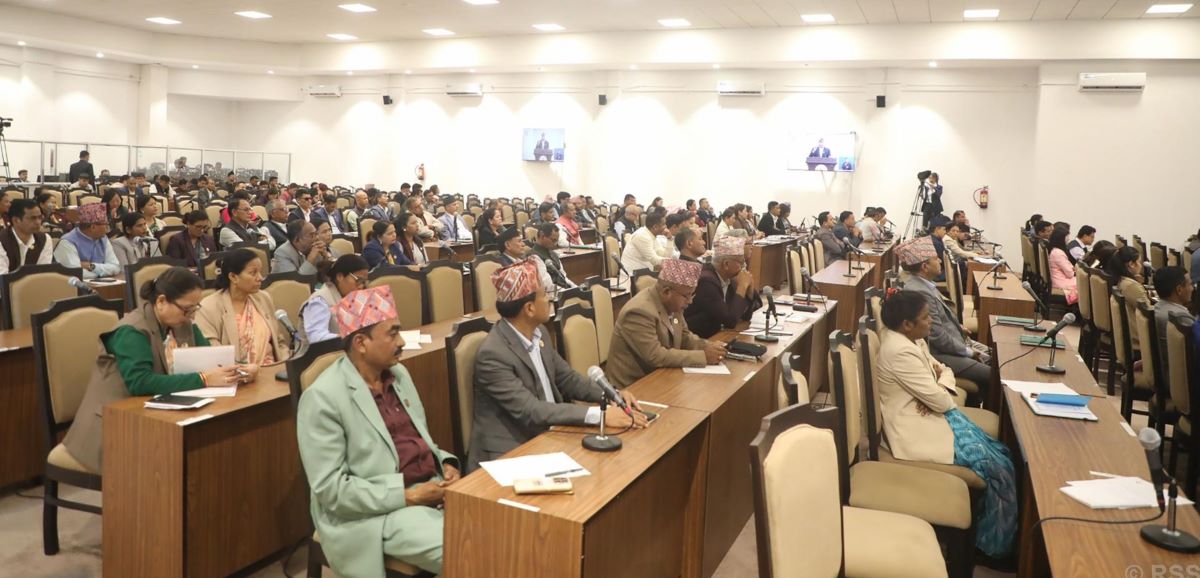
The House of Representatives on Thursday approved the proposal to consider the Finance Bill, 2026, with Finance Minister Swarnim Wagle presenting the motion. Responding to lawmakers during the discussion, Dr. Wagle said taxes collected by the state are deposited into a consolidated fund and allocated according to national priorities, making separate funds unnecessary. He noted that individuals earning up to Rs 1 million annually receive income tax exemptions and said tax policies are designed to support long-term economic growth. The minister said the budget balances a liberal economy with social justice, while promoting good governance, economic formalization, and modernization of the electricity sector. He also clarified that welfare programs targeting poor and marginalized communities have not been reduced in the new budget.
Agriculture Ministry Forms Taskforce to Probe 10 Years of Subsidies
The Ministry of Agriculture, Forestry, and Climate Change formed a five-member investigative taskforce to review agricultural and livestock development subsidies distributed over the past decade. Headed by Joint Secretary Badri Prasad Dahal, the panel was given a strict six-month deadline to investigate grant distributions issued since the 2015/16 fiscal cycle. The evaluation follows public concerns that state grants failed to reach marginal farmers due to weak tracking. The committee must complete comparative gap analyses and submit progress briefings to the ministry secretariat two times every month to improve financial transparency.
Madhesh Reports 13% Capital Budget Spending
The Madhesh Province government recorded critical delays in capital infrastructure spending, utilizing just 13.76 percent of its capital allocations one month before the fiscal year ends. According to data tracked from mid-July 2025 to mid-May 2026, the provincial treasury disbursed only Rs 9.98 billion out of its total Rs 46.983 billion operational budget. Financial records show recurrent spending reached 36.22 percent, while total budget mobilization stood at 21.24 percent. Administrative agencies faced execution challenges following institutional destruction during political protests on September 8 and September 9, 2025, coupled with leadership shifts.
Sudurpashchim Earmarks Funds for Kanchanpur Sports Infrastructure
The Sudurpashchim Province government allocated targeted infrastructure development funding to expand sports centers across Kanchanpur for the upcoming fiscal calendar. The athletic project plans allocate Rs 10 million to construct a mini-stadium in Dhodhara Chandani-2 and Rs 3 million for a futsal arena in Ward 8. Additional spending plans include Rs 5.3 million for the Kanchanpur Football Association building, Rs 2.2 million for a karate hall, and Rs 1.9 million for an indoor cricket hall, complementing Rs 30 million in federal funding.
Bardibas Offers Rs 51K for Women Marrying After Legal Age
The Bardibas Municipality, Mahottari, introduced a social welfare scheme during its 18th municipal assembly, offering Rs 51,000 in cash incentives to women who marry after reaching the legal age of 20. The financial reward plan aims to reduce illegal child marriage practices and increase statutory age awareness across the 14 wards of the district. While 13 local wards were formally declared child-marriage-free zones, child marriages remain common within marginalized communities like the Musahar ethnic group. To combat this trend, municipal leadership decided that both grooms and brides from the Musahar community will receive cash incentives.
Lalitpur Pursues Long-Term Waste Solutions
Lalitpur Metropolitan City’s Mayor Chiri Babu Maharjan unveiled the city’s strategic action plan, prioritizing solid waste management and public transit upgrades. Serving as the chairperson of the Kathmandu Valley Mayors’ Forum, Maharjan initiated multi-tier policy dialogues with federal and provincial authorities to design long-term garbage disposal structures. To address regional transit demands, the administration is coordinating cross-border transport projects ranging from dedicated bicycle lanes to urban monorails. Additionally, to reduce municipal dependence on the Melamchi water supply grid, engineers began planning infrastructure networks to divert 130 million liters of daily drinking water from the Sisneri River.
Power Cut Interventions Hit Hetauda Industrial Area Factories
Industrial Districts Management Limited extended its strict enforcement drive by disconnecting power lines across non-paying factories operating inside the Hetauda Industrial Area. Utility disconnection teams cut off power lines to 50 industrial plants on Thursday before continuing disconnections today. Utility technicians disconnected lines across factories that failed to settle long-standing land lease arrears, targeting 131 small and large manufacturing operations listed as defaulters. While electrical lines were reconnected to 12 factories after owners cleared their pending financial dues, authorities confirmed that the operational shutdowns will continue until all outstanding land rent liabilities are fully recovered.
Pokhara Estate Tenants Clear Arrears Amid Severe Power Cuts
The Pokhara Industrial Estate Management Office disconnected electricity lines across 21 factories to enforce the recovery of Rs 41.1 million in land lease debts. The aggressive debt collection drive prompted industrial tenants to clear Rs 36 million in outstanding arrears, resulting in the immediate utility reconnection of 13 compliant factories. The property rent conflict began when annual leasing tariffs were raised from Rs 8,300 per ropani up to Rs 18,500 per ropani. Disconnected firms criticized the utility cuts, noting that the corporate land lease lawsuit remains under judicial review at the Supreme Court until July 23.
KMC Mayor Sunita Dangol Slashes Rental Taxes by 10%
Acting Mayor Sunita Dangol presented the new capital city budget, introducing tax rate modifications and a 10 percent discount incentive for compliant taxpayers. The Kathmandu Metropolitan City (KMC) adjusted real estate levies, slashing residential rental tax rates from 10 percent down to 7 percent for landlords generating an annual rental income exceeding Rs 240,000. Landlords earning below that threshold will pay 5 percent. To expand the capital’s fiscal net, the metropolitan administration will waive late penalization fees for property owners who settle outstanding tax debts before the end of the current fiscal year.
Traffic Violations Generate Rs 2.2 Million in 24 Hours in Capital
The Kathmandu Valley Traffic Police Office penalized 2,556 motorists for violating transit safety laws within a 24-hour window, generating more than Rs 2.2 million for the state treasury. Enforcement units targeted multiple traffic offenses, penalizing 106 individuals for driving under the influence, 154 for operating unauthorized ride-sharing services, 107 for violating traffic signals, and 183 for speeding. Additionally, officers booked 97 drivers for lane violations, 109 for using horns in prohibited zones, 98 for sidewalk parking, and 30 for operating mechanically deficient vehicles. The crackdown forms part of wider traffic management and safety drives across the capital.
Pokhara Tables Rs 7 Billion Annual Budget
Deputy Mayor Manju Devi Gurung tabled a Rs 7.15 billion annual budget for Pokhara Metropolitan City, splitting the funds into 45 percent for recurrent spending and 55 percent for capital projects. The fiscal plan relies on Rs 2.61 billion in federal conditional grants, Rs 493.7 million in federal equalization grants, and Rs 2.487 billion from internal revenues. Provincial support accounts for Rs 91.5 million in fiscal transfers, while Rs 724 million was directly earmarked to fund grassroot neighborhood projects across municipal wards.
Substation Construction Completed to Optimize Power in Kanchanpur
The Nepal Electricity Authority finalized construction and launched a new 33/11 KV, 6/8 MVA substation facility inside the Punarbas Municipality of Kanchanpur. The utility network activation resolved historical low-voltage problems and regular supply interruptions, directly benefiting 18,000 regional consumers. Project management previously terminated agreements with a private builder who failed to finish vital electro-mechanical installation work. Following those disruptions, the Belauri Distribution Center took charge of the infrastructure site, utilizing spare power transformers and hardware gathered from other central utility depots to rapidly complete the remaining electrical integration works.
United Ajod Insurance Declares Dividends for Corporate Shareholders
The Board of Directors of United Ajod Insurance approved a final dividend distribution plan for its shareholders using net profits accumulated during the previous fiscal year. Following an executive board session convened on Thursday, corporate leaders announced a 4.28 percent bonus share distribution based on the company’s existing paid-up capital structure. Additionally, the insurance firm allocated a 0.22 percent cash dividend package specifically designated to cover shareholder dividend tax liabilities. The proposed financial payouts await formal review and approval from the Nepal Insurance Authority before being presented for final endorsement during the upcoming annual general shareholder meeting.
Gold Traded at Rs 286,700, Silver at Rs 4,640 Today
The price of gold in the market crashed by Rs 10,500 per tola (11.66 grams) in a single day on Friday. According to the Federation of Nepal Gold and Silver Dealers’ Association, gold is being traded at Rs 286,700 per tola. Just the day before on Thursday, the precious metal had closed at Rs 297,200 per tola. In line with the gold slide, silver prices also witnessed a significant drop. Silver plunged by Rs 305 per tola, bringing its trading price down to Rs 4,640 per tola on Friday, compared to Thursday’s closing rate of Rs 4,945 per tola.