Kathmandu
Tuesday, July 21, 2026






KATHMANDU: Kathmandu Metropolitan City (KMC) has stated that with the removal of landless people’s settlements, there will be a reduction in river-related disaster incidents this year.
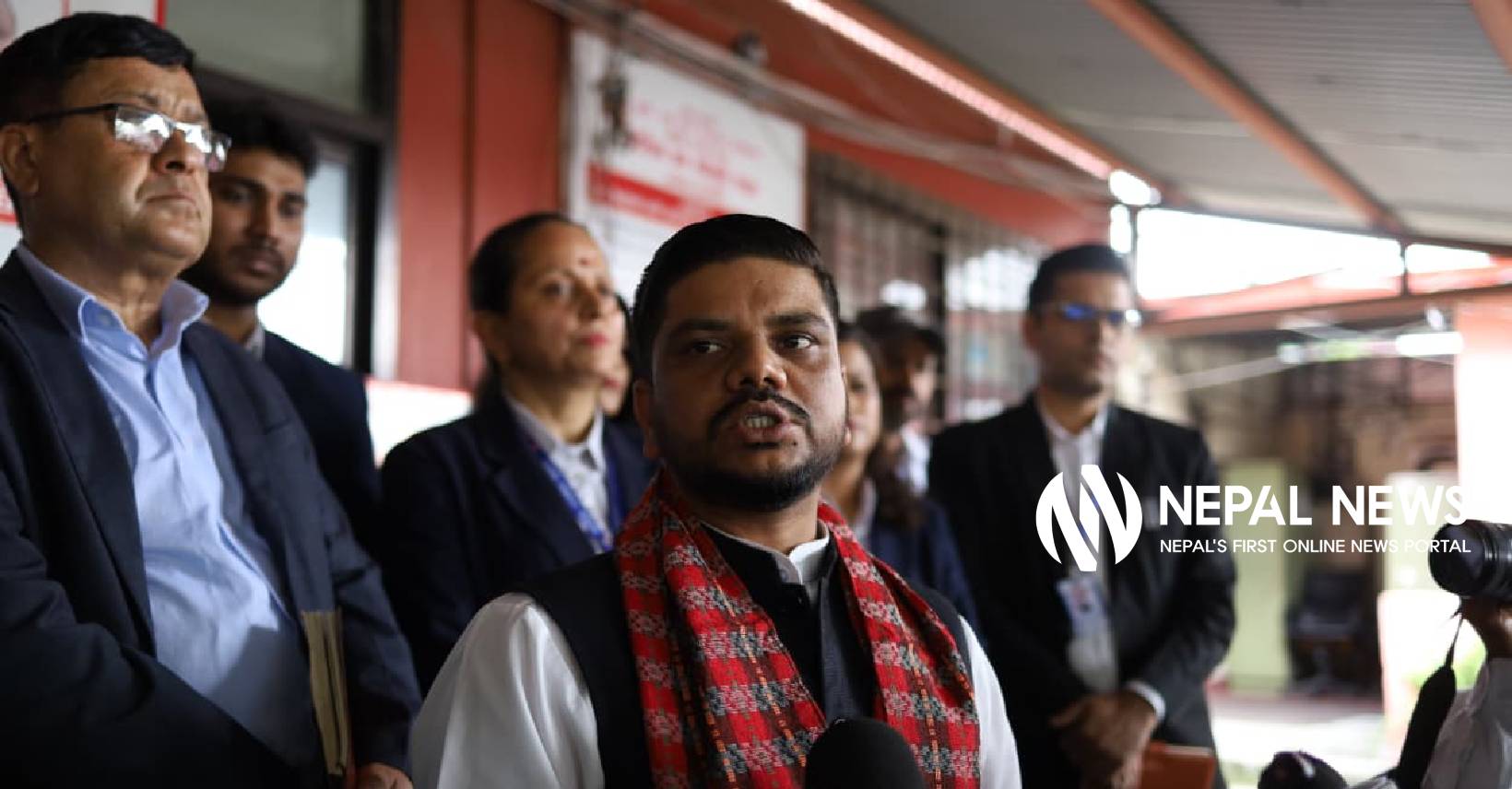
KMC City Police Senior Superintendent Bishnu Prasad Joshi informed that following the removal of citizens living along the riverbanks in areas around KMC-11, 14, 31, and 32, river-related disaster incidents are expected to decrease.
“In past years, flood-related incidents mostly occurred in areas near rivers. Now that the settlements in those areas have been removed, we believe that except for sporadic incidents in one or two places, river-related disasters will decrease this year,” he said.
According to him, caution will still need to be exercised in the area from Samakhusi to Khadipakha. Joshi informed that KMC has identified locations and formulated a strategic plan to minimize other water-related incidents that could occur during the monsoon season.
He stated that KMC has already worked to ensure that the plan covers preparedness for urban disaster risk reduction, management tasks to be carried out during disasters, post-disaster rehabilitation, ward and community-level capacity development, and coordination between internal departments and partners.
He also emphasized the need to build a participatory mechanism to make the city safe. The strategic plan strongly believes in the need to reduce risks through the development of collective knowledge, skills, and innovative thinking. He added that the implementation of the strategic plan will begin next year, and programs and budgets will be proposed accordingly.
Regarding disaster management, he stated that discussions have already been held on various preparedness mechanisms and how effective services can be operated through the relationship between those mechanisms and the municipality and ward levels.
“For ward-level disaster management, there is a need to bring policies that forecast infrastructure development-related risks and develop capacity at both KMC’s central and ward levels,” he said.
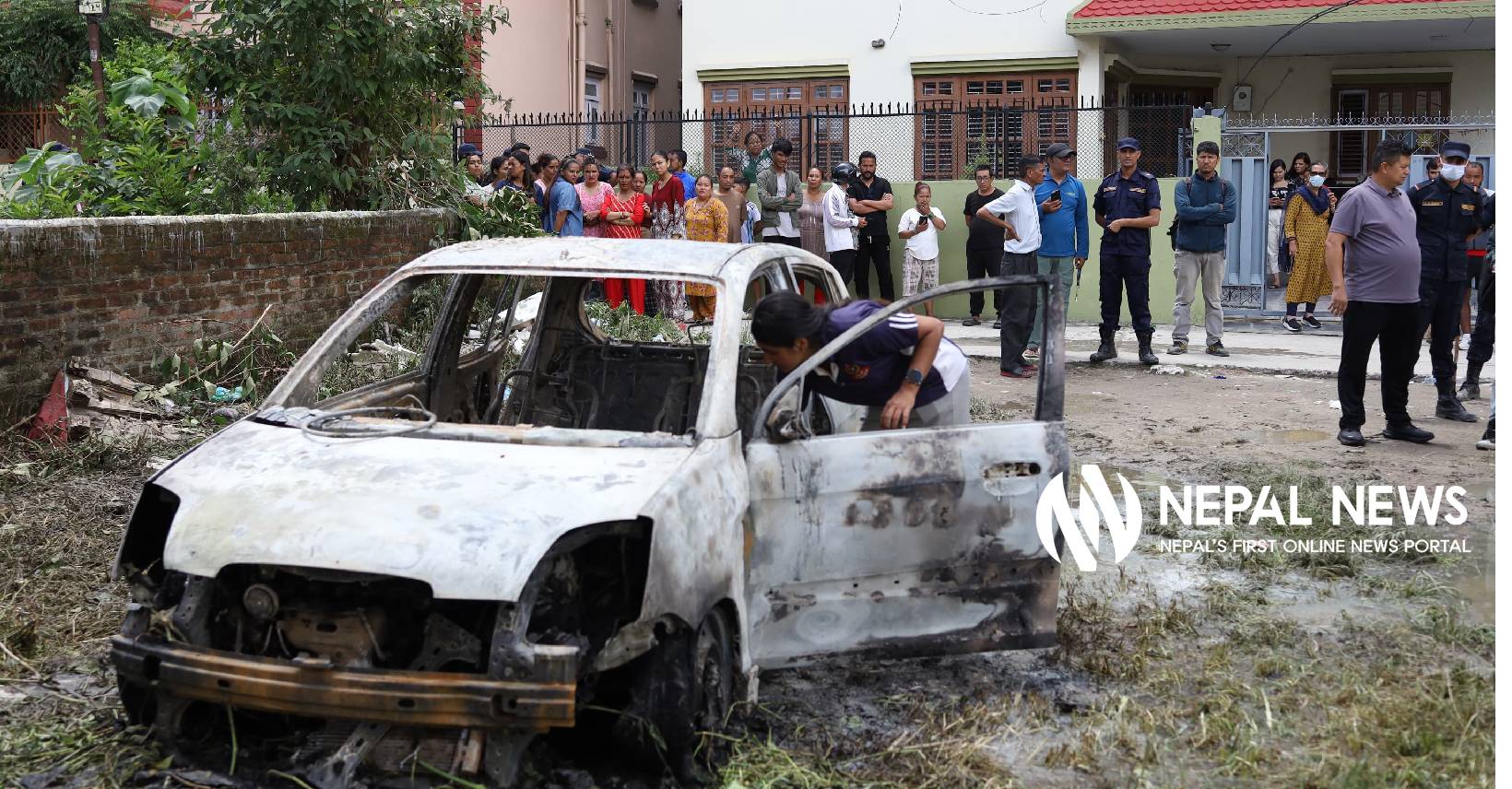
Stating that fire is the primary risk facing the city, Joshi noted that the risk of electrical fires is on the rise. “Within half a minute of receiving a fire report, fire engines depart from the station. However, due to traffic congestion on the roads, reaching the destination is difficult,” Joshi said.