Kathmandu
Monday, June 29, 2026





Why is H5N1 spreading into urban neighborhoods? What role are wild birds playing? Are eggs and chicken still safe to eat? This comprehensive explainer answers the biggest questions surrounding Nepal's worst avian influenza outbreak in years
KATHMANDU: The highly pathogenic H5N1 virus that began quietly devastating commercial poultry farms in eastern Nepal three months ago has transformed into a sprawling crisis now threatening urban communities in the Kathmandu Valley.
Technical teams from the Department of Livestock Services continue mobilizing in response to fresh outbreaks among backyard birds and small household flocks, while the country’s most visible wildlife facility, the Central Zoo, remains shuttered after confirming infections among its caged bird collections.
With nearly 600,000 birds culled, hundreds of thousands of eggs destroyed, and outbreaks now confirmed across 82 locations in 11 districts spanning the length of the country, what began as a regional agricultural emergency has evolved into a nationwide food security and economic disruption event.
The outbreak trajectory presents an alarming pattern. The virus first struck the farms of Sundarharaicha and Urlabari in Morang district on March 18, when poultry farmers reported sudden mass mortality. From that initial spark, the disease moved methodically westward through the densely stocked broiler and layer operations of Sunsari, then into Jhapa and Chitwan.
By late spring, it had established itself in the Terai’s Mahottari, Bara, and Nawalparasi districts. Then, in mid-June, it crossed the geographical divide and entered the Kathmandu Valley, where the terrain, density of animal-keeping, and proximity to urban wild bird populations created conditions for yet another explosion of infections.
What distinguishes the Kathmandu Valley outbreak from the agricultural crisis in the eastern Terai?
The Kathmandu Valley’s outbreak presents a qualitatively different challenge from the rural agricultural spreading that dominated March through May. In the Terai, outbreaks occurred primarily within registered commercial farming operations, farms with established boundaries, identified ownership, and measurable biosecurity infrastructure. While that biosecurity was frequently inadequate, it remained targetable by government culling and disinfection teams.
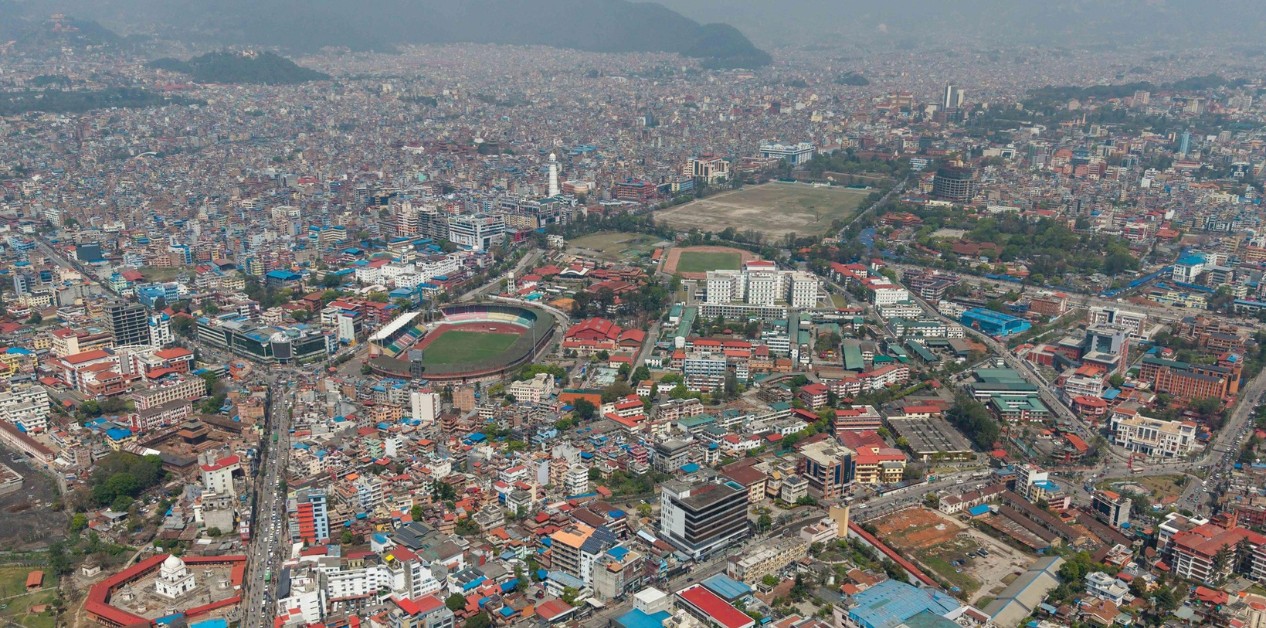
Aerial view of Kathmandu: Photo courtesy: Nepal Photo Library
The Valley’s spread involves something far harder to control: birds kept in small numbers in residential neighborhoods across Kirtipur, Chandragiri, Godawari, Changunarayan, and Suryabinayak, where individual households maintain flocks for eggs or local income. Unlike commercial farms where complete operational shutdowns are feasible, neighborhoods cannot be locked down.
Visitors, domestic workers, urban labourers, and residents move freely, making traditional containment measures less applicable. The cultural and economic logic differs too. A Valley household might keep five to twenty birds out of habit, food security, or modest income diversification. They lack the capital investment discipline of professional farmers.
When infection hits, the financial loss may seem manageable compared to abandoning the practice entirely. Some households report selling remaining healthy-looking birds to markets before authorities can intervene, accelerating transmission.
The Department of Livestock Services acknowledged this dynamic explicitly, noting that containment in densely populated urban and semi-urban areas differs fundamentally from managing commercial farm zones.
Why did the Central Zoo become a center of outbreak transmission?
The Central Zoo’s bird flu situation crystallizes several vulnerabilities in outbreak response at institutional level. The facility operates as a repository of wild and exotic bird species, including vulnerable populations like vultures, owls, cranes, and swans, alongside carnivores kept in captivity and fed raw meat.
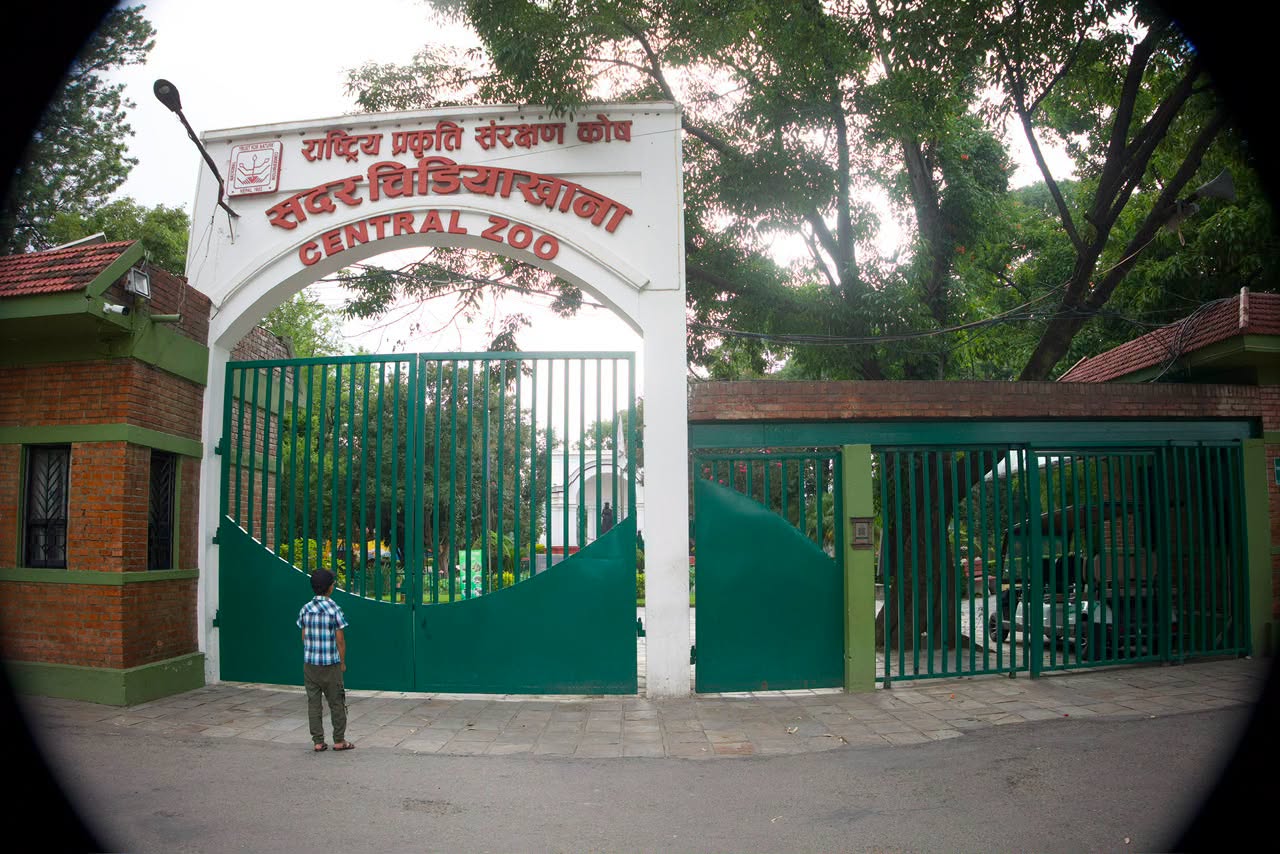
Central Zoo. File photo
On or around June 12-13, a dead crow appeared in the zoo’s enclosures, likely having flown in from surrounding Kathmandu neighborhoods where wild bird infections were already circulating among urban crow populations. The crow’s identification as infected required laboratory confirmation, a process consuming approximately 72 hours. During that interval, the zoo remained open to public visitors.
By the time closure occurred, the virus had spread to multiple bird species within the facility. Zoo officials later disclosed that scores of birds, including rare species in the zoo’s collection, succumbed to infection. Carnivores including leopards and tigers were also exposed, though infection rates among mammalian species remain incompletely documented. The incident raised uncomfortable questions about institutional coordination.
The zoo’s administrative body, the National Trust for Nature Conservation, and the Department of Livestock Services had different accounts of when initial deaths were detected and when closure should have been triggered.
The then-zoo chief was transferred to NTNC’s central office shortly after media reports alleged mishandling. The full sequence of decision-making and responsibility remains contested, but the outcome was unambiguous: a major public facility became temporarily a vector for urban bird flu spread.
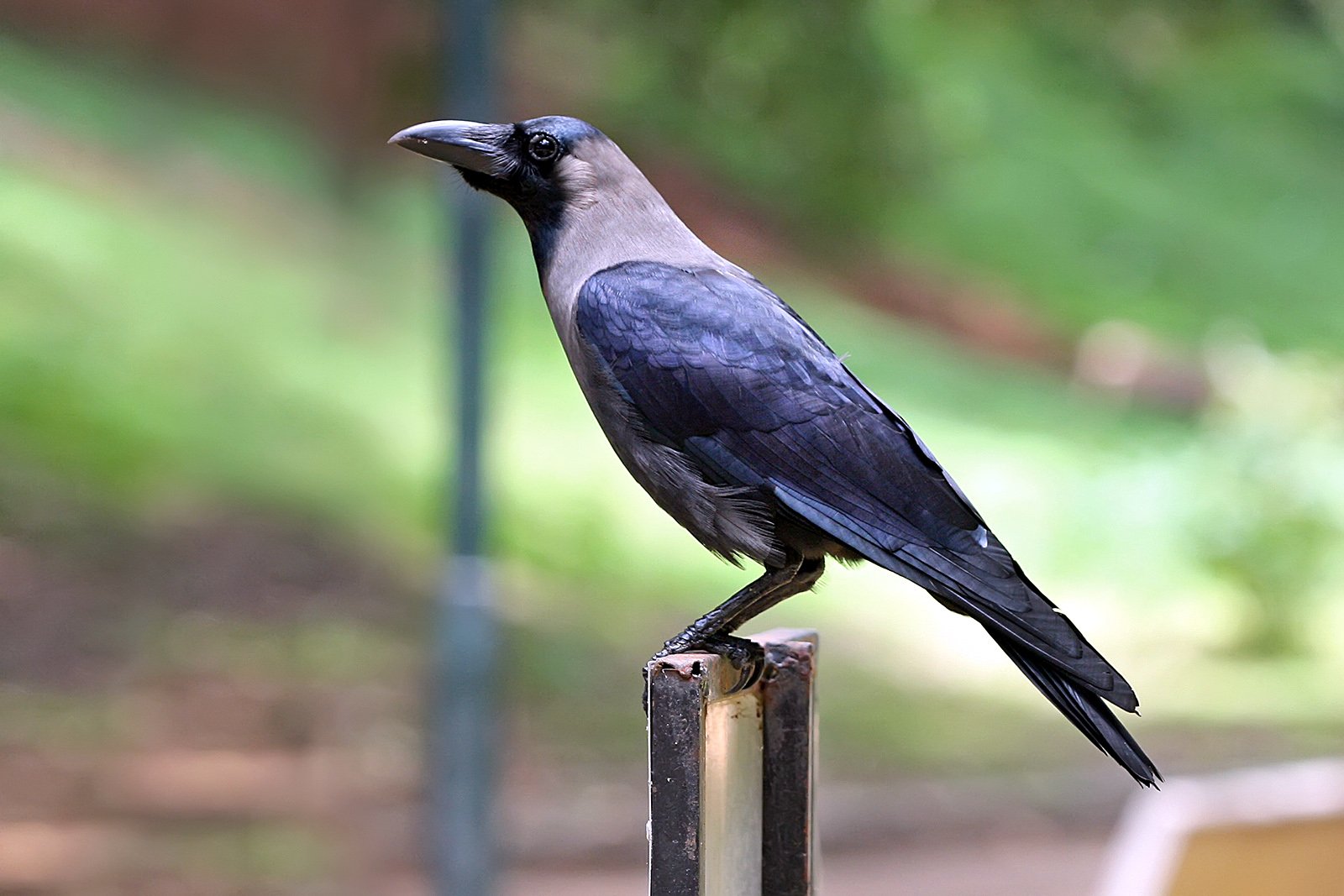
Crow
Has H5N1 in Nepal shown any signs of genetic modification that might increase human transmission risk?
The Department of Livestock Services initiated gene sequencing of the current outbreak strain in collaboration with the National Public Health Laboratory specifically to detect whether the circulating virus has undergone the types of genetic changes that increase mammalian transmissibility.
The clade 2.3.2.1a lineage currently identified in Nepal’s outbreak is the same strain previously associated with human infections in Bangladesh and Nepal between 2015 and 2019. Related variants have been detected in humans and cats in India during 2024 and 2025. International surveillance networks have documented gradual accumulation of mutations in various H5N1 clades over recent years, particularly involving changes to receptor-binding domains and other viral proteins that influence how efficiently the virus infects different cell types.
None of the available public findings from Nepal’s ongoing sequencing have indicated alarming mutations specific to human adaptation, but the investigation remains active. The public health significance lies in recognizing that while H5N1 remains primarily a bird pathogen, the evolutionary trajectory of the virus globally cannot be taken for granted.
Researchers working across South Asia have emphasized that sustained surveillance, particularly in situations where large numbers of birds are being culled and disposed of, provides the best early warning mechanism for concerning genetic changes before they manifest in human spillover events.
How much economic loss has the poultry industry absorbed so far, and who bears the cost?
Quantifying total economic loss from the 2026 outbreak requires adding multiple layers of damage across the poultry sector. The immediate loss category includes the market value of culled birds. At prevailing rates for broiler chickens (approximately Rs 120-150 per bird) and layer hens (considerably higher due to their longer productive lifespan, typically Rs 250-350 per bird), the loss of approximately 570,000 birds represents somewhere in the range of Rs 100-150 million in direct poultry value.
Add the destroyed eggs, which represents foregone production of a staple protein product, the disposed feed, the physical disinfection and cleanup costs, and the transport and labor costs of culling operations, and the direct visible losses likely exceed Rs 250 million. But visible losses tell only part of the story.
Many farmers who lost flocks took on that loss during a window when compensation payment processes remained sluggish or incomplete. Farmers with outstanding loans for their original flock purchases faced the paradox of continuing debt service with zero income from their farms. Some abandoned poultry farming rather than wait for compensation.
The 75 percent compensation rate promised under the Bird Flu Control Regulation of 2022 presumes that compensation reaches farmers within reasonable timeframes and covers the full productive loss. The 2022 outbreak demonstrated repeatedly that this presumption often fails in practice. Beyond direct agricultural loss, supply chain disruptions created secondary economic shocks.
Feed manufacturers, hatchery operators, transporters, and traders all saw demand collapse in affected areas and faced uncertainty about when operations could resume. Cold chain operators, equipment suppliers, and veterinary service providers experienced reduced utilization. The cumulative drag on rural economies in Terai districts where outbreaks clustered has certainly exceeded the direct avian value loss.
What compensation framework exists for affected farmers, and why do farmers report such long delays?
The Bird Flu Control Regulation of 2022 established that when birds are officially culled by government teams following confirmed outbreaks, farmers are entitled to compensation calculated at up to 75 percent of assessed losses at market rates prevailing at the time of culling.
The compensation is processed through rate fixation committees chaired by the Chief District Officer, with membership including representatives from the District Agriculture Development Office, District Livestock Office, local governments, and farmer organizations. The mechanics are relatively straightforward on paper. A farm tests positive, government culling teams arrive, birds are destroyed, carcasses and contaminated materials disposed of, and the premises disinfected. A rate fixation committee then gathers and establishes what the market value of the culled birds would have been at that point, calculates 75 percent, and authorizes payment from a disaster relief budget.
In practice, the system consistently underperforms. After the 2022 outbreak, which destroyed over 600,000 birds across 15 districts, compensation payments took so long to materialize that farmers struggled to access the money for many months, and in some cases years. Farmers faced immediate cash flow crises because they had no income from their farms and outstanding loans demanded payment. By the time compensation arrived, many had already abandoned poultry farming. The delay mechanisms are multiple.
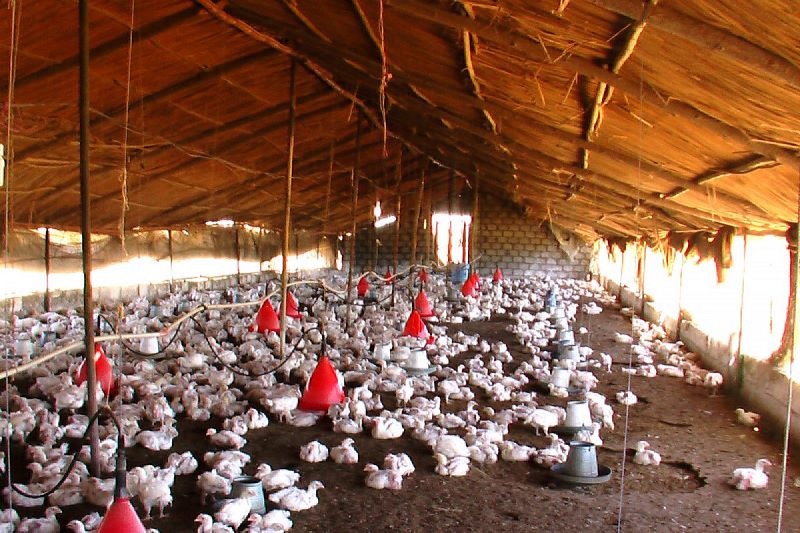
Rate fixation committees sometimes move slowly in assembling and deliberating. Budget allocation from relevant provincial and federal levels requires navigating multiple approval channels. Payment systems involving Nepal’s banking infrastructure have proven cumbersome. Corruption or favoritism in rate setting, though not systematically documented, has been suspected in some cases.
A structural flaw compounds all of this. Compensation triggers only for officially culled birds. Birds that die from H5N1 before culling teams arrive are not covered, and given the virus’s velocity through a flock, many farmers lose substantial portions of their birds in that window. This creates perverse incentives.
Knowing that naturally dead birds attract no compensation, some farmers desperate to capture something for their loss have sold infected or visibly sick birds to markets or traders before authorities intervene. This behavior, driven by financial desperation rather than malice, then spreads the virus geographically and undermines containment efforts.
Why do wild birds, particularly crows, appear to be playing a more prominent role in the 2026 outbreak than in previous years?
The 2026 outbreak represents the first time that urban wild bird involvement in Nepal’s H5N1 outbreaks has been detected and documented with such clarity and specificity.
In March 2026, thirty house crows found dead near the Tribhuvan University campus tested positive for the virus. Crows are ubiquitous in Kathmandu neighborhoods, omnivorous, and highly mobile across the urban landscape. Their presence at the zoo and their involvement in transmitting infections to zoo bird collections suggests they functioned as active vectors rather than passive casualties of human-generated disease.
The epidemiological significance lies in what this reveals about the geographic distribution of infection risk. Previous outbreaks in rural Terai zones involved primarily farm-to-farm transmission, with wild birds implicated more as background reservoirs than active bridges. The 2026 pattern indicates that once H5N1 establishes itself in wild urban bird populations, it creates a transmission dynamic independent of registered poultry farms.
Crows foraging across multiple neighborhoods, roosting in proximity to backyard chicken flocks, potentially contaminating water sources or feed that residential birds access, become agents of spread that government culling teams cannot target. You cannot cull every crow in Kathmandu Valley.
The involvement of wild birds also complicates epidemiological narrative. Prior to the crow detection, the dominant explanation for Valley spread centered on human-mediated transmission through the movement of infected birds, eggs, or contaminated materials by traders, transporters, or individuals.
The crow data suggests an independent ecological pathway. Nepal lies on the Central Asian flyway used by millions of migratory waterfowl. Each spring and autumn, ducks, geese, and other wild birds pass through Nepal’s wetlands and river systems.
If migratory birds arrive carrying the virus from distant infected zones, local crow and pigeon populations might acquire it and sustain transmission in urban environments long after seasonal migration ends. This possibility has not been ruled out in official investigations.
What precautions are most effective for farm workers and others in direct contact with potentially infected birds?
The 2019 human death from bird flu in Nepal involved a 21-year-old truck driver from Kavrepalanchok district whose occupation involved transporting live poultry between farms and markets in sealed cargo spaces. His occupation positioned him in chronic, direct contact with potentially infected animals and their bodily secretions across multiple farms over an extended period.
The World Health Organization has documented that H5N1 transmission to humans requires sustained close contact with infected birds or contaminated material, typically involving inhalation of aerosolized virus particles or direct contact with mucous membranes.

Occupational risk is concentrated among specific groups: farm workers culling infected birds, transporters handling live poultry, workers at live bird markets mixing birds from multiple sources, veterinary personnel collecting samples, and butchers or food handlers processing poultry. For these groups, the precaution protocol is empirically established and straightforward but requires consistent adherence.
Gloves must be worn during any handling of sick or dead birds. Masks or respirators should protect the respiratory tract. Eye protection prevents splashing of contaminated material. Clothing worn during exposure work should be removed before leaving the work site and washed separately. Hands must receive thorough washing with soap after any contact with poultry environments. Shoes should be decontaminated if they contact infected premises.
Anyone who develops respiratory symptoms, fever, or cough after exposure should seek medical care and explicitly inform clinicians about the occupational exposure so that appropriate H5N1 testing is ordered. The occupational exposure category also extends to culling team members, who receive minimal ongoing training and often work under pressure to complete culling operations quickly.
Protective equipment quality and consistency remain inconsistent across different culling operations. Government budgets for equipping culling teams with adequate protective equipment have not expanded proportionately with outbreak scale.
How should consumers respond to potential supply disruptions and price increases for eggs and chicken?
The outbreaks have created supply shocks in affected districts and demand shocks in unaffected ones through consumer anxiety. When egg production capacity in Sunsari or poultry slaughter capacity in affected areas faces restrictions due to biosecurity requirements or farm-level disruptions, local supplies of these products tighten and prices move upward.
Consumers in Kathmandu, dependent on Terai supplies of both eggs and meat poultry, will likely experience price increases if Valley-based supply is restricted and Terai supply cannot fully compensate. Simultaneously, consumer fear about purchasing poultry products from affected regions, though scientifically unfounded, can depress demand in unaffected areas.
The public health messaging is unambiguous: properly cooked chicken and eggs are entirely safe. The H5N1 virus is deactivated at normal cooking temperatures (65-70 degrees Celsius held for several seconds). The virus is not viable in your digestive tract. There is no documented case of H5N1 transmission through consumption of properly cooked poultry products anywhere in the world.
Yet consumer anxiety persists because outbreaks generate media attention and fear operates faster than scientific literacy. Consumers can minimize personal risk by purchasing poultry from certified suppliers rather than informal vendors, avoiding live bird markets in outbreak areas, and ensuring thorough cooking of all poultry meat and eggs. Households should also observe basic hygiene if handling raw poultry: wash hands and surfaces after contact, avoid contaminating other foods, and practice normal food safety.
For low-income consumers in Nepal, who rely on poultry as an affordable protein source, price increases from supply disruptions represent a tangible threat to food security and nutrition. Sustained egg and chicken price inflation over coming months, if the outbreak remains uncontrolled, could push some households toward lower-nutrition food patterns. This is not merely a farmer problem but a consumer welfare problem with implications for public health beyond the immediate bird flu risk.
What explains the apparent shift from H5N1 dominance to H9N2 involvement in the 2026 outbreak?
Initial reports from late March described the outbreak as caused by both A(H5N1) and A(H9N2) viral types, with H9N2 appearing to drive disproportionate mortality and losses in the initial phase of eastern Nepal spread. This represents a significant departure from previous Nepal outbreak patterns, which were overwhelmingly dominated by H5N1.
H9N2, known as low-pathogenic avian influenza, causes illness and production losses in infected flocks but does not typically kill birds as rapidly or completely as H5N1. However, economic damage from H9N2 can be severe because infected birds survive with reduced egg production, compromised growth rates, and susceptibility to secondary infections.
The 2026 appearance of both strains simultaneously raises questions about source and timing. India’s own 2026 outbreak has confirmed multiple states harboring H5N1, and H9N2 has been circulating in Indian poultry for years. Nepal’s porous border and informal cross-border trade in live birds creates obvious transmission pathways for both strains.
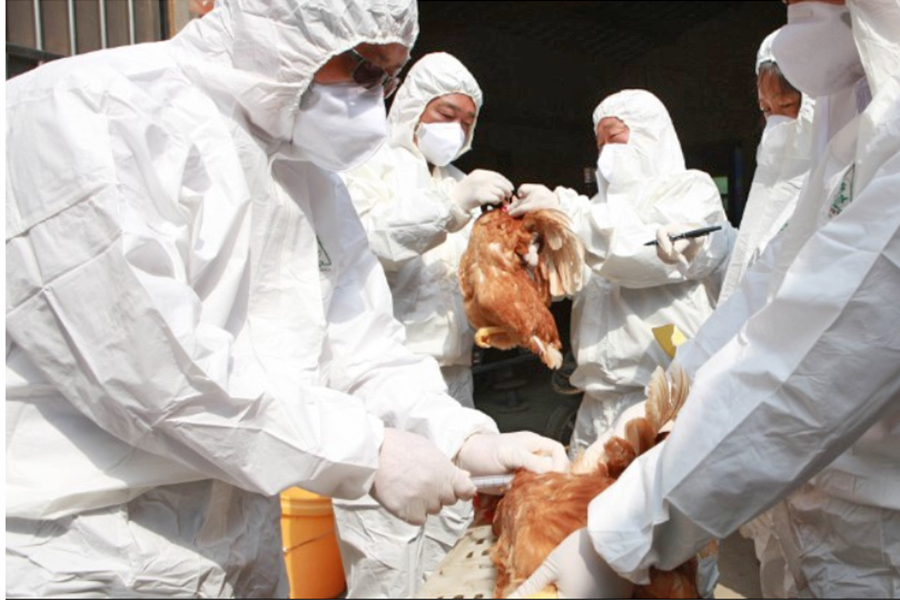
The epidemiological surprise is not that both arrived but that H9N2 initially drove the outbreak pattern more visibly than the typically more lethal H5N1. This may reflect transmission dynamics specific to the Terai poultry network. Broiler operations, which dominate parts of the affected region, have different population structures, turnover rates, and biosecurity profiles than layer operations.
If H9N2 spreads more readily through broiler networks under field conditions, while H5N1 spreads more rapidly through layer flocks, the initial outbreak pattern might reflect the network structure more than the virus’s inherent characteristics.
By mid-June, official reports centered primarily on H5N1, with less emphasis on H9N2, possibly indicating a shift in which strain was driving active outbreaks, or possibly reflecting reporting patterns that prioritize the more dangerous strain.
What specific policy changes would most effectively reduce future outbreak severity?
Experts across Nepal’s veterinary and public health research community have converged on a set of reforms that transcend the current emergency response and target structural vulnerabilities underlying recurring outbreaks.
The most actionable immediate intervention involves decentralizing diagnostic laboratory capacity. Currently, samples from suspected outbreaks across all 77 districts must travel to the Central Veterinary Laboratory in Kathmandu for confirmation, a process consuming days to a week in many cases.
Establishing district-level PCR testing capability would compress the confirmation window from three to five days down to 24 hours, allowing rapid response teams to mobilize within a single operational day of positive detection. The technical and financial barriers to district labs are not insurmountable.
Nepal’s public health infrastructure has invested in district-level laboratory networks in recent years. Extending real-time PCR capacity for animal disease testing would be a modest incremental addition.

Second, farm-level biosecurity requires government-funded support rather than leaving it entirely to individual farmers. The current system presumes farmers can afford proper fencing, vehicle decontamination stations, protective equipment for workers, and regular disinfection protocols. Smaller operations cannot. A government program providing subsidized biosecurity kits, training modules delivered to farmers rather than waiting for farmers to seek out extension services, and technical assistance from veterinarians would reduce transmission velocity once the virus enters a farming zone.
Third, cross-border trade regulation deserves serious reform. Informal trade in live birds between India and Nepal operates with virtually no veterinary inspection. A system of regulated, inspected cross-border movement with health certification requirements would dramatically reduce re-introduction risk. India has equal interest in preventing eastward spread into Nepal that might reflect back.
Fourth, compensation system redesign must address the gap where birds that die naturally from infection receive no compensation, only officially culled birds. Extending compensation to disease-caused mortality and dramatically accelerating payment timelines would eliminate the perverse incentive for farmers to sell sick birds to markets.
Fifth, vaccination of particular bird populations using vaccines that allow serological distinction between vaccinated and infected birds could form a medium-term strategy. Layer hens and breeding stock could be vaccinated to reduce outbreak severity even if vaccination does not eliminate infection entirely.