Kathmandu
Tuesday, July 14, 2026






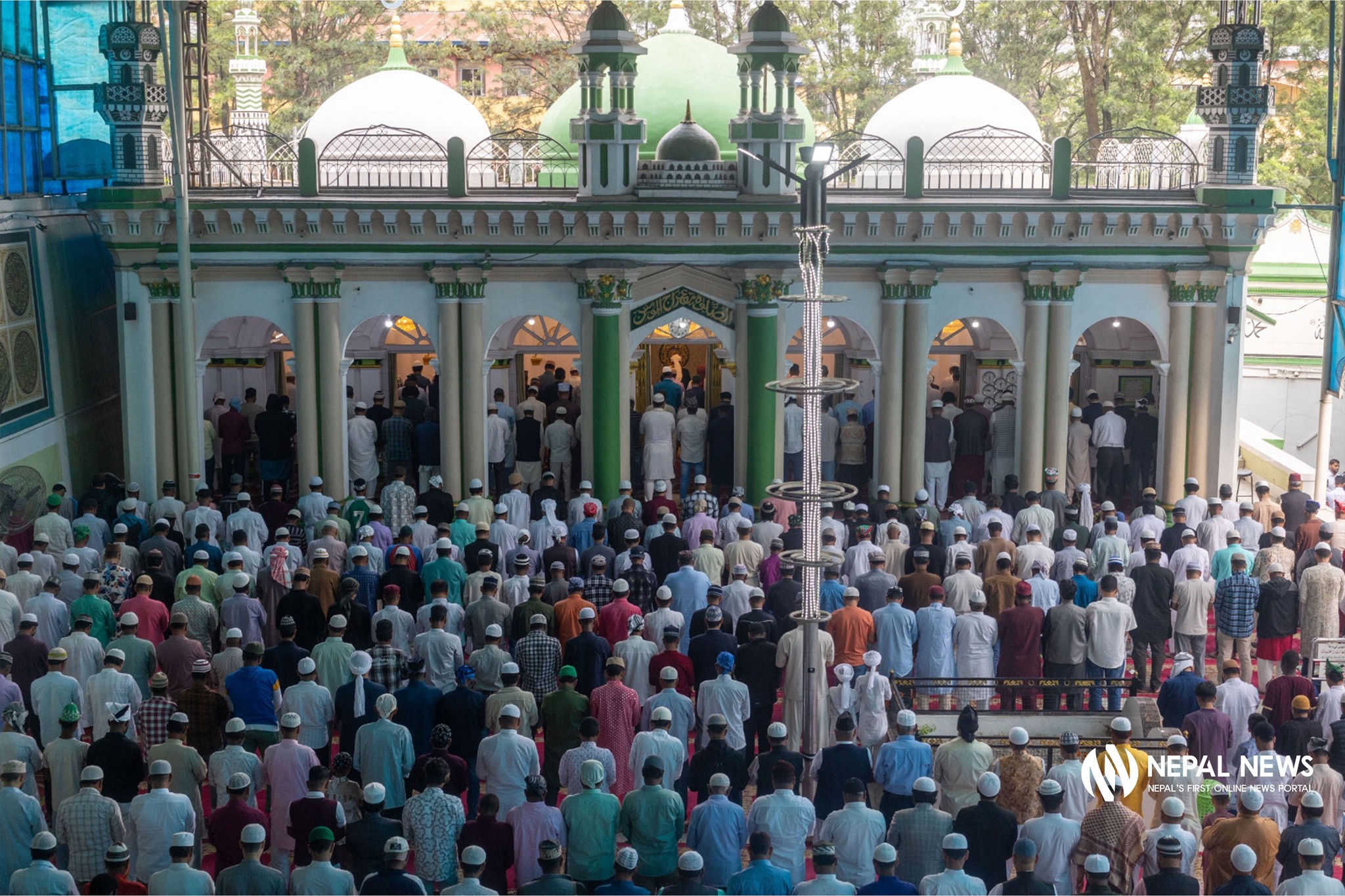
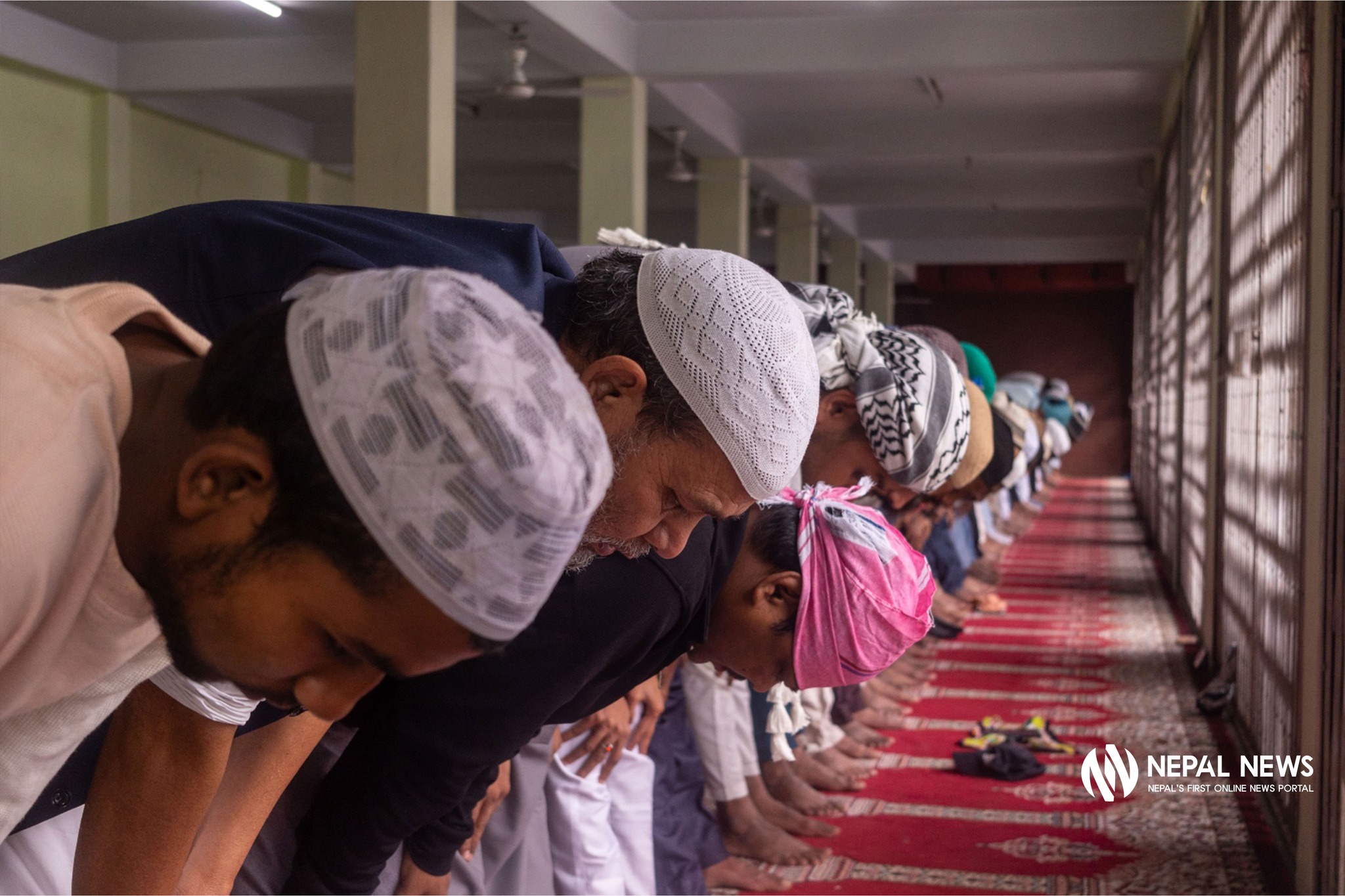
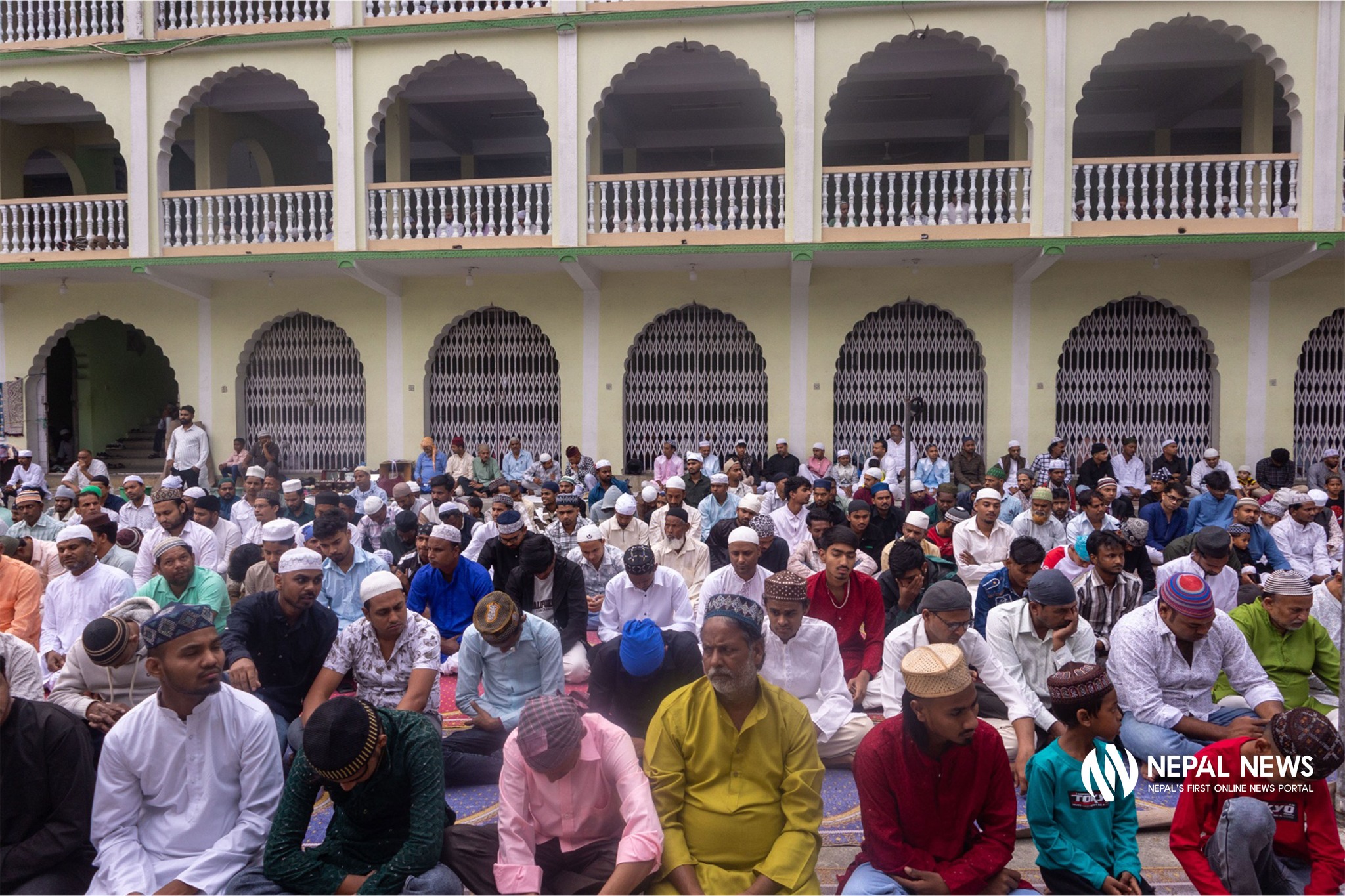
KATHMANDU: Muslims across the country celebrated their great festival, Bakrid (Eid-ul-Adha), today with joy and enthusiasm at various mosques and Eidgahs.
On the occasion of the festival, the government has declared a public holiday today. It is a long-standing tradition among Islamic followers to celebrate Bakrid around 70 days after the conclusion of the Ramadan festival (Eid-ul-Fitr).
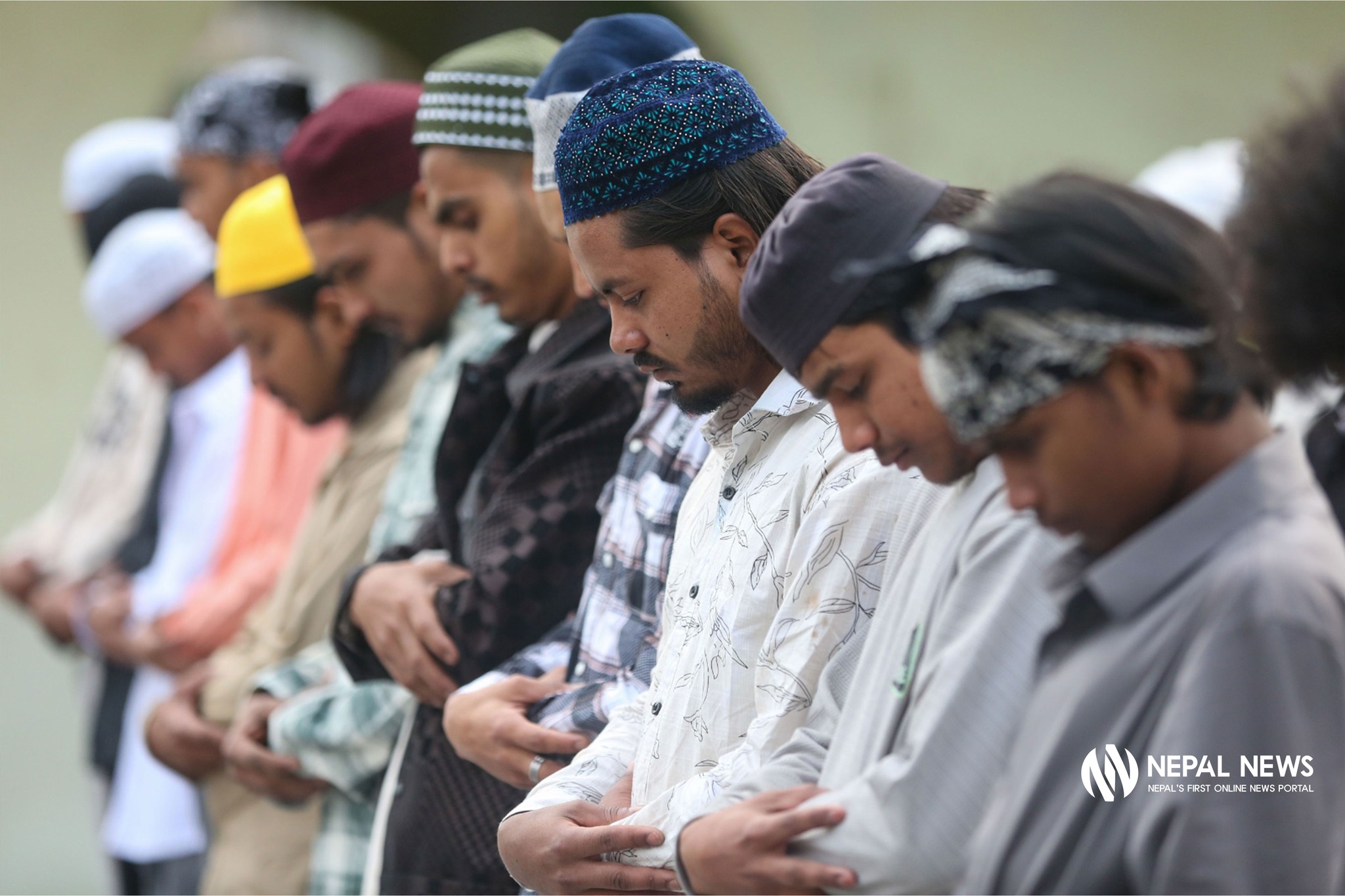
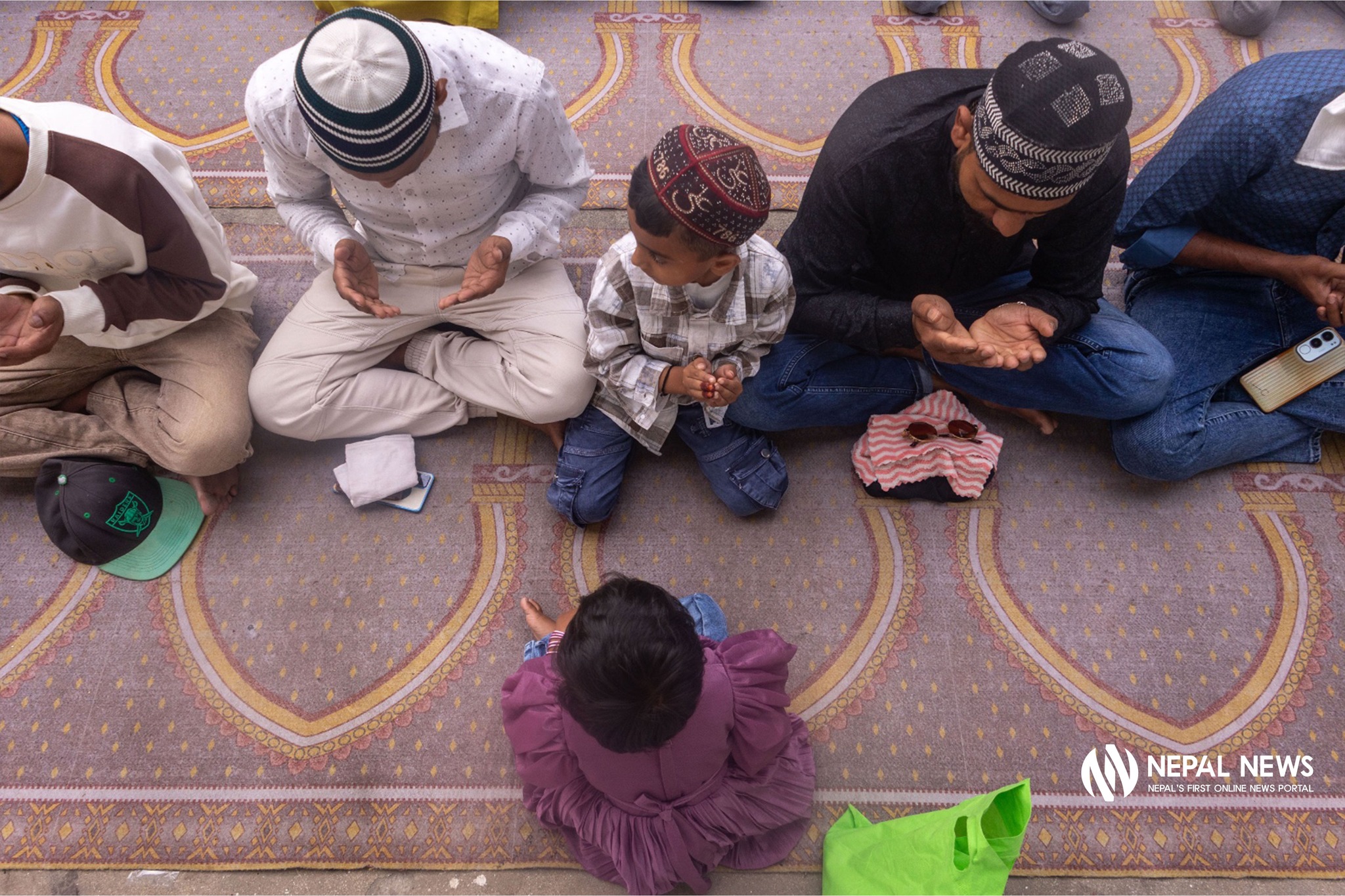
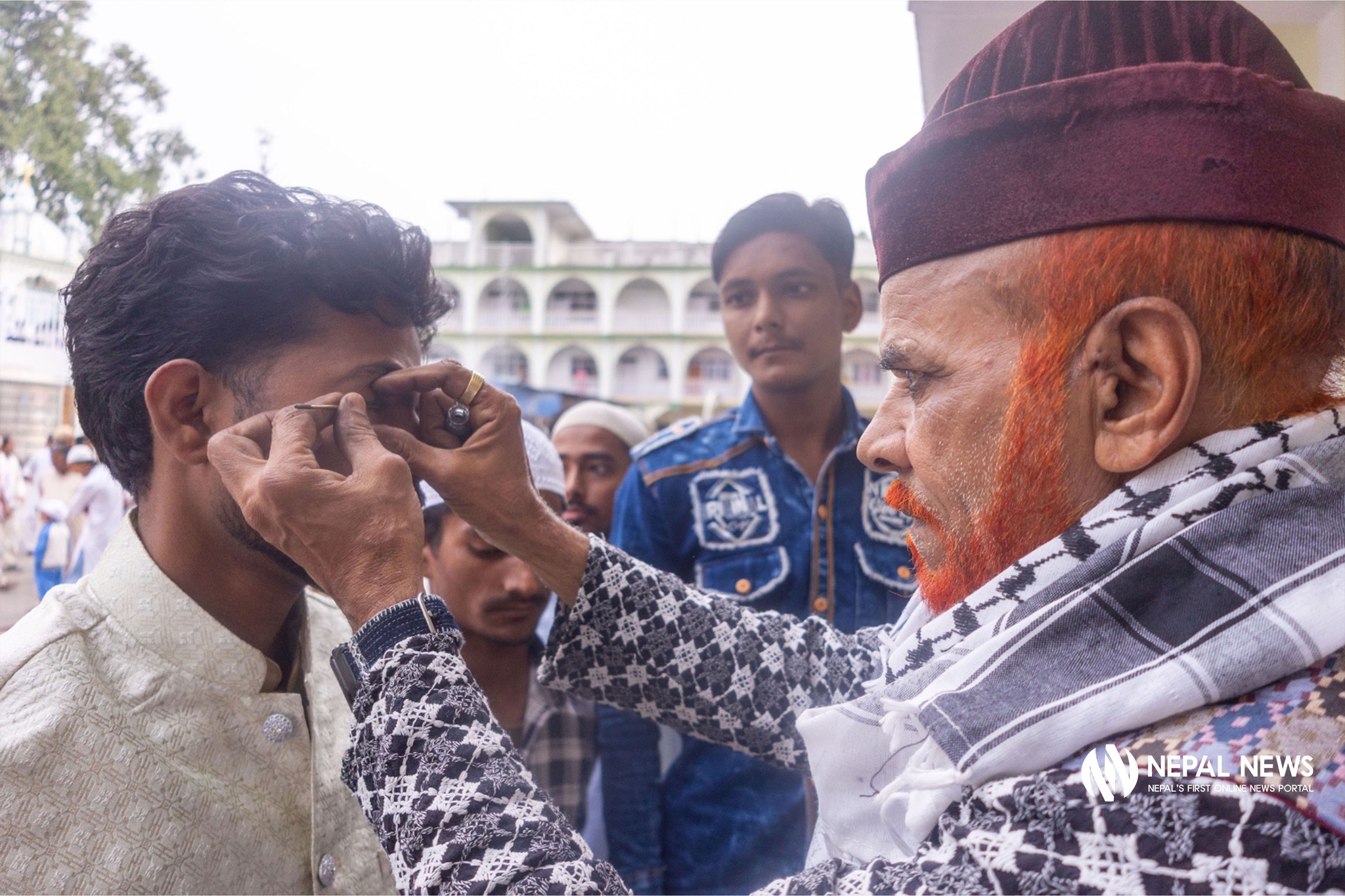
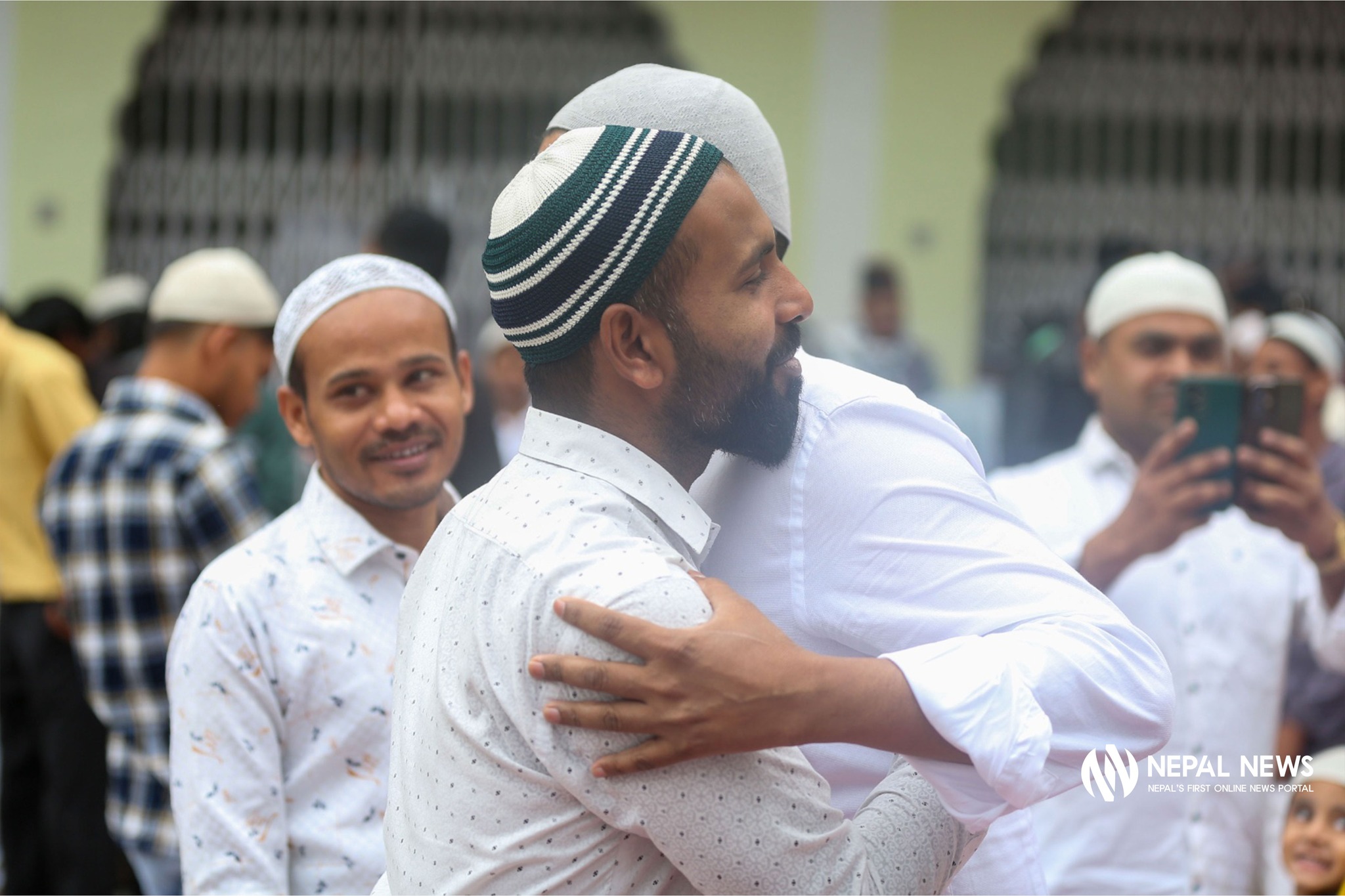
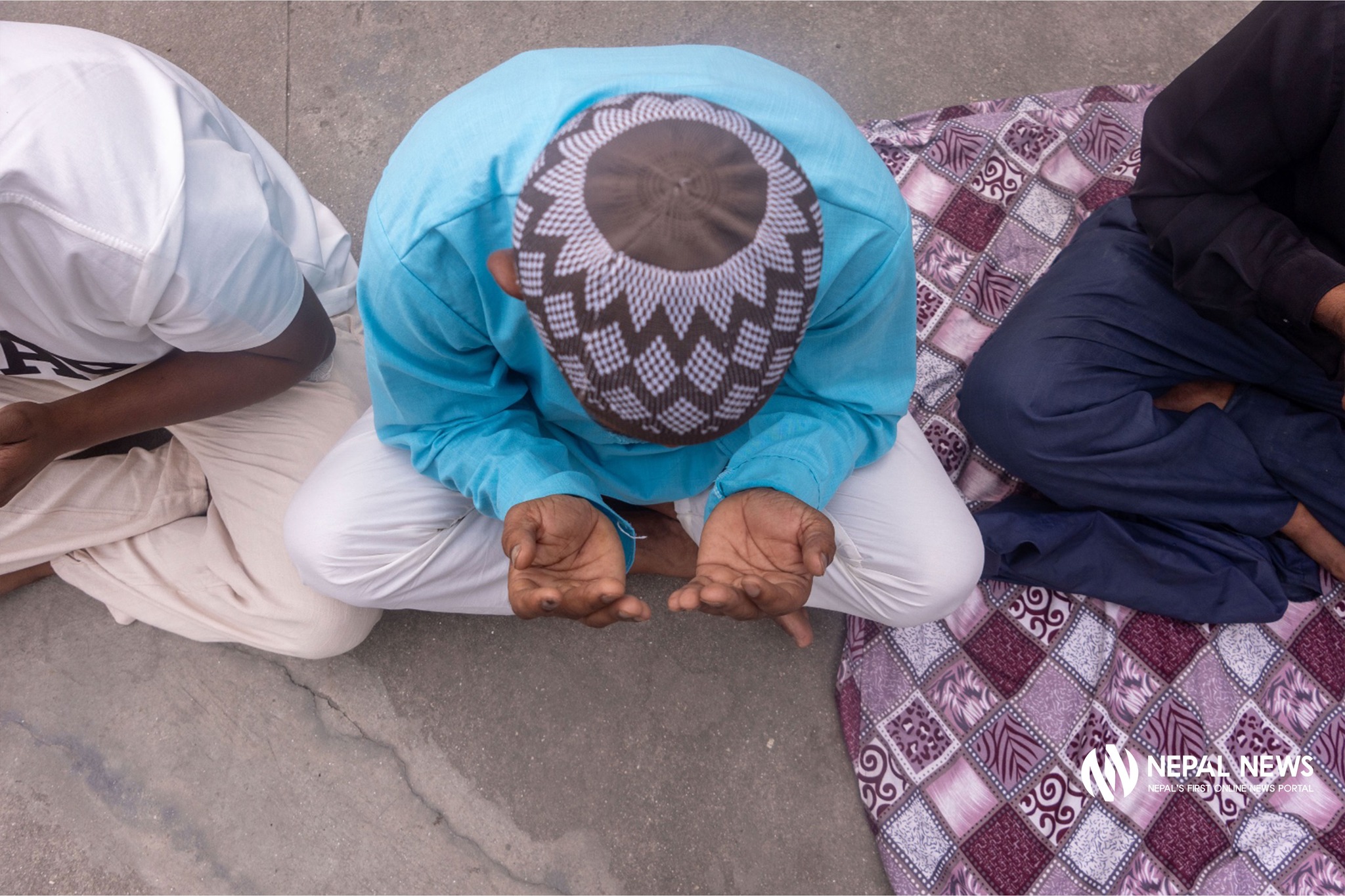
According to the Islamic calendar, this festival is celebrated on the 10th day of the 12th month, Dhu al-Hijjah. On this day, people from the Muslim community bathe early in the morning and reach nearby mosques and Eidgahs to offer collective Namaz prayers. After the Namaz, there is a custom of hugging one another and exchanging good wishes.
On the occasion of Bakrid, performing the Hajj pilgrimage by traveling to Mecca and Medina is considered highly auspicious. However, due to various circumstances, many devotees who could not travel abroad are celebrating the festival at home this year.
Necessary precautions have been adopted at mosques, Eidgahs, and other religious sites to celebrate the festival safely and with religious dignity. On this occasion, to express faith and devotion toward Allah, there is a tradition of offering Qurbani (sacrifice) of animals permitted by the religion.
According to religious belief, when Allah’s Prophet Ibrahim received the command to sacrifice his beloved son, he accepted it with complete devotion.
Pleased by his loyalty and faith, Allah ultimately replaced the human with a Dumba (sheep) raised in heaven for the sacrifice.
In memory of this event, the Muslim community has maintained the tradition of giving Qurbani on Bakrid.
According to religious beliefs, Ibrahim had made a wish to Allah, praying for a child. It was his commitment to offer a sacrifice once he was blessed with a child.
Religious narratives state that Allah gave the command through a dream to test his faith and patience, and ultimately, his devotion succeeded. There is a tradition of dividing the sacrificed meat into three parts.
According to religious principles, one part is allocated for the poor and underprivileged families, the second part for relatives and friends, and the third part is kept for one’s own family.
Photos: