Kathmandu
Tuesday, July 21, 2026





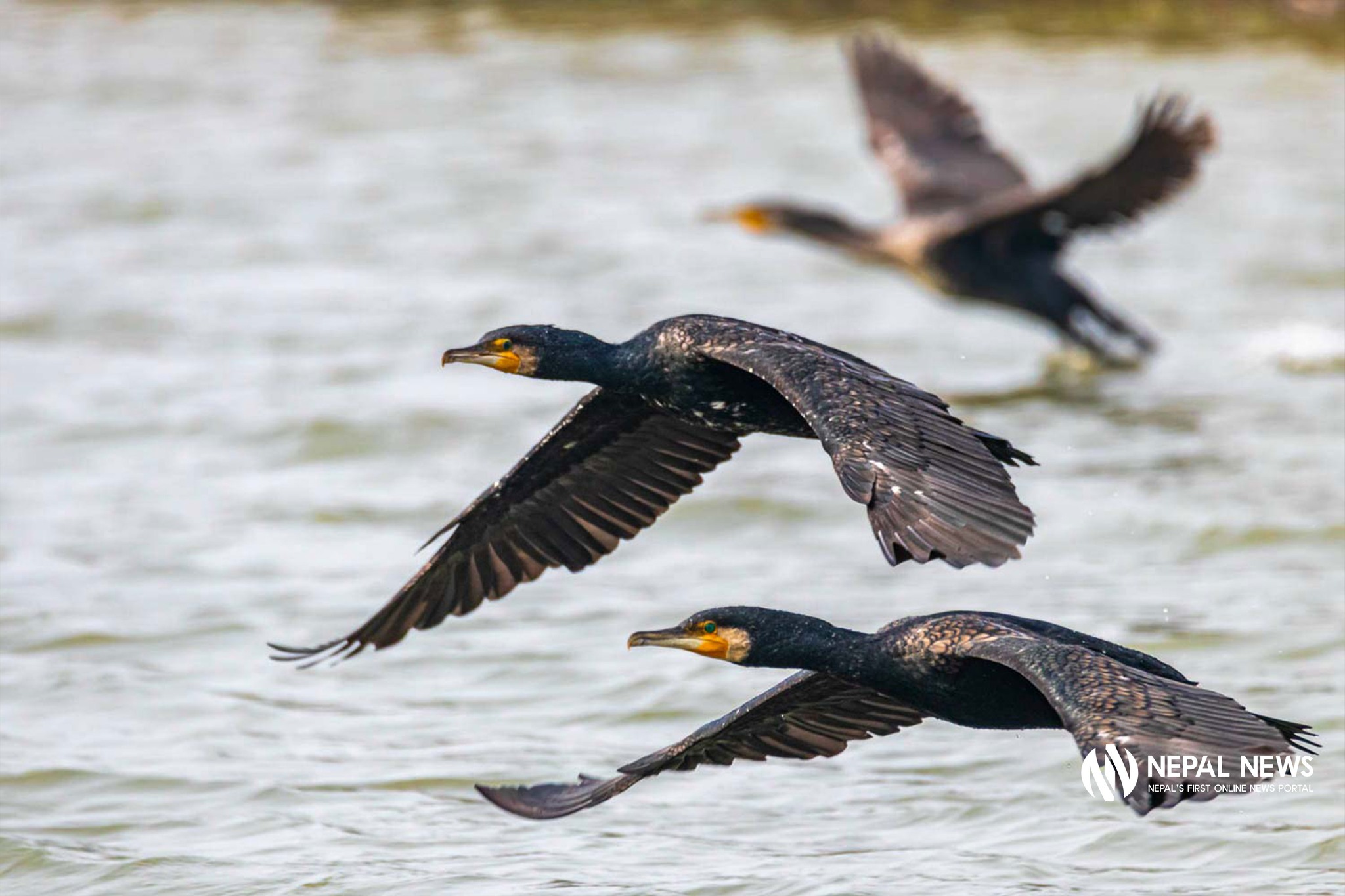
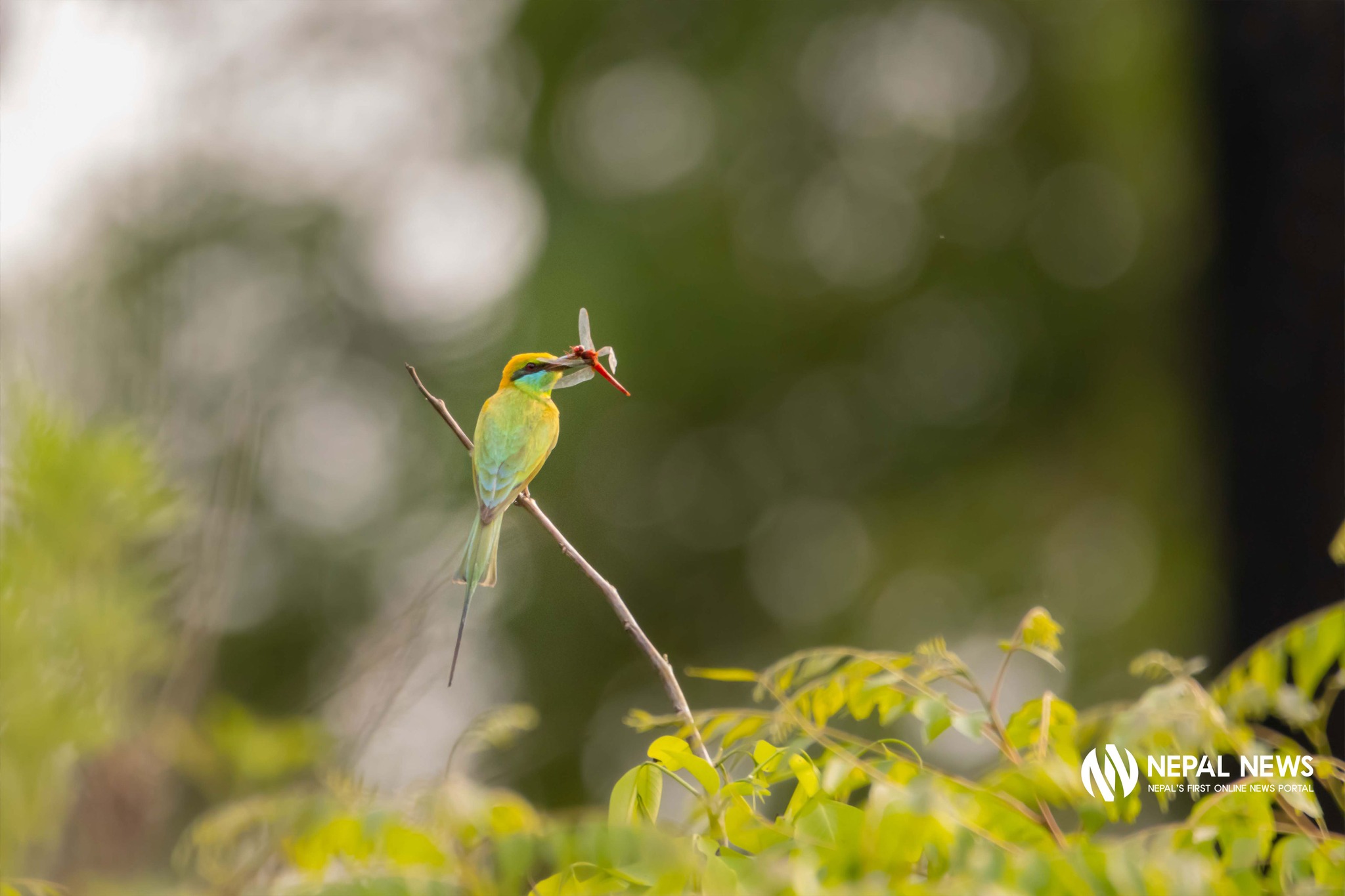
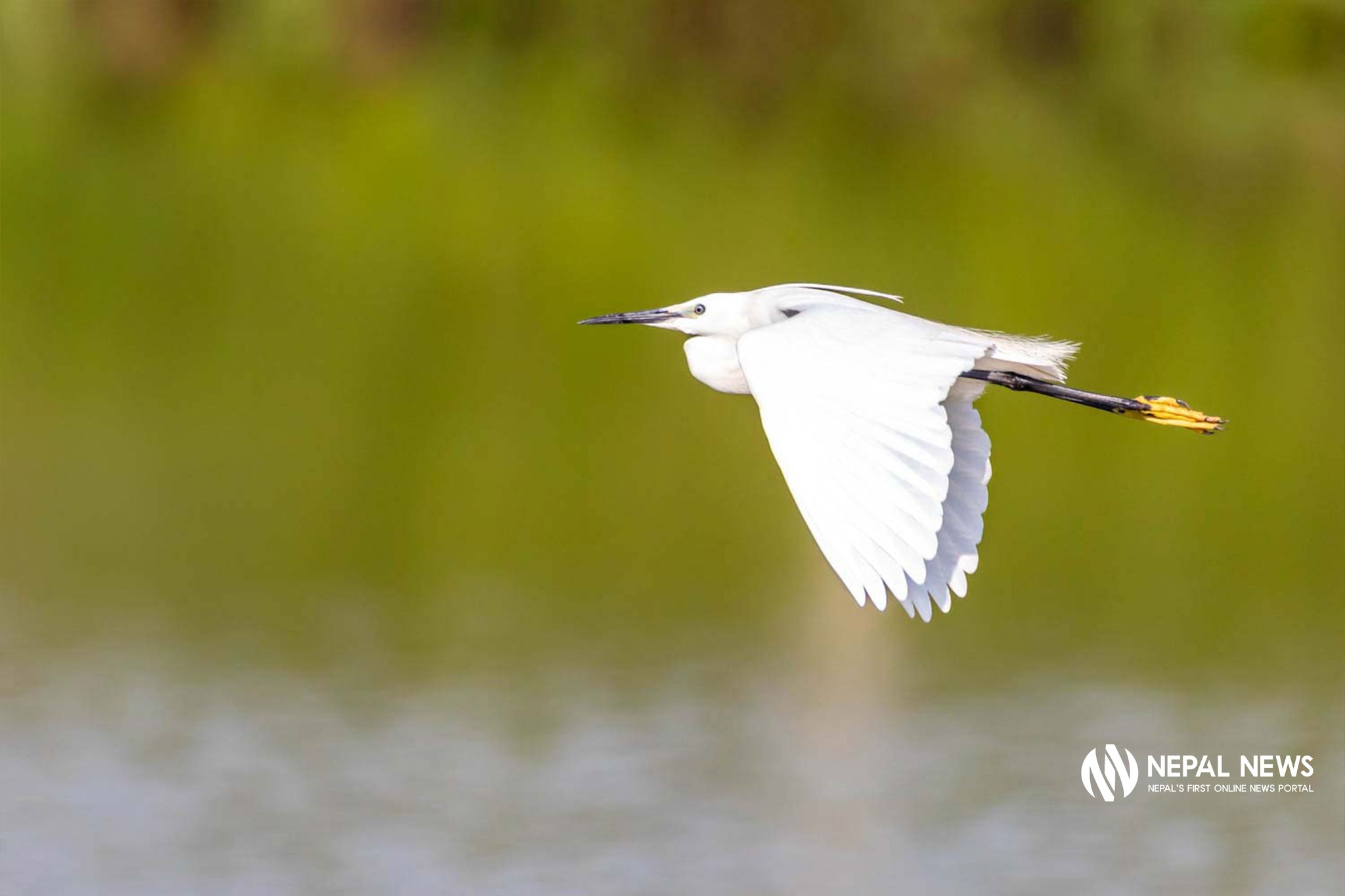
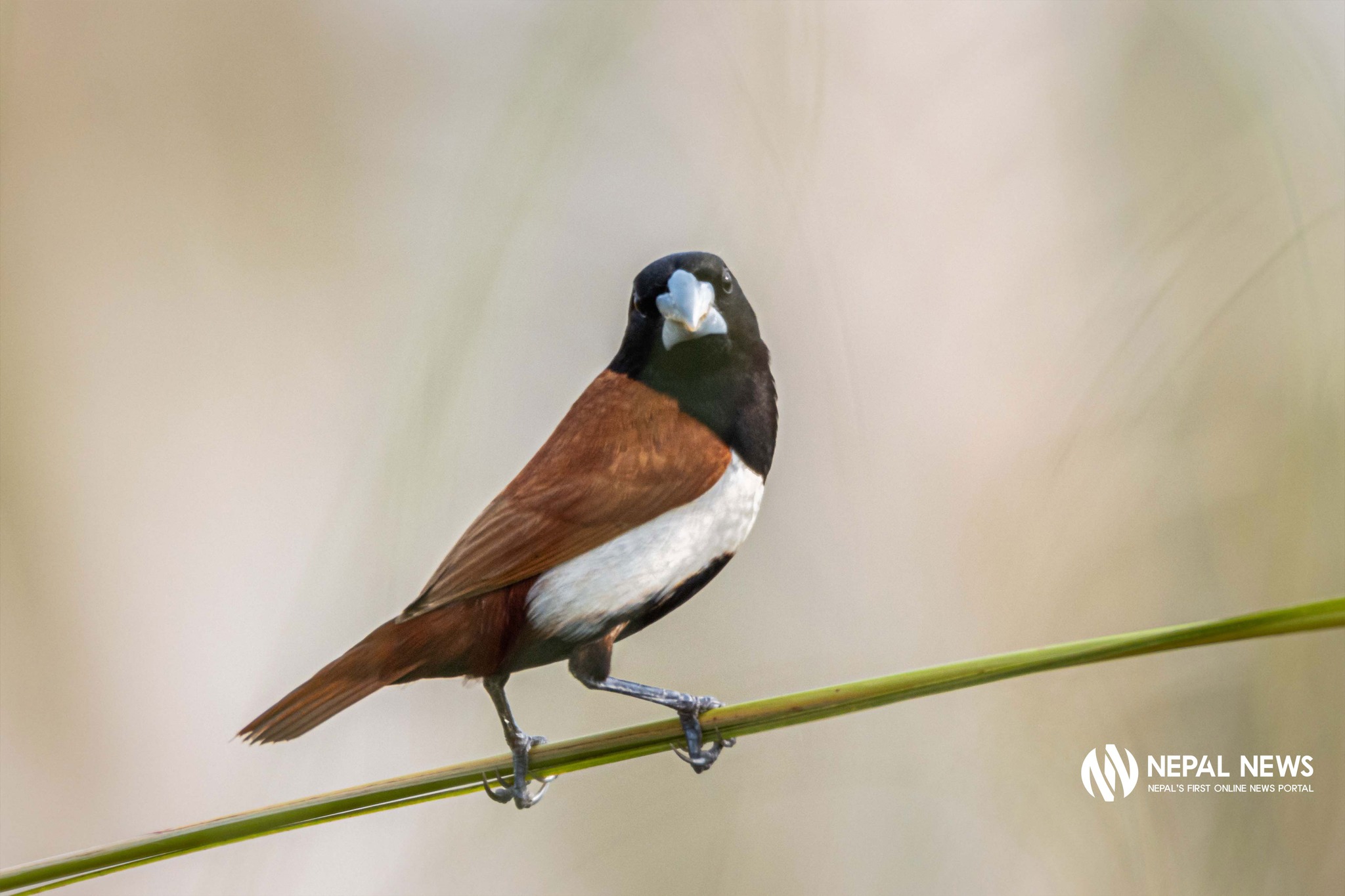
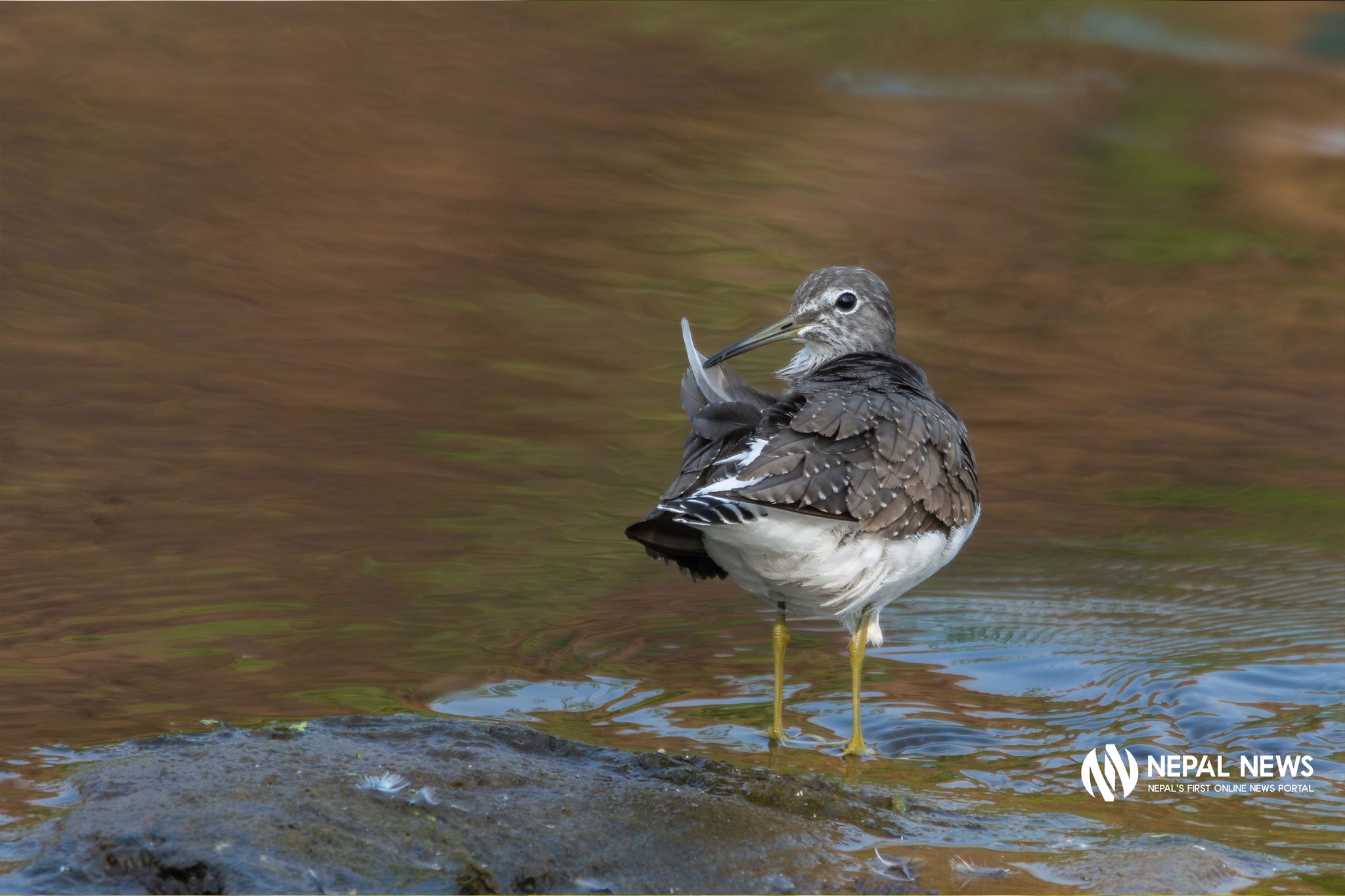
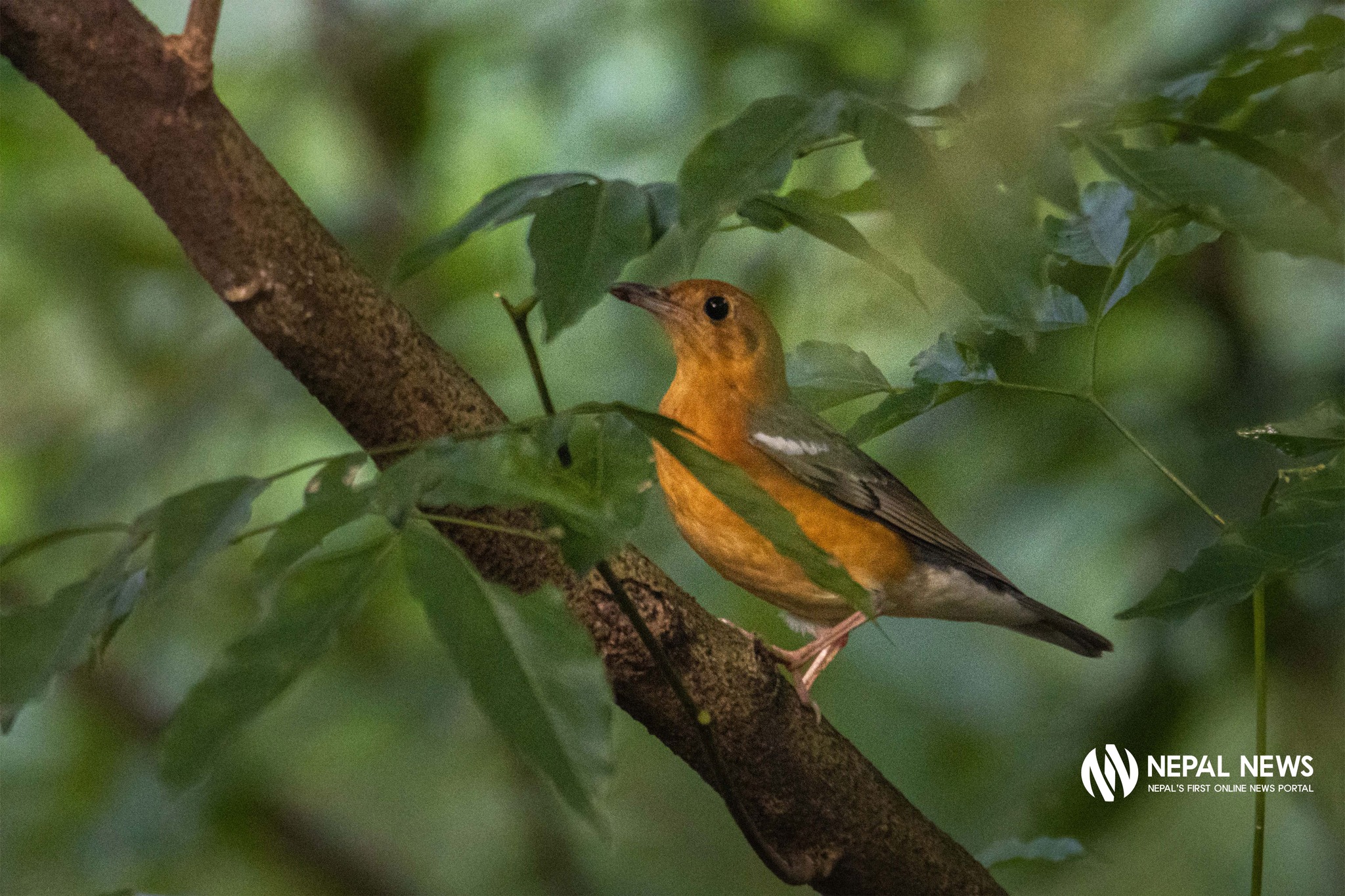
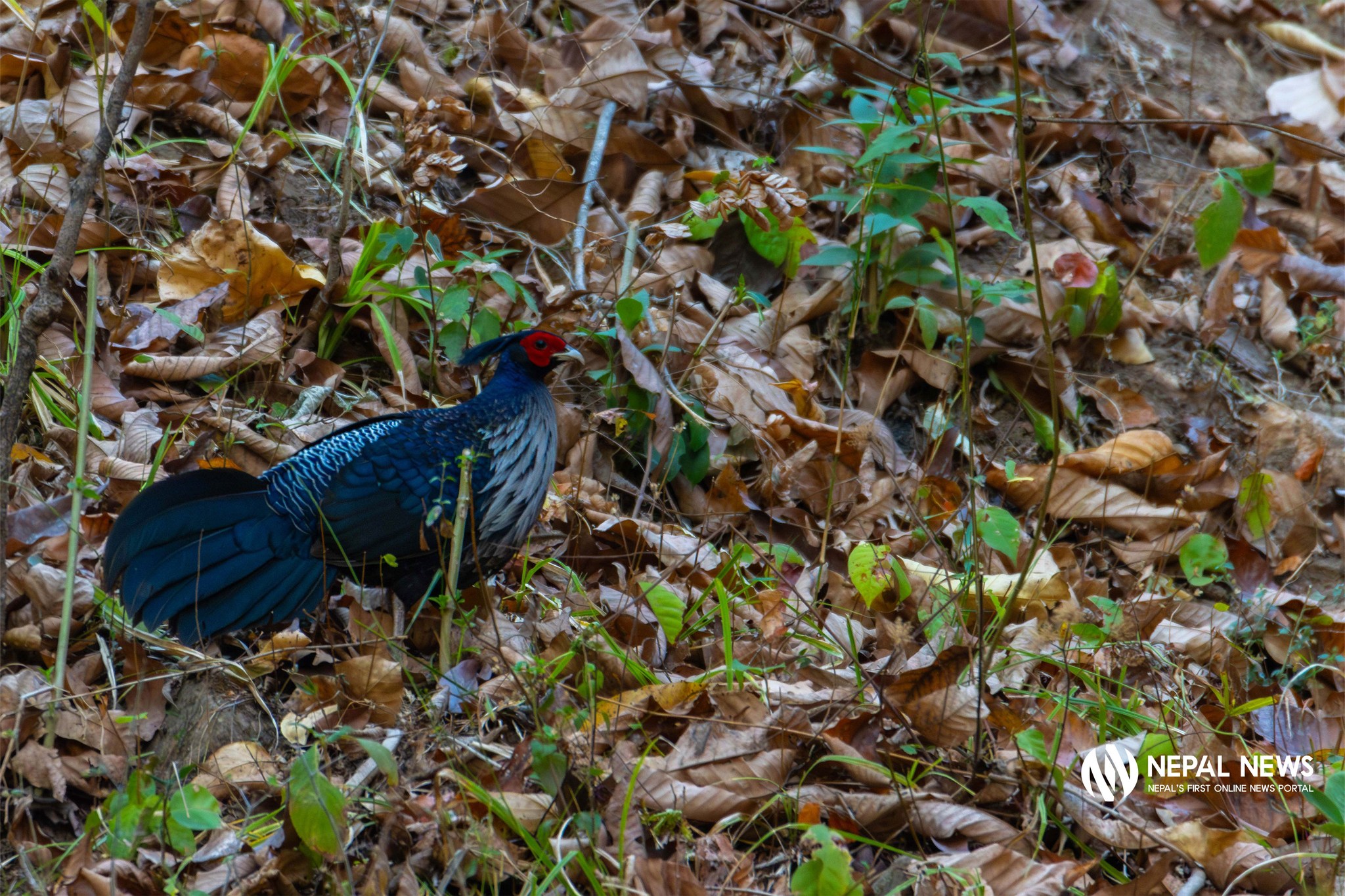
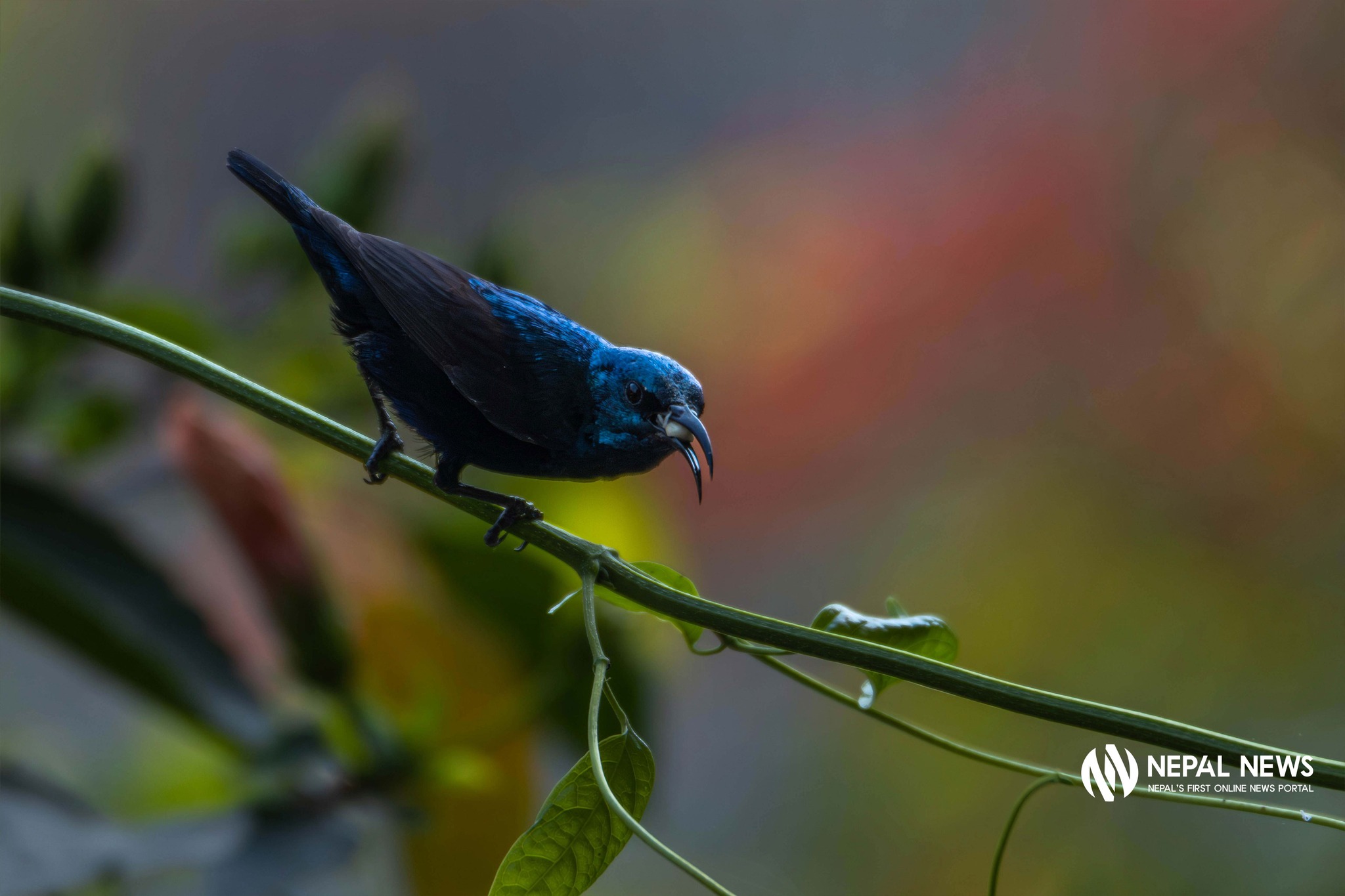
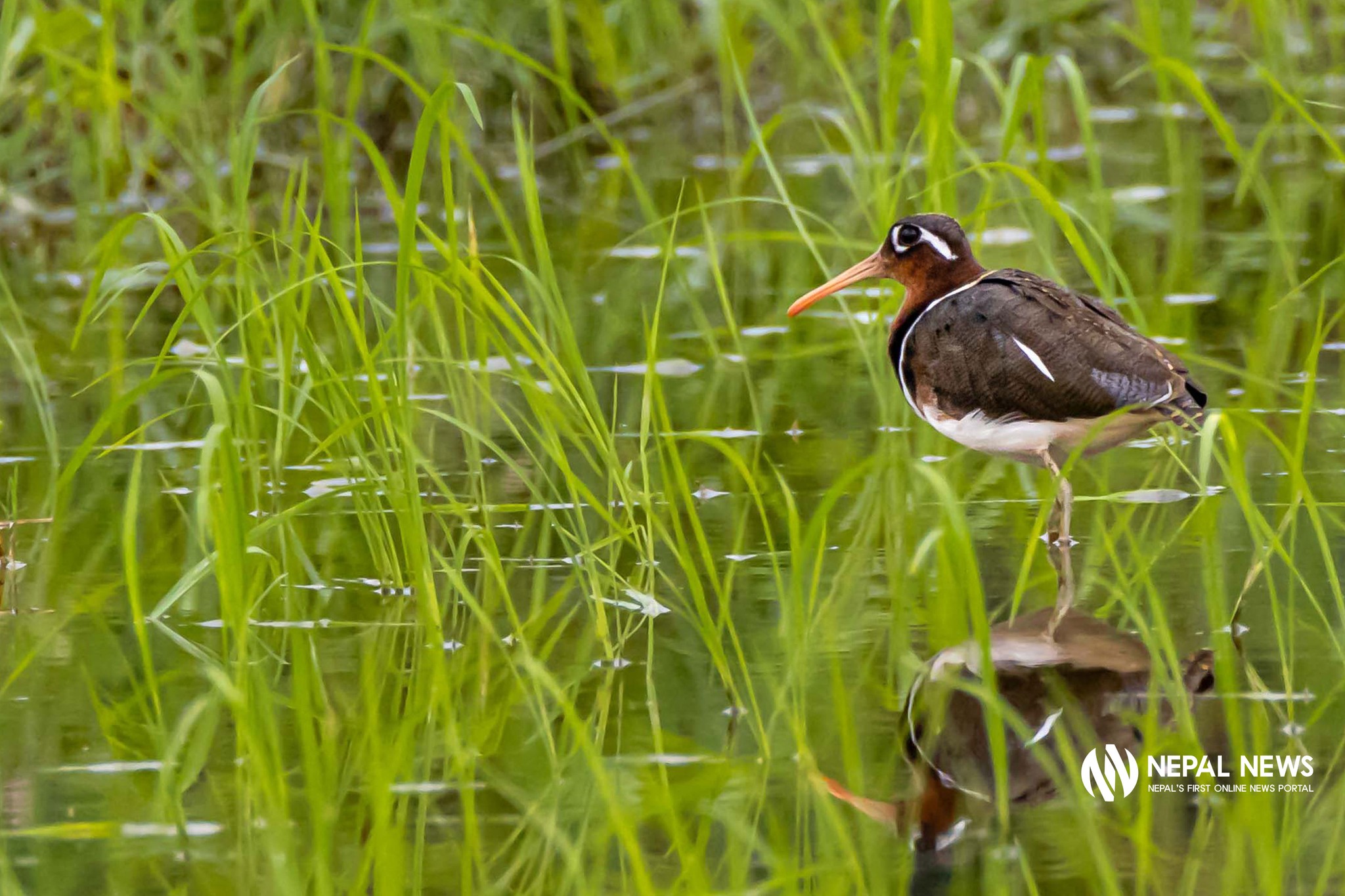
HETAUDA: Many people often assume that birdwatching requires travelling to remote forests or protected areas. However, according to data released by Hetauda Sub-Metropolitan City, more than 300 bird species have been recorded within the city area itself.
This finding provides a strong basis for positioning Hetauda as a potential “urban birding destination.”
Located in the inner Terai region, the city features highly diverse geography. Sal forests, hills, flat Terai plains, rivers, wetlands, and agricultural lands together create suitable habitats for a wide range of bird species. Because of this diversity, both hill and lowland birds can be observed in the same area.
Bird activity significantly increases during the winter season. Water-related birds are commonly seen around rivers, streams, and wetland areas, while agricultural fields also host a variety of regularly observed species.
Another unique feature of Hetauda is that birdwatching does not require travelling far. Within just 200–300 meters from the main market area lies the forest surrounding the Forest Campus, where nearly 150 bird species have been recorded. Such rich biodiversity in a highly accessible location highlights strong ecotourism potential.
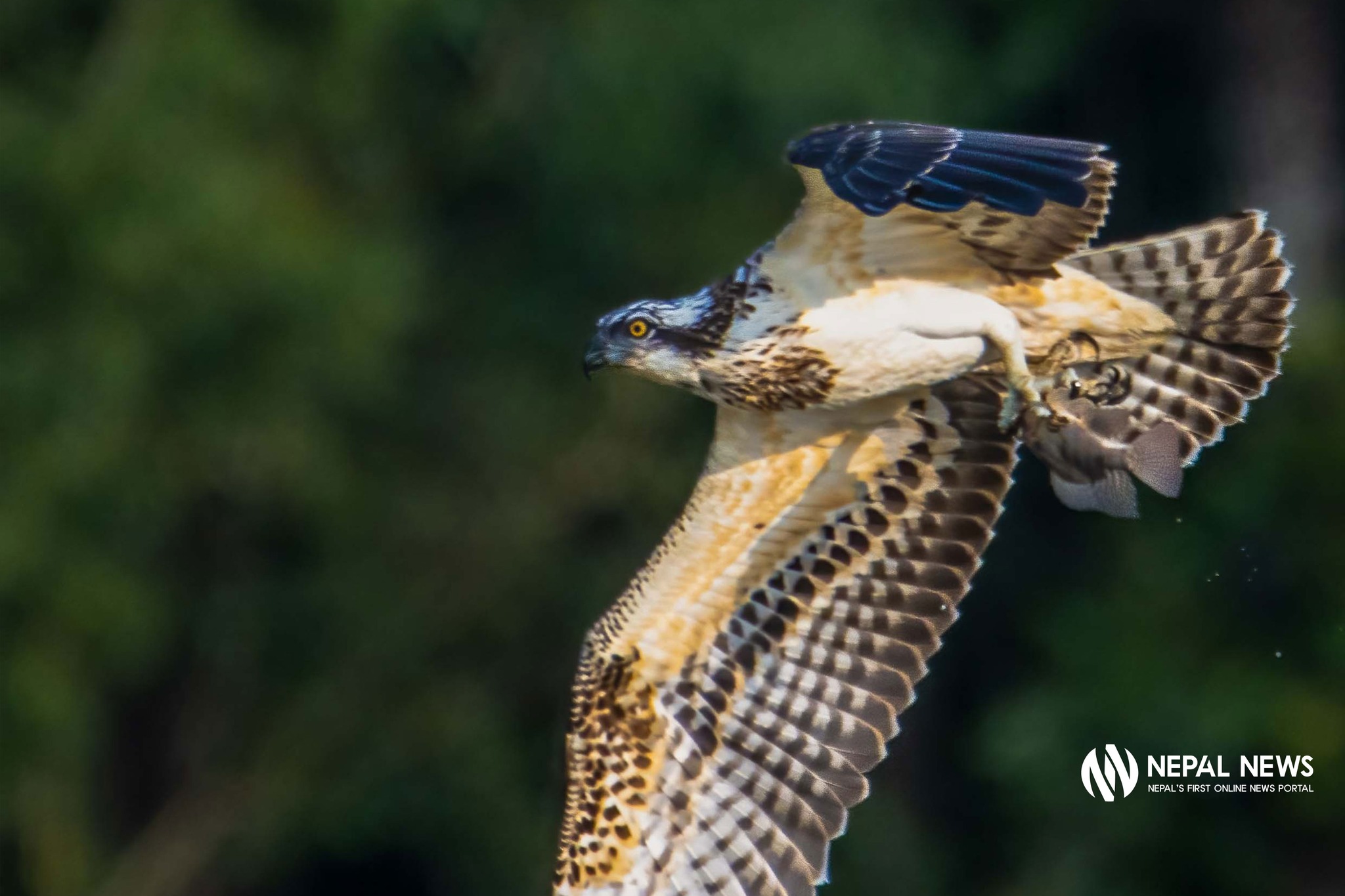
Birds of prey such as eagles and hawks form an important part of the local food chain. In addition, species like storks, herons, and ducks are regularly observed in both aquatic and terrestrial habitats.
Hetauda is not only a permanent habitat for resident birds but also an important stopover site for migratory species. Many birds pass through the area during seasonal migration, sometimes staying only for a night before continuing their journey.
This makes Hetauda an important ecological corridor at both regional and international levels.
With such urban biodiversity, Hetauda holds strong potential for birdwatching, wildlife photography, and nature-based tourism. Experts say that proper conservation efforts, green space management, and public awareness can further strengthen this potential.
Overall, Hetauda is not just a center of urban development—it is also a vibrant and dynamic world of birds that deserves recognition, protection, and global attention.