Kathmandu
Wednesday, July 1, 2026





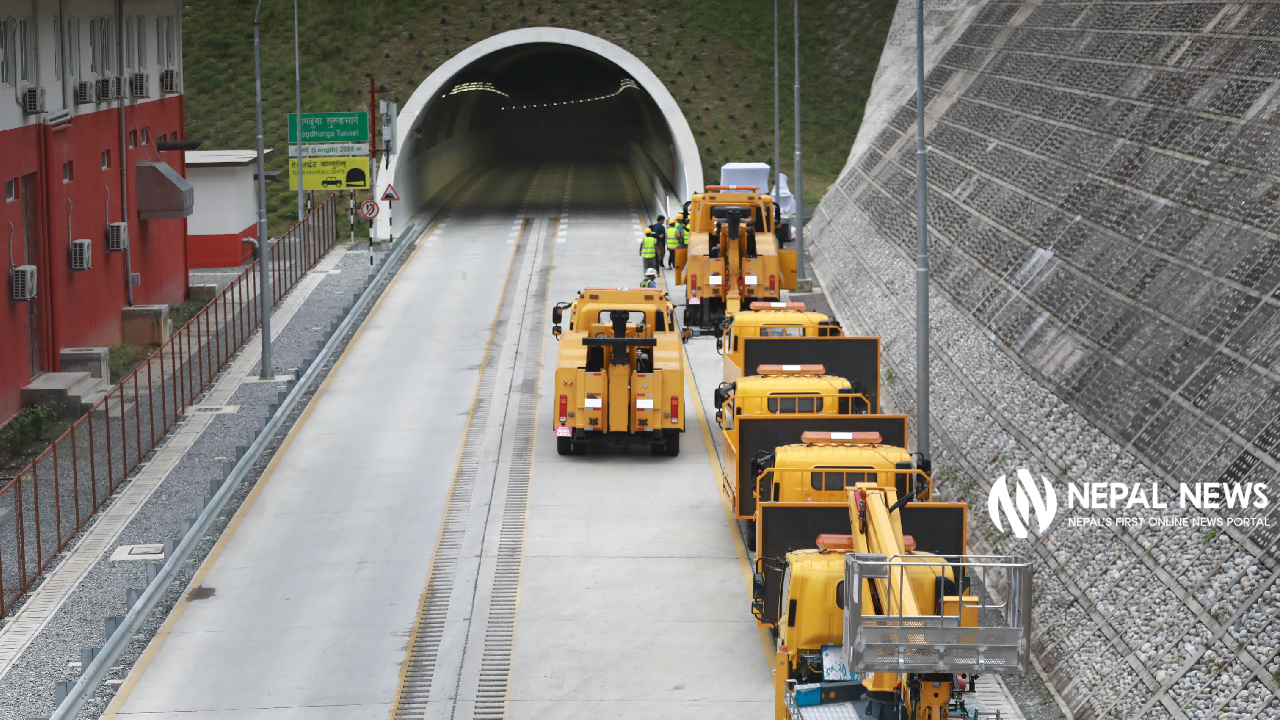
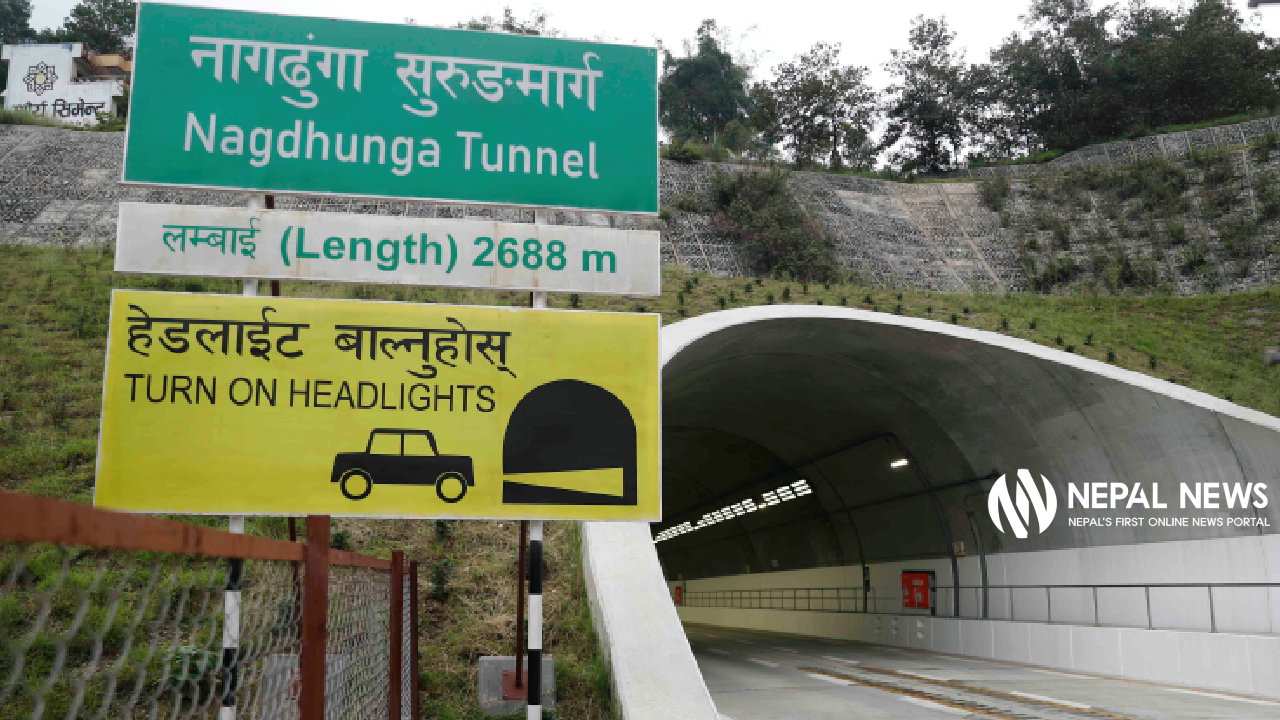
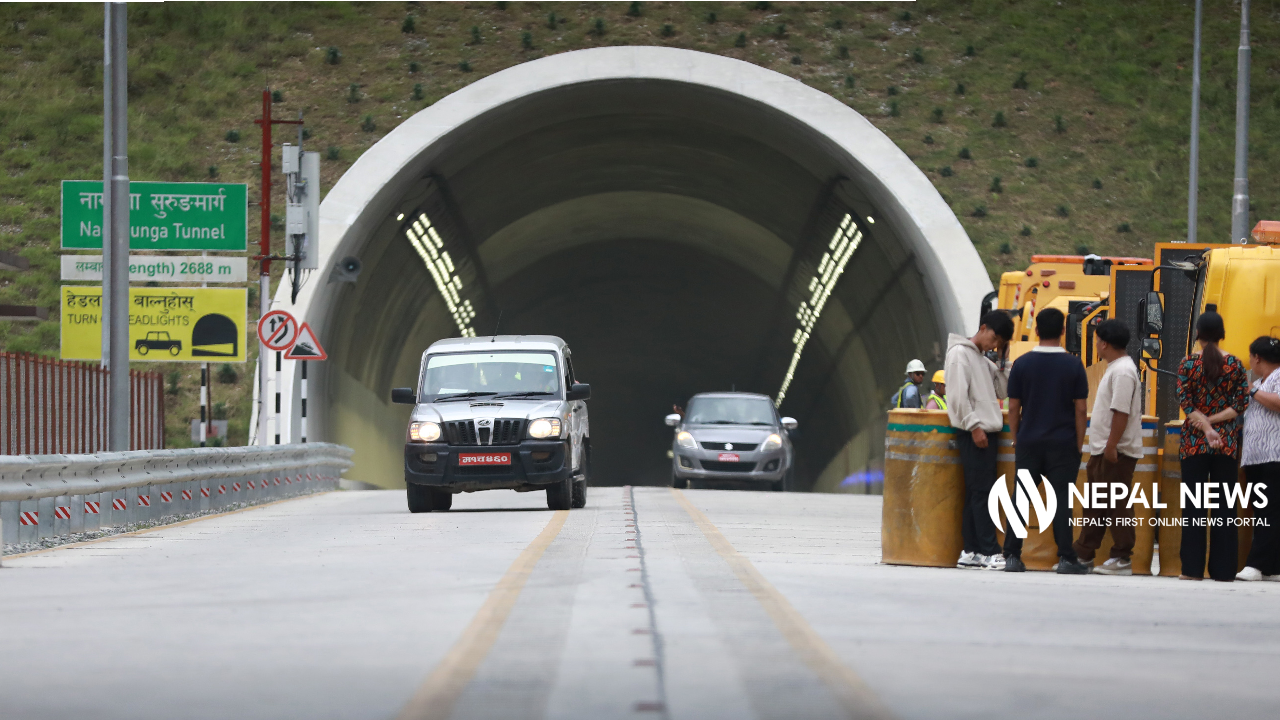
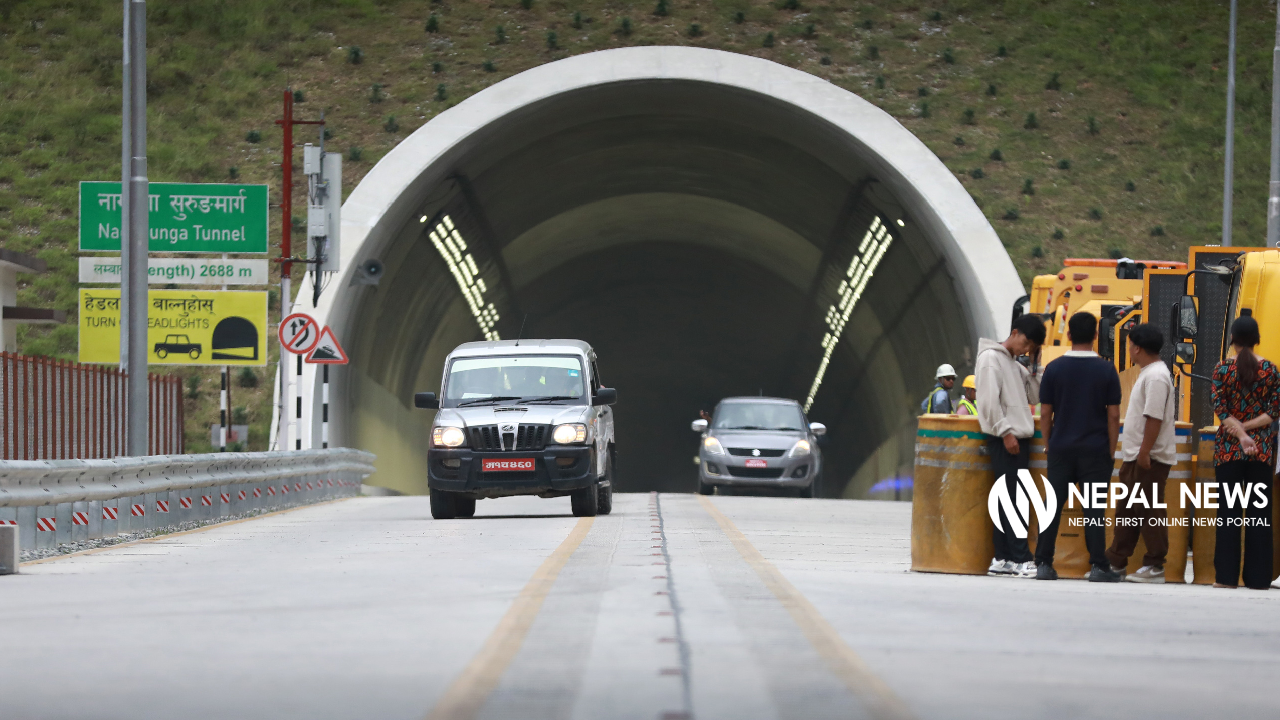
KATHMANDU: Preparations to bring the Nagdhunga Tunnel, constructed as Nepal’s first road tunnel, into operation by the upcoming mid-July have reached their final stages.
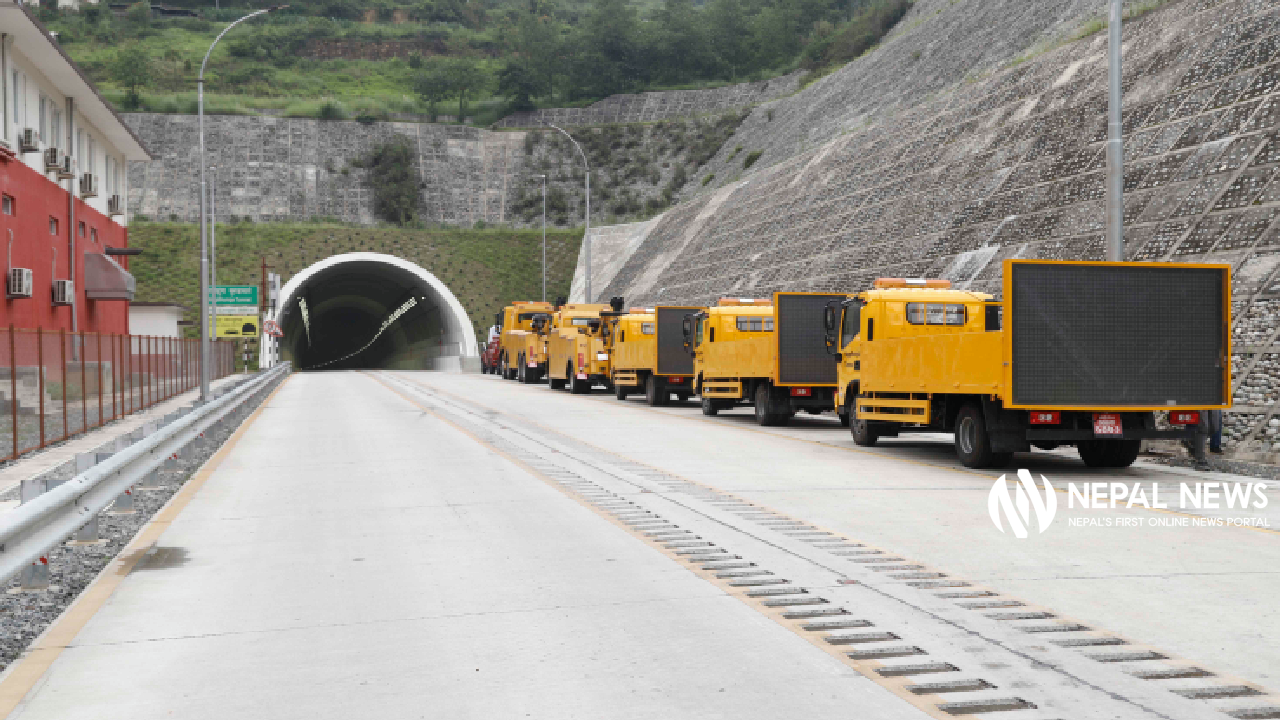
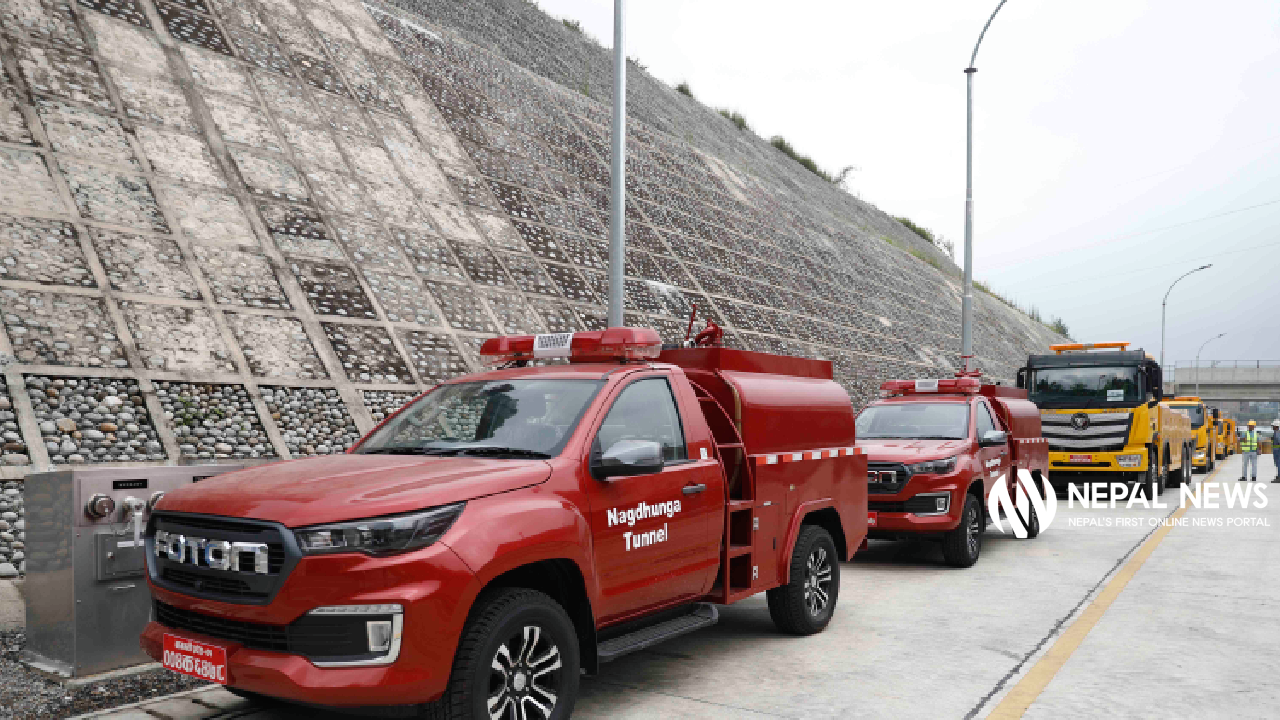
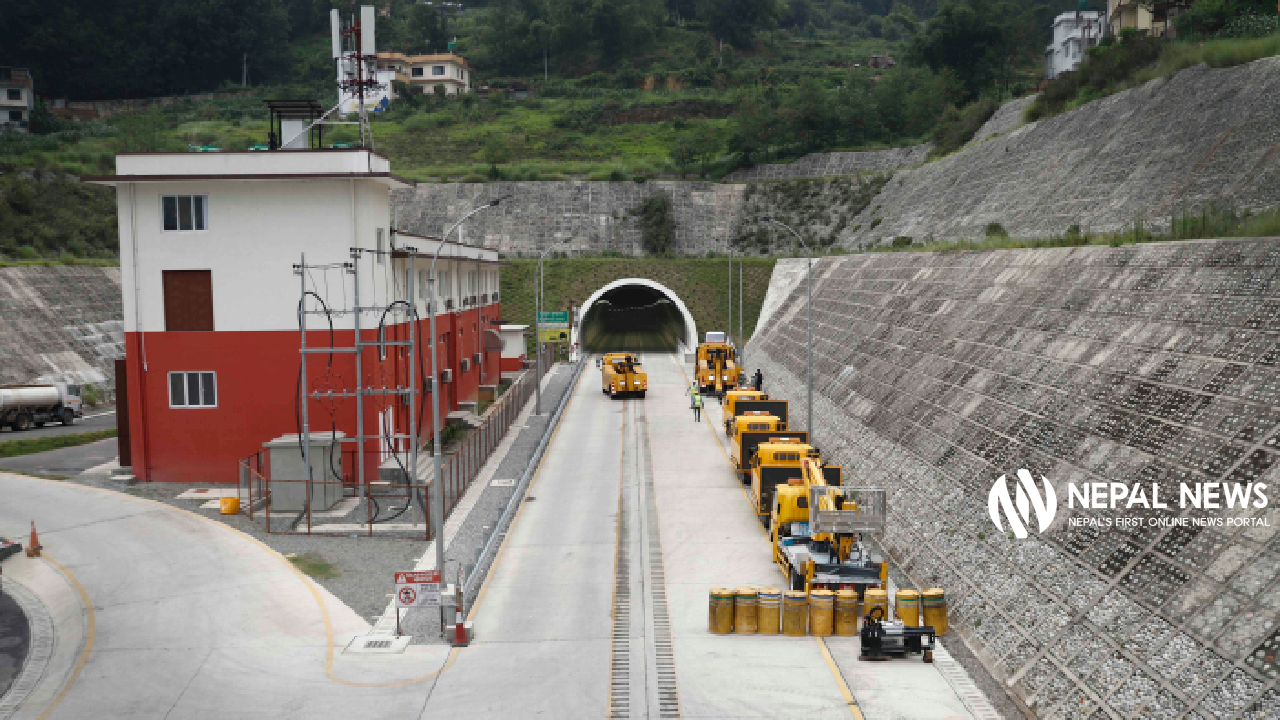
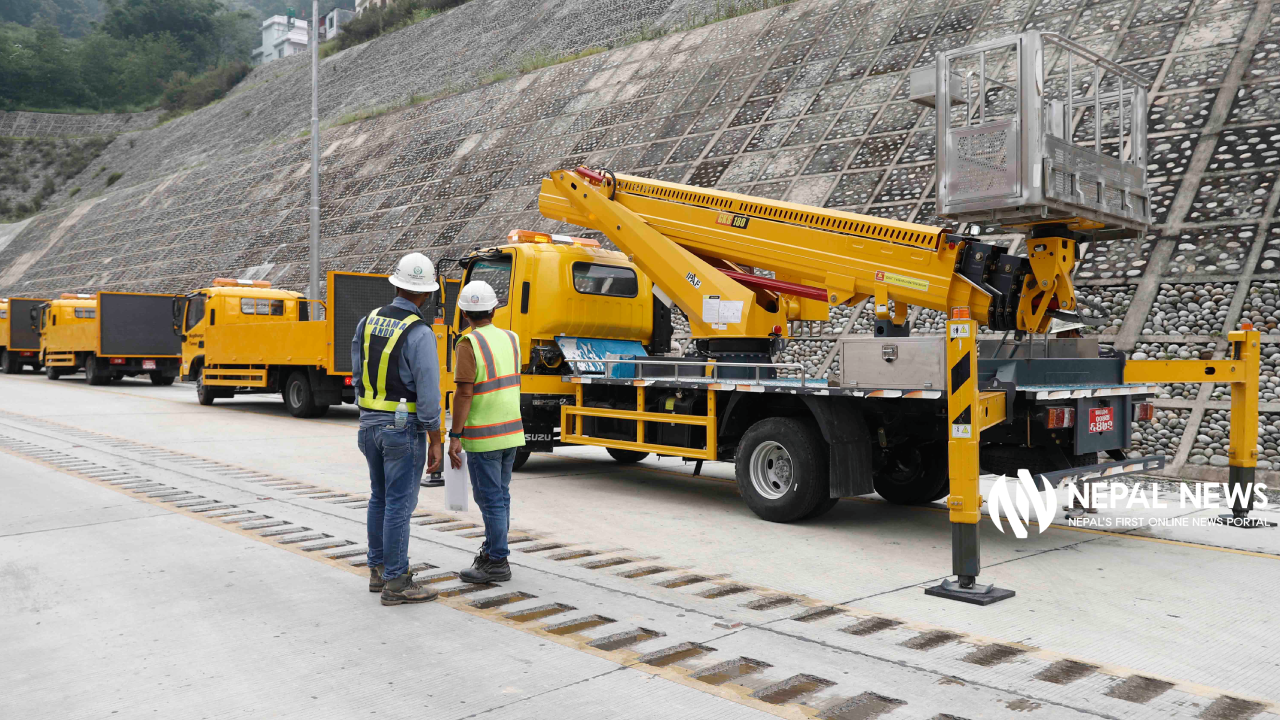
As part of the necessary technical preparations prior to operation, performance testing for operational and maintenance vehicles to be used inside the tunnel has been successfully completed.
During the trials, authorities tested the functional capabilities of vehicles and equipment designated for routine inspection, maintenance, cleaning, emergency rescue, and accident management within the tunnel.
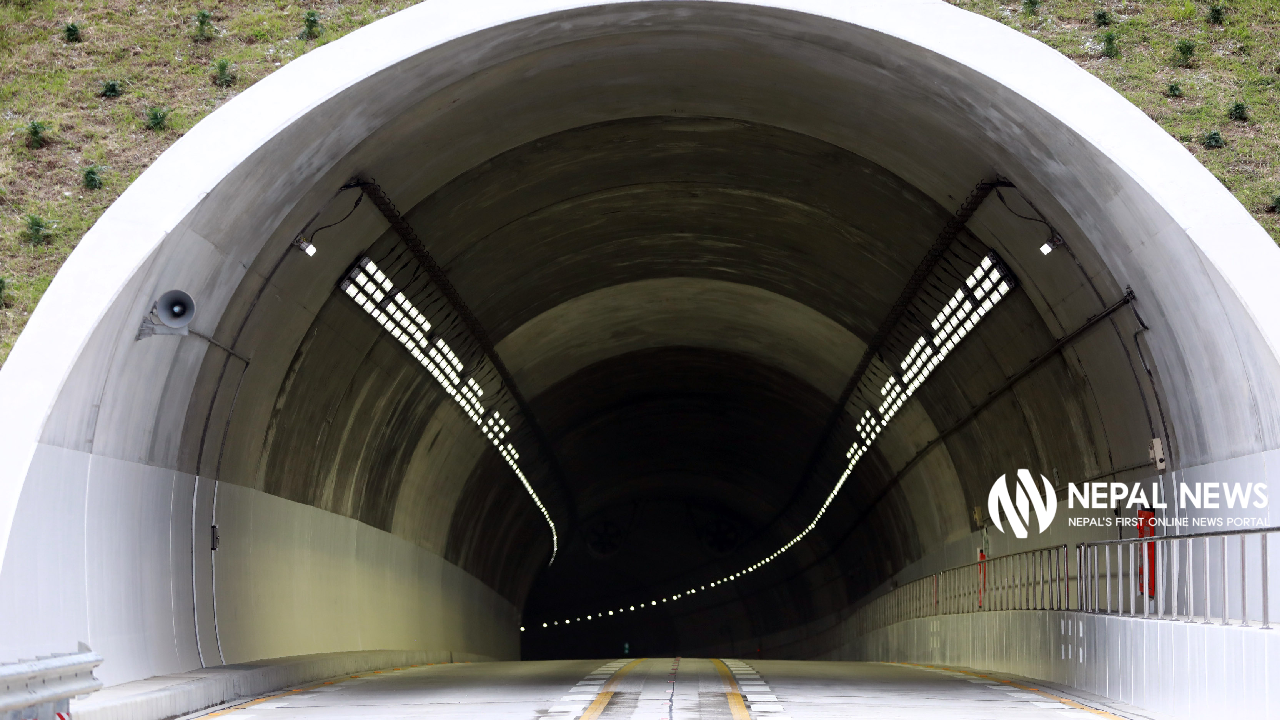
Final testing is also underway for core operating systems required for full deployment, including safety mechanisms, jet-fan ventilation, power supply units, firefighting infrastructure, communication networks, CCTV surveillance, and traffic management systems.
The foundation stone for the Nagdhunga Tunnel project was laid on
October 21, 2019, by the then-Prime Minister KP Sharma Oli.
Built under a concessional loan framework from the Government of Japan, the primary construction responsibility was undertaken by the Japanese firm Hazama Ando Corporation, with a joint venture of Japanese firms providing technical consultancy services.
The total cost of the infrastructure project stands at approximately Rs 22 billion, with the major share managed through a soft loan from the Japan International Cooperation Agency (JICA).
In terms of technical layout, the main tunnel features a length of approximately 2.68 kilometers alongside a separate parallel emergency evacuation tunnel built for rescue operations.
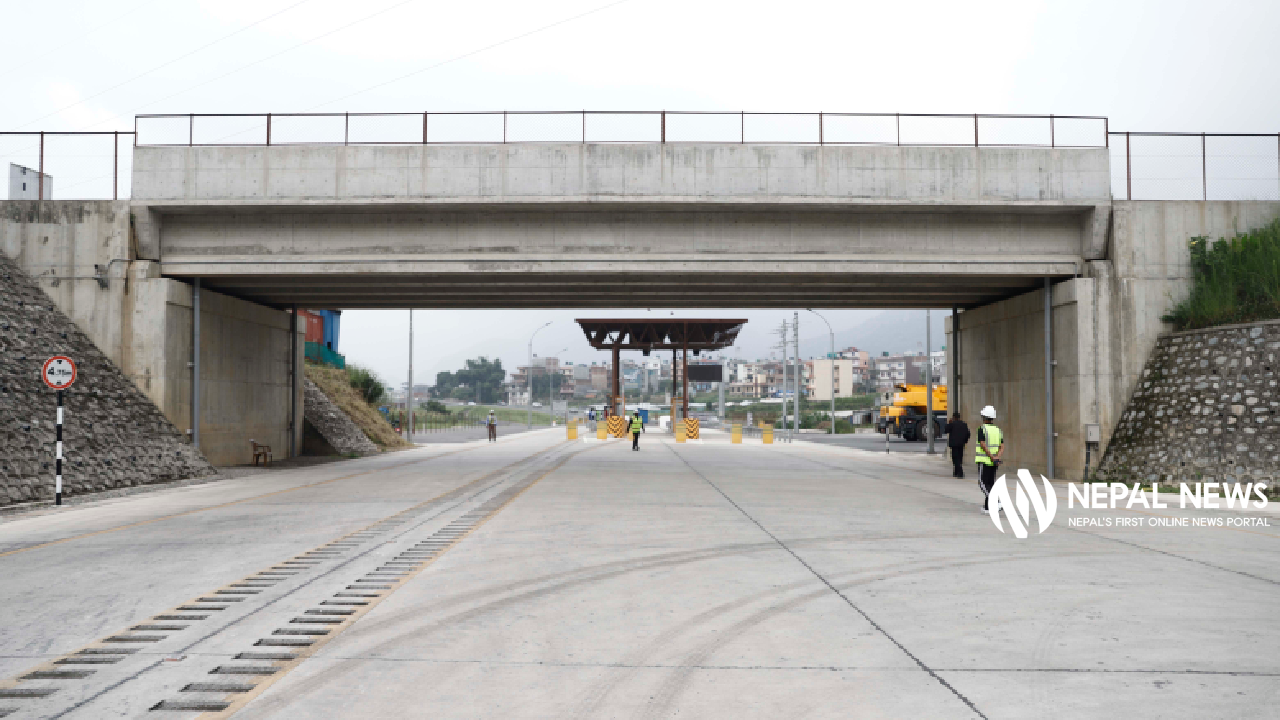
The project scope also encompasses auxiliary infrastructure, including specialized approach roads, a flyover overpass, bridges, and other secondary structures.
Although construction originally commenced in 2019, the project faced completion delays due to the COVID-19 pandemic, land acquisition hurdles, technical complexities, and administrative challenges.
Civil works are now nearly complete as final safety integrations wrap up.
Once officially commissioned, vehicular entry will be strictly regulated under predefined criteria during the initial phase.
Drivers will be required to strictly adhere to mandatory speed limits, vehicle-to-video distance intervals, lane discipline, and rigid security standards inside the passage.
The daily operation, continuous monitoring, and emergency management of the facility will be handled through a state-of-the-art central control center.
Following its full launch, the Nagdhunga Tunnel is expected to make the movement of passengers and freight vehicles entering and exiting the Kathmandu Valley significantly smoother, safer, and faster.
It is anticipated to dramatically reduce the prolonged traffic jams typical of the Nagdhunga road section while contributing substantially to lowering travel times, fuel consumption, and overall vehicle operating costs.
Photos: