Kathmandu
Tuesday, July 14, 2026





DANG: Dang district, widely regarded as the ancestral homeland of the Tharu community, holds cultural significance linked to the belief that the first Tharu king, Dangisharan, once ruled the region.
The western part of the district even has a local government named Dangisharan Rural Municipality in his honor.
In Ward No. 3 of Dangisharan Rural Municipality, the Tharu Cultural Museum at Chakhoura has emerged as one of the major tourist destinations in Lumbini Province.
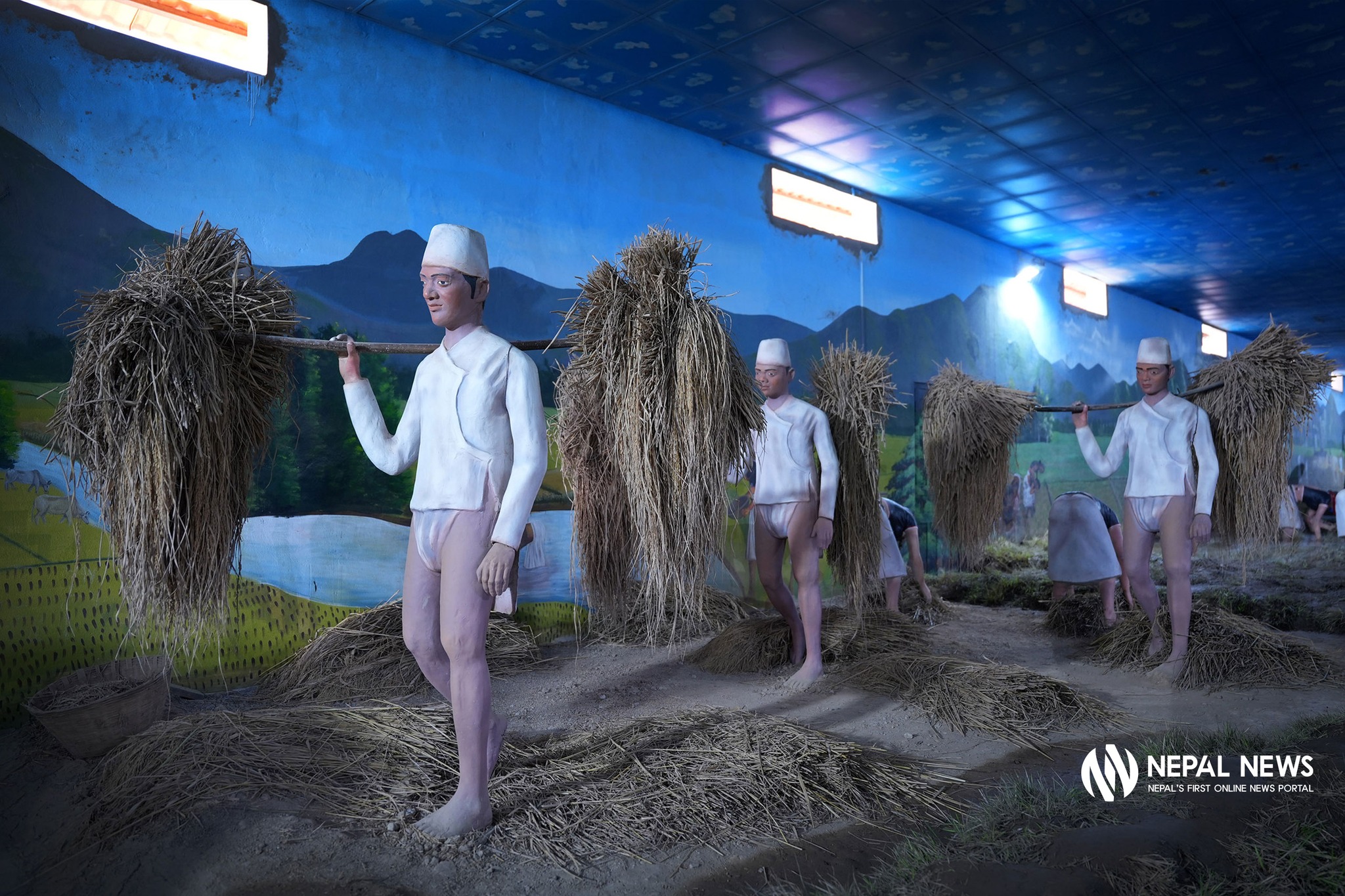
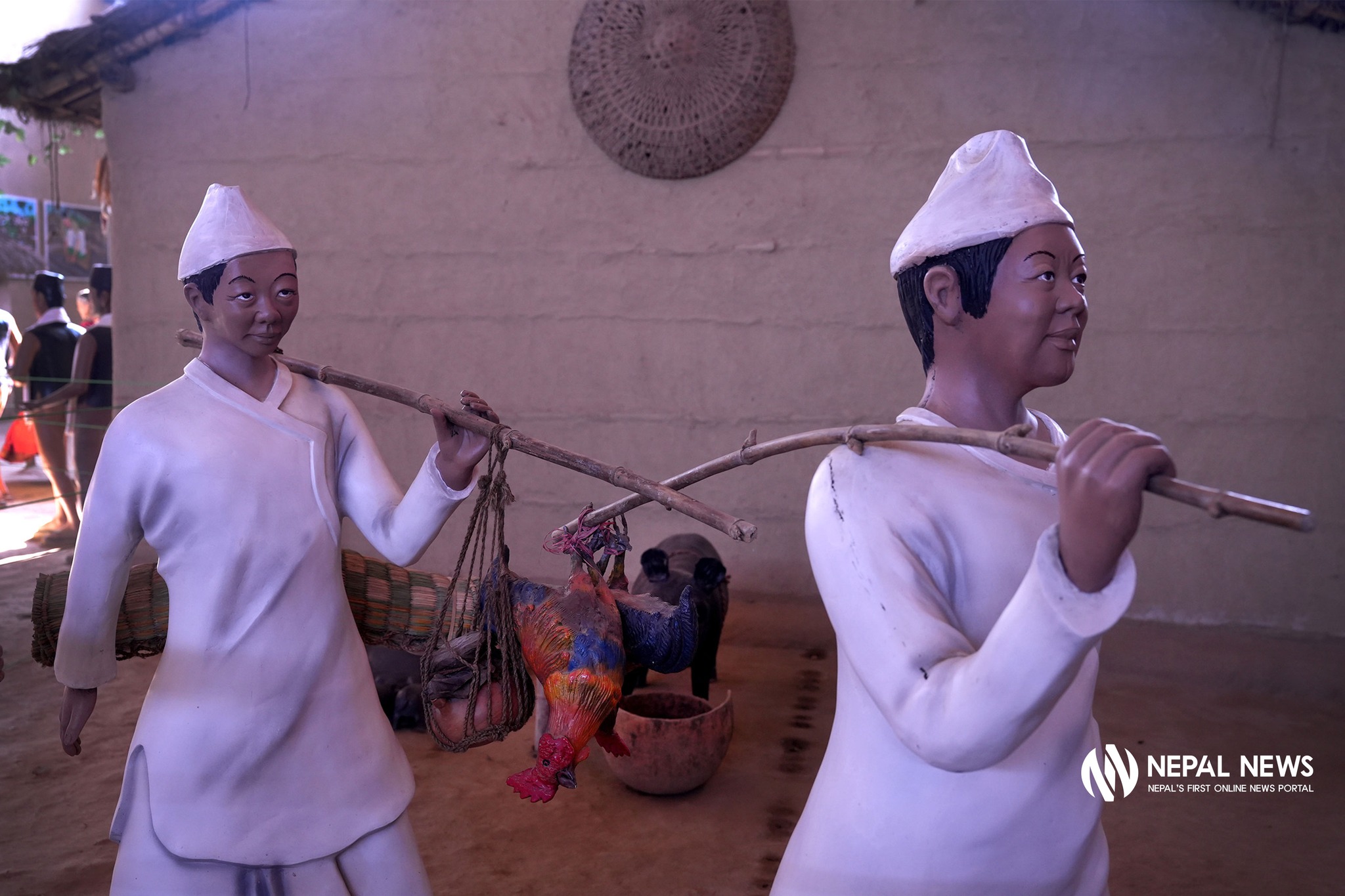
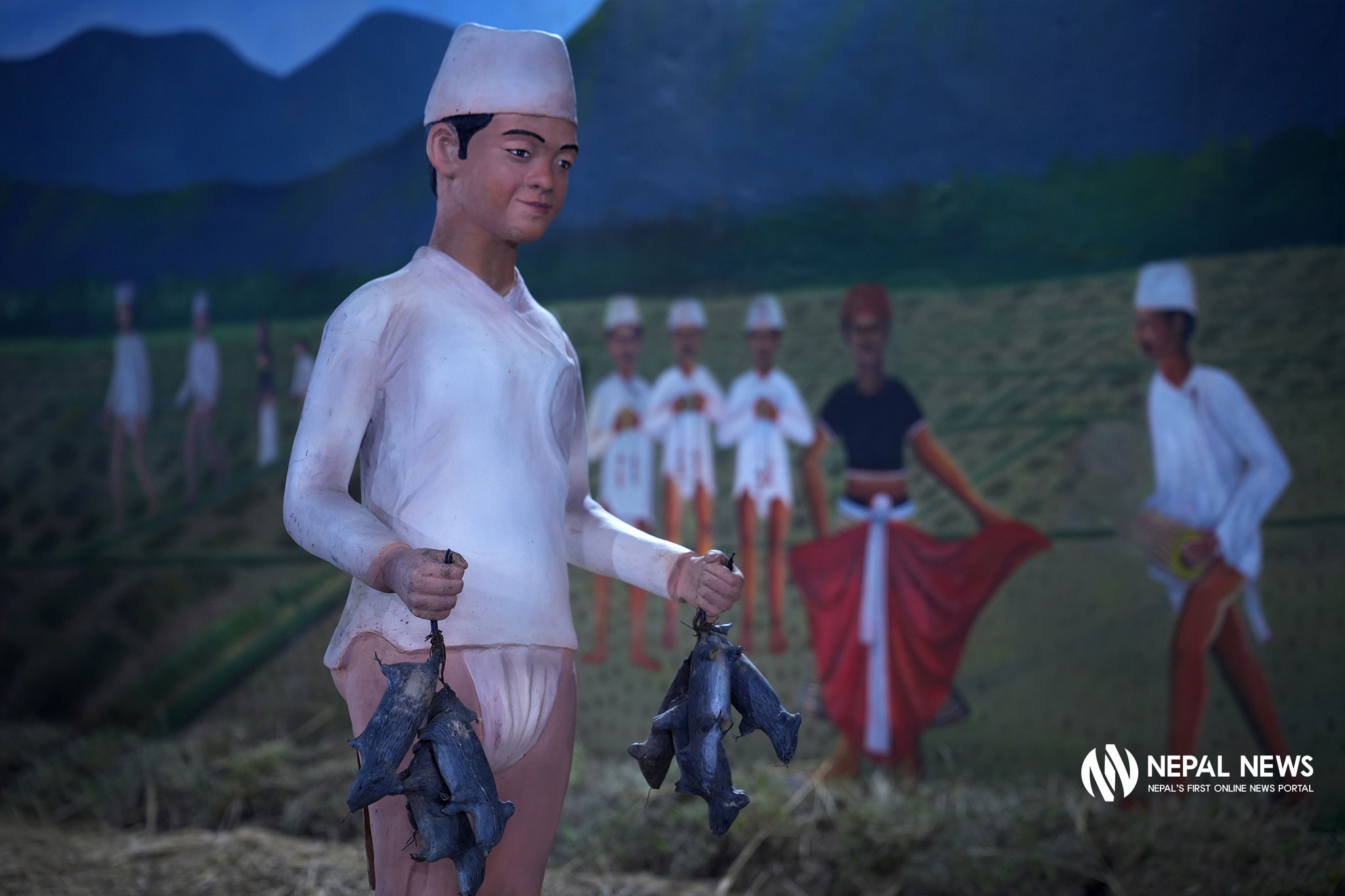
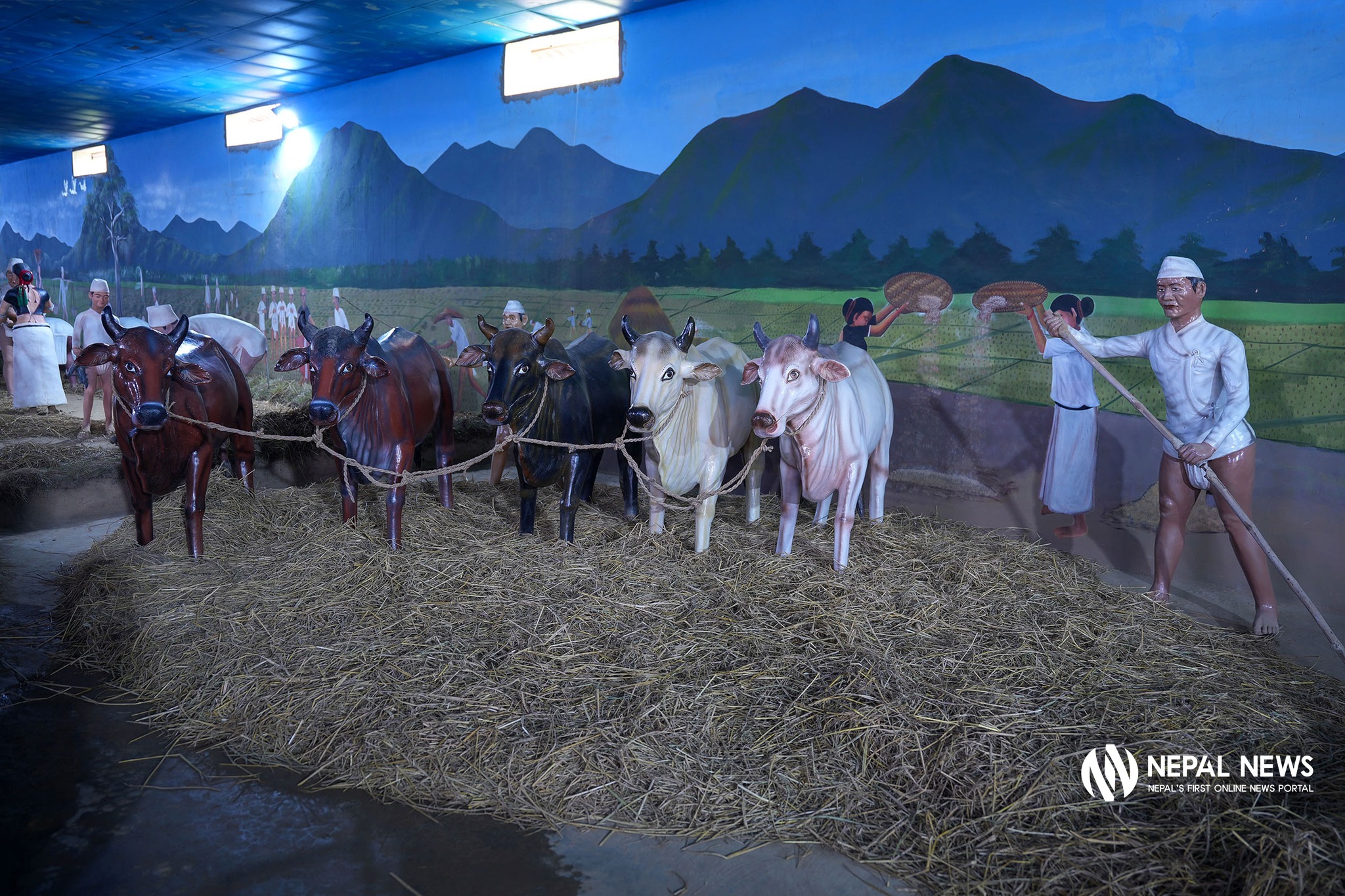
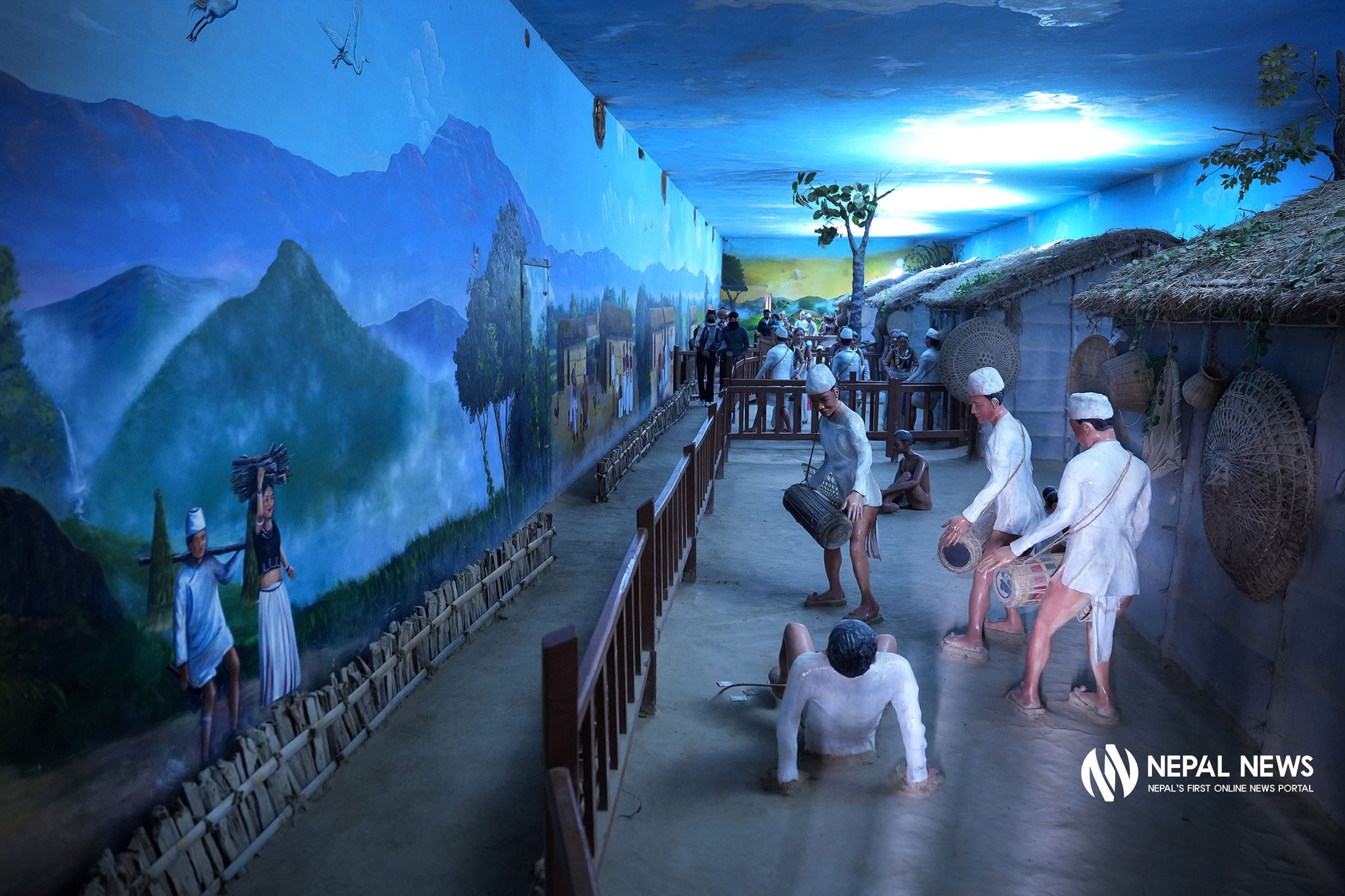
Built with the aim of preserving Tharu history, culture, and traditions, the museum showcases life-cycle rituals, arts, and customs of the Tharu community through detailed and artistic displays.
The museum attracts a large number of visitors daily, including people from outside the Tharu community.
Hundreds to over a thousand tourists visit each day to observe the cultural heritage and lifestyle of Tharus from Dang and other districts across Nepal.
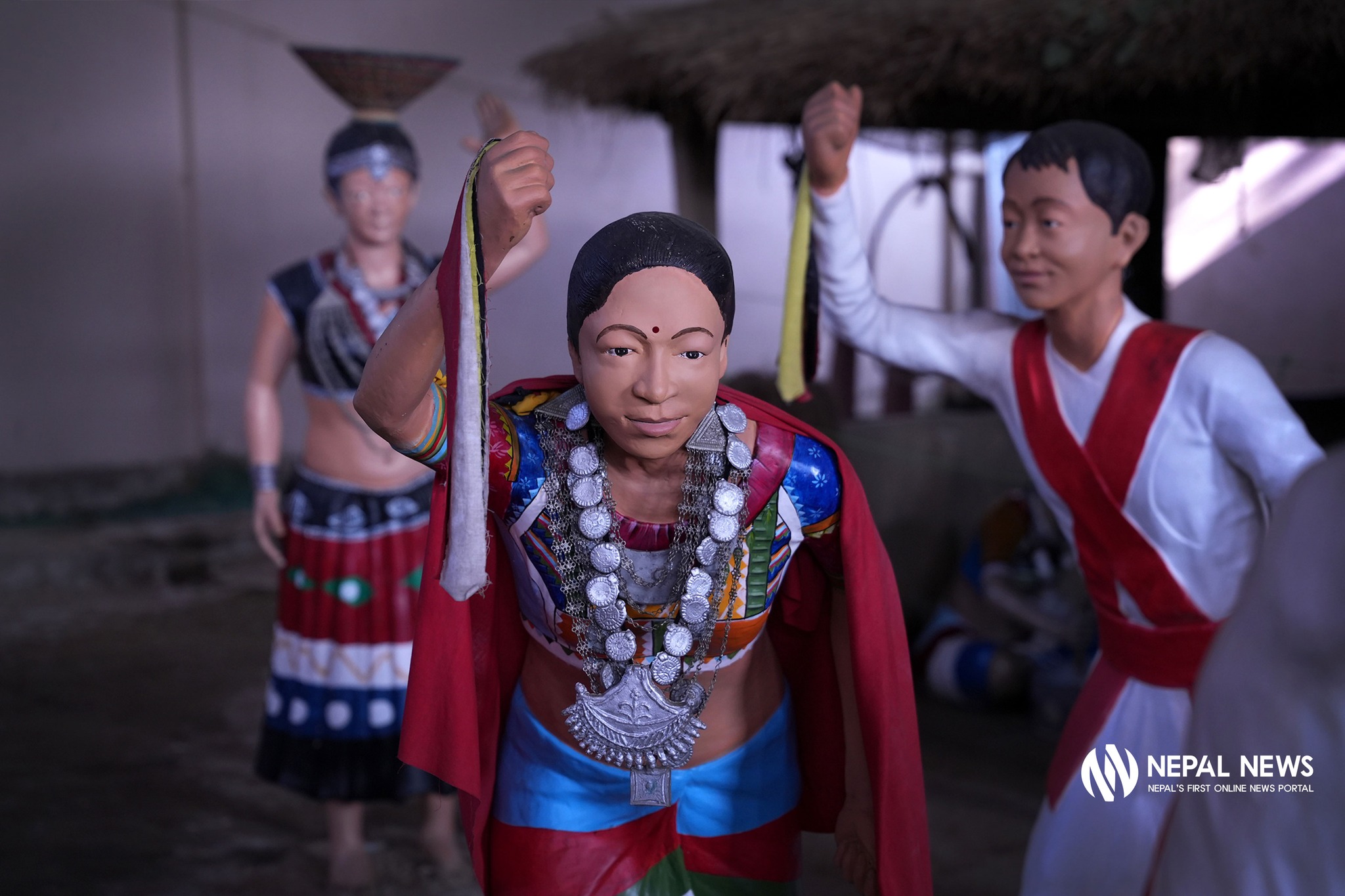
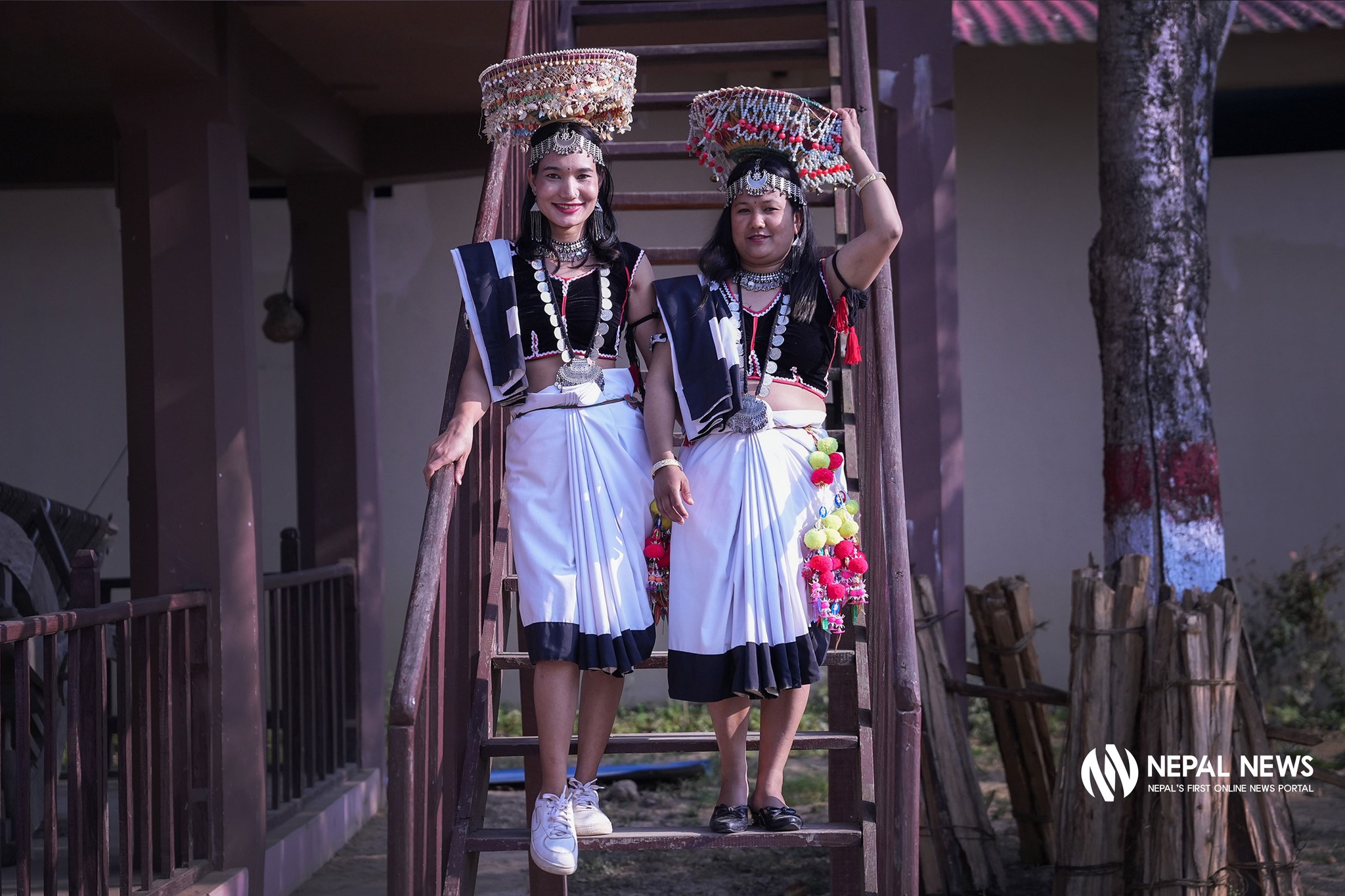
Inside the museum are traditional Tharu-style houses, rooms, granaries, places of worship, and spaces representing birth and death rituals. Exhibits also include traditional clothing, ornaments, and costumes used in cultural dances and ceremonies.
The museum represents Tharu communities from various regions including Dang, Chitwan, Kailali, Kanchanpur, Banke, Bardiya, and Morang, preserving their shared cultural identity. It also features statues, historical figures, and maps, including a statue of King Dangisharan.
Spread across around 12,600 square meters of land, the museum houses more than 200 statues and multiple facilities including exhibition buildings, a rest house, theater hall, library, recording studio, souvenir house, guest house, restaurant, and a meeting hall. Traditional Tharu dishes are served at the restaurant, and accommodation is available for visitors.
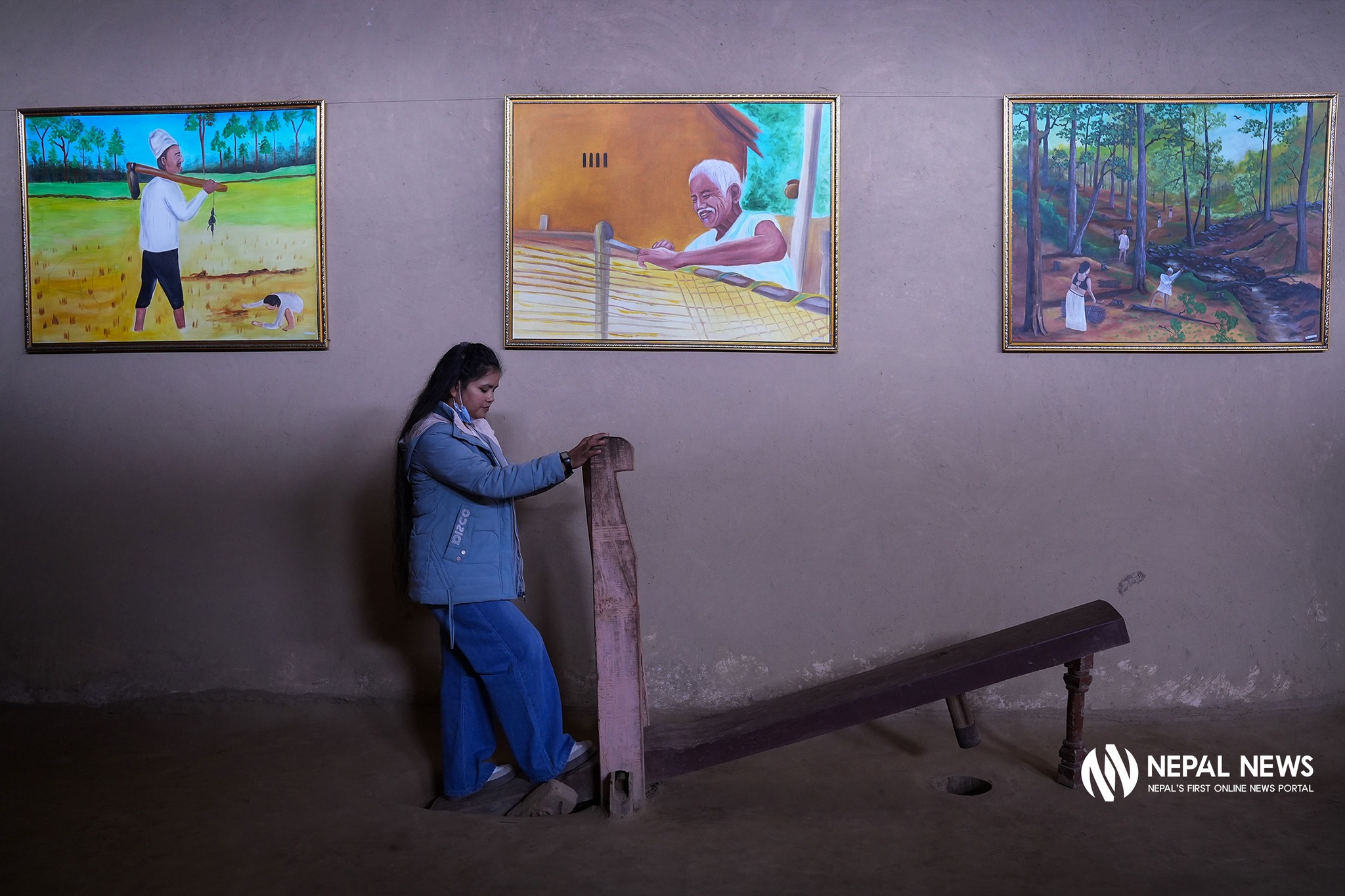
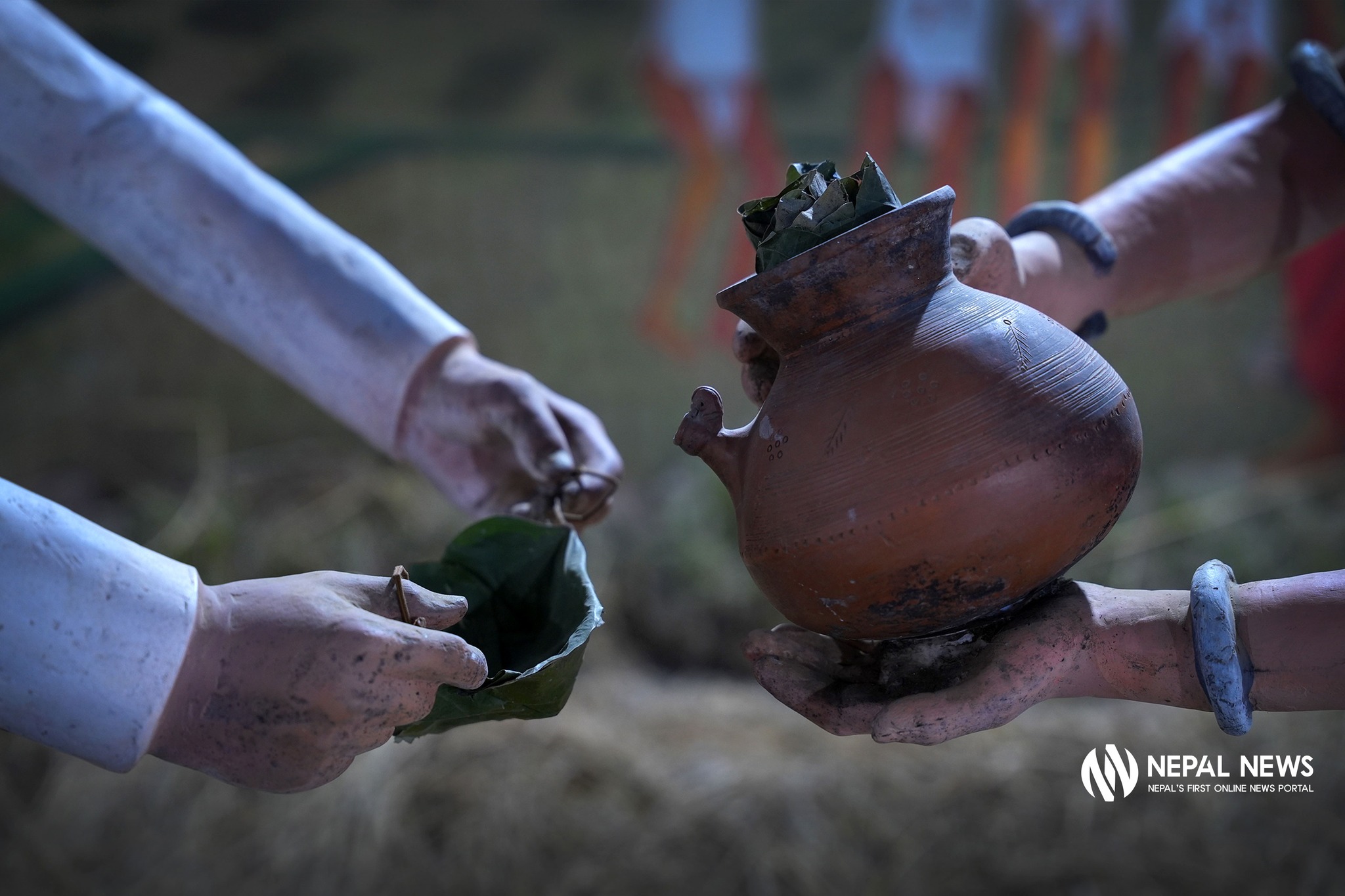
The museum also preserves agricultural tools, clay pots, woven baskets, wooden footwear, silver ornaments, and fishing equipment used in traditional Tharu livelihoods. Cultural displays of fishing practices, irrigation systems, and rituals further enhance the visitor experience.
Guides are available to assist tourists, and the museum has created local employment opportunities for around two dozen people directly.
It has also supported hundreds indirectly through local production and sales of vegetables, fish, traditional foods, and handicrafts, contributing to the local economy.
Photos: