Kathmandu
Sunday, July 12, 2026





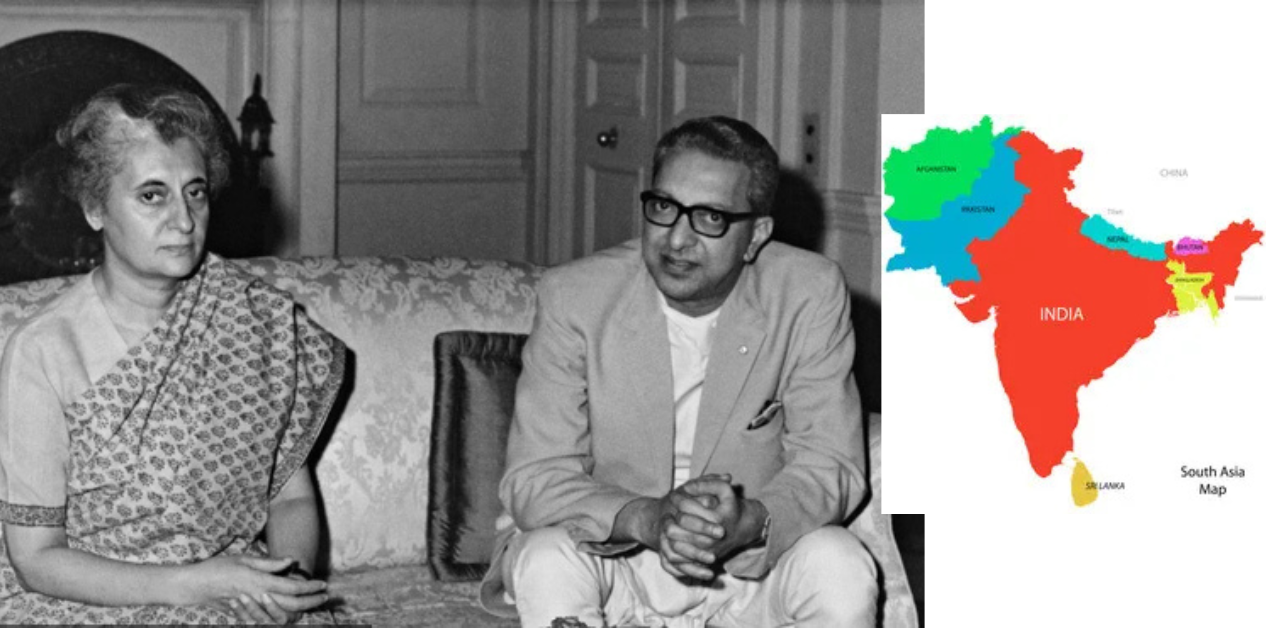
After India imposed an economic blockade for nearly 17 months, King Mahendra proposed to Indian Prime Minister Indira Gandhi that the Nepal–India border be sealed
KATHMANDU: When the transit and trade treaty with India was due to expire in 1969, Nawaraj Subedi was the Minister for Industry and Commerce. Nepal’s position at that time was to have separate transit and trade treaties in accordance with international practice.
But India’s position was: “Why have separate treaties? One combined treaty as before will do.” When a trade agreement was made between Nepal and India in 1950, transit and commerce had been put in the same “basket” and a single treaty signed. Till mid-April 1969, this arrangement remained in place.
The international practice was to have separate transit and trade treaties. Nepal therefore insisted that when a new treaty was made in 1969, international standards be followed.
But India raised a quarrel. It said there was “deflection of trade” because of Nepal, meaning Nepal was causing distortion in India’s trade. Using this as a pretext, it devised various means to derail the negotiations. The Indian side alleged that goods Nepal brought in from third countries, when not consumed domestically, were entering India and causing economic losses.
Former minister Subedi, who had gone to Delhi to negotiate with India at that time, recalls, “As the dispute grew, Indian officials suggested – ‘why do you (Nepal) trade with third countries? Whatever goods Nepal needs, we will provide. How many dollars do you need? Ask us, we will give that too. Don’t trade with third countries.’”
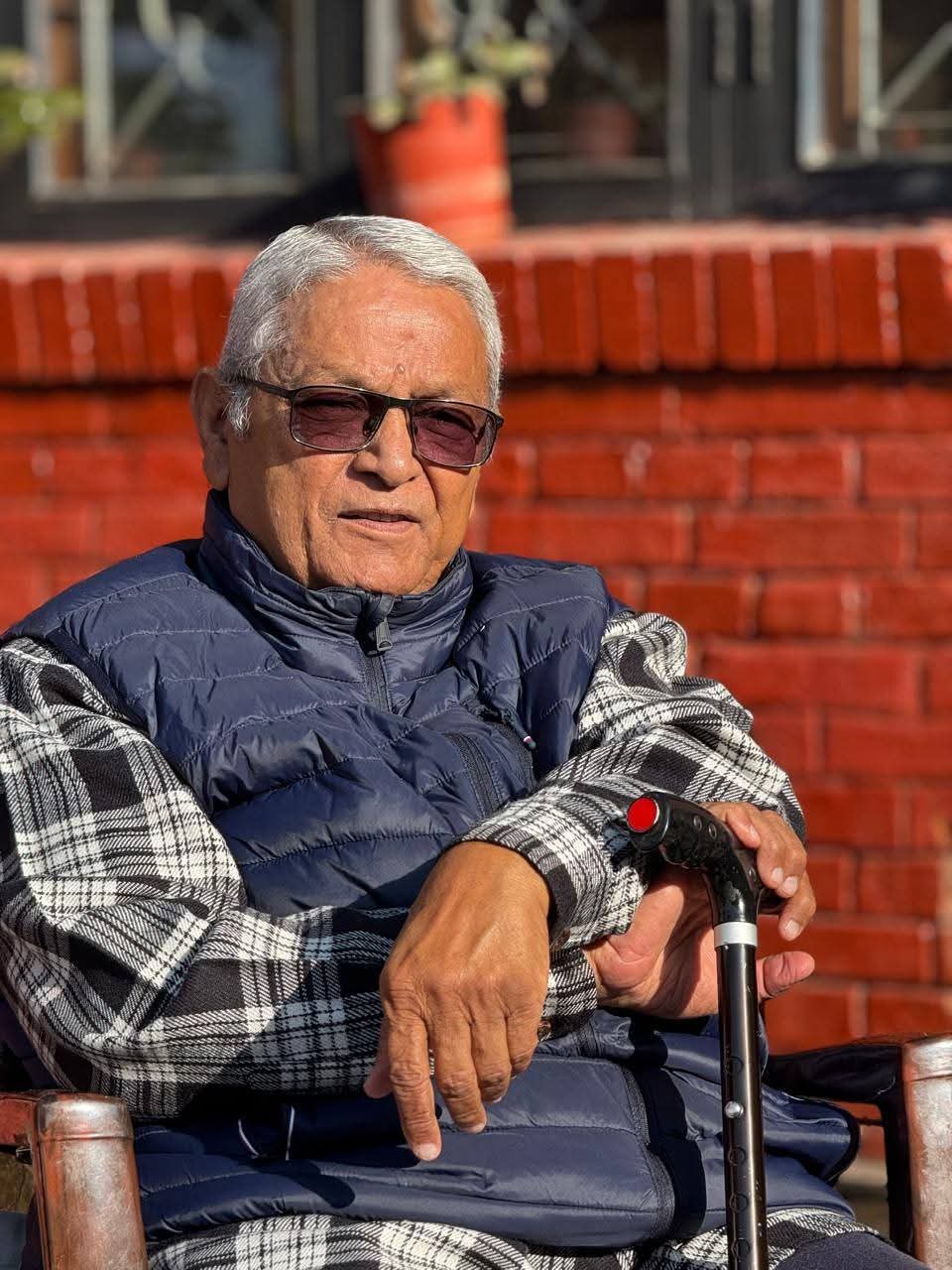
Nawaraj Subedi. Subedi’s Facebook
Since Nepal was a sovereign country, stopping trade with third countries was out of the question. The then government was also alert to the fact that depending on a single country would in the future pose a threat to sovereignty itself. For this reason, India imposed a blockade against Nepal for roughly one and a half years between mid-April 1969 and September 1970.
The Indian action caused great suffering for Nepalis, but the blockade proved counterproductive for India itself. It was precisely because of the Indian blockade that Nepal reached out to China for the first time. China’s geography was not as accessible then as it is now. The Kodari Highway had just opened as the sole crossing point, and bringing goods through it was extremely difficult.
India’s blockade did cause hardship for Nepalis. But it did something remarkable – it awakened a spirit of nationalism in all Nepalis. Realizing that dependence on others creates difficulties, some industries were established.
“They said it took a week to reach China from Kodari through Tibet. So the government had tried to provide relief by airlifting petrol and kerosene from Singapore,” says Lila Prasad Lohani, 103 years old, who lived through the 1969-1970 blockade.
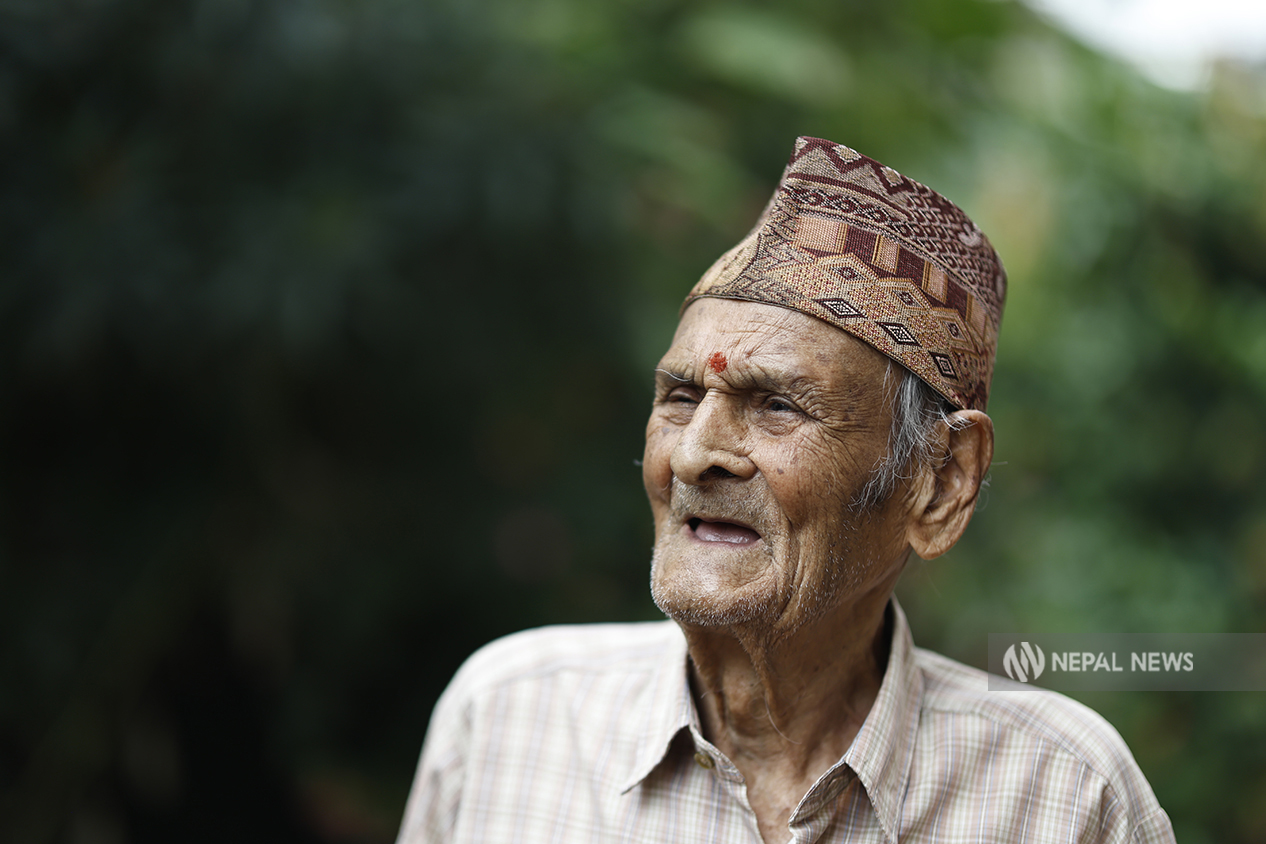
Lila Prasad Lohani. Photo: Bikram Rai/NepalNews
India’s blockade did cause hardship for Nepalis. But it did something remarkable – it awakened a spirit of nationalism in all Nepalis. Realizing that dependence on others creates difficulties, some industries were established. Nepal Oil Corporation was founded at that very time. At the same time, a small industries corporation was also established to encourage small industries including textiles.
“Such a great sense of nationalism awakened inside the country that Nepalis who used to ride cars stopped riding them. Bishwa Bandhu Thapa, president of the ‘Return to the Village Campaign,’ used to come to the office on a bicycle,” recalls Lohani, former director of Nepal Industrial Development Corporation (NIDC).
India’s purpose in imposing the blockade on Nepal was not only “deflection of trade”; there were political reasons too. While the Indian blockade was still in place, it was decided that the Third Summit of Non-Aligned Nations would be held in Lusaka, Zambia on September 8-10, 1970. Upon learning that King Mahendra was scheduled to travel via Pakistan to attend, India hastily made a request – the Indian government was ready to welcome the Nepali King in Delhi!
Coming while Nepal was under an economic blockade, this proposal from the Indian government was indeed worth welcoming. King Mahendra therefore cancelled his pre-planned itinerary and decided to travel via Delhi to Lusaka.
King Mahendra stayed five days in Delhi. With the trade agreement with India at an impasse, he had two to three rounds of discussion with Prime Minister Indira Gandhi. After the talks, King Mahendra summarized the main points into a note and sent it to the Indian Prime Minister. The Indian side had no particular objection to the other points in the note King Mahendra sent. But they became angry over one point – sealing the Nepal-India border.
Recalling that episode, Subedi says, “I had also raised this same point in negotiations with India. Fine, if deflection of trade is happening because of us, then let’s seal the border. They would agree verbally, say let’s do it. But when I brought a written proposal, they would not accept it. They would try to evade it. They would get angry.”
In such a situation, when the King himself proposed sealing the border, India completely lost its composure.
Then another incident occurred in Lusaka. At the summit, kings and monarchs were seated in the front rows and prime ministers and ministers behind them. According to protocol, King Mahendra’s seat was in the front and Indira Gandhi’s behind.
Indian newspapers began a “propaganda” campaign, saying the King had not even stood up to shake hands with the prime minister of a large country, and a woman prime minister at that. The newspaper splashed the news in large types. Nepal’s king was roundly condemned for failing to show even basic courtesy.
King Mahendra had arrived at the conference hall early and was already seated. A little later, when Indira arrived at the hall and was about to take her seat behind, she noticed King Mahendra. She quickly got up and came behind the King’s seat, extending her hand from behind to shake hands. At that moment Mahendra was absorbed in watching what was happening in front of him and did not notice that Indira had extended her hand.
Then-foreign minister Gehendra Raj Rajbhandari was also part of the delegation. It was he who informed King Mahendra – “Your Majesty, Mrs. Gandhi is extending her hand from behind.”
Upon hearing this, King Mahendra tried to rise. But since the seat he was in was tucked inward, it took time to get out. The King shook Indira’s hand while still seated. After the handshake, Indira returned to her own seat.
Indian newspapers began a “propaganda” campaign, saying the King had not even stood up to shake hands with the prime minister of a large country, and a woman prime minister at that. The newspaper splashed the news in large types. Nepal’s king was roundly condemned for failing to show even basic courtesy.
“My understanding is that these two incidents served to prolong India’s blockade,” he says.
Subedi had feared the King might ask for his resignation right at the airport. But when he landed at Tribhuvan Airport, First Minister Gahendra Bahadur and all other ministers, top-ranking officials, secretaries, and undersecretaries were there with garlands to welcome him.
In 1970, a team led by Commerce Ministry secretary Pushkar Nath Panta had gone to Delhi for negotiations during the Tihar festival. Three or four days later, Panta called Minister Subedi from Delhi saying, “The negotiations have not succeeded this time either. Should we return tomorrow?”
At that time only five ministers had been appointed. Cabinet meetings were held at the palace under the chairmanship of King Mahendra. Subedi says, “I had barely mentioned in the Cabinet meeting that the treaty was not going to happen and that Secretary Panta was saying he would return tomorrow, when King Mahendra said, ‘Take Bhesh Bahadur Thapa and Yadunath Khanal and go to Delhi today and try once more.’”
The meeting was held at 2-3 in the afternoon. The moment the King’s order was received, tickets for three were immediately confirmed, and after informing the Indian Embassy in Lainchaur, Subedi and his team flew to Delhi.
When the Nepali delegation landed at Delhi’s international airport at 7 pm on short notice, India’s Minister of State for Commerce had come to the airport to receive them. They were put up at the Ashoka Hotel.
In India, Nawaraj Subedi and his Indian counterpart Minister Lalit Narayan Mishra had three consecutive days of talks. But no solution emerged from the negotiations. “The third day was Haltihaar. Lalit Narayan came in the afternoon and began saying, ‘all right, that’s enough. Let’s suspend the talks for now. After Tihar I’ll come to Kathmandu myself and we can talk there’,” says Subedi.
After the talks broke down, Lalit Narayan took Subedi aside and said something else. He urged him to meet Indian Prime Minister Indira Gandhi, saying, “Mrs Gandhi wishes to meet with you.”
But Subedi flatly rejected this proposal. He says, “I askeed – will meeting Mrs Gandhi lead to a treaty? When Lalit Narayan said the treaty would not happen now, I said I would meet her after the treaty was done.”
When that private conversation between the two counterparts became known, Subedi shared it with his team members. Upon hearing this, Nepal’s Ambassador in Delhi, Sardar Bhim Bahadur Pande, became greatly worried. He said, “You have refused Mrs. Gandhi’s proposal. Now Nepal will face a great problem. A minister refusing to meet Mrs Gandhi. What times have come.”
Seeing Bhimbahadur agitated, Subedi was surprised. He said, “I did what I thought was right. I have done what is good for the nation.”
The King had already received word that Nawaraj Subedi had not met Indira Gandhi. “He had told me even as I was leaving for India: ‘you are a minister of a sovereign nation. Come back having negotiated a good treaty without bowing down,’” he recalls.
Subedi had feared the King might ask for his resignation right at Nepal’s airport. But when he landed at Tribhuvan Airport, First Minister Gahendra Bahadur along with all ministers, top-ranking officials, secretaries, and undersecretaries were there with garlands to welcome him. He was astonished. Right at the airport, Gahendra Bahadur said, “His Majesty has called a Cabinet meeting at the palace. Let us go directly, your excellency.”
As Subedi entered the palace heading toward the meeting room, King Mahendra was also coming out of a room. The moment he saw Subedi, he came close and said: “Well done, Nawaraj. You did the right thing.”
The King had already received word that Nawaraj Subedi had not met Indira Gandhi. “He had told me even as I was leaving for India — you are a minister of a sovereign nation. Come back having negotiated a good treaty without bowing down,” he recalls.
It was precisely because of the King’s trust that he did not meet Indira Gandhi, he says. A short time later, India itself backed down. International pressure also mounted. Around this time the Cabinet was reshuffled and Kirti Nidhi Bista was appointed Prime Minister. After this, the Indian Ambassador himself came to seek a settlement. Lalit Narayan Mishra came to Kathmandu and the treaty was signed while Subedi was still in his post.
When the new treaty was signed, India backed away from the “deflection of trade” issue, and on Nepal’s demand for separate transit and trade treaties an agreement was reached – to keep them combined for now, with a commitment to separate them in the near future.
Today, separate treaties on both matters have been signed. In the end, India could not prove any justification for having imposed the blockade.