Kathmandu
Sunday, July 5, 2026





Nepal's first female Attorney General faces mounting scrutiny after endorsing a non-prosecution decision in a major tax evasion case, adding to existing Supreme Court challenges over a fertility clinic conflict of interest and charge amendments in the case against RSP Chairman Rabi Lamichhane. Bhandari's controversial decisions did not stop even as the interim government neared its end.
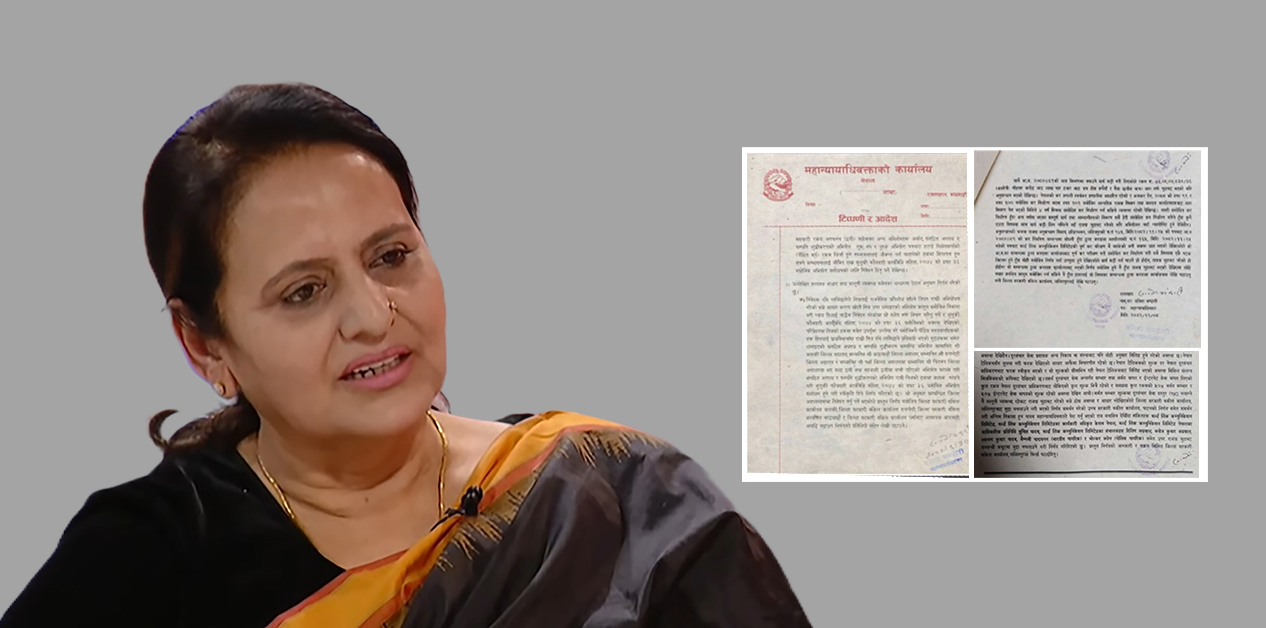
KATHMANDU: When the Sushila Karki-led government which was formed after the Gen Z movement appointed Sabita Bhandari as Attorney General, she made history as the country’s first woman to hold the position. However, within just six months of her tenure, she has found herself mired in one controversy after another.
From the very beginning of her appointment, she has continuously courted controversy, first by deciding not to prosecute in an egg trafficking case involving a clinic connected to family members with a conflict of interest, then by amending charges in a case connected to Rastriya Swatantra Party Chairman Rabi Lamichhane relating to organized crime and money laundering, and now by deciding not to prosecute in the ‘revenue leakage’ case involving internet service provider, World Link.
The Department of Revenue Investigation had submitted a report to the government attorney stating that World Link Communications had committed revenue leakage of over Rs 2.943 billion by showing 100 percent maintenance charges for ‘fixed broadband’ under telecom service fees from fiscal year 2020/21 to 2024/25 without depositing the collected tax into government accounts. Additionally, department director Santosh Kumar Neupane had filed a complaint for case registration, alleging that Rs 730.08 million in revenue had been evaded by deducting non-deductible expenses in the income statement for FY 2024/25. However, after the District Government Attorney’s Office Lalitpur and the High Government Attorney’s Office Patan decided not to prosecute, Attorney General Bhandari endorsed that decision.
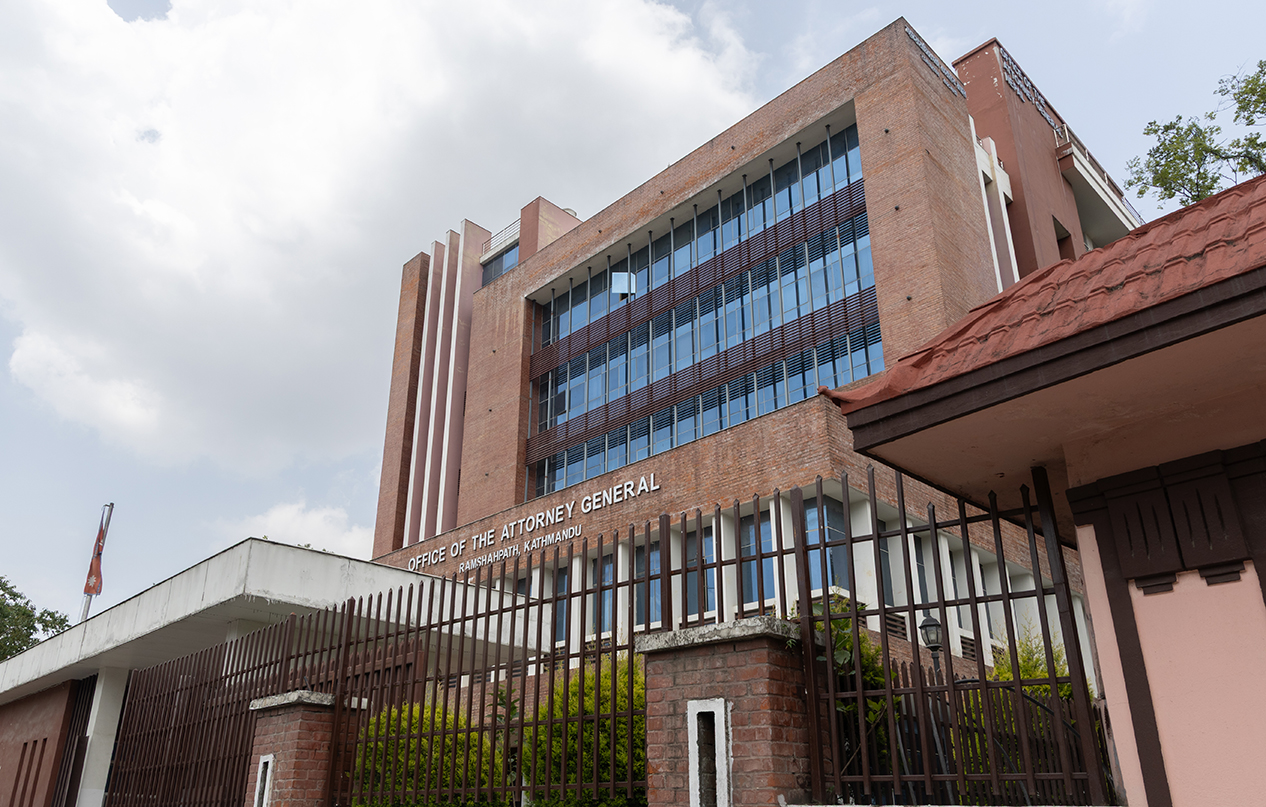
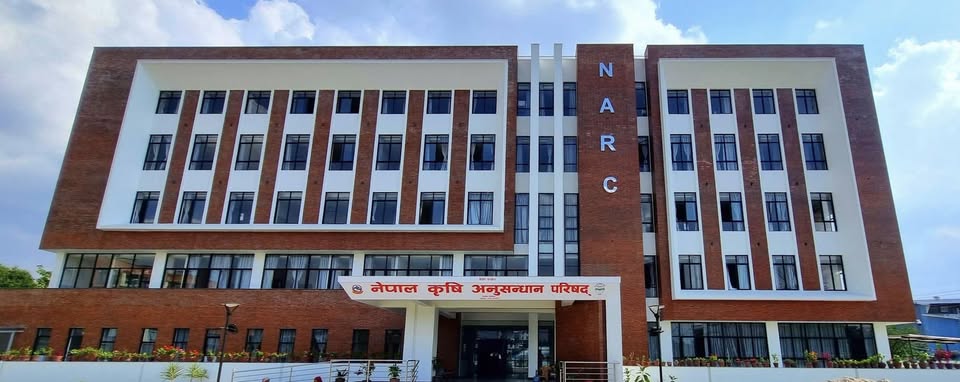
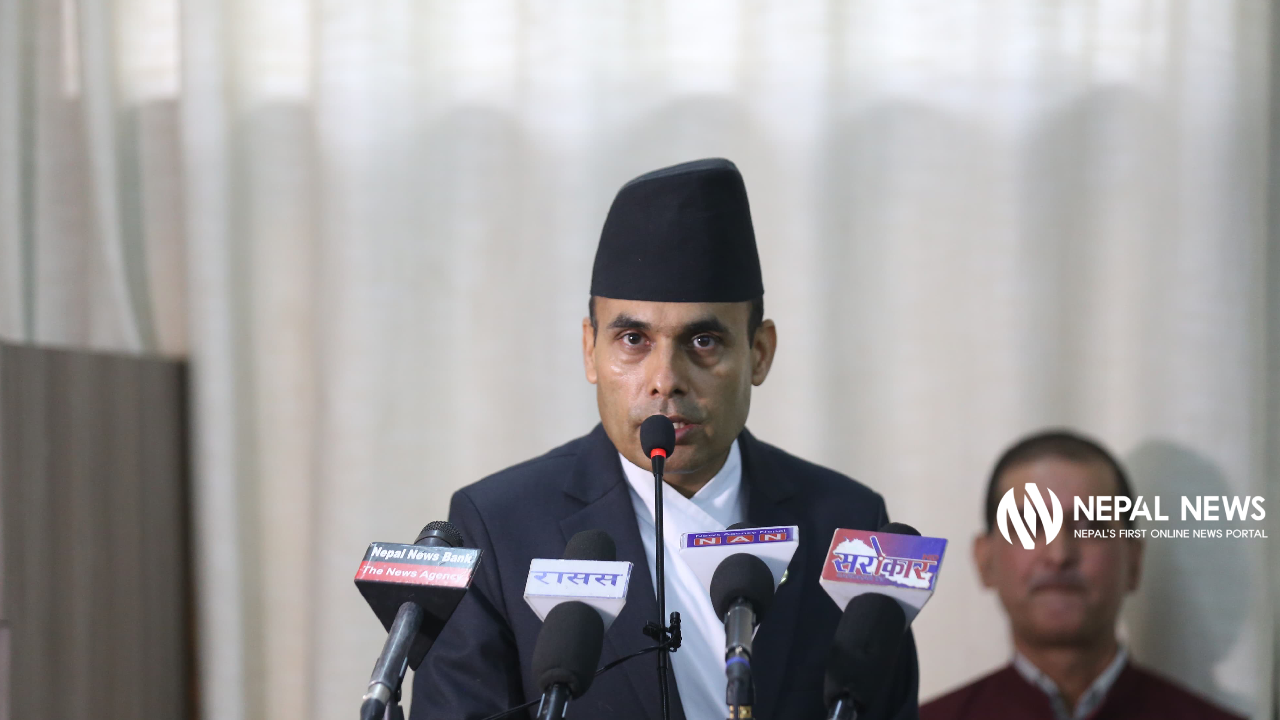
The Office of the Attorney General. Photo: Bikram Rai/Nepal News
“I have decided not to prosecute World Link Communications company, the company’s executive officer Keshav Nepal, official representative Sunil Yadav, and directors Dilip Agrawal, Manoj Kumar Agrawal, Lakshman Kumar Yadav, Vaishnavi Narayanan (Indian citizen), and Volker Klein (Polish citizen) for revenue leakage offences,” reads Attorney General Bhandari’s decision made on March 22.
Bhandari’s decision notes that “Nepal’s tax system is based on a self-assessment system, and if tax is assessed under Sections 99 and 100 of the Income Tax Act 2058 BS, there is a provision to make revised tax assessments within four years from the date of submission of the income statement by the Inland Revenue Department and its subordinate offices under Section 101.” Bhandari stated in the non-prosecution decision that tax is assessed only after looking at all income and expenses. She wrote in the decision, “Since the revised tax assessment is made after examining all income and expenses in the income year, it does not appear justified to prosecute for revenue leakage when it is not permissible to claim expense deductions on just one item alone.”
The Constitution and law give the Attorney General the authority to decide not to prosecute. However, in recent times, accusations have been made that the Attorney General has abused this authority.
Ashish Aryal, information officer of the Department of Revenue Investigation, says a report claiming more than Rs 7 billion, adding Rs 3 .67 billion in the claim plus equal fines, was submitted to the District Government Attorney’s Office Lalitpur for case registration. “We submitted the original case file because the Attorney General’s office requested it. We will provide information about what decision was made once the file officially comes back,” he says.
Separate writ petitions have already been filed at the Supreme Court, questioning Attorney General Bhandari’s two previous decisions. This latest decision, made at a time when it had already become certain that a government with a clear majority of the Rastriya Swatantra Party would form after the March 5 election, has been regarded with suspicion.
The Constitution and law give the Attorney General the authority to decide not to prosecute. However, in recent times, accusations have been made that the Attorney General has abused this authority. The decision made by Attorney General Bhandari on 14 January 2026 to amend charges in a case already pending before court raised questions about her role. She faced public criticism after making the controversial decision to amend charges in a case connected to RSP Chairman Lamichhane. Attorney General Bhandari had decided to amend the very charges in cases connected to Lamichhane involving organized crime and money laundering that had already been registered in five courts and were progressing through proceedings.
Just as the Government Attorney’s Office was about to register a case against Hope Fertility and Diagnostic in Babarmahal, Kathmandu, the Attorney General’s office issued a non-prosecution decision on 16 October 2025.
Nepal Bar Association Secretary General Kedar Prasad Koirala says the Attorney General should not decide against prosecution in matters where strong evidence exists. Noting that political interests increase the likelihood of authority being abused, he says, “A decision not to prosecute in a matter that has been seriously investigated and recommended for prosecution leads to impunity. Just as over-prosecution is wrong, so is failing to prosecute at all. Both are acts against the law.”
Bhandari, who was appointed Attorney General on 14 September 2025, had made a decision not to prosecute in a matter connected to egg trafficking. Just as the Government Attorney’s Office was about to register a case against Hope Fertility and Diagnostic in Babarmahal, Kathmandu, the Attorney General’s office issued a non-prosecution decision on 16 October 2025.
There is a question of ‘whether a decision claiming the Attorney General exercised absolute professional immunity and operational independence can or cannot become a subject of judicial review by the court.’
After a complaint that adolescent girls had been lured and their eggs collected, the Central Investigation Bureau of Nepal Police had investigated and submitted a report recommending prosecution. A writ petition was filed at the Supreme Court alleging a conflict of interest in the non-prosecution decision, on the grounds that Bhandari herself had investments in Hope Fertility, her own daughter was employed there, and chief Dr Swasti Sharma was also a relative.
On 1 December 2025, the Supreme Court had issued an order demanding reasons for the decision. The order gave priority to the case, raising the question of ‘whether a decision claiming the Attorney General exercised absolute professional immunity and operational independence can or cannot become a subject of judicial review by the court.’ This case, which was adjourned by the petitioner’s lawyer on 28 January 2026 and could not be heard on 15 March 2026, remains pending before the court.