Kathmandu
Sunday, July 26, 2026





The collapse of the Kohalpur-Surkhet 132 kV transmission line within three months of its operation represents a catastrophic setback for Karnali Province's energy security.
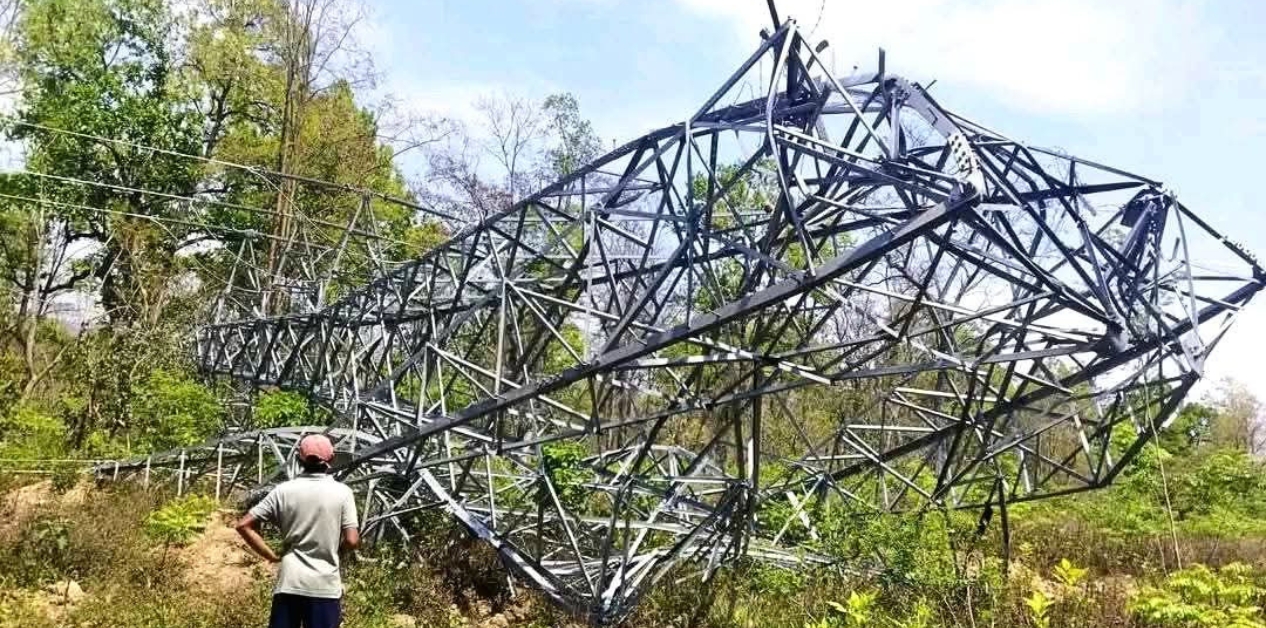
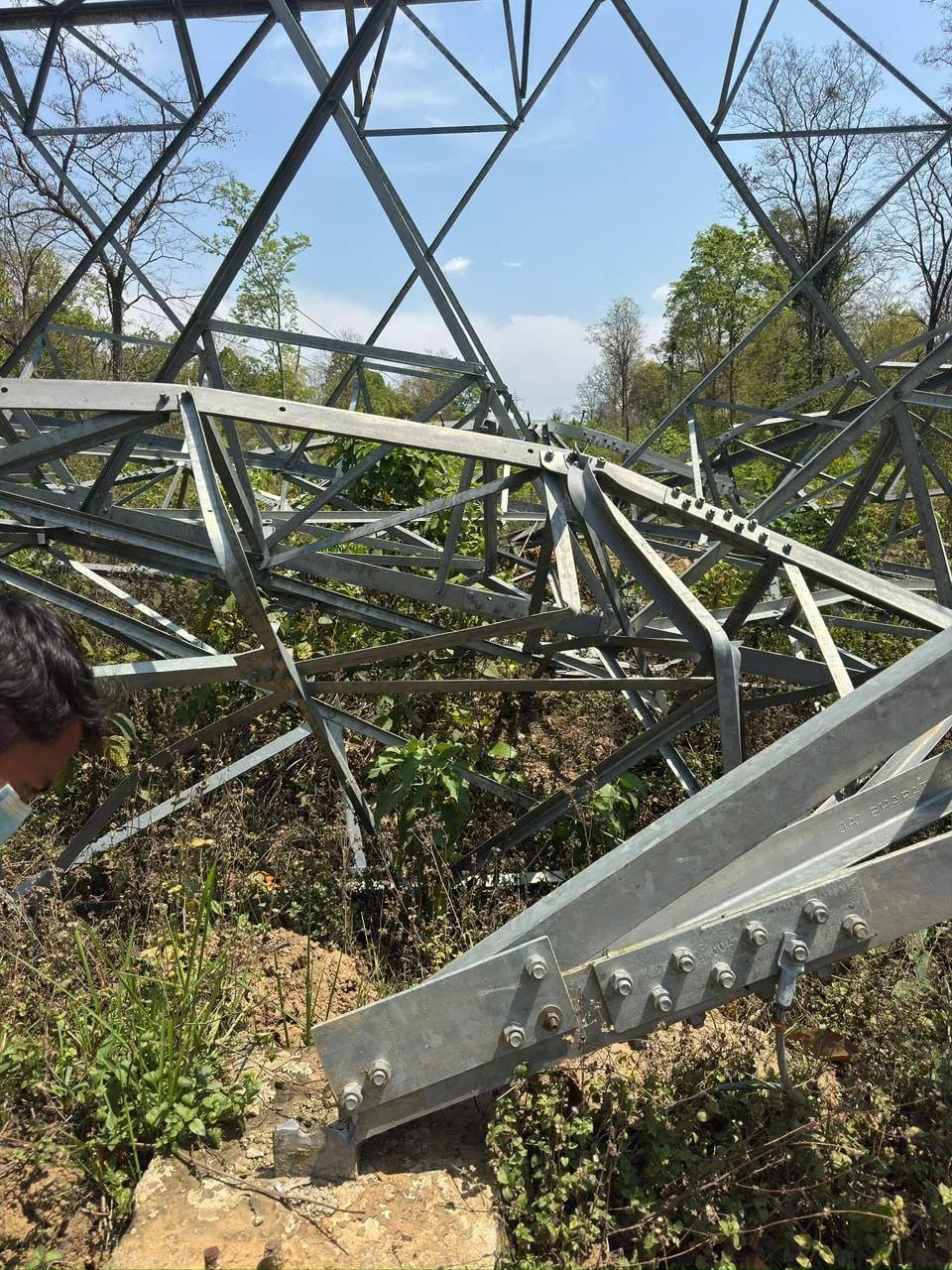
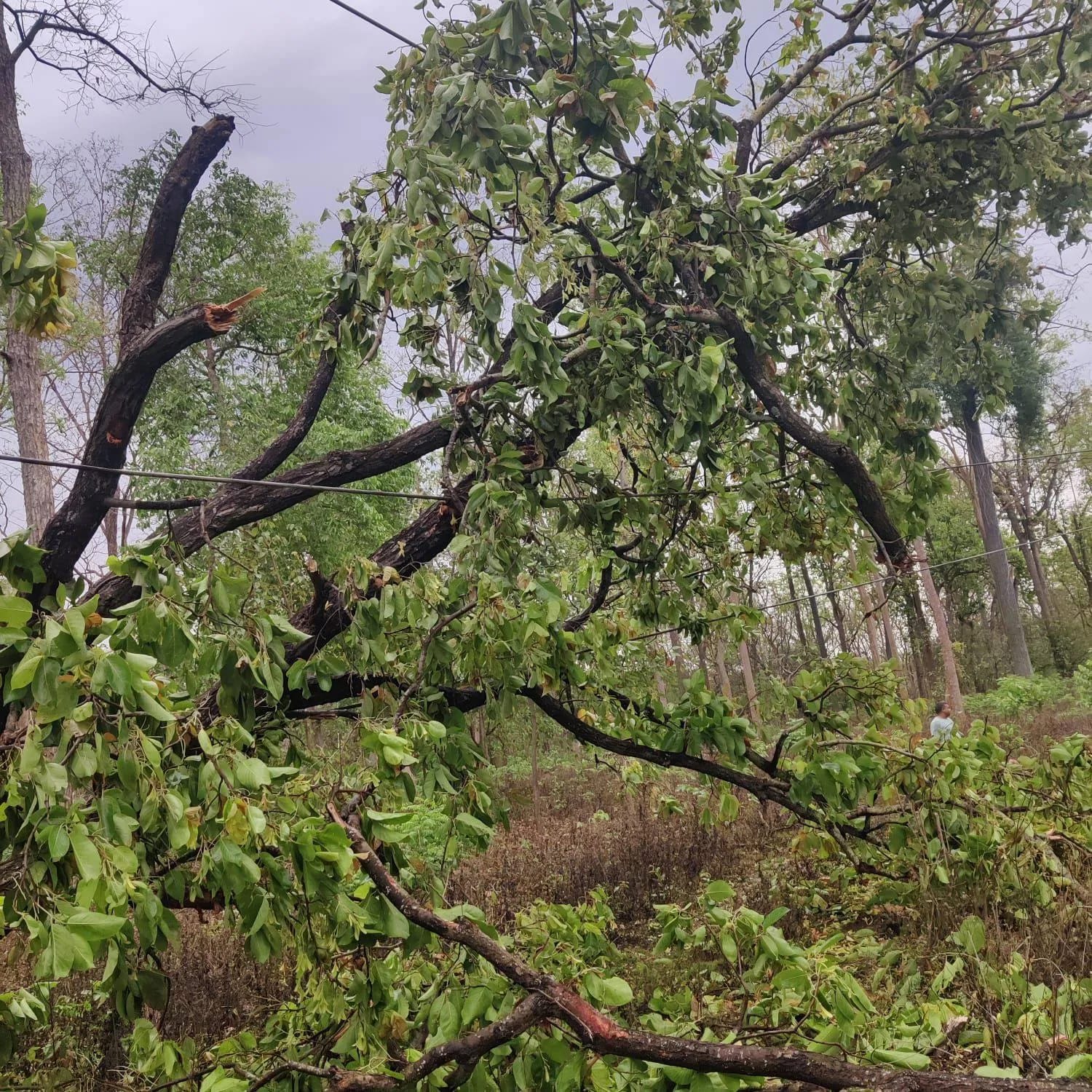
SURKHET: A severe electricity crisis has gripped Karnali after the Kohalpur-Surkhet 132 kV transmission line sustained significant damage. Two towers of the transmission line snapped and collapsed after heavy winds knocked trees onto them within the Bardiya National Park area.
Construction on the project had begun six years ago and was finally completed and connected to the Surkhet substation in February 2026. This had ensured quality electricity for the citizens of Karnali and, specifically, had ended the “low voltage” issues in the provincial capital, Birendranagar.
However, less than three months after coming into operation, the damage to the transmission line has plunged the region back into an electricity crisis, and it remains uncertain how long this crisis will last.
A storm on April 30 caused a large tree to fall in the Chisapani area of Bardiya National Park. After the fallen tree landed on the wires, one phase of the transmission line shut down, while the phase on the other side continued to function. On Saturday, May 9, the Kohalpur-Surkhet 132 kV Transmission Line Project attempted to clear the fallen tree, during which time two towers collapsed.
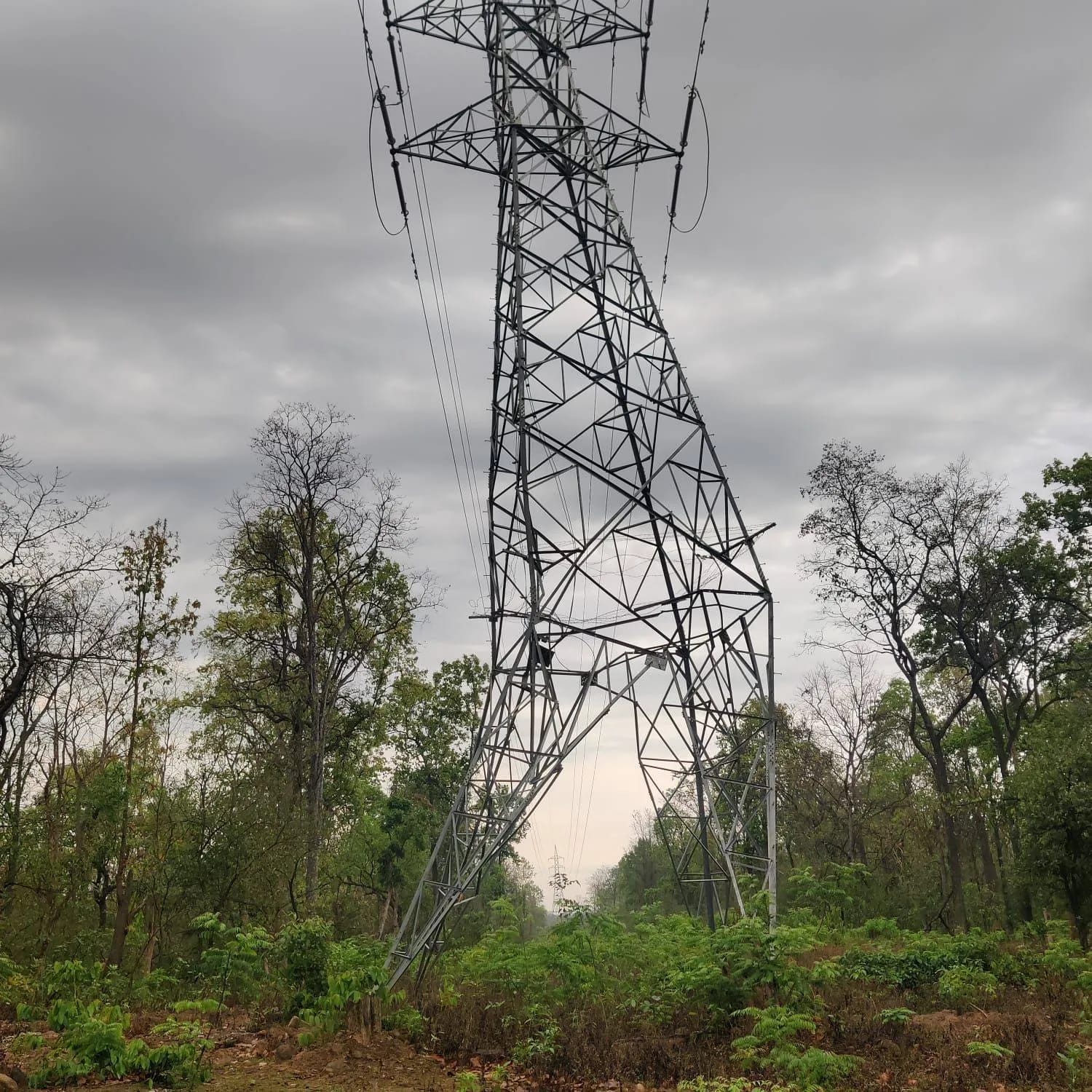
Milan Subedi, an engineer overseeing the project site, said, “When the tree fell on the wires, only one side of the line was running; as we attempted to remove that tree, the towers were damaged.” According to him, the towers—already under pressure from the weight of the tree—suddenly snapped.
Following the damage to the 132 kV transmission line, electricity is currently being supplied via the old 33 kV transmission line. Because this transmission line is routed through the National Park using small poles, it becomes irregular as soon as wind or rain occurs.
The 33 kV transmission line was constructed in 1988 from Kohalpur in Banke to Birendranagar in Surkhet. This line is frequently interrupted during the rainy season and suffers from “low voltage” problems during the dry season. Recently, after the construction of the 132 kV transmission line featuring angle towers, consumers in Surkhet and surrounding areas served by this line had escaped these problems.
However, after the towers of the transmission line broke, consumers are now forced to endure the old fate for several months. It is estimated that reconstructing the damaged 132 kV structure will take approximately three months. “Due to the damage to the transmission line structure, consumers in this area are in a position to face the same old electricity problems,” said Kiran Khanal, head of the Nepal Electricity Authority’s Surkhet Distribution Center.
Project Chief Rabi Kumar Chaudhary stated that the reconstruction of the damaged towers and lines will be handled by the company that originally took the contract. This transmission line was built by the Indian company RS Infraprojects Pvt. Ltd. at a cost of Rs 650 million. “According to the agreement between the project and the company, the company must rebuild the damaged structure; their representatives have already visited the site,” Chaudhary said. “Since the tower foundations need to be rebuilt from scratch, it may take time. Our effort is to resume electricity as soon as possible.”
Electricity is distributed to nine district headquarters of Karnali (except Humla) and surrounding areas through the Kohalpur-Surkhet 33 kV transmission line. Due to the population growth in Birendranagar and the expansion of this line to other districts, it was unable to handle the load. Ease was achieved after the 132 kV line was built.
Allegation of substandard structure quality
After the large structures were damaged by the wind, questions have been raised regarding the sustainability and quality of the project. Consumers have alleged that the damage occurred due to weaknesses in the construction of the structures; however, the project office has been refuting these claims.
Project Chief Chaudhary stated that while the transmission line corridor has a 9-meter right-of-way on both sides, there are trees taller than 20 meters in the National Park corridor area, which has caused the problem.
He says, “The park does not allow these trees to be cut. There are 20 to 25-meter tall trees in the 9-meter site, which will remain a risk to the transmission line if they are not cut.” The Kohalpur-Surkhet 132 kV transmission project is a vital infrastructure for the long-term power supply of Karnali Province. A total of 162 towers have been built along this line from Kohalpur to Birendranagar. One tower at Subbakuna in Surkhet stands 50 meters high, while all other towers are approximately 30 meters.
The 132 kV transmission line project moved forward with the objective of displacing the nearly four-decade-old 33 kV transmission line, delivering high-quality electricity to various districts of Karnali including Surkhet, and connecting the electricity from projects built in the upper regions of Karnali to the national grid through the transmission line.
This transmission line will reach Dailekh, Kalikot, and Jumla via Surkhet. Recently, work under the transmission line has been ongoing from Surkhet to Chupra in Dailekh.
The project moved forward on July 7, 2019 with the goal of charging electricity in Karnali province within two years. According to the agreement, the project, which should have been completed by July 7, 2021, was completed in six years due to land rights issues in Banke and Bardiya National Parks, tree cutting hurdles, and local obstructions.