Kathmandu
Tuesday, July 21, 2026





KATHMANDU: Nepali politics is now at a crucial juncture. It is undergoing a transformation, but what exactly is it shaping into? To understand this, it helps to begin with a brief look at global politics.
Present-day global politics can broadly be divided into democratic systems and others. In democratic systems, key factors include economic positions and the current popularity of leadership. In recent times, leaders’ stances on cultural, national, and social issues have also begun to strongly influence their economic positions and public appeal. Even so, it is still widely accepted that voters primarily base their choices on economic policies.
The traditional left-to-right political spectrum in democratic countries has not disappeared. Voters largely continue to align themselves along economic lines. In the United States, Democrats are generally on the left and Republicans on the right. In Australia, Labor represents the left while Liberals represent the right. In the United Kingdom, Labour and Conservatives reflect a similar divide. These patterns continue to shape voter mindsets, even though election outcomes often fluctuate based on leadership popularity, especially in first-past-the-post systems where even a single vote can make a difference.
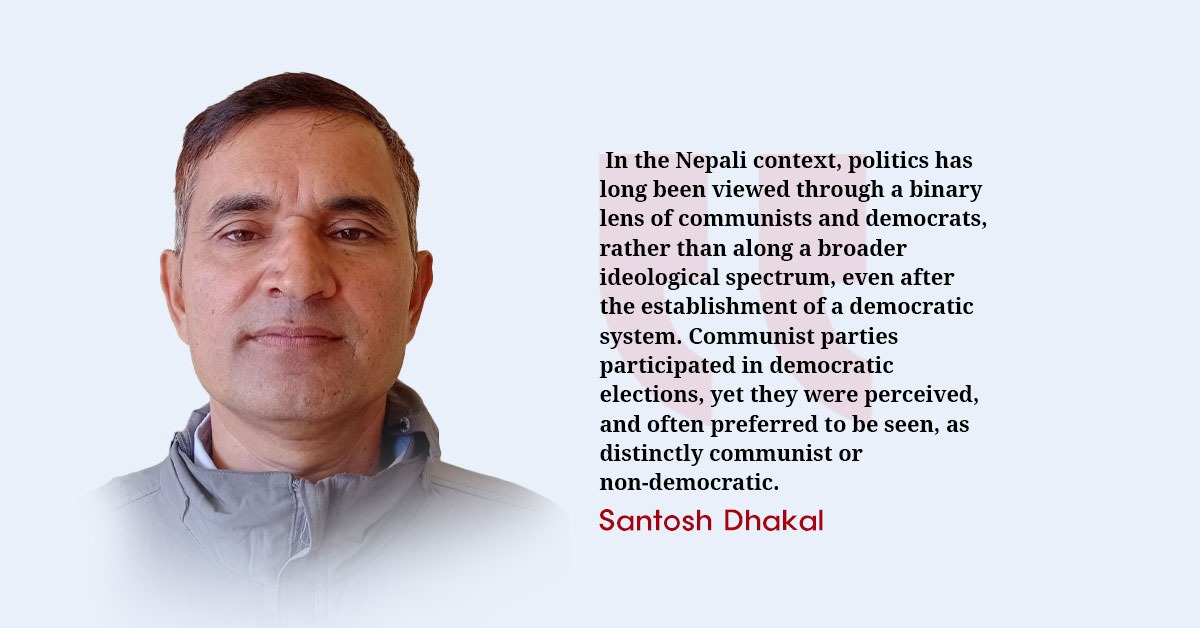
In the Nepali context, politics has long been viewed through a binary lens of communists and democrats, rather than along a broader ideological spectrum, even after the establishment of a democratic system. Communist parties participated in democratic elections, yet they were perceived, and often preferred to be seen, as distinctly communist or non-democratic. Interestingly, when in power, many of these parties moved away from traditional communist economic policies. There were even debates within their own congresses about abandoning the communist label and flag. However, a significant portion of their voter base remained emotionally attached to these symbols, preventing such changes.
The Nepali Congress, the only major democratic party, was originally founded with left-leaning ideals. It has long followed B. P. Koirala’s reformist approach. It was only in the 1990s that the party began to shift toward the right, influenced by global trends associated with laissez-faire economic policies.
Over the past decade, the return of Nepali Congress toward the left and the shift of former communist parties toward the right have blurred ideological distinctions. This convergence has made it increasingly difficult to differentiate parties based on economic policies. As a result, Nepalese politics has entered a phase marked by uncertainty and unstable governing coalitions, continuing up to the 2026 national election.
Leadership has also played a critical role. Figures who led political revolutions continued to dominate parties even during the nation-building phase that followed. They largely resisted the rise of a new generation of leaders. Over time, their popularity declined as the public perceived them to be misusing their revolutionary legacy for personal gain, contributing to corruption and mismanagement. While voters largely retained left-leaning preferences, economic policies became less relevant in the 2026 election. This led to a strong public mandate for a new party, the RSP, even before its economic stance was fully tested.
Economic stagnation in a country with significant resources pushed people toward this choice, even if it was not entirely desired. Many voters, particularly from disadvantaged backgrounds, supported a party that claims to focus on the middle class. At the same time, there remains a strong feeling that addressing inequality should take precedence over prioritizing middle-class concerns. However, the urgent need to challenge ineffective leadership became the dominant public sentiment.
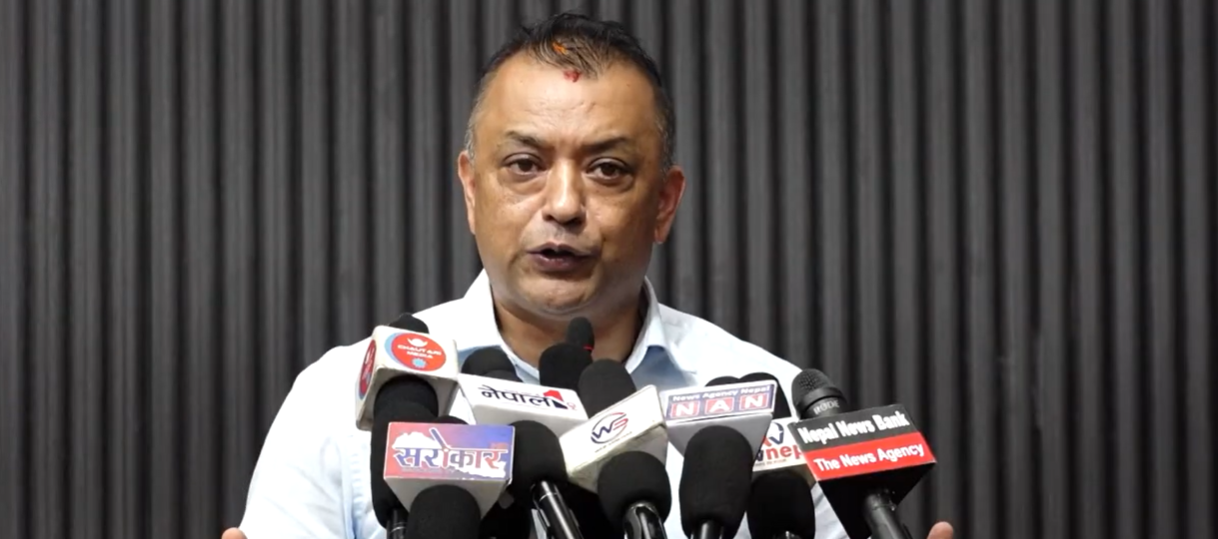
This shift can be seen as a political revolution emerging from outside established parties. While there were also signs of internal reform, such efforts came too late. Gagan Thapa, for instance, attempted to lead change within the Nepali Congress, gaining support from grassroots members despite resistance from the party’s central leadership. However, by then, public frustration had reached a point where people sought not just new leaders but entirely new political alternatives. The widespread disillusionment with established parties also affected individual leaders like Gagan Thapa, as reflected in electoral outcomes.
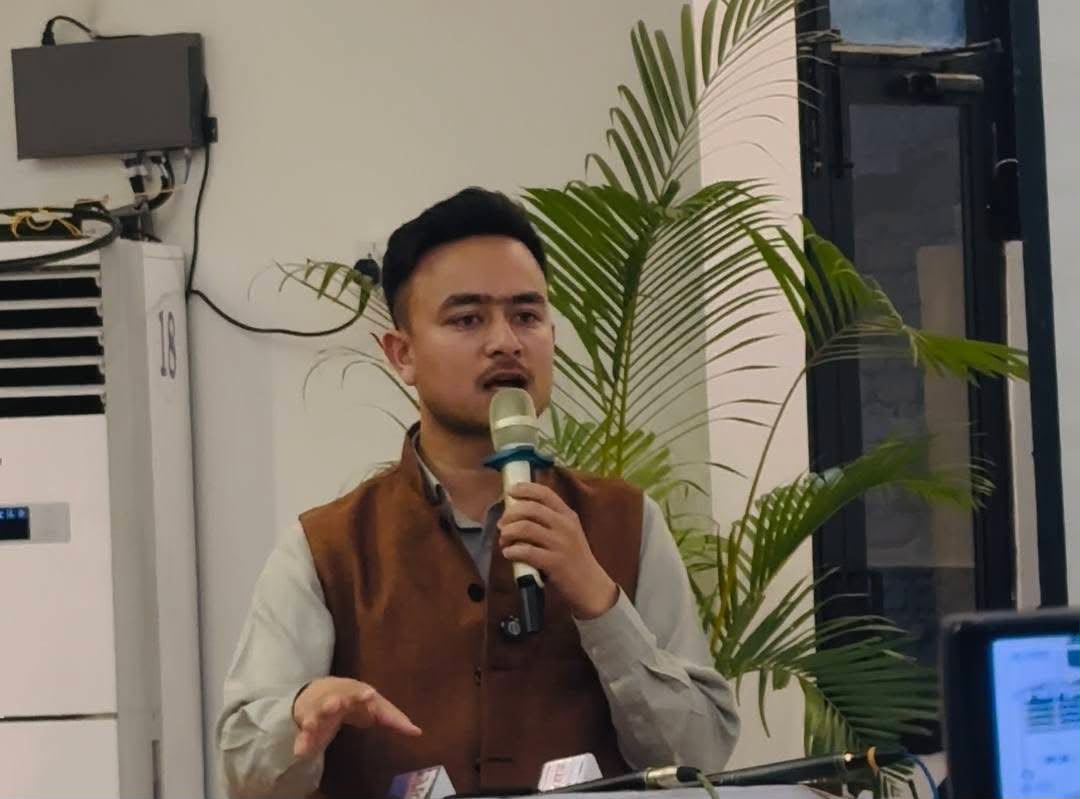
Addressing corruption and mismanagement remains essential, regardless of which party or leader is in power. Many people now place their hopes in new leadership figures such as Balendra Shah, believing that the recent political shift must lead to meaningful change. At the same time, it is important not to lose sight of long-term considerations. In democratic systems, economic policy remains the most enduring basis for voter decisions.
There is also an observable shift in public psychology. The long-standing dominance of left-oriented leadership has created a sense of fatigue. As that dominance weakens, there are signs that Nepal may begin to reflect political patterns seen in other democracies, where competing forces organize themselves more clearly around economic and class-based priorities.
However, any emerging political force will face significant challenges in competing with popular new leadership figures such as Balen and Rabi, especially if they succeed in addressing current governance issues. At the same time, there is potential for alternative leadership to emerge. Figures like Harka Sampang and Kulman Ghising represent a labor-oriented perspective. Sampang emphasizes the value of physical labor, while Ghising introduced progressive electricity tariffs during his tenure. If such figures align with reform-minded leaders like Gagan Thapa, they could help rebuild credibility for a broader political movement.
For this to happen, established parties including Nepali Congress, CPN-UML, and the Nepali Communist Party would need to work together and embrace meaningful reform. If such a transformation takes place, Nepal could move closer to the democratic norms seen in many parts of the global north, where voters make decisions based on economic policy and trust in governance.
That said, this outlook may be overly optimistic. Many political leaders and party workers do not yet appear to fully grasp the changing reality. Old habits and entrenched attitudes remain strong. There is still a belief among some that voters will eventually return to them without the need for genuine reform. This reflects a failure to understand both the evolving mindset of the public and broader global political trends.
Examples from other countries, such as the rise of labor-based movements in Australia or figures like Bernie Sanders in the United States, highlight the importance of adapting to new political realities. These examples suggest the need for unity, renewal, and a redefinition of political identity.
Ultimately, there is room for cautious optimism. A new political force could emerge through a credible and transparent process, potentially incorporating a primary-style vote or public consultation in leadership selection. Allowing broader citizen participation, whether through open primaries, member-based voting, or even a one-time national consultative poll, among figures like Gagan Thapa, Harka Sampang, and Kulman Ghising could significantly enhance legitimacy and public ownership.
Such a step, even if implemented just once as a proof of concept, could help restore public trust, strengthen internal party democracy, and signal a shift away from closed-door decision-making. In the long run, it may contribute to a more mature, accountable, and stable democratic framework in Nepal.