Kathmandu
Tuesday, July 28, 2026





Representation of Members of Parliament (MPs) from the business sector can bring a practical perspective to law-making, but it also carries the risk of conflicts of interest
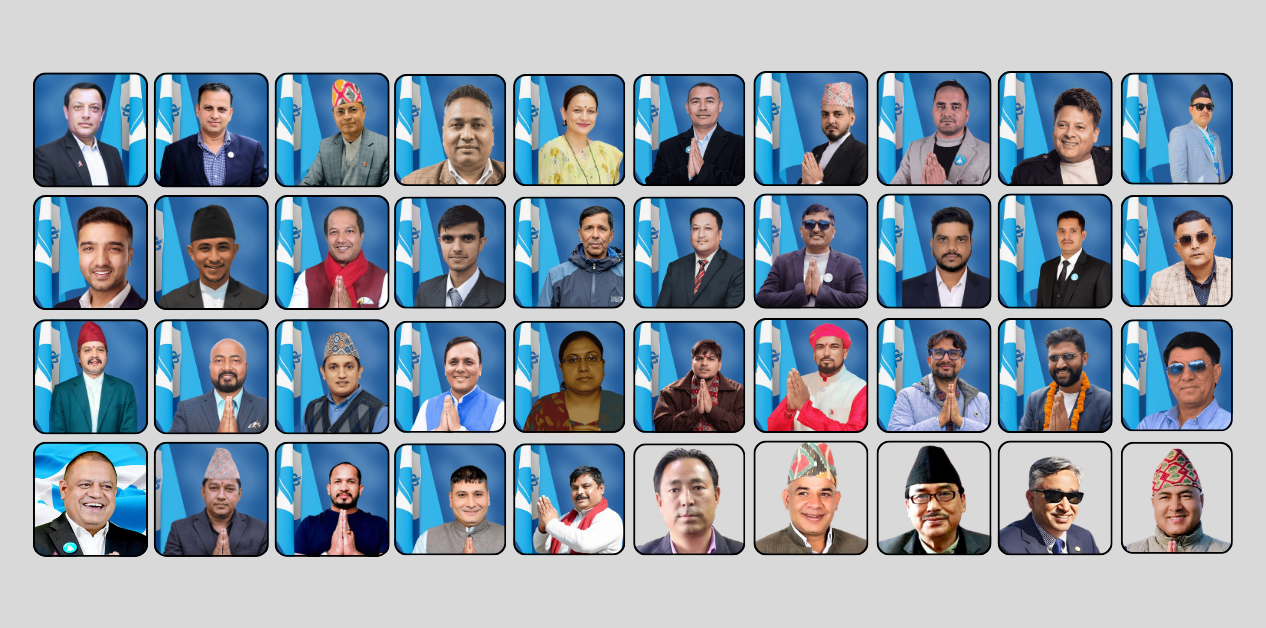
KATHMANDU: Among the 165 members of parliament (MPs) elected through the first-past-the-post (FPTP) or direct electoral system in the election held on 5 March, as many as 40 MPs come from business backgrounds. Of the 125 seats won in the direct elections by the Rastriya Swatantra Party (RSP), 35 MPs have business backgrounds.
Similarly, among the 18 MPs elected from the Nepali Congress, four are connected to business. One MP from the Nepali Communist Party (NCP) also has a business background. The MPs elected from the CPN (UML) and other parties do not have business backgrounds.
This parliamentary election has not only changed the balance of political power but has also brought a significant shift in the social and professional composition of the legislature. With the rise of the RSP in the election results, the background of those entering parliament shows a different social composition compared to traditional political parties, which usually send full-time political activists to parliament. This time, many MPs who won the election come from various professional fields such as business, technology, social activism, journalism, and other occupations.
Big business tycoons lost, medium-level entrepreneurs rose
In the past, industrialists and businesspeople were often criticized for influencing political party leaders to obtain election tickets and then spending huge sums of money to win elections. Those who obtained such tickets were usually well-known large-scale industrialists. This time as well, major business figures received tickets from traditional political parties, but they were unable to win the elections.
These large business candidates had long maintained influence within traditional political parties and had often invested in political activities. For instance, Binod Chaudhary, the head of the Chaudhary Group and Nepal’s only dollar billionaire, had served as a member of parliament at different times from both the UML and the Nepali Congress. He became a proportional member of the Constituent Assembly from the UML in 2008 and later won the 2022 House of Representatives election from Nawalparasi (Bardaghat Susta West-1) as a Nepali Congress candidate. In this election he contested again from the same constituency as a Nepali Congress candidate but lost to RSP’s Bikram Khanal.
Similarly, Anil Kumar Rungta, director of Jagadamba Enterprises, contested from Parsa-1 as a Nepali Congress candidate but could not win. In Rupandehi-2, Chunna Prasad Sharma Poudel, chairman of Yashoda Foods, Sona Packaging, and Hotel Saffron, also failed to reach parliament.
Tourism entrepreneur Ramesh Prasad Dhamala, who contested from Dhading-2 as a Nepali Congress candidate and who is also the former president of the Trekking Agencies’ Association of Nepal (TAAN), lost the election. Businessman Umashankar Argariya in Dhanusha-2 and industrialist Dilip Agrawal in Morang-2 were also defeated.
Medical entrepreneur Sunil Kumar Sharma, who had won from Morang-3 in the 2022 election, failed to repeat his victory this time. In Kapilvastu-3, Birendra Prasad Kanaudia, chairman of Lumbini Sugar Mills, also failed to fulfill his ambition of becoming an MP. He had left the Nepali Congress and contested from the UML.
Other candidates who faced defeat include manpower businessman LP Sawa Limbu from Jhapa-4, former banker Min Bahadur Gurung from Syangja-1, businessman Chhopang Gurung from Manang, and businessman Manoj Agrawal from Morang-5.
In Bara-4, industrialist Kisan Shrestha lost, while in Siraha-4 businessman Birendra Prasad Mahato was defeated. In Dolakha, energy entrepreneur Parbat Gurung also failed to win, and in Kailali-5 timber businessman and former minister Prem Bahadur Ale could not enter parliament this time.
In Kailali-2, Bijay Bahadur Swar, president of the National Federation of Transport Entrepreneurs Nepal, who had been nominated by the Nepali Congress, also lost the election. Similarly, Asim Man Singh Basnyat, the operator of the ride-sharing app Pathao, was defeated in Kathmandu Constituency No. 1.
In this election, the Rastriya Swatantra Party (RSP) also gave many direct election tickets to candidates with business backgrounds. Most of them won their elections. However, they are not nationally famous large industrialists; rather, they are mostly medium-level entrepreneurs.
RSP MPs with business backgrounds
Dol Prasad Aryal, elected from Kathmandu-9, is a former minister and vice-chairperson of the RSP who has a business background. After living in Japan for many years, he returned to Nepal and invested in tourism, education, foreign study consultancy services, cooperatives, and remittance businesses. He has invested in and played leadership roles in companies such as Sumeru Tours and Travels, Yokohama Japanese Language Academy, HEMS School, Janasagar Savings and Credit Cooperative, and EasyLink Remittance Company. In the 2022 House of Representatives election, he had entered parliament through the proportional representation system.
Hari Dhakal, who was elected from Chitwan-1 for the second time, is an investor in the stock market. Sunil Lamsal, who won from Rupandehi-5, operates Crown Design and Research Center Pvt Ltd.
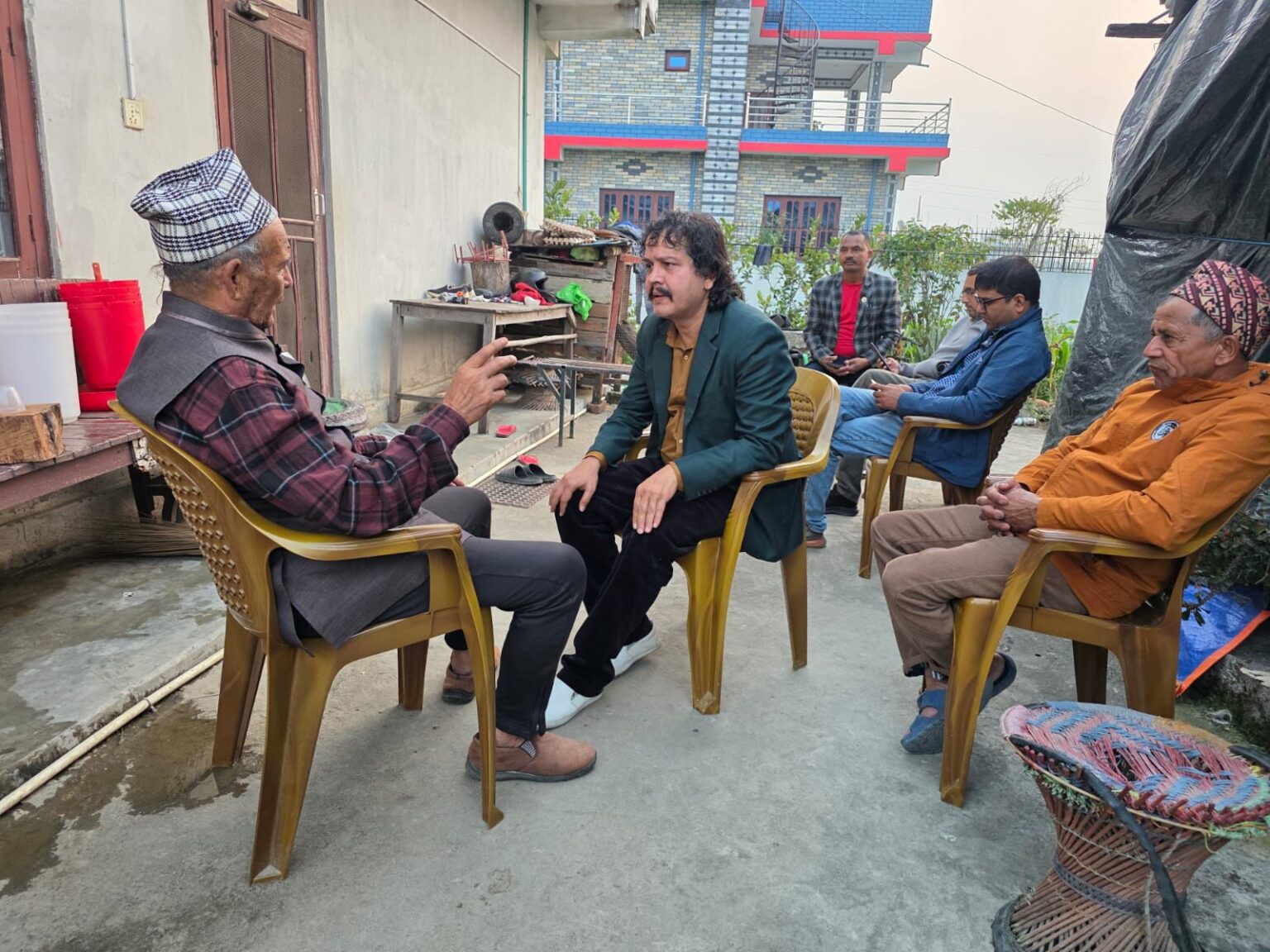
Hari Dhakal during the election campaign. Photo: Dhakal’s Facebook page
Hari Prasad Bhusal, who won from Arghakhanchi-1, is the general secretary of the Arghakhanchi Chamber of Commerce. He is also a media operator and runs an arts business in Sandhikharka.
Badan Kumar Bhandari, who was elected from Kavre-2, is an e-commerce entrepreneur who operates ABZ Online Shopping. Previously, he worked as a station manager at Nari Television and Gopi Krishna Television. He had also served as the deputy general secretary of the National Federation of Nepali Entrepreneurs. Before joining the RSP, he had been affiliated with CPN (UML) and later with the then CPN (Unified Socialist).
Sunil KC, who was elected from Kathmandu Constituency No. 2, also has a business background. He is the operator of KC Enterprises. In the 2022 provincial elections, he had been elected as a member of the Bagmati Provincial Assembly from the Rastriya Prajatantra Party (RPP), but he resigned from the provincial assembly and contested the House of Representatives election this time as an RSP candidate.
Similarly, Rukesh Ranjit, who broke the stronghold of the Nepal Workers and Peasants Party to win Bhaktapur-1, is the general secretary of the Bhaktapur Chamber of Commerce and Industry.
Jagadish Kharel, who won the election from Dolakha, is an energy entrepreneur. His company Maa Shakti Engineering and Hydropower Pvt Ltd, based in Bhaktapur, manufactures and repairs machinery required for hydropower companies. Kharel is also involved in Silk Power Pvt Ltd, which is the promoter of the 24.88-megawatt Luja Khola Hydropower Project currently under construction in Solukhumbu.
Parash Mani Gelal, elected from Udayapur-1, is an automobile entrepreneur. He serves as the secretary of the Central Industry and Commerce Department of the RSP. He has been involved in the business of buying and selling cars and jeeps in Itahari and other places.
Ramesh Kumar Sapkota, who won from Surkhet-2, began his career as a transport worker and later became a businessman. Currently, he is the chairman of Kankrebihar Transport Pvt Ltd and the coordinator of the Karnali Province chapter of the National Federation of Transport Entrepreneurs Nepal.
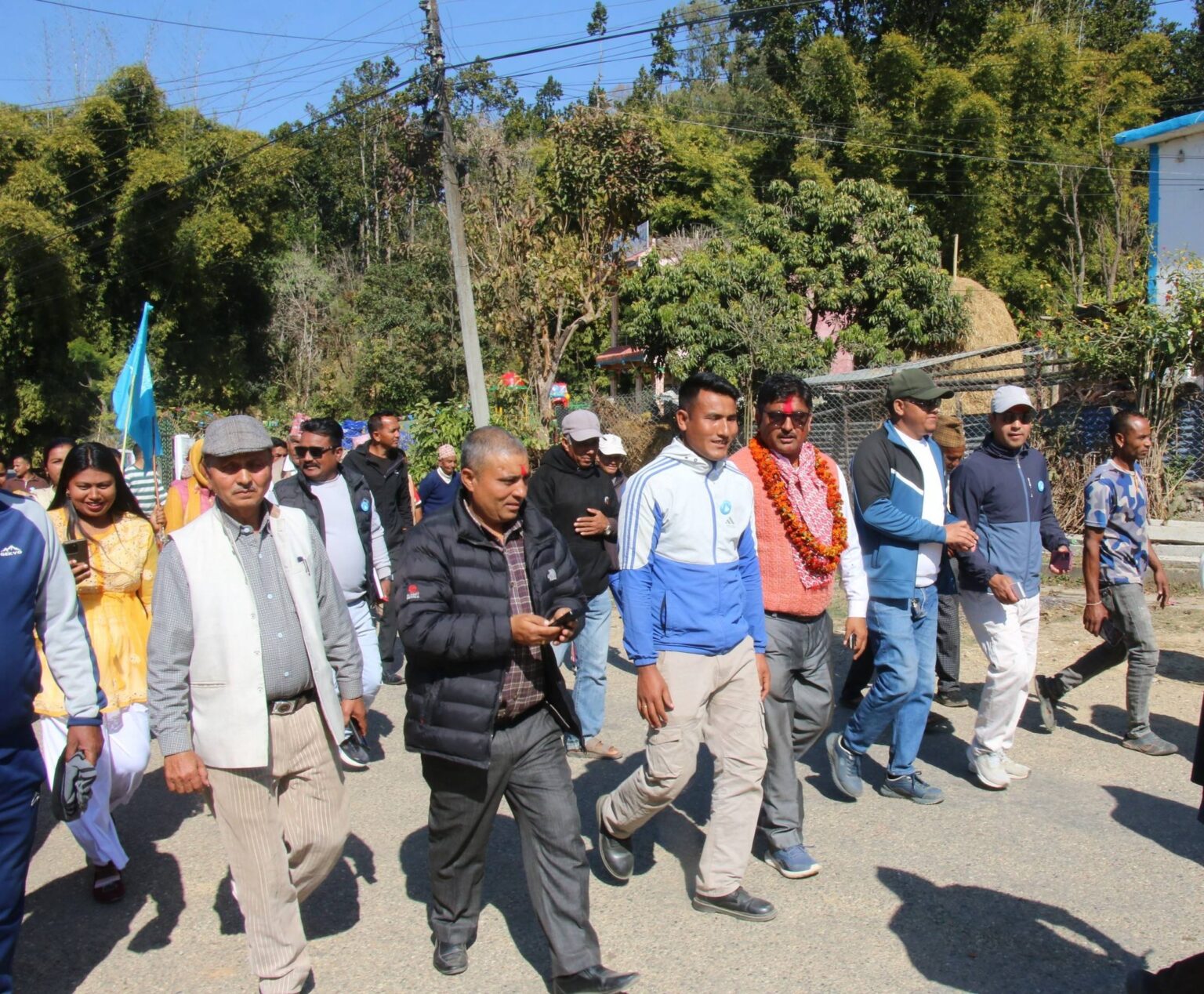
Ramesh Kumar Sapkota in Surkhet 2 during the election campaign. Photo: Sapkota’s Facebook
Prashant Upreti, who became an MP from Makwanpur-2, is a tourism entrepreneur. Having studied tourism himself, he operates a travel and tours company in Kathmandu. His father, Ram Chandra Upreti, runs the United Secondary English Boarding School in Manahari, Makwanpur, and is also the vice-chairperson of the western regional committee of the Chamber of Commerce and Industry.
Dhananjay Regmi, elected from Syangja-1, is the former chief executive officer of the Nepal Tourism Board. He owns the Mandala Norling Lords Hotel in Maharajgunj. He has invested in micro-hydropower projects and is also a dealer of Toyota-brand vehicles. In addition, he conducts research and travel-and-tour services through the Himalayan Research Center. While serving as CEO of the Nepal Tourism Board, he was involved in a controversy in 2021 when he returned from London intoxicated and allegedly assaulted staff at Tribhuvan International Airport. The Ministry of Tourism sought clarification from him and imposed a fine of Rs 5,000 as disciplinary action.
Jhabilal Dumre, who won from Syangja-2, is an internet service provider. Through TP Link Network Pvt Ltd, he provides internet services in Kaski, Parbat, Syangja, Tanahun, Dang, and Rolpa. He also runs TP Link Traders in Pokhara, selling equipment such as CCTV cameras, routers, computers, and printers.
Nitima Bhandari Karki, elected from Sarlahi-1, is the managing director of the well-known restaurant chain “Bajeko Sekuwa.”
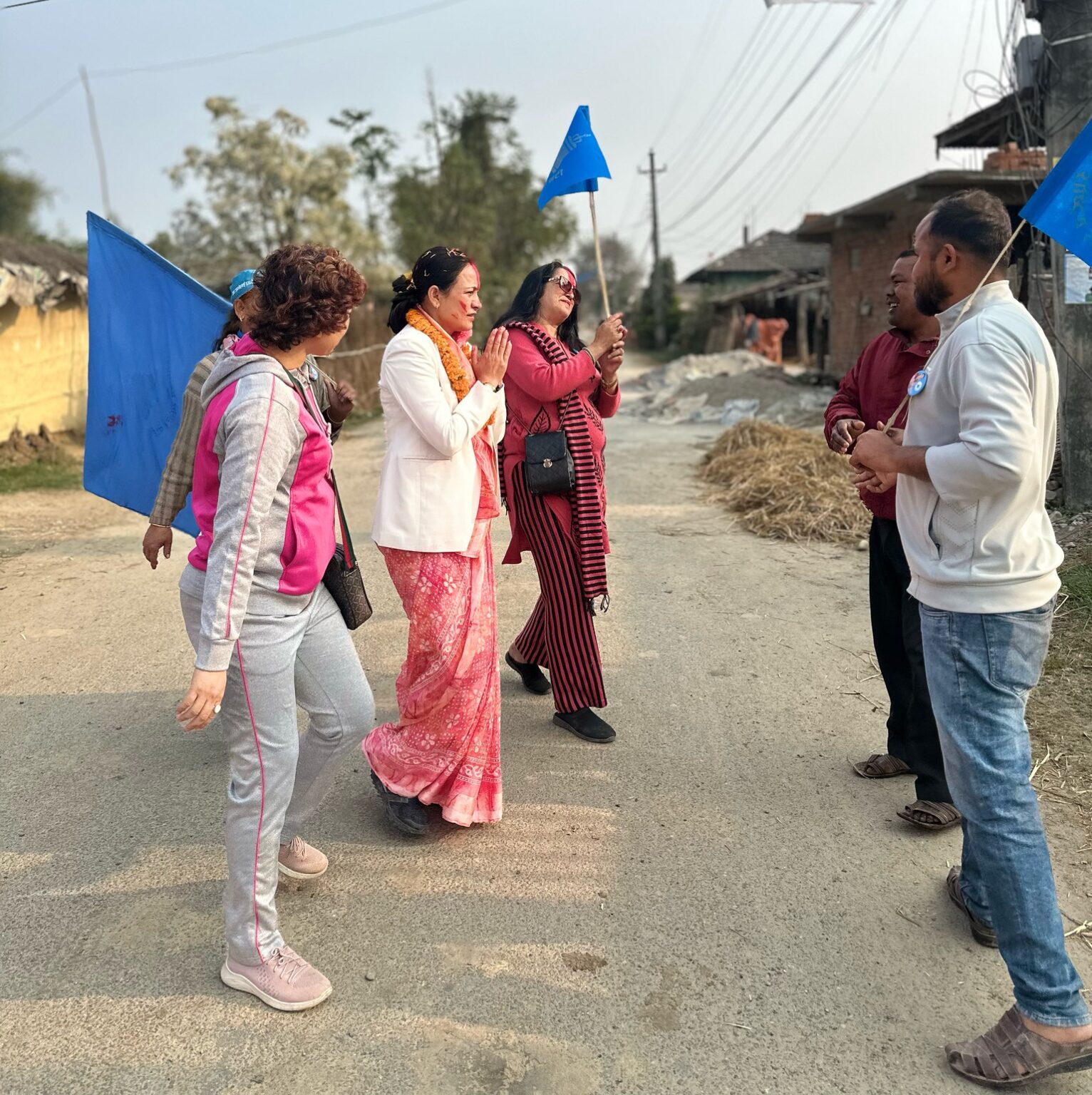
Bhandari Karki on policy during door-to-door campaign.
Manish Jha, the RSP spokesperson elected from Dhanusha-3, operates a research organization called Data in Nepal.
Similarly, Arbind Sah, elected from Bara-3, had established a company called Janaki Technology together with some friends. The company has been working in the information-technology sector for the past 15 years and provides the “Sparrow SMS” service. They had also started digital service operations through the Khalti app, which merged with IME Pay in 2025. Rahbar Ansari, who won from Bara-4, had served as the chief executive officer of Gandak Hospital in Birgunj, a hospital founded by his father.
Narendra Sah Kalwar, who won from Sarlahi-3, is a construction entrepreneur. In the 2022 House of Representatives elections, he had contested from the same constituency as a candidate of the then CPN (Maoist Center) but was defeated. This time he joined the RSP just one day before candidate nominations and secured the party ticket.
Buddhi Prasad Panta, elected from Parsa-1, is a hotel and tourism entrepreneur. He operates Classic and Country Inn hotels in Birgunj. Panta has previously served as the president of the Hotel and Tourism Entrepreneurs Association of Parsa and is also a member of the executive committee of the Chamber of Commerce and Industry as well as the deputy coordinator of its hotel-tourism committee.
Pramod Kumar Mahato, elected from Mahottari-1, is simultaneously active in business, agriculture, and politics. Ramji Yadav, who won from Saptari-2, has been working as the managing director of Easyworld Engineering Pvt Ltd for the past seven years.
Madhav Bahadur Thapa, who won from Palpa-2, operates a homeopathy service in Butwal.
Bharat Prasad Parajuli, elected from Sindhupalchok-1, is a hydropower entrepreneur. A central executive committee member of the Independent Power Producers’ Association, Nepal (IPPAN), he is the chairman of the 45-megawatt Brahmayani Hydropower Project under construction in Sindhupalchowk. He also holds a license to supply explosives to hydropower companies and provides such materials to projects under construction through an integrated trading company. In the past, he also ran a non-governmental organization implementing drinking water and sanitation projects in Sindhupalchowk and Dolpa.
Komal Gyawali, who became an MP from Kailali-1, has been engaged for the past five years in the business of selling agricultural equipment and seeds in Kathmandu and Kailali.
Dhanendra Karki, elected from Sindhuli-1, is a transport entrepreneur.
Shridhar Pokharel, who won from Bardiya-2, is a tourism entrepreneur. He is the founding operator of Racy Shade Resort Nepal in Thakurdwara, Bardiya, and Secret Nepal Tours and Travels in Kathmandu.
Krishna Kumar Karki, who won from Morang-2, returned to Nepal after living in Japan for about 12 years. After returning from abroad, he started a hotel business in Kathmandu.
Sushil Khadka, elected from Baglung-1, has been active for the past 12 years in business, green enterprises, and social service. He runs ventures related to restaurants, commercial farming, waste management, and green investment. Together with his wife, Silsila Acharya, he operates the country’s largest plastic recycling network through “Avni Ventures.”
Som Sharma, elected from Baglung-2, had until recently worked as the chief computer technician at an organization called E-Shop and had also served as a computer teacher at Corona Academy. Before the election, he was the operator of Mega Computer Home and served as the business relations manager at Shubh Bijaya Agriculture Company.
Twenty-six-year-old KP Khanal, who won from Kailali-2, runs a business called Chiyadani in Kathmandu.
Also in the Nepali Congress
Most businesspeople who were nominated as candidates for the House of Representatives from the Nepali Congress failed to win the election this time. The party secured only 18 seats in the direct election category. Among them, four MPs have business backgrounds.
Bishnu Bahadur Khadka, who won from Surkhet-1, is a transport entrepreneur. He is the founder of the Mid-Western Transport Entrepreneurs Association in Surkhet. As chairman of Mid-Western Transport Pvt Ltd, he has been involved in leading transport-related organizations for the past 23 years. He has also served as the central vice-president of the National Federation of Transport Entrepreneurs. His investments span sectors such as transport, hospitals, petrol pumps, and pharmaceutical dealerships. He is the brother of former acting president of the Nepali Congress, Purna Bahadur Khadka.
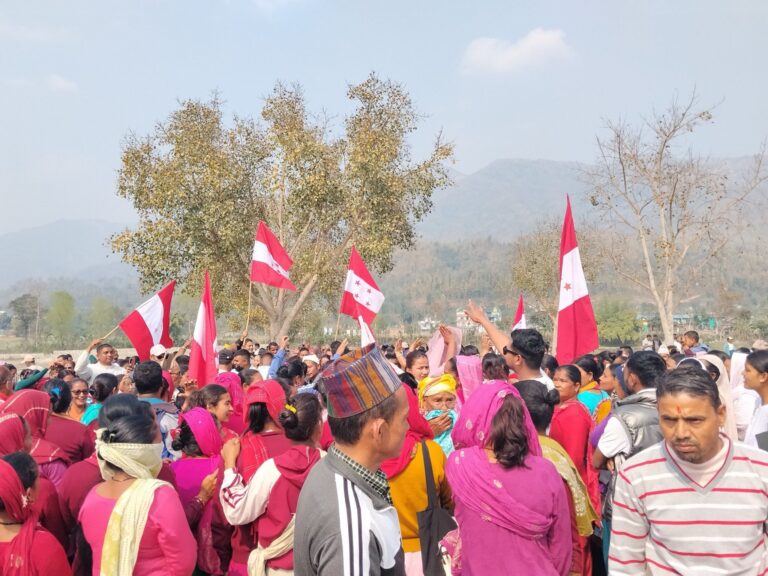
Election campaign of Bishnu Bahadur Khadka in Surkhet-1
Prakash Singh Karki, who was elected as an MP from Solukhumbu, is involved in the tourism business. He previously served as the president of the Nepal Freight Forwarders Association and was also a member of the executive committee of the Federation of Nepalese Chambers of Commerce and Industry. Likewise, Mohan Acharya, who won the election from Rasuwa, is a construction entrepreneur.
Tek Bahadur Gurung, elected from Manang-1, is a controversial businessman. He was implicated in the case involving the leasing of land owned by the Social Welfare Council at Bhrikuti Mandap in Kathmandu. On 28 February 2023, the Special Court found him guilty and imposed a fine. The Commission for the Investigation of Abuse of Authority (CIAA) later filed a petition for review at the Supreme Court in 2024, arguing that the punishment given to him was too lenient.
Dhan Bahadur Budha, elected from Dolpa from the Nepali Communist Party (NCP), is both a tourism entrepreneur and a construction businessman. He has been winning elections continuously since the 2013 Constituent Assembly election.
Conflict of interest
The presence of individuals with business backgrounds in parliament can create opportunities to incorporate the experience and entrepreneurial perspective of the private sector into policy and lawmaking. Issues such as economic policy, investment environment, digital economy, and entrepreneurship promotion may receive more practical and experience-based perspectives in parliamentary discussions.
However, in the past, when people with business backgrounds became MPs, they were often criticized for lobbying through parliamentary committees to influence policies that served their personal interests. There is always a possibility that a conflict of interest may arise between private benefits and the public good during policy formulation. Such situations can raise serious questions about transparency and accountability.
For instance, in the 2013 Constituent Assembly election, the CPN (UML) had made Ichchha Raj Tamang a proportional representation MP. He was also a member of the Finance Committee of the House of Representatives. At that time, he was a director of the then Civil Bank. When the Finance Committee was discussing amendments to the law governing banks and financial institutions, criticism arose because a bank director was participating in the committee responsible for drafting laws related to the banking sector, which was seen as a clear conflict of interest.
Similarly, businessman Umesh Shrestha, who was a proportional representation MP, was appointed State Minister for Health on 25 July 2021 in the government led by Prime Minister Sher Bahadur Deuba. He had investments in education and health institutions, banks, hydropower, agriculture, and tourism sectors. His appointment as both MP and minister drew public criticism due to concerns about conflict of interest.
Economist Keshav Acharya argues that the government should formulate a code of conduct from the very beginning to prevent potential conflicts of interest among individuals coming from business backgrounds. Having previously served as an economic advisor to the Ministry of Finance, Acharya says that MPs should not be allowed to hold responsibilities in committees directly related to their own business sectors.
According to Acharya, a person who has invested in the education sector should not be allowed to serve on the education committee; someone who runs a manpower company should not sit on the labor committee; and someone with investments in hospitals should not be part of the health committee. Requiring MPs to disclose the sectors in which they have business involvement could also help prevent conflicts of interest.
Former attorney general Raman Kumar Shrestha also states that individuals who take up responsible public positions should carefully consider their backgrounds and affiliations before accepting responsibilities. He says that in the past there was a practice where a single person would claim knowledge across all subjects, but the new generation should break away from that practice. According to him, individuals should voluntarily step aside from responsibilities where conflicts of interest may arise.
Diverse dimensions
The election this time has brought into parliament individuals not only from business backgrounds but also from a wide range of professional fields.
Swarnim Wagle, the vice-chairperson of the RSP, who was elected from Tanahun-1, is known for having a global exposure profile. He studied at the London School of Economics, Harvard University, and the Australian National University. He has worked at the United Nations Development Program (UNDP) and the World Bank. In addition, he has served as a member and later vice-chairperson of the National Planning Commission. An economist-politician, Wagle had earlier been elected as an MP from the same constituency in the 2023 by-election and served for a short period.
Sushant Vaidik, who won the election from Pyuthan-1 as an RSP candidate, is considered skilled in competitive policy, economic modeling, development economics, and investment analysis.
Among the MPs elected from RSP, some come from legal backgrounds. Sobita Gautam, who won from Chitwan-3, has a legal background. Sulabh Kharel from Rupandehi-2 is also a legal professional. Having studied law in Nepal, he completed a one-year master’s degree in constitutional law in the United States. Manish Khanal, who won from Nawalparasi (Bardaghat Susta East)-1, also comes from a legal background and holds a law degree from Nepal Law Campus. Yagya Mani Neupane, who won from Morang-1, also has a legal background.
There are also several MPs who entered politics from journalism and media fields through the RSP. Individuals such as Rabi Lamichhane, Jagadish Kharel, Nisha Dangi, Rajib Khatri, Prakash Pathak, and Uttam Paudel have come into politics from journalism or communication backgrounds. People from the media sector may help make parliament more active in public debate, transparency, and information dissemination.
Among those elected from the RSP are also individuals who have been active in education and social sectors. Shishir Khanal, who has worked in education; Rajan Gautam, former chief of Devchuli Campus; Bina Gurung, who has been active in social organizations; and Bodh Narayan Shrestha, who has long worked in the non-governmental sector, are among those who have reached parliament.
Former attorney general Shrestha notes that since many of the newly elected MPs come from diverse backgrounds and lack experience in lawmaking, the respective political parties should train them on the legislative process. He says, “Individuals who reach responsible positions must also understand their own roles and prepare themselves accordingly.”