Kathmandu
Sunday, July 26, 2026





A detailed, event-by-event chronology mapping Nepal’s communist movement—from its revolutionary origins and factional splits to electoral rise, insurgency, and its enduring role in shaping republican politics.
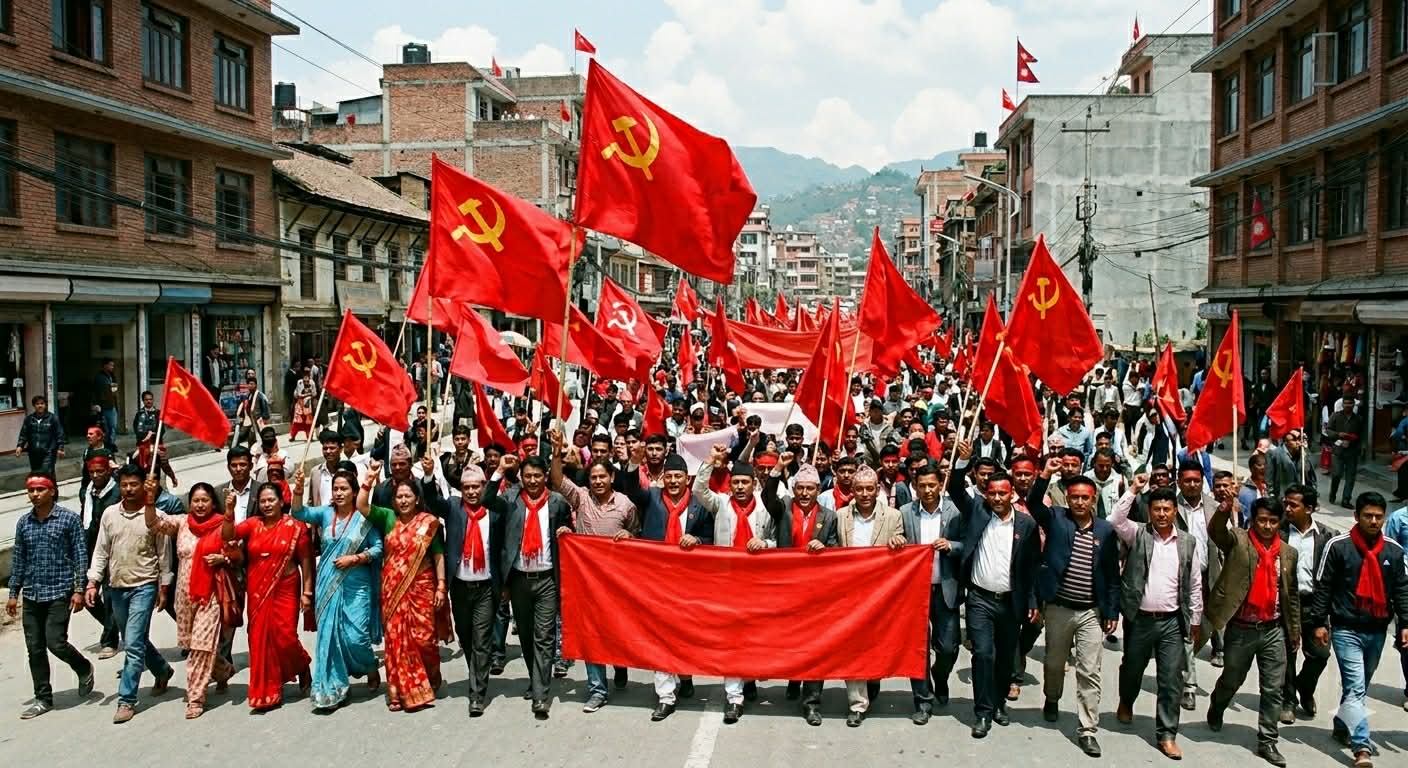
KATHMANDU: April 22 commemorates the establishment of the Communist Party of Nepal in 1949—a milestone that set in motion one of the most influential political currents in the country.
More than seven decades on, its legacy endures through multiple factions, alliances, and ideological shifts that continue to define national politics.
Founded by Pushpa Lal Shrestha, the movement has traversed underground resistance, internal schisms, mass uprisings, and the Maoist insurgency, ultimately emerging as a dominant force in the republican era.
This timeline maps the decisive moments, key figures, and critical turning points that reshaped a marginal force into a central pillar of governance and political power in Nepal.
Origins & founding era
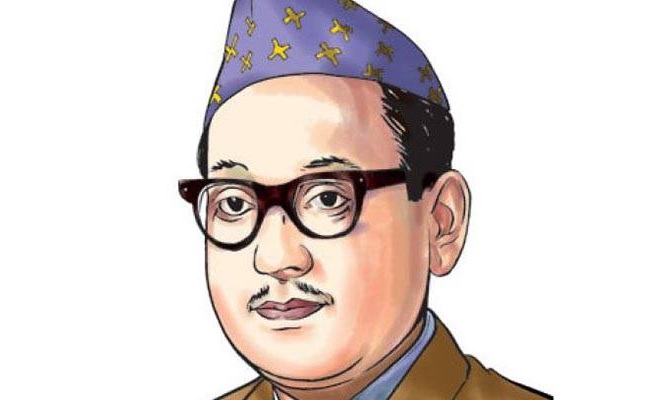
Late Puspa Lal Shrestha. (File Photo)
June 28, 1924 : Pushpa Lal Shrestha born in Ramechhap District. Future founder and first General Secretary of Nepal’s Communist Party, and younger brother of martyr Gangalal Shrestha.
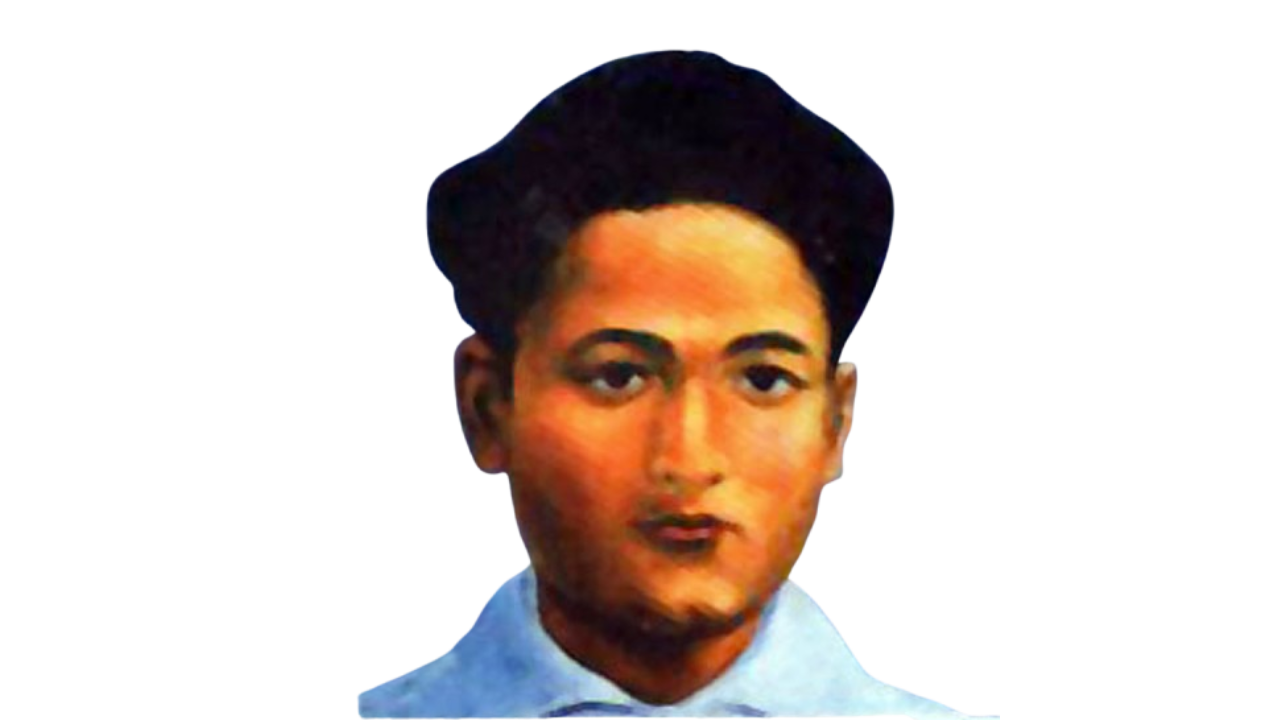
Gangalal Shrestha/File Photo
January 30, 1941 : Gangalal Shrestha (brother of Pushpa Lal) executed by the Rana regime : one of Nepal’s Four Great Martyrs. Pushpa Lal’s political consciousness deepens.
1946 : Pushpa Lal Shrestha becomes openly defiant of the Rana regime. He is already known for anti-Rana activism as a member of Nepal Praja Parishad.
April 1949 : Pushpa Lal translates The Communist Manifesto into Nepali : the first such translation : and publishes it to build the ideological foundation for a communist party.
April 22, 1949 : Pushpa Lal Shrestha founds the organizing committee of the Communist Party of Nepal in Calcutta, India, along with Moti Devi Shrestha, Niranjan Govinda Vaidya, Nar Bahadur Karmacharya, and Narayan Bilas Joshi.
September 15, 1949 : The Communist Party of Nepal (CPN) is formally proclaimed through the first issue of the Communist fortnightly “Prachar Patra” (party manifesto). Pushpa Lal Shrestha serves as founding General Secretary. The date marks the 103rd anniversary of the Kot Massacre that began the Rana regime.
1950 : CPN supports the Nepali Congress-led armed movement against the Rana oligarchy. Communists participate in the people’s uprising for democracy despite remaining underground.
February 18, 1951 : End of the 104-year Rana oligarchy. Nepal transitions to constitutional monarchy under King Tribhuvan. Democracy is partially established, opening political space for the CPN.
January 1952 : The Rakshya Dal, linked to some communist sympathizers under Kunwar Inderjit Singh, attempts a coup : occupying the airfield, radio station, and the post and telegraph office at Singha Durbar.
January 24, 1952 : The Nepali government bans the Communist Party of Nepal in the aftermath of the Rakshya Dal attempted coup. The CPN is forced underground.
June 8, 1952 : The Kisan Sangh (Farmers’ Union), the agricultural wing of the CPN, declares a revolt against landlords and demands redistribution of land to landless peasants.
1953 : CPN contests Kathmandu municipal elections as independents. The party wins half the popular vote and six of nineteen council seats. Janak Man Singh becomes the first elected Mayor of Kathmandu.
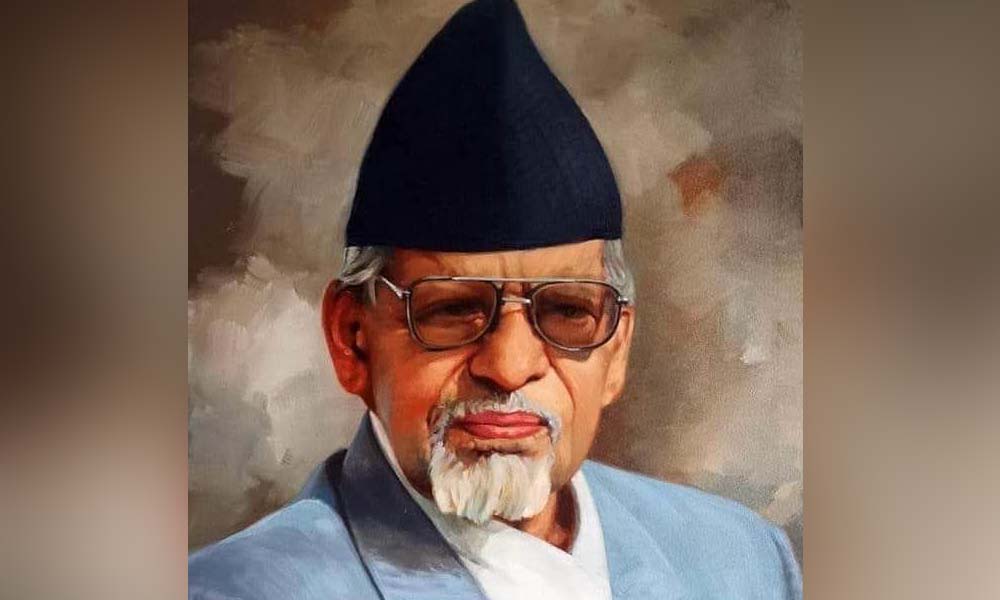
Manmohan Adhikari/File photo
1953 : Man Mohan Adhikari elected as party’s General Secretary. Mohan Bikram Singh joins the CPN from Pyuthan, establishing a local communist organization with 150 members.
1954 : First party congress held clandestinely in Patan, Lalitpur. Man Mohan Adhikari elected General Secretary. The congress approves a program to replace monarchy with a republican system through a constituent assembly.
April 1956 : Ban on the CPN lifted after the Tanka Prasad Acharya-led government allies with the party : on the condition that CPN accepts constitutional monarchy. The party formally accepts the condition.
1957 : Second party congress held in Kathmandu : the first open congress in the party’s history. Keshar Jung Rayamajhi elected General Secretary.
February 18, 1959 : Nepal’s first-ever general election held under the 1959 Constitution. The CPN contests as a legal party.
1959 : CPN wins 4 seats out of 109 in the first House of Representatives. Tulsi Lal Amatya elected parliamentary party leader. Sambhu Ram Shrestha elected as the CPN’s Senate member.
December 15, 1960 : King Mahendra dissolves the democratically elected Nepali Congress government in a bloodless coup, arrests Prime Minister B.P. Koirala, and bans all political parties. CPN split begins.
Early 1961 : All political parties formally banned by royal decree. CPN goes underground. Keshar Jung Rayamajhi publicly supports the royal coup : triggering intense intra-party conflict.
March 1961 : Central Committee extended meeting held in Darbhanga, India (all gatherings banned in Nepal). Three political lines emerge: pro-monarchy (Rayamajhi), restore parliament (Pushpa Lal), and constituent assembly (Mohan Bikram Singh).
March 1961 : The Darbhanga plenum unanimously adopts the armed struggle line proposed by Pushpa Lal. Rayamajhi’s minority pro-royalist faction is isolated within the party.
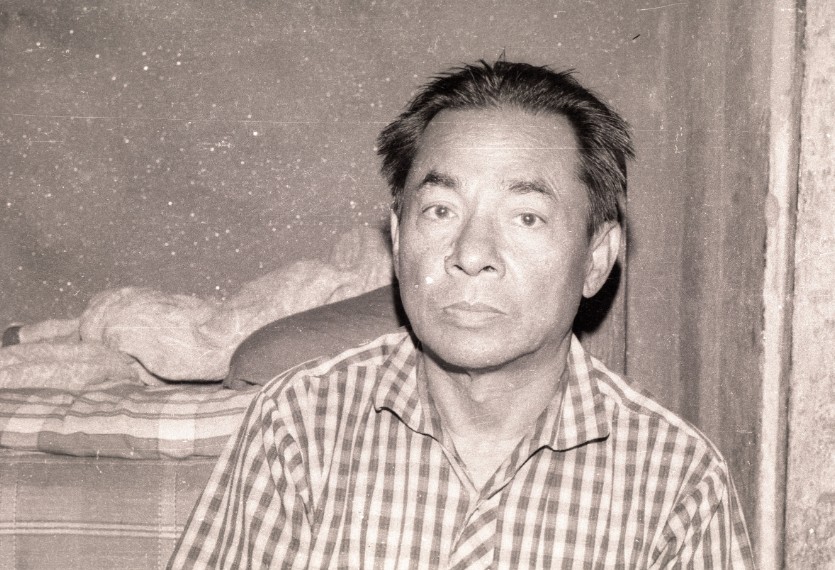
Tulsi Lal Amatya/File photo
April 1962 : Third party congress held in Varanasi, India. Tulsi Lal Amatya elected General Secretary. The congress formally expels Rayamajhi’s pro-royalist faction and approves the National Democratic Revolution program.
May 1962 : Rayamajhi’s faction refuses to recognize the Varanasi congress. The party formally splits into the Amatya-led radical CPN and the Rayamajhi-led pro-royalist faction.
1962 : Sino-Soviet split deepens globally, further dividing Nepali communists into pro-Moscow (Rayamajhi) and pro-Beijing (Amatya/Pushpa Lal) factions.
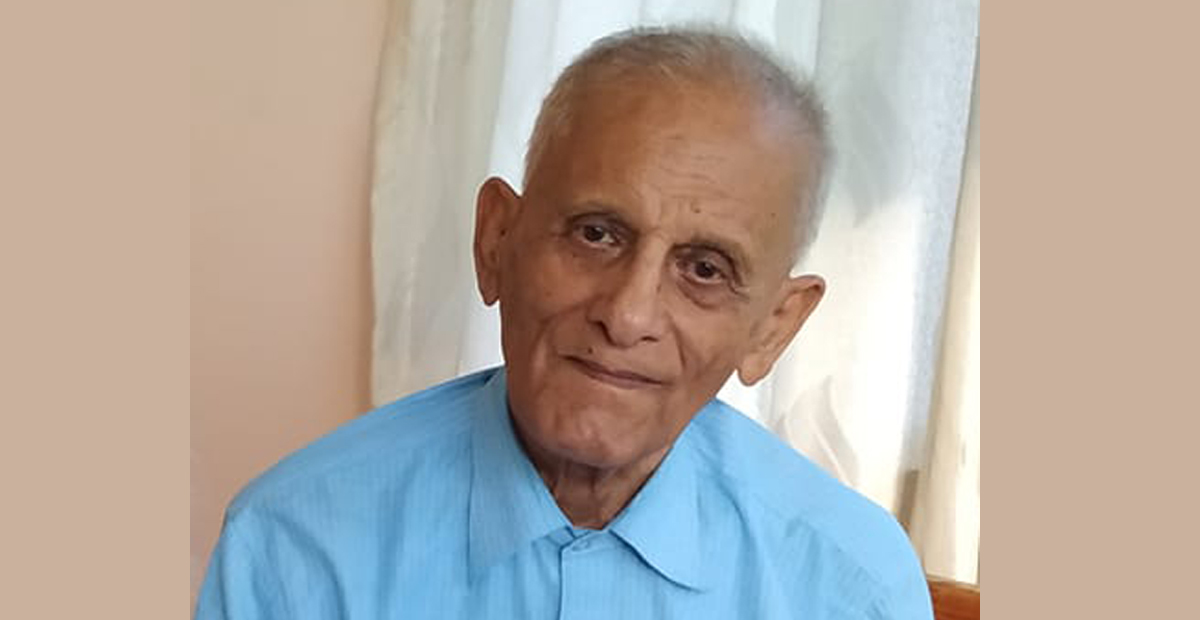
Mohan Bikram Singh/File photo
1962 : Mohan Bikram Singh remains the sole Central Committee representative of the constituent assembly faction. He later leads a separate radical Maoist faction from Pyuthan.
Fragmentation era (1963–1979)
1964 : King Mahendra introduces land reform programs. In Jhapa district, landowners refuse to honor tenant rights, sowing seeds of future revolt.
1968 : Pushpa Lal Shrestha organizes a separate party congress in Gorakhpur, India, after cooperation with Tulsi Lal Amatya breaks down. He forms the Communist Party of Nepal (Pushpa Lal), or CPN (PL).
1968 : Intensification of Sino-Soviet split further divides Nepali communists. Tulsi Lal Amatya remains General Secretary of the Amatya-faction CPN; CPN (Pushpa Lal) aligns more closely with the Maoist line.
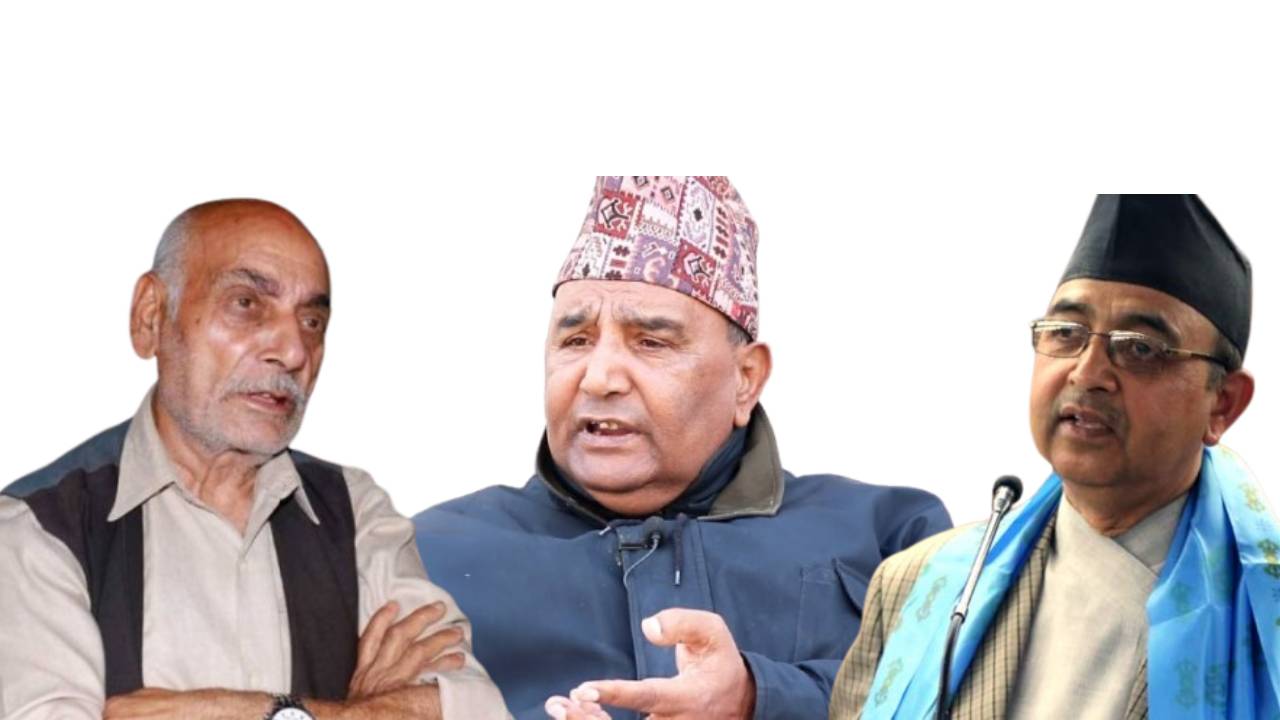
Mohan Chandra Adhikari, Radha Krishna Mainali and Chandra Prakash Mainali/File photo
1969 : Mohan Chandra Adhikari, Radha Krishna Mainali and Chandra Prakash Mainali establish the CPN’s Koshi Regional Committee in Nepal’s southeastern zone : the nucleus of the future Jhapa movement.
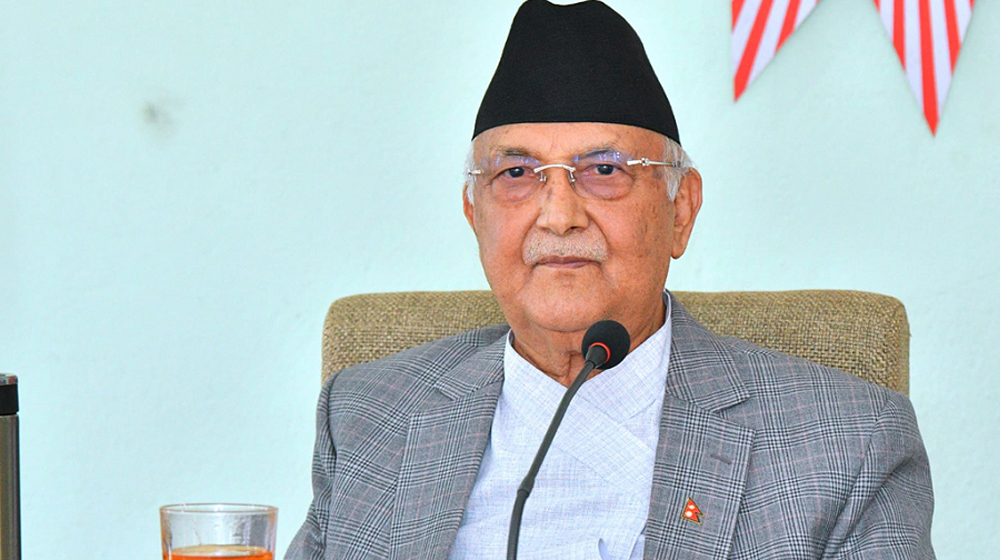
KP Sharma Oli. File photo
1969 : KP Sharma Oli (born February 23, 1952, Terhathum) begins political activism in Jhapa after his family moves there. He joins the Communist Party of Nepal in 1970.
1970 : Jhapa district communist cadres begin organizing landless tenants, influenced by Charu Majumdar’s Naxalite movement in West Bengal. An agrarian uprising is planned.
May 22, 1970 : KP Sharma Oli goes underground as a full-time cadre of the Jhapa movement after being arrested under the Public Offense Act.
1971 : Jhapa Revolt begins. Communist cadres attack and kill landlords in Jhapa district in an attempt at a Naxalite-style armed uprising against feudal landlords.
1971 : Nepal Army launches a successful counter-insurgency campaign, killing many Jhapa movement cadres and crushing the uprising. The movement fails militarily.
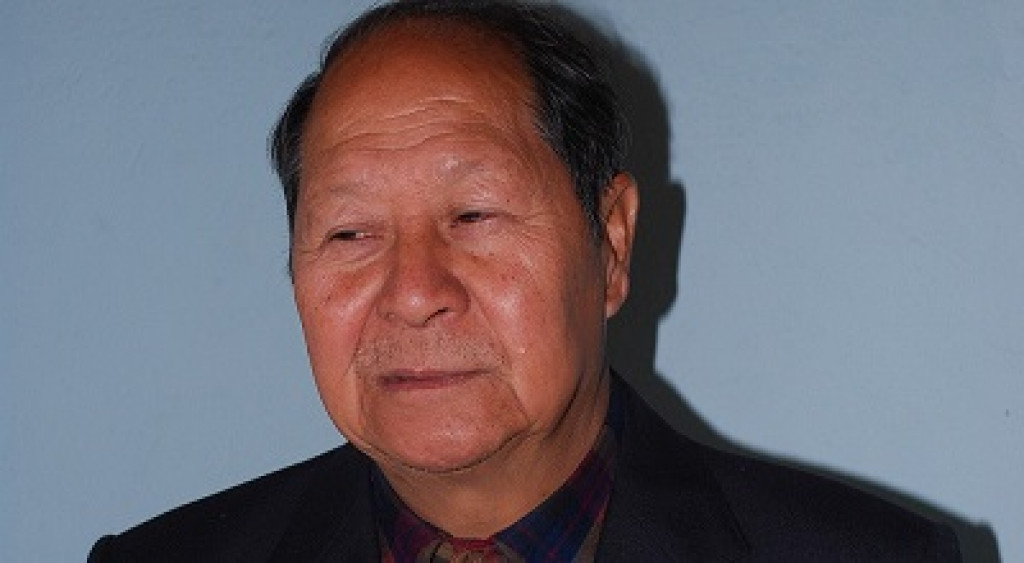
Narayan Man Bijukchhe/File photo
1971 : Narayan Man Bijukchhe (alias Rohit), a young party leader from Bhaktapur, splits from CPN (Pushpa Lal) over the party’s support for India’s intervention in East Pakistan. He later forms the Nepal Workers and Peasants Party.
1972 : KP Sharma Oli nominated as chief of the Jhapa Movement Organizing Committee.
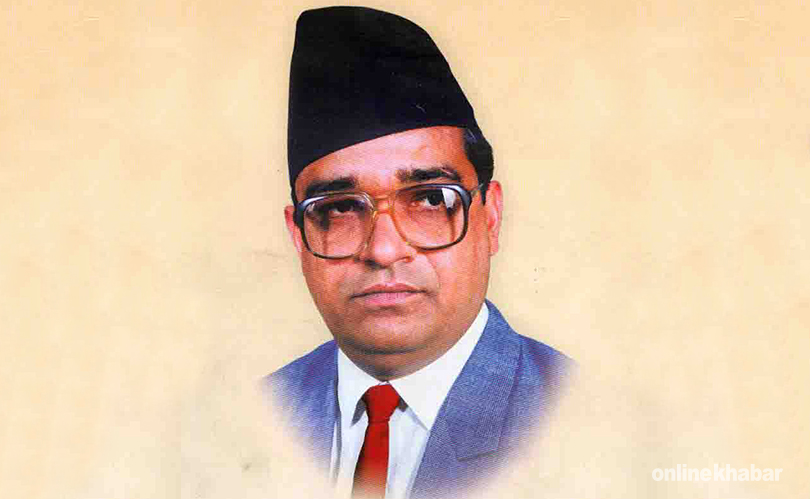
Madan Kumar Bhandari/File photo
1972 : Madan Kumar Bhandari (born June 27, 1951, Taplejung) joins the communist movement and becomes secretary of the Jana Sanskritik Morcha (People’s Cultural Group) under Pushpa Lal’s influence.
1972 : Pushpa Lal Shrestha formally names his faction the Communist Party of Nepal (Pushpa Lal) with headquarters in Varanasi, India. The party organ is Naya Janabad.
1973 : KP Sharma Oli arrested by the Panchayat government on charges of subversive activities. He is sentenced to 14 years in prison, including 4 years in solitary confinement.
1975 : Narayan Man Bijukchhe formally establishes the Nepal Workers and Peasants Organisation (later Party) : NWPP : in Bhaktapur.
1976 : Madan Bhandari breaks from CPN (Pushpa Lal) and forms Mukti Morcha Samuha (Liberation Front Group) : a critical step toward what will become CPN (ML).
December 26, 1976 : Communist Party of Nepal (Marxist-Leninist), or CPN (ML), formally established : born from the ashes of the Jhapa movement. KP Sharma Oli (then in prison) is regarded as a founding leader.
1978 : CPN (ML) expands as it formally absorbs the Jhapa movement remnants, the Koshi Coordination Committee, and other leftist factions.
July 22, 1978 : Pushpa Lal Shrestha, founder and first General Secretary of the CPN, dies. His funeral in Kathmandu becomes a massive political demonstration against the Panchayat system.
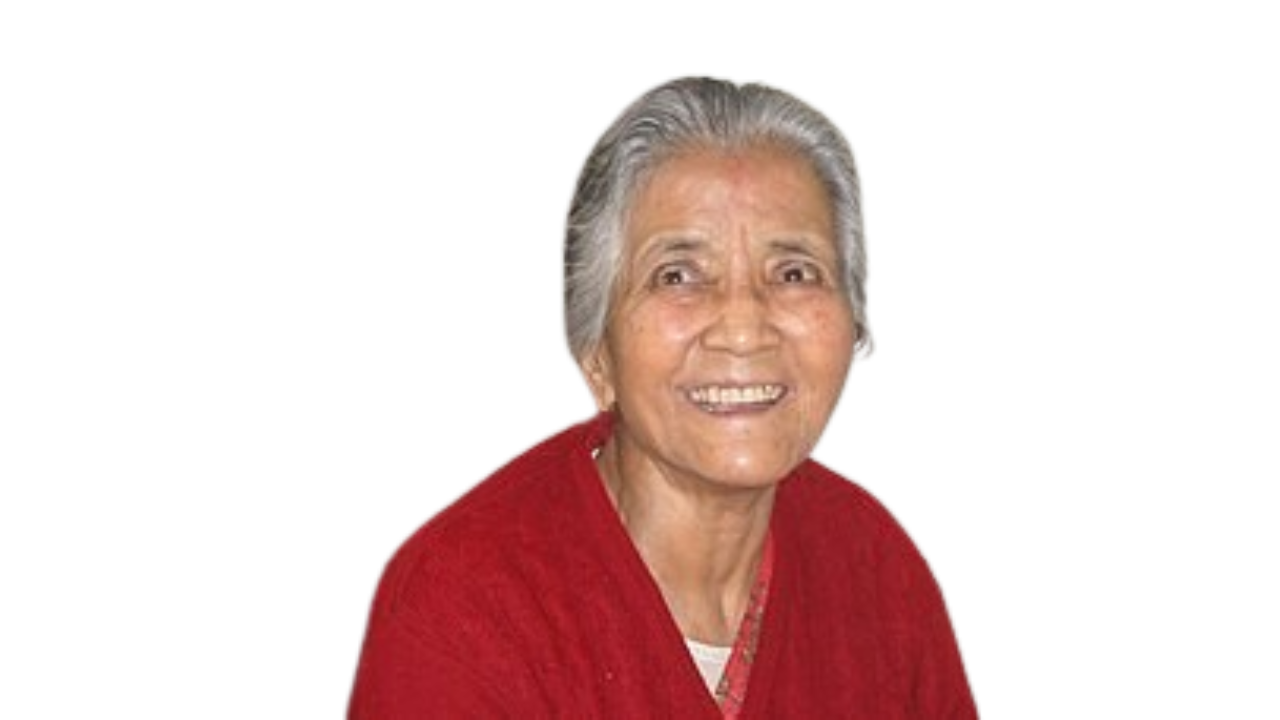
Sahana Pradhan/File photo
1978 : Sahana Pradhan (Pushpa Lal’s widow) takes over leadership of the CPN (Pushpa Lal). She steers it toward moderate cooperation with Nepali Congress.
1979 : Large student protests shake Nepal. King Birendra announces a national referendum on whether to retain the Panchayat system or restore multi-party democracy.
Panchayat era & underground struggle (1980–1989)
May 2, 1980 : National referendum held. The Panchayat system wins by 54.8% to 45.2%. Multi-party democracy narrowly loses. Communist parties continue underground.
1982 : CPN (ML) officially abandons armed struggle as a political strategy. The party adopts peaceful mass resistance. Chandra Prakash Mainali is removed; Jhala Nath Khanal becomes General Secretary.
1982 : Madan Bhandari elected a member of the Politburo of CPN (ML), rising rapidly in the party’s leadership hierarchy.
1985 : The communist movement forms various left fronts to resist the Panchayat system. CPN (ML) emerges as the premier communist force, overshadowing the pro-Soviet factions.
1986 : Madan Bhandari elected General Secretary of CPN (ML), replacing Jhala Nath Khanal. He begins developing his concept of People’s Multiparty Democracy (Janatako Bahudaliya Janawad).
1987 : KP Sharma Oli released after 14 years of imprisonment. He is assigned as Central Committee member of CPN (ML) and made in-charge of the Lumbini Zone.
1988 : CPN (Pushpa Lal), led by Sahana Pradhan, merges with CPN (Marxist) led by Man Mohan Adhikari. The merged entity is known as CPN (Marxist).
1989 : At the fourth national convention of CPN (ML), Madan Bhandari formally elected General Secretary. He consolidates the party’s democratic socialist orientation.
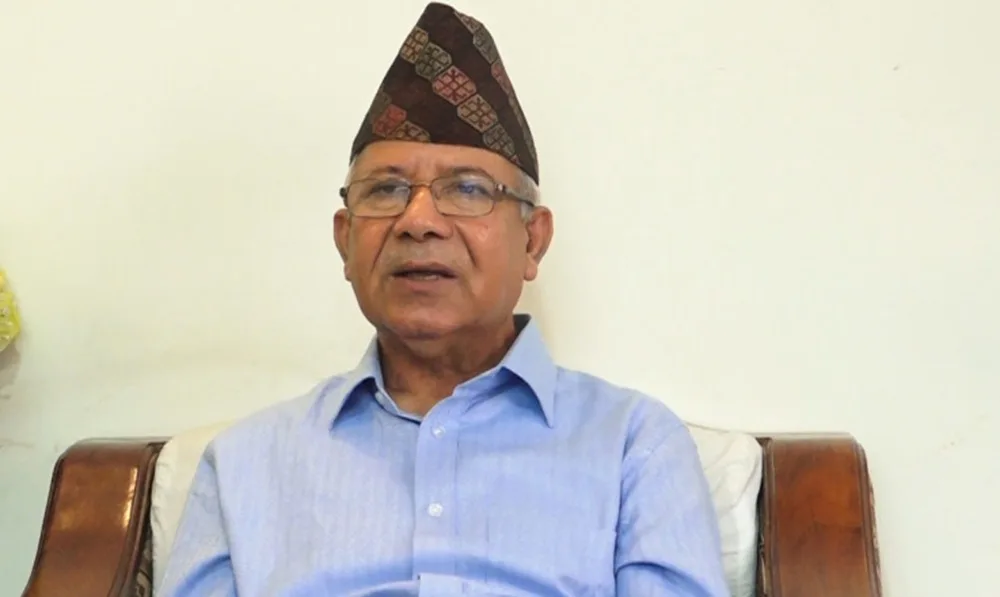
Madhav Kumar Nepal/File photo
1989 : Madhav Kumar Nepal rises in CPN (ML) leadership as a key organizational figure.
1990 : KP Sharma Oli becomes founding chair of the Democratic National Youth Federation of Nepal (DNYF), the youth wing of CPN (ML).
1990 People’s Movement & restoration of democracy
January 18, 1990 : United Left Front (ULF) : comprising CPN (ML), CPN (Marxist), and other leftist parties : formally constituted to spearhead the pro-democracy movement alongside Nepali Congress.
February 18, 1990 : Jana Andolan I (First People’s Movement) officially begins. Nepali Congress and the United Left Front jointly launch mass protests against the Panchayat system.
April 8, 1990 : King Birendra lifts the ban on political parties and restores multi-party democracy after 30 years of Panchayat rule. A caretaker government is formed.
April 19, 1990 : Interim government formed. Communist parties emerge from underground. CPN (ML) led by Madan Bhandari begins open political activities for the first time.
November 9, 1990 : New Constitution of Nepal promulgated by King Birendra, establishing a constitutional monarchy with parliamentary democracy and fundamental rights.
CPN (UML) formation & early electoral era
January 6, 1991 : Communist Party of Nepal (Unified Marxist–Leninist) : CPN (UML) : founded through the merger of CPN (Marxist) led by Man Mohan Adhikari and CPN (Marxist–Leninist) led by Madan Bhandari. Man Mohan Adhikari becomes first party Chairman.
May 12, 1991 : Nepal’s first parliamentary elections in 30 years. CPN (UML) wins 69 of 205 seats, becoming the second-largest party. Man Mohan Adhikari becomes Leader of the Opposition.
November 25, 1991 : CPN (Unity Centre) : the predecessor to CPN (Maoist) : holds its first convention, adopting the line of “protracted armed struggle.” The party remains underground.
January 1993 : Fifth Party Congress of CPN (UML) held in Kathmandu. People’s Multiparty Democracy (JBMP) officially adopted as party line. Man Mohan Adhikari elected Chairman; Madan Bhandari elected General Secretary.
May 16, 1993 : Madan Bhandari and Jibaraj Ashrit killed in a vehicle accident at Dasdhunga, Chitwan. Bhandari was CPN (UML)’s General Secretary and the architect of People’s Multiparty Democracy. His death shocks the nation.
May 1993 : Madhav Kumar Nepal elected General Secretary of CPN (UML) following Madan Bhandari’s death. Bidya Devi Bhandari (Madan Bhandari’s widow) re-enters politics.
November 1993 : Veteran communist leader Tulsi Lal Amatya’s group merges with CPN (UML), strengthening the party.
May 22, 1994 : CPN (Unity Centre) / United People’s Front Nepal splits in two. The militant faction led by Pushpa Kamal Dahal ‘Prachanda’ later renames itself Communist Party of Nepal (Maoist), or CPN (M).
November 15, 1994 : Mid-term elections held. CPN (UML) wins 88 of 205 seats, becoming the largest parliamentary party.
November 30, 1994 : Man Mohan Adhikari sworn in as Prime Minister : Nepal’s first ever communist-led minority government. KP Sharma Oli appointed Minister of Home Affairs.
December 1994 : Adhikari government launches “Afno Gaun Aafai Banau” (Build Your Own Village) program, channeling funds directly to local governments. An old-age allowance scheme is also introduced : among the most popular welfare programs in Nepali history.
September 10, 1995 : Supreme Court dismisses PM Adhikari’s recommendation to dissolve the House of Representatives after opposition parties challenge it legally. The minority government falls.
September 1995 : Communist Party of Nepal (Maoist) formally established under Prachanda (Pushpa Kamal Dahal). The party adopts a radical Maoist line and prepares for armed struggle.
The Maoist People’s War (1996–2006)
February 4, 1996 : CPN (Maoist) submits a 40-point memorandum of demands to Prime Minister Sher Bahadur Deuba. The government ignores it. This becomes the direct trigger for the People’s War.
February 13, 1996 : CPN (Maoist) launches the People’s War : simultaneous attacks in six districts across Nepal. The civil war begins. It will last ten years and kill over 13,000 people.
1997 : CPN (UML) supports the minority Rastriya Prajatantra Party government : lasting seven months.
April 1997 : CPN (UML) MP Prem Singh Dhami chairs a government taskforce on “Maoist Activities and Solutions.” The commission report is shelved in August 1997.
March 1998 : CPN (UML) splits over the Mahakali Treaty with India. Bamdev Gautam leads 46 MPs out of the party to reconstitute the CPN (Marxist–Leninist). A major political rupture.
February 13, 1998 : On the second anniversary of the People’s War, Prachanda announces the formation of the Central Military Commission under his command.
May 3, 1999 : General elections held. CPN (UML) wins 70 seats and goes into opposition. The splinter CPN (ML) under Gautam wins no seats, vindicating the cost of the 1998 split.
1999 : Man Mohan Adhikari, first communist Prime Minister of Nepal, dies. He had served as CPN (UML)’s first Chairman.
November 2001 : Nepal government declares a state of emergency and deploys the Royal Nepal Army against Maoist insurgents after a major Maoist attack on Dang. The civil war enters a new intensity.
2002 : Most of the 1998 CPN (ML) splinter faction led by Bamdev Gautam rejoins CPN (UML). A small group under C.P. Mainali remains separate.
May 22, 2002 : King Gyanendra dismisses Prime Minister Sher Bahadur Deuba’s government and the House of Representatives, citing failure to control Maoists and hold elections.
February 7, 2003 : CPN (Maoist) and government announce a ceasefire. Peace talks begin : three rounds are held in 2003.
February 2003 : Seventh General Convention of CPN (UML) held in Janakpur. Madhav Kumar Nepal re-elected General Secretary. The post of party chair left vacant after Adhikari’s death is abolished.
August 27, 2003 : CPN (Maoist) breaks the ceasefire after the third round of talks collapses over the formation of a constituent assembly. Full-scale civil war resumes.
February 1, 2005 : King Gyanendra seizes absolute power, dismissing the government and suspending civil liberties, vowing to crush the Maoists.
September 2005 : CPN (Maoist) announces a unilateral three-month ceasefire. The royalist government rejects the offer.
November 22, 2005 : Historic 12-Point Understanding signed in Delhi between the Seven-Party Alliance (SPA) : including CPN (UML) : and CPN (Maoist). Both sides agree to end royal autocracy and establish a constituent assembly.
January 2006 : Maoists end the unilateral ceasefire. Fighting resumes.
April 6–24, 2006 : Jana Andolan II (Second People’s Movement) : 19 days of mass protests involving 4–5 million people. CPN (UML) and other parties join together against King Gyanendra.
April 24, 2006 : King Gyanendra reinstates the House of Representatives, ending direct royal rule.
May 18, 2006 : The reinstated parliament declares Nepal a secular state and curtails royal prerogatives. The monarchy is effectively stripped of power.
November 21, 2006 : Prime Minister Girija Prasad Koirala and Maoist Chairman Prachanda sign the Comprehensive Peace Accord (CPA), formally ending the decade-long civil war. Maoists agree to UN monitoring of their arms.
Constituent Assemblies & Republic era
January 15, 2007 : Interim Constitution of Nepal 2007 promulgated. Maoists enter the interim parliament, controlling 84 seats in the 329-member legislature.
April 1, 2007 : CPN (Maoist) officially joins the interim government, ending its decade of armed rebellion.
December 28, 2007 : Interim parliament adopts the Federal Democratic Republic declaration : abolishing the monarchy in principle ahead of constituent assembly elections.
April 10, 2008 : Constituent Assembly elections held : Nepal’s first in nine years. CPN (Maoist) emerges as the largest party, winning 220 of 575 seats. CPN (UML) wins 108 seats.
May 28, 2008 : First meeting of the Constituent Assembly declares Nepal a Federal Democratic Republic, formally abolishing the 240-year-old monarchy.
June 11, 2008 : King Gyanendra vacates Narayanhiti Palace : formally ending the Shah dynasty.
July 21, 2008 : Ram Baran Yadav (Nepali Congress) elected as Nepal’s first President of the Federal Democratic Republic.
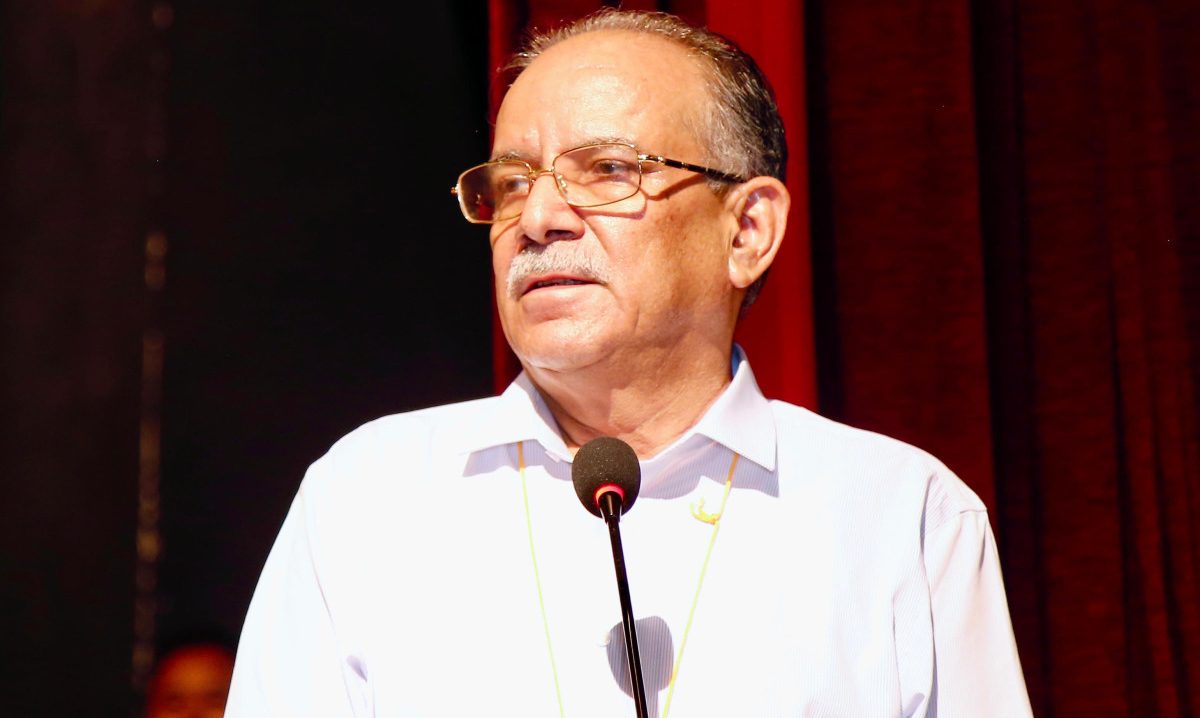
Prachanda/File photo
August 15, 2008 : Prachanda (Pushpa Kamal Dahal) elected Prime Minister by the Constituent Assembly : becoming the first Maoist Prime Minister of Nepal.
May 4, 2009 : Prachanda resigns as Prime Minister after President Ram Baran Yadav overrules his dismissal of Army Chief Rookmangud Katawal, triggering a constitutional crisis.
May 25, 2009 : Madhav Kumar Nepal (CPN UML) elected Prime Minister, leading a coalition government.
2009 : UCPN (Maoist) formed after CPN (Maoist) merges with smaller Maoist factions. Prachanda continues as Chairman. The party adopts “Unified” in its name.
January 11, 2011 : UNMIN (United Nations Mission in Nepal) formally exits Nepal after its mandate expires.
February 3, 2011 : Madhav Kumar Nepal resigns as Prime Minister after internal party pressure and coalition difficulties.
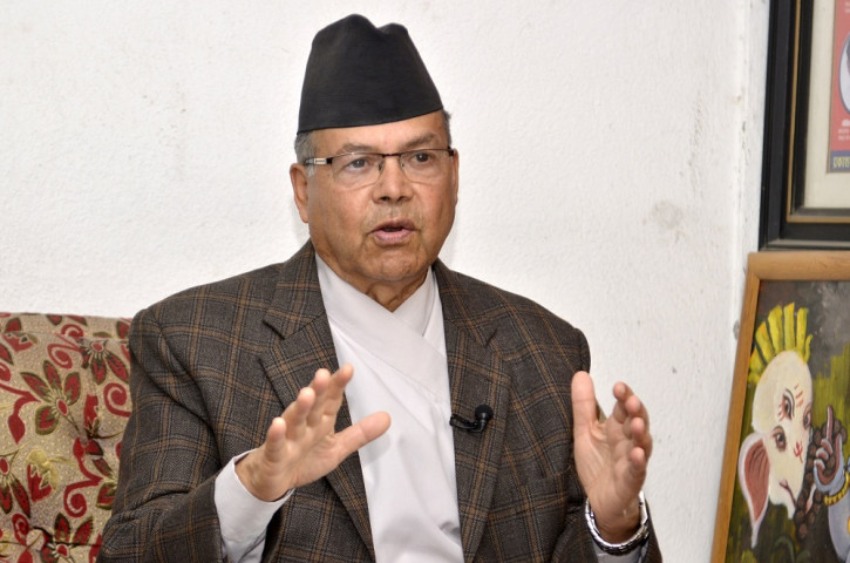
Jhalanath Khanal/photo
February 6, 2011 : Jhala Nath Khanal (CPN UML) elected Prime Minister : the third CPN (UML) Prime Minister of Nepal.
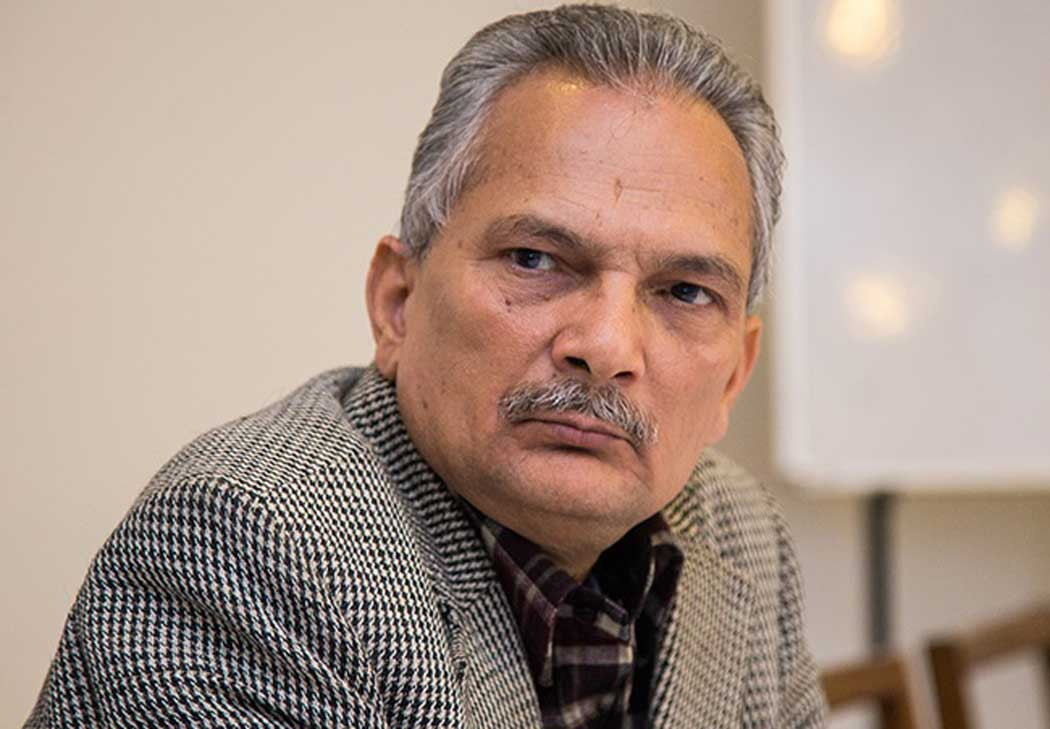
Baburam Bhattarai/File photo
August 29, 2011 : Baburam Bhattarai (CPN Maoist) elected Prime Minister : the second Maoist Prime Minister of Nepal.
November 1, 2011 : Seven-point deal signed between UCPN-M, CPN (UML), Nepali Congress, and Madheshi groups on PLA integration. Former combatants given three options: army integration, voluntary retirement, or rehabilitation.
April 10, 2012 : Nepal Army takes final control of all 15 PLA cantonments. The Maoist People’s Liberation Army is formally dissolved.
May 27, 2012 : Constituent Assembly dissolved without completing the new Constitution. Political deadlock ends the 601-member assembly’s term.
March 11, 2013 : Supreme Court Chief Justice Khil Raj Regmi appointed as Chairman of a caretaker Council of Ministers to hold fresh elections.
November 19, 2013 : Second Constituent Assembly elections held. CPN (UML) wins 175 seats (second largest). UCPN (Maoist) collapses from 220 to 80 seats.
February 10, 2014 : Sushil Koirala (Nepali Congress) becomes Prime Minister.
July 2014 : Ninth General Convention of CPN (UML) held. KP Sharma Oli elected party Chairman, defeating Madhav Kumar Nepal. Oli’s nationalist line becomes party policy.
September 20, 2015 : New Constitution of Nepal promulgated : transforming Nepal into a Federal Democratic Republic with seven provinces. CPN (UML) and Maoist parties play central roles in its drafting.
October 11, 2015 : KP Sharma Oli elected Prime Minister : the fourth CPN (UML) Prime Minister of Nepal.
2016 : UCPN (Maoist) reconstituted as CPN (Maoist Centre) under Prachanda. The party reorganizes its identity in the post-war democratic phase.
August 3, 2016 : Prachanda (CPN Maoist Centre) elected Prime Minister in a coalition with Nepali Congress : the third time he leads the government.
June 7, 2017 : Sher Bahadur Deuba (Nepali Congress) elected Prime Minister after Prachanda’s coalition shifts.
October 3, 2017 : CPN (UML) and CPN (Maoist Centre) announce an electoral Left Alliance ahead of the federal and provincial elections.
November–December 2017 : Federal parliamentary elections held. The Left Alliance (UML + Maoist Centre) wins a majority in the House of Representatives and six of seven provincial assemblies.
CPN formation & collapse (2018–2021)
February 15, 2018 : KP Sharma Oli sworn in as Prime Minister for the second time, leading the left alliance government : the most dominant communist government in Nepal’s history.
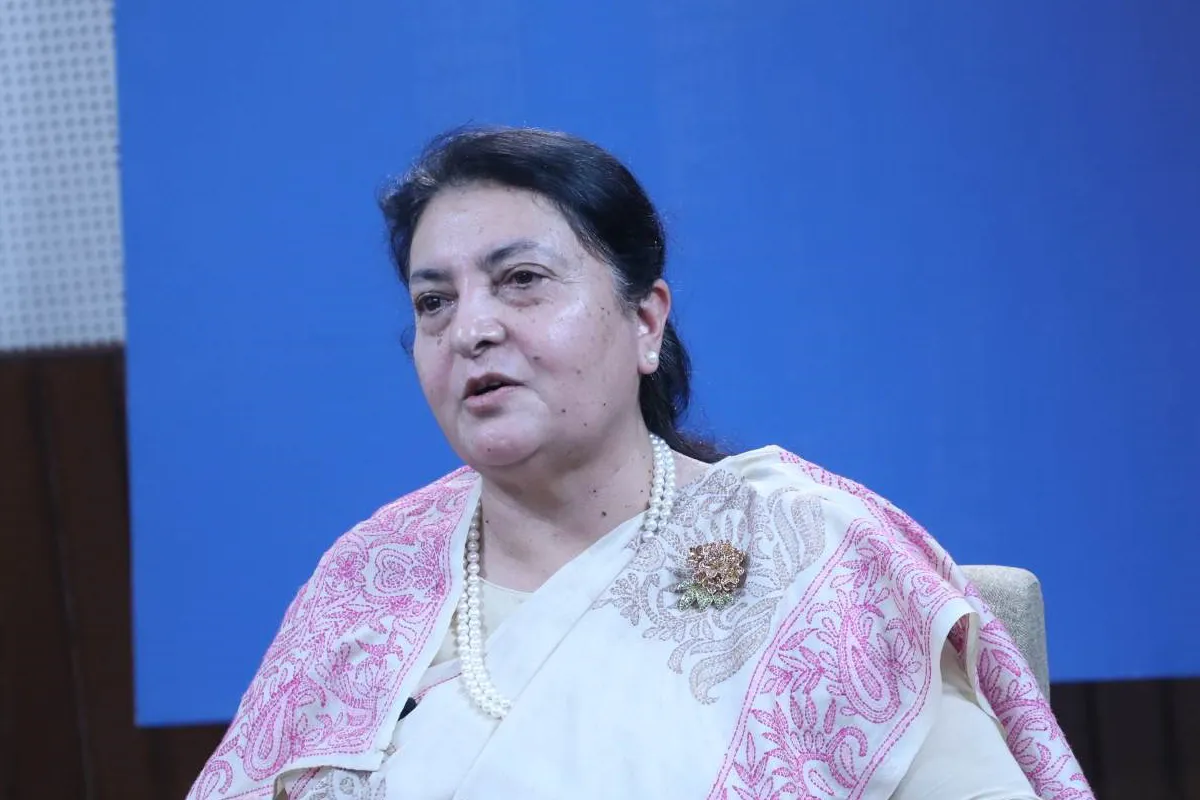
Bidya Devi Bhandari/File photo
March 13, 2018 : Bidya Devi Bhandari (Madan Bhandari’s widow) elected as President of Nepal.
May 17, 2018 : Communist Party of Nepal (CPN) officially formed from the merger of CPN (UML) and CPN (Maoist Centre). KP Sharma Oli and Pushpa Kamal Dahal serve as co-chairmen. It becomes the largest party in Nepal’s history with a near two-thirds parliamentary majority.
June 7, 2018 : CPN registered with the Election Commission under the name “Communist Party of Nepal.”
December 20, 2020 : President Bidya Devi Bhandari dissolves the House of Representatives on PM Oli’s recommendation : a controversial move challenged by the Dahal-Nepal faction within CPN.
March 8, 2021 : Supreme Court of Nepal rules the CPN merger void ab initio : because the name “Communist Party of Nepal” already belonged to Rishiram Kattel’s registered party. CPN (UML) and CPN (Maoist Centre) are revived separately.
March 9, 2021 : Election Commission formally splits the CPN into two predecessor parties: CPN (UML) under Oli and CPN (Maoist Centre) under Prachanda.
Recent era (2021–2026)
August 26, 2021 : Madhav Kumar Nepal and Jhala Nath Khanal, frustrated with Oli’s leadership, split from CPN (UML) to form Communist Party of Nepal (Unified Socialist) : CPN (US).
October 13, 2021 : Sher Bahadur Deuba (Nepali Congress) reinstated as Prime Minister by Supreme Court order after Oli’s two attempts to dissolve parliament are ruled unconstitutional.
November 20, 2022 : Federal parliamentary elections held. CPN (UML) wins 78 seats; CPN (Maoist Centre) wins 32; CPN (Unified Socialist) wins 10 seats.
December 26, 2022 : Prachanda (CPN Maoist Centre) elected Prime Minister for the fourth time, with support from CPN (UML) and other parties.
July 15, 2024 : KP Sharma Oli elected Prime Minister for the fourth time, with support from Nepali Congress : forming an unlikely coalition between two traditional rival parties.
September 4, 2025 : Oli government controversially orders shutdown of major social media platforms in Nepal, triggering Gen Z youth protests across the country.
September 8 & 9, 2025: Following the Gen Z protests, Prime Minister KP Sharma Oli reportedly left the capital on September 9 in an army helicopter amid escalating unrest.
November 2025 : Discussions begin between CPN (Maoist Centre) and CPN (Unified Socialist) about potential unification : a new chapter in Nepal’s recurring cycle of communist splits and mergers.
March 28, 2026: Nepal Police arrested former Prime Minister KP Sharma Oli and ex-Home Affairs Minister Ramesh Lekhak (Nepali Congress) over their alleged involvement in a deadly crackdown on protesters last year.
April 3, 2026: The UML Central Secretariat meeting, held in the absence of KP Sharma Oli, made public six key decisions. The meeting was chaired by former Maoist leader Ram Bahadur Thapa.
April 9, 2026: KP Sharma released on bail and handed over to his family while undergoing treatment at hospital.
April 22, 2026 : The 77th founding anniversary of the Communist Party of Nepal observed. The date also marks the anniversary of the April 22, 1949 organizing committee. Communist parties hold rallies and issue unity statements, debating the future of the left movement in the Federal Democratic Republic of Nepal.