Kathmandu
Saturday, June 6, 2026





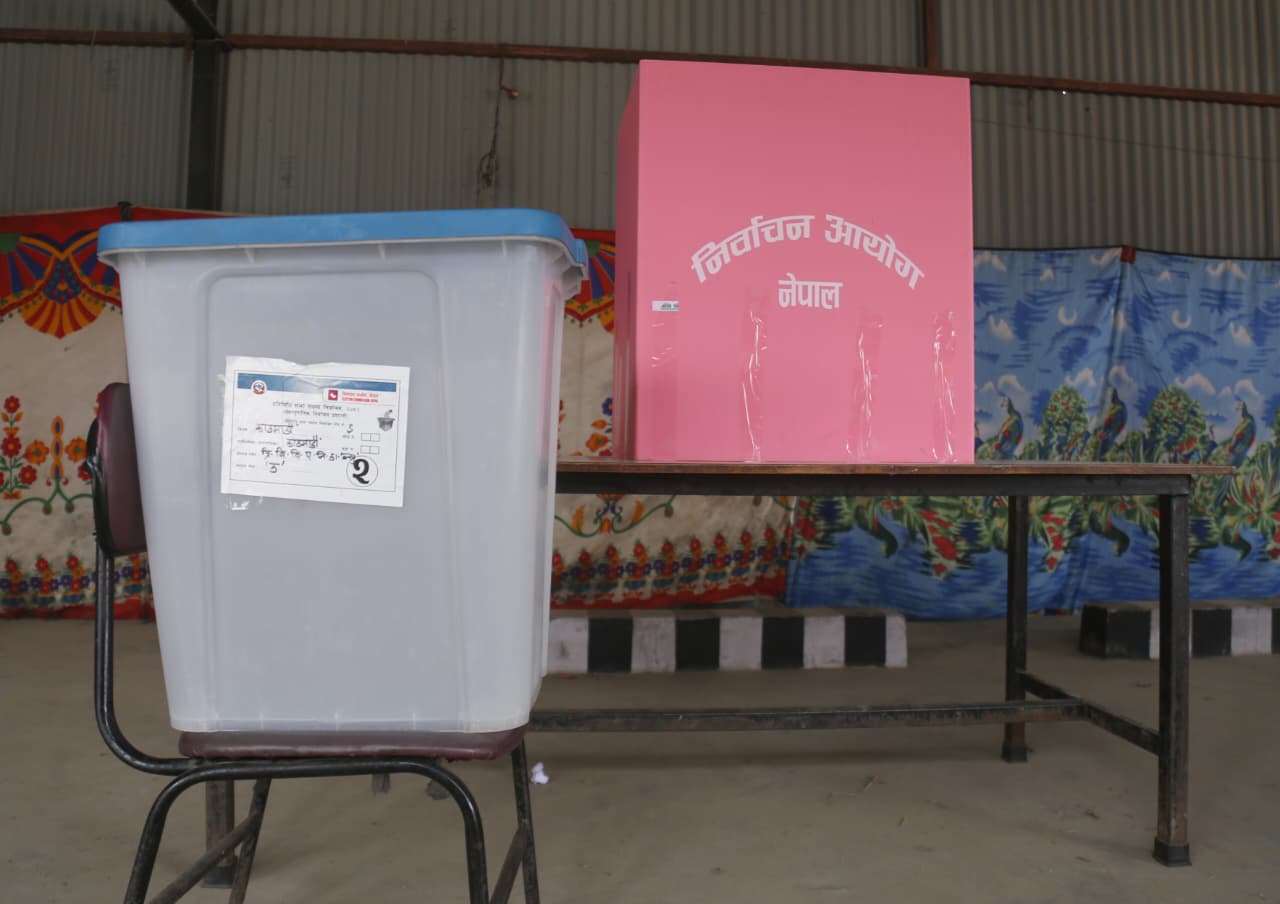
Voting is underway across the country today, March 5, for the House of Representatives election. Except for a few isolated incidents, the election has generally been proceeding normally. However, in some areas, voting has not taken place. Some people have boycotted the election to express their dissatisfaction with previously elected parties and representatives.
Among those boycotting are residents of Toksel in Okhaldhunga’s Mane Bhanjyang Rural Municipality-7. Although the government has acquired 167 ropani of land for building a provincial hospital, no work has started. Locals associated with the Shaheed Smriti Basic School polling center have decided not to vote. “Election staff have been at the polling station since early morning, but no party representatives have come,” said journalist Shiva Dhungana from Okhaldhunga. There are 701 registered voters at this polling center.
In Dang, locals affected by the Banke National Park have also boycotted voting. They protested because the long-standing demand for relocation of their settlements had not been met. The locals, troubled by wildlife, collectively decided to boycott the election, said Chandra Bahadur Rangu Magar, chairman of the National Park Affected Struggle Committee. Voters in the Deuti Secondary School polling center in Babai Rural Municipality-7 and Janata Basic School polling center in Babai Rural Municipality-1 also boycotted. There are 682 voters at Deuti Secondary School and 530 voters at Janata Basic School.
Due to intense dissatisfaction with the park administration and the government, voting has not yet occurred at the Kauwaghari polling center in Dangi Sharan Rural Municipality-1, Dang, which has 756 registered voters.
Voters at the Dudhila Secondary School polling center in Darchula have also boycotted. They opposed the placement of the ward office in an inconvenient location after the restructuring under federalism, which made most settlements in Api Himal Rural Municipality-3 distant from the ward office. Ward Chairman Gagan Singh Karki said that around 350 voters from Jhuskhu village have decided not to vote. “Locals have spontaneously decided to boycott the election, and their demands are legitimate,” he said.
Residents of Jhuskhu have stated that it takes an entire day to reach and return from the ward office. They have demanded that the office be adjusted to Ward No. 4, where it can be reached in about half an hour. Ward Chairman Karki explained that in previous elections, parties had promised to adjust the ward boundaries, and voters had participated based on that promise, but the demands have still not been addressed. Residents of Jhuskhu have been running a “No Vote Campaign” since February 27.
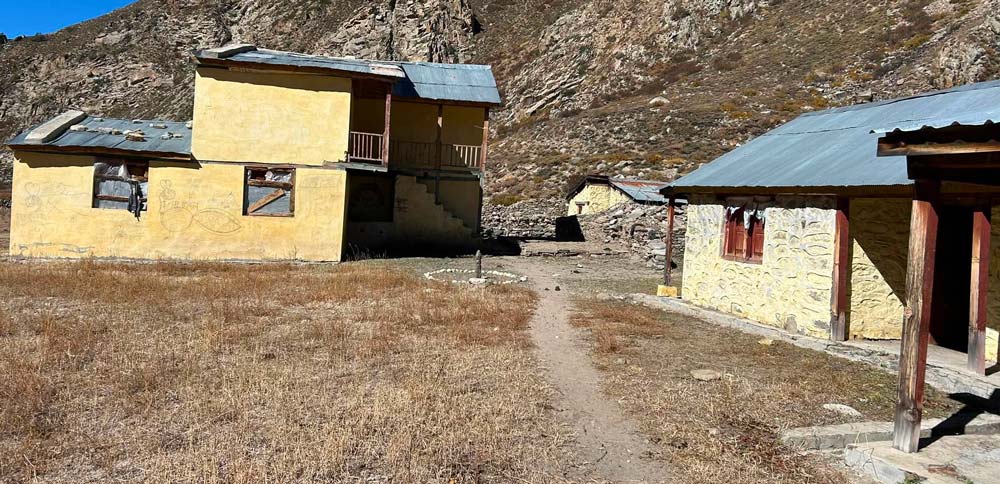
In Naugad Rural Municipality-1, Darchula, locals have also refused to vote. Around 600 registered voters at the Gaurishankar Basic School polling center boycotted, claiming that the government had neglected development and public services in Nagu. The Nagu Development Struggle Committee had launched a “No Vote Campaign” from 15 January. The day before the election, the Chief Secretary of Sudurpaschim Province, Baikuntha Aryal, even traveled by helicopter to Nagu to persuade the locals, but they remained firm in their decision not to vote.
Previously, in the 2017 election, residents of Tila village, Nechasalyan Rural Municipality-6, Solukhumbu, had also boycotted the election. They were unhappy with the decision to merge Tila into Nechasalyan against their wishes and demanded that their village near the district headquarters be included in Dudhkunda Municipality-11. After the election, on 25 January 2018, the government addressed their demand.
Constitutional expert Bipin Adhikari notes that election boycotts occur when the government and political parties fail to resolve local issues at the political level in a timely manner. “When there are large-scale boycotts, it raises questions about the legitimacy of the election itself, which is why this issue is a serious concern,” he said.