Kathmandu
Sunday, July 12, 2026






KATHMANDU: For nearly two decades, Khadga Prasad (KP) Sharma Oli has been Nepal’s most polarising political force-admired, reviled, but never ignored.
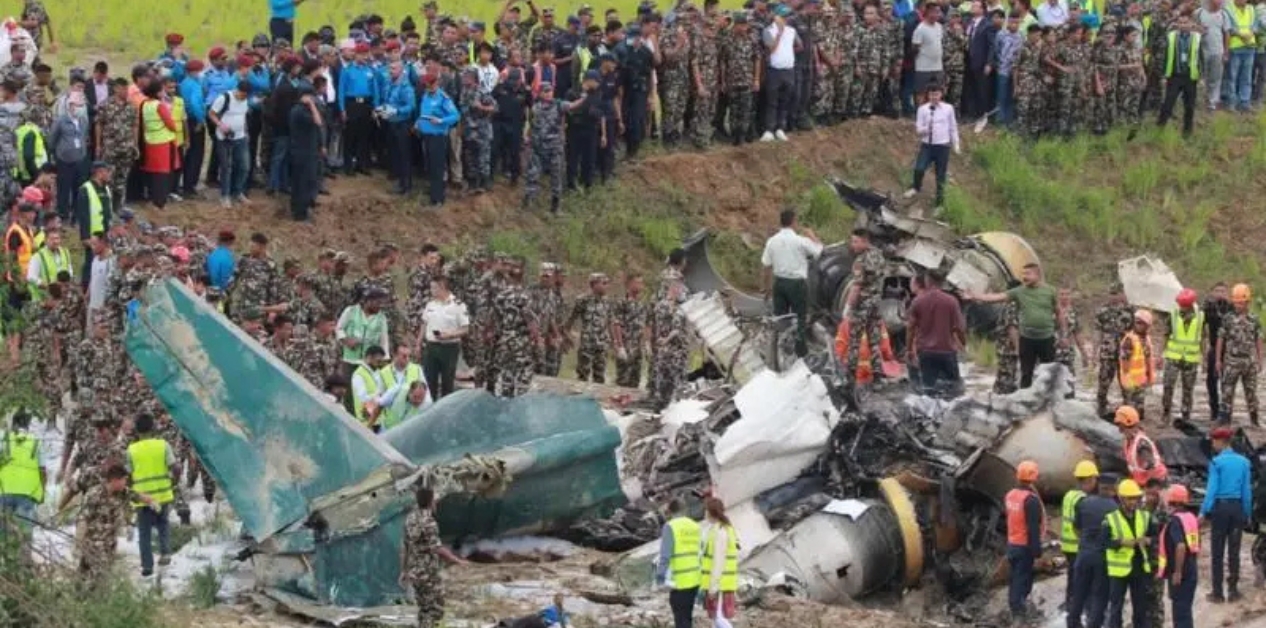
He twice commanded near two-thirds majorities, a rarity in modern Nepali politics. Yet both tenures ended abruptly: first, undone by Court’s mandamus; later, in scenes that bordered on the surreal, with his evacuation by military helicopter.
At his peak, Oli embodied a muscular nationalism that resonated widely. To supporters, he became “Ba”-a paternal figure promising stability after years of churn. To critics, he hollowed out intra-party democracy, centralised power and turned a blind eye to corruption. The promise of constitutional consolidation and federal stability under his watch gave way to repeated political crises.
Oli’s governing style-marked by intolerance for dissent and an instinct for unilateral control-ultimately narrowed his political base. The youth-led Gen Z protests of 2025 marked a turning point. Once at the height of power, he found himself besieged-his residence attacked, his authority questioned, and his legacy recast.
Now facing a rising generation of challengers, KP Sharma Oli has seen his authority erode. Defeated in the March 5 election, briefly detained, and freed on bail, he grapples with internal party dissent and a waning grip on power. Yet Oli’s story is more than a decline: it is a contest over legacy.
This Nepal News timeline traces the life and career of Nepal’s four-time prime minister, from his early political roots to his most recent battles.
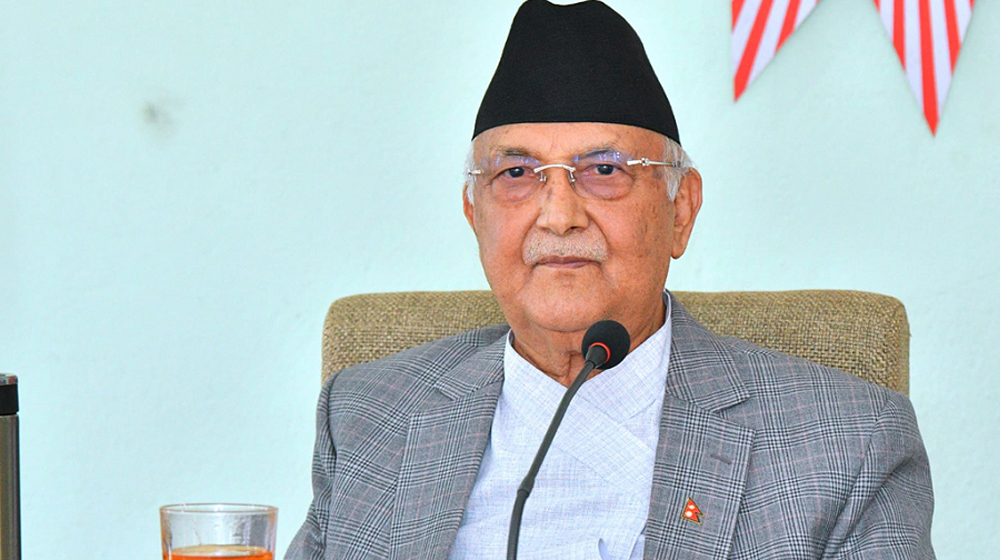
Khadga Prasad (KP) Sharma Oli/File photo
February 22, 1952: Khadga Prasad Sharma Oli was born in Terhathum District to Mohan Prasad Oli, from a lower middle-class Brahmin farming family, and Madhumaya Oli, who died of smallpox when he was four; he was raised by his grandmother and later gravitates toward radical politics, joining a Marxist study circle led by Ramnath Dahal.
June 1958: His family relocates to Surunga in Jhapa District, but devastating floods in the Kankai River leave them landless, forcing Oli to live with his grandparents.
January 1963: The family migrates to Garamani, Jhapa, where Oli continues his schooling after early education at Pranami Middle School.
February 1966: Begins his involvement in student politics, influenced by the radical “Naxalite” communist movement across the border in West Bengal, India.
February 1970: Oli completes his School Leaving Certificate from Adarsha Secondary School and becomes involved in anti-Panchayat and Naxalbari-inspired communist movements, influenced by his uncle Ramnath Dahal. He joins a splinter group of the Communist Party of Nepal and is arrested the same year for his involvement in subversive political activities.
May 1970: Experiences his first arrest during a protest; he was held briefly but the experience solidified his resolve to go underground.
April 1971: Helps organize the “Jhapa Uprising,” a militant movement inspired by the Maoist ideology of “eliminating class enemies” (landlords).
June 1972: Following a party split, Oli becomes organizing secretary of a coordination committee linked to the Jhapa rebellion, advocating mass mobilization over armed struggle.
December 1972: Leads a series of secret meetings in the tea gardens of Jhapa to expand the party’s reach into the eastern hills of Nepal.
February 1973: He is removed from his post and stripped of party membership by hardline leaders favoring armed revolt.
October 1973: Arrested in Rautahat under a pseudonym, Oli, an active young communist, began 14 years in high-security prisons. He was detained with other Jhapa revolt leaders while opposing the partyless Panchayat regime, enduring brutal torture, long imprisonment, and the constant threat of the death penalty. Radha Krishna Mainali said that between May 1971 and November 1973, seven ‘feudal landlords’ were targeted in actions by the rebels, while the state killed 11 of their fighters. Many more were arrested.
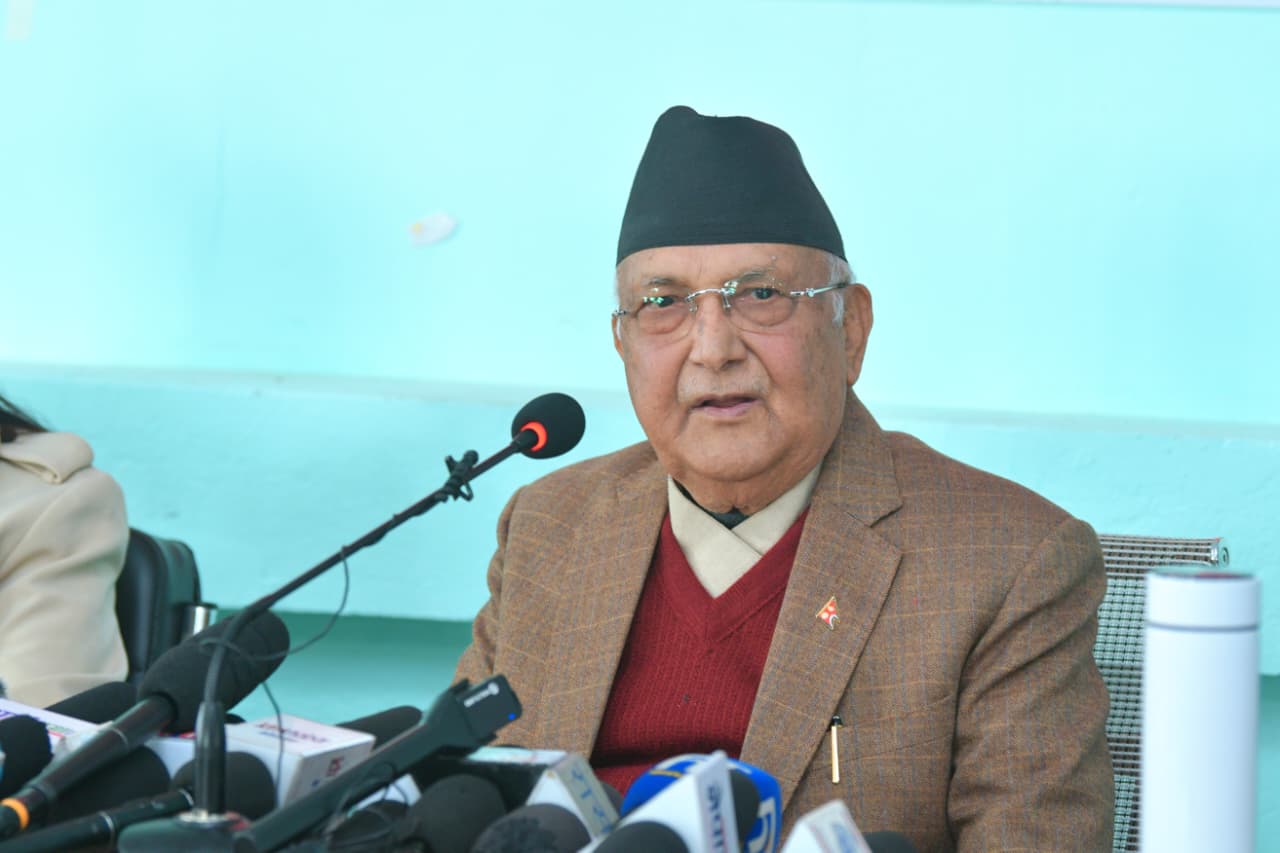
KP Sharma Oli/ File photo
June 1975: Transferred to the “Golghar” (solitary confinement) in Central Jail, Kathmandu. He spent years in a tiny cell with minimal light or human contact.
August 1978: While still in prison, the Communist Party of Nepal (Marxist-Leninist) was officially founded; Oli was recognized as a founding member.
January 1982: Embarks on a 15-day hunger strike inside prison to demand better living conditions and books for political prisoners.
December 1984: Undergoes a clandestine medical procedure in jail for a chronic stomach ailment, sparking the first major concerns about his long-term health.
January 1986: Elected to the Central Committee of the CPN (ML) while still incarcerated, a testament to his enduring influence among underground cadres.
July 1987: Oli is released from prison after 14 years and re-enters active politics within the communist movement.
September 1987: Marries Radhika Shakya, a fellow activist who would become his lifelong partner and political confidante.
1989: He was appointed Lumbini Zonal chief of the United Left Front, emerging as a key regional leader.
April 1990: Plays a key role in the “Jana Andolan I” (People’s Movement), which successfully ends the absolute monarchy and restores multi-party democracy.
January 6, 1991: Founding member of the CPN (Unified Marxist-Leninist) following the merger of CPN (ML) and CPN (Marxist).
May 12, 1991: Following the restoration of multiparty democracy, Oli is elected to the House of Representatives from Jhapa and becomes a founding central committee member of the newly formed Communist Party of Nepal (Unified Marxist–Leninist).
May 15, 1991: Founded the Democratic National Youth Federation (DNYF) and served as its first president, creating a powerful youth wing for the UML.
1992: He is elevated to the party’s standing committee and appointed chief of its publicity department.
May 16, 1993: Oli plays a central role in internal party debates and leads a separate probe into the death of leader Madan Bhandari, concluding it was an assassination.
November 1994: He is re-elected to parliament and appointed Minister for Home Affairs in Nepal’s first communist-led government under Man Mohan Adhikari.
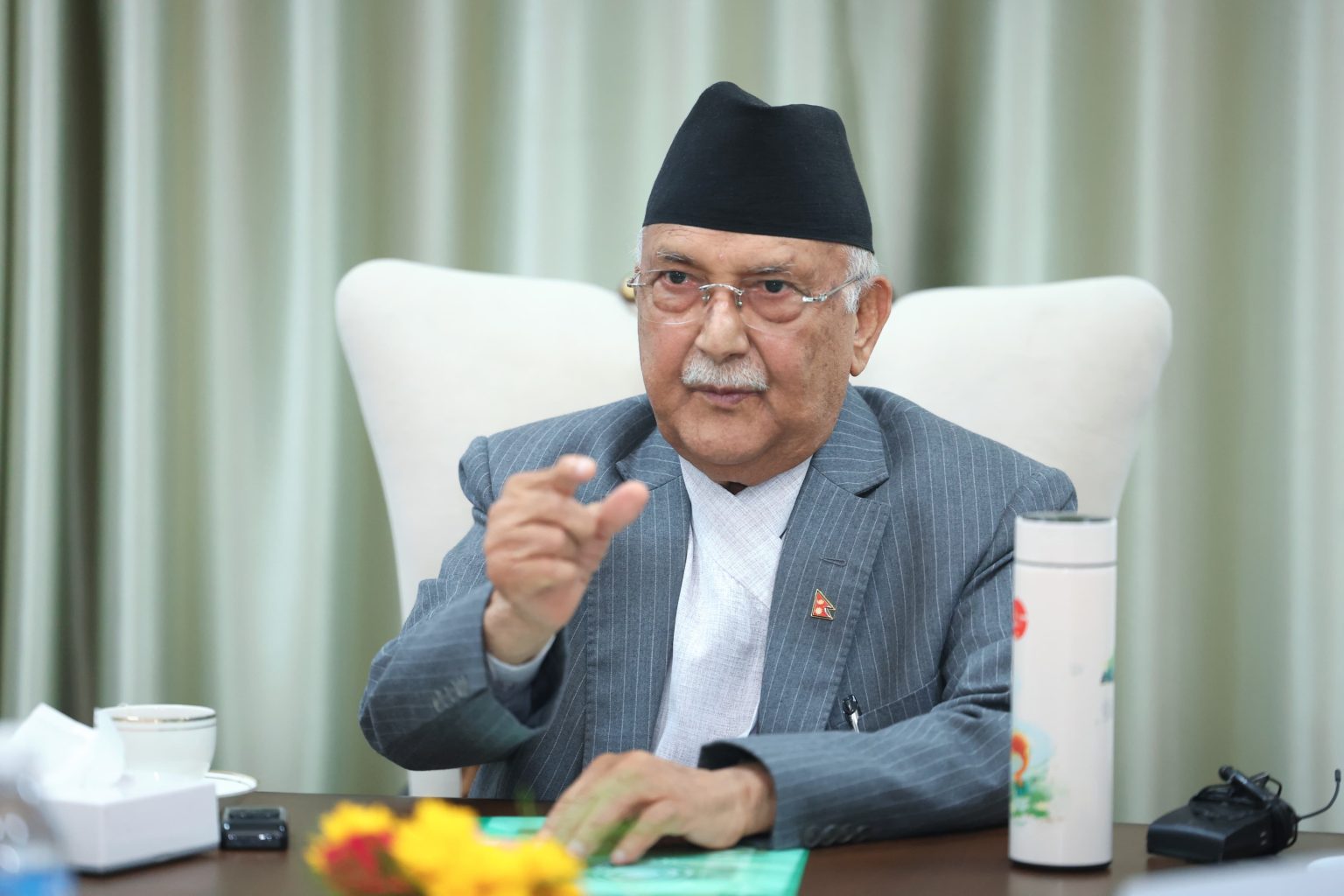
KP Sharma Oli/File photo
November 30, 1994: Sworn in as Minister for Home Affairs in the minority government of Man Mohan Adhikari. He was the first communist Home Minister of Nepal.
May 1995: Launches a nationwide crackdown on organized crime and corruption, though critics accused him of targeting political opponents.
September 12, 1995: Resigns as Home Minister after the government falls due to a vote of no confidence.
September 20, 1996: Supports the controversial Mahakali Treaty with India, arguing it was in Nepal’s national interest; this caused a deep rift within his party.
March 1998: Leads the faction that remains in CPN (UML) after Bam Dev Gautam and others split to form the CPN (ML) over the Mahakali dispute.
May 17, 1999: Oli wins a third consecutive parliamentary term and later serves as deputy leader of the main opposition in parliament from 1999 to 2002.
August 1999: Appointed Deputy Leader of the Opposition in Parliament, where he became known for his sharp, satirical attacks on the ruling Nepali Congress.
June 1, 2001: Condemns the Royal Massacre in Kathmandu, but remains cautious about the subsequent rise of King Gyanendra.
February 2003: At the UML’s 7th General Convention, he proposes a “multi-party people’s democracy” refinement, but loses the leadership race to Madhav Kumar Nepal.
February 1, 2005: Following King Gyanendra’s royal coup, Oli is placed under house arrest amid a crackdown on political leaders.
April 29, 2006: After the People’s Movement restores democracy, Oli is appointed Deputy Prime Minister and Minister for Foreign Affairs in the interim government.
July 2006: Signs the “12-point agreement” on behalf of the UML, which paved the way for the Maoists to join mainstream politics.
2007: Oli undergoes his first kidney transplant at Apollo Hospital, marking a major turning point in his health.
April 10, 2008: He loses the Constituent Assembly election from Jhap-7 but remains influential within party structures.
February 2010: Re-elected to the UML Standing Committee. He begins consolidating power against the “soft-line” faction of Madhav Kumar Nepal.
November 19, 2013: Wins a seat in the second Constituent Assembly from Jhapa-7, successfully staging a political comeback.
February 4, 2014: Elected Leader of the UML Parliamentary Party, defeating Jhalanath Khanal by a narrow margin.
July 17, 2014: Oli is elected chairman of the Communist Party of Nepal (UML) at the 9th General Convention, consolidating his leadership within the party.
September 20, 2015: Plays a leading role in the promulgation of the new Constitution of Nepal, despite intense protests from Madhesi groups and Indian disapproval.
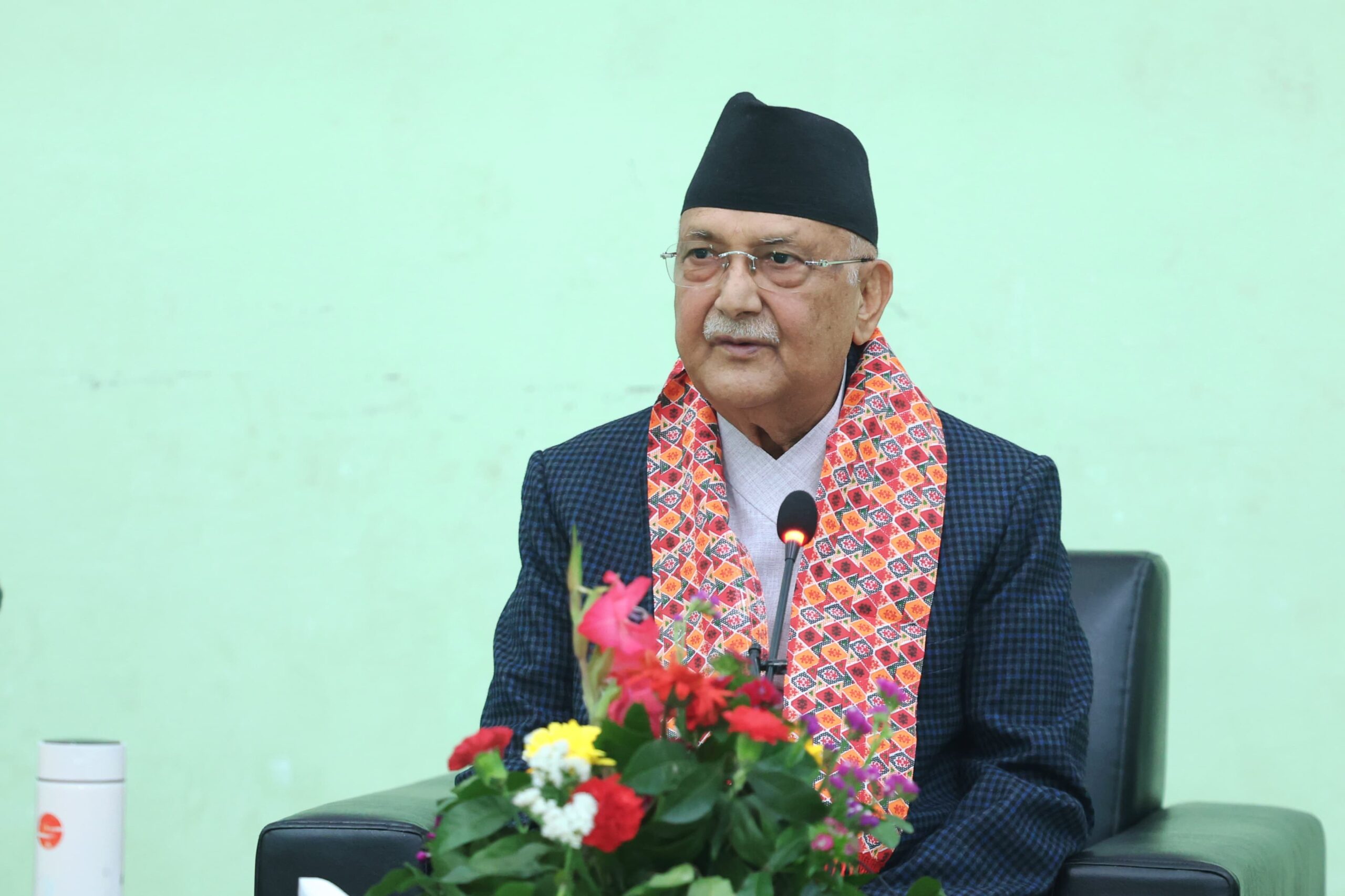
KP Sharma Oli/File photo
October 11, 2015: Oli is elected as the 38th Prime Minister of Nepal following a parliamentary vote.
November 2015: Takes a hardline “nationalist” stance against the Indian blockade, refusing to bow to diplomatic pressure from New Delhi.
March 21, 2016: Signs a landmark Trade and Transit Agreement with China in Beijing, aiming to end Nepal’s sole dependency on India.
May 2016: Survives a “midnight deal” attempt by the Maoists to topple his government, briefly patching things up with Prachanda.
July 24, 2016: His first term as prime minister ends after losing parliamentary support.
October 3, 2017: Announces a “Left Alliance” with the CPN (Maoist Centre) for the upcoming elections, a move that fundamentally altered Nepal’s political landscape.
February 15, 2018: Oli returns as prime minister for a second term after leading a left alliance to electoral victory.
May 17, 2018: Formally merges UML and Maoist Centre to form the Nepal Communist Party (NCP), becoming co-chairman with Prachanda.
March 8, 2019: Signs a controversial deal with CK Raut, bringing the secessionist leader into mainstream politics.
August 2019: Travels to Singapore for “plasmapheresis” treatment as his transplanted kidney begins to show signs of failure.
October 30, 2019: Oli is rushed to Grande International Hospital in Kathmandu after his health deteriorates. He undergoes his first round of emergency dialysis in 24 hours.
November 27 – December 4, 2019: He remains in the Intensive Care Unit (ICU) recovering from surgery. During this week-long stay, he undergoes additional rounds of dialysis as his body struggles to recover from the infection and surgery simultaneously.
December 5, 2019: Discharged from the hospital after nine days, returning to the Prime Minister’s residence in Baluwatar under strict medical observation.
December 20, 2020: Dissolves the House of Representatives due to internal strife in the NCP, a move later overturned by the Supreme Court.
February 23, 2021: The Supreme Court reinstates the House, handing Oli his first major legal defeat.
March 7, 2021: The Supreme Court invalidates the NCP merger, technically reviving the UML and Maoist parties and stripping Oli of his majority.
May 10, 2021: Loses a vote of confidence in Parliament; however, he is re-appointed PM as the largest party leader because the opposition failed to form a coalition.
May 21, 2021: Dissolves the House for a second time in six months, leading to widespread constitutional crisis.
July 12, 2021: The Supreme Court issues a “mandamus,” ordering the appointment of Sher Bahadur Deuba as PM and reinstating the House. His second tenure ends amid political turmoil and a Supreme Court verdict restoring parliament.
July 13, 2021: Oli officially leaves office, moving back to his private residence in Balkot amid a massive motorcade of loyalists.
November 20, 2022: Re-elected to the House from Jhapa-5. He remained the most powerful opposition leader, constantly maneuvering to break the ruling coalition.
December 25, 2022: Successfully breaks the Deuba-Prachanda alliance by supporting Prachanda for PM, effectively becoming the “power behind the throne.”
February 27, 2023: Withdraws support from the Prachanda government after a dispute over the presidential candidate, moving back to the opposition.
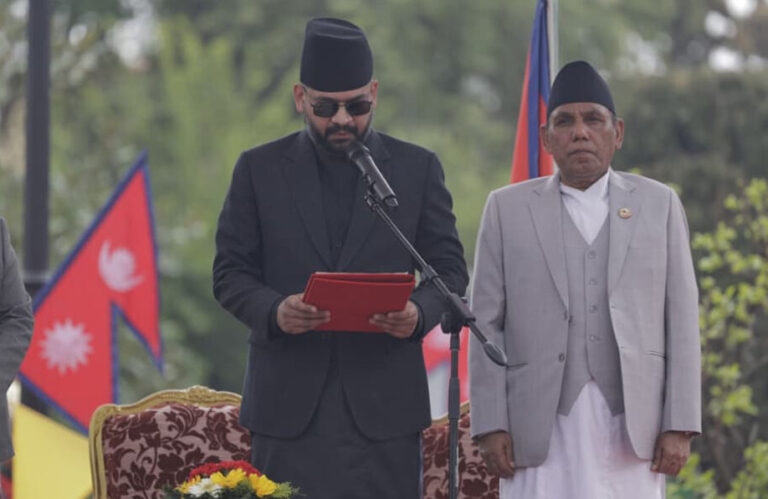
July 15, 2024: Sworn in as Prime Minister for the third time after a surprise midnight deal with the Nepali Congress to “ensure political stability.”
January 2025: Proposes a series of amendments to the Constitution that critics labeled as “authoritarian” and designed to curb the powers of small parties.
August 15, 2025: His government introduces the “Digital Decency Act,” which included a total ban on several social media platforms.
September 4, 2025: The “Gen Z Revolution” begins in Kathmandu; thousands of youth take to the streets demanding the lifting of the internet ban and an end to corruption.
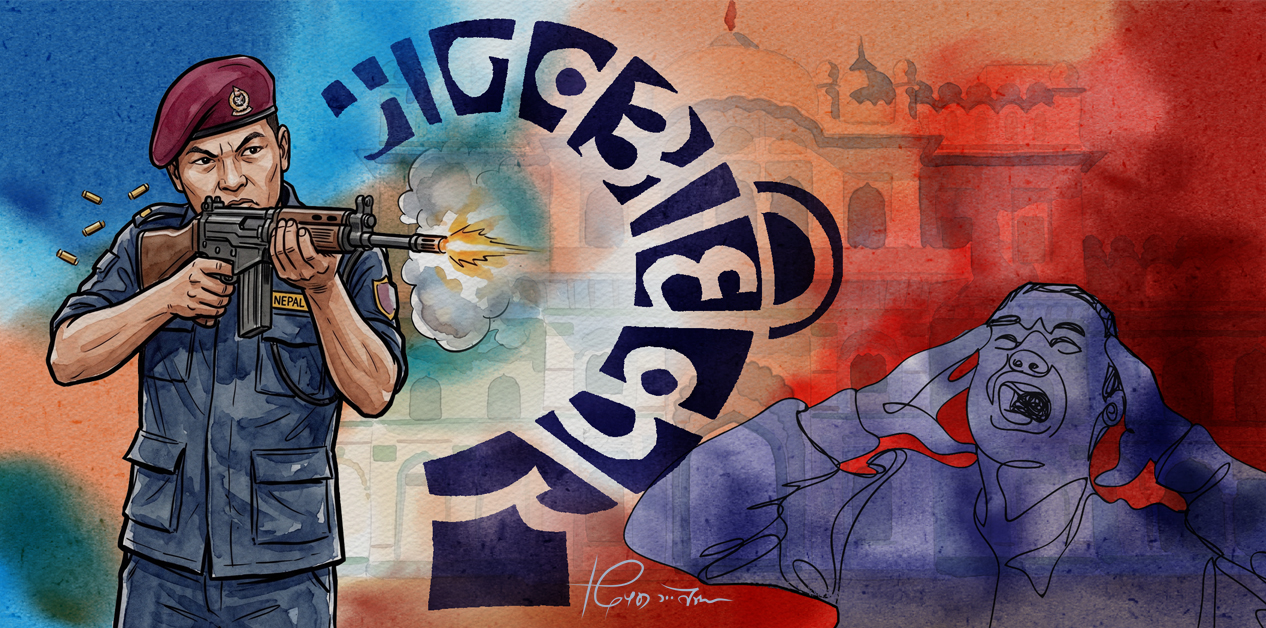
September 8, 2025: A “Black Monday” in Nepal; police fire on protesters in Baneshwor, killing 19 youths. This was the deadliest day of his final tenure.
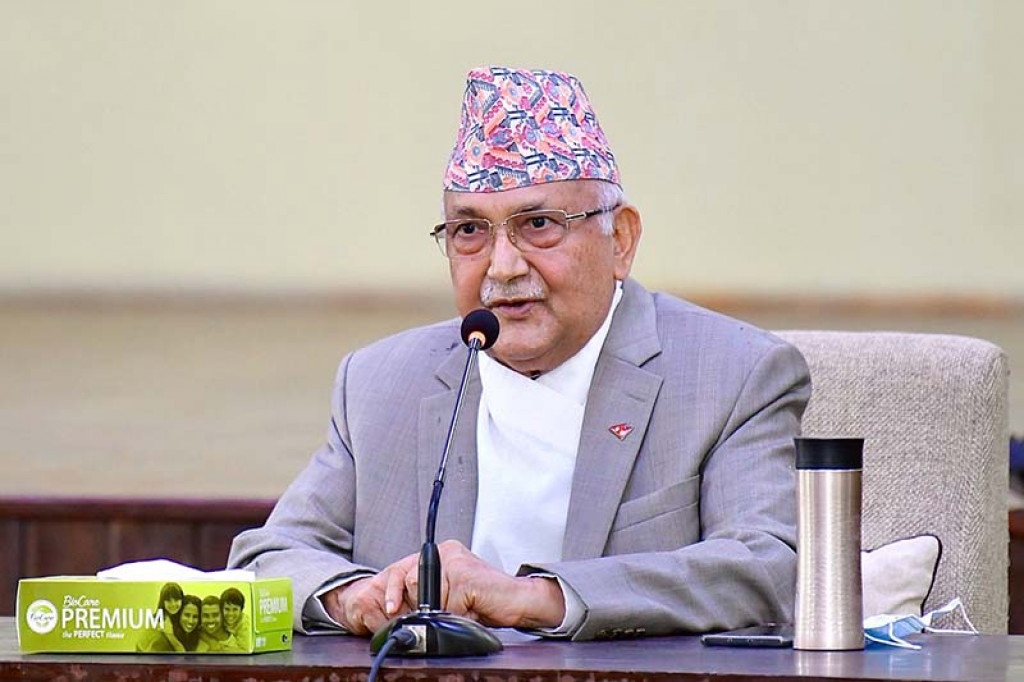
September 9, 2025: KP Sharma Oli resigns as Prime Minister. His resignation letter stated he was stepping down to “prevent further bloodshed.”
September 22, 2025: A high-level judicial commission is formed to investigate the “September Massacre,” naming Oli as a primary person of interest.
December 18, 2025: Despite the controversy, he is re-elected as UML Chairman at the 11th General Convention, though several senior leaders competed from the opposition faction.
January 25, 2026: Testifies before the judicial commission, where he famously dismissed the inquiry as a “political witch-hunt” and a “scarecrow.”
February 24 , 2026: KP Sharma Oli announced the mobilization of the party’s National Volunteer Force during a program in Jhapa. He directed party committees to form volunteer units of at least 30 members per polling booth to maintain peace and order during the March 5 elections and to counter what he described as anarchic activities.
March 7, 2026: Oli was defeated in his Jhapa-5 constituency by Balen Shah by a significant margin of around 50,000 votes. The final vote count was announced on March 7, following the elections held on March 5.
March 8, 2026: After missing several deadlines, former Justice Gauri Bahadur Karki submitted the long-awaited 907-page report of the commission investigating the September 8–9, 2025 Gen Z protests to Prime Minister Sushila Karki. The report called for criminal indictments under Sections 181 and 182 of the National Penal Code against former Prime Minister KP Sharma Oli.
March 28, 2026: Taken into police custody from his Balkot residence for “command responsibility” over the September 2025 Gen Z killings.
March 29, 2026: In a pivotal step for the ongoing legal proceedings, the Kathmandu District Court officially granted a request from law enforcement to place Oli into judicial custody. Presiding over the hearing, the court issued a five-day remand order.
March 30, 2026: Following an immediate appeal by the defense counsel, the Supreme Court of Nepal reviewed the legality of the detention. However, the apex court ultimately rejected the initial bail petitions filed on behalf of Oli. The bench ruled that the gravity of the charges and the current state of the investigation necessitated continued detention.
March 31, 2026: The CPN (UML) announced a two-week-long series of protests against the arrest of party chairman KP Sharma Oli. The program includes municipality-level demonstrations on April 11 and ward-level protests on April 16, with further plans for provincial capitals and a major gathering in Kathmandu later in April. Party leaders vowed to fight both politically and legally.
April 5, 2026: A Kathmandu court extends his remand for 7 more days, as he remains the most significant political figure currently behind bars in Nepal.
April 6, 2026: The Supreme Court refused to extend the judicial custody of Oli and ex-Home Minister Ramesh Lekhak over their alleged roles in the September 8 Gen Z protest killings. The court ordered their release when the current remand expires on April 9, while investigations continue.
April 9, 2026: Released on bail after 13 days in custody, following a Supreme Court order. He was handed over to his family on the condition that he appears whenever required. The Kathmandu District Court had extended his remand three times. After his arrest, he was kept in a hospital for treatment. The Supreme Court later ordered that his remand not be extended further and that he be released once the investigation was complete, leading to his release after the remand expired.