Kathmandu
Friday, July 3, 2026





Despite pledging to govern by "counting seconds, not days," the Balendra Shah-led administration has completed just over one-third of its 100-point agenda, with several flagship reforms still pending
KATHMANDU: “We don’t even need the privilege of a honeymoon period. We want to work not by counting days, but by counting seconds, and we have already started doing so. You are witnessing the speed of the government.
Rabi Lamichhane, Chairman of the Rastriya Swatantra Party (RSP)—which secured a near two-thirds majority in the elections held on March 5—stated this while addressing the first meeting of the House of Representatives on April 2.
Many had praised Chairman Lamichhane’s speech that day. He had also expressed his commitment to prove themselves through actions rather than words. “Every honorable member must prove their party through their work. Now, instead of speaking well, they will speak through the government’s work,” Lamichhane added.
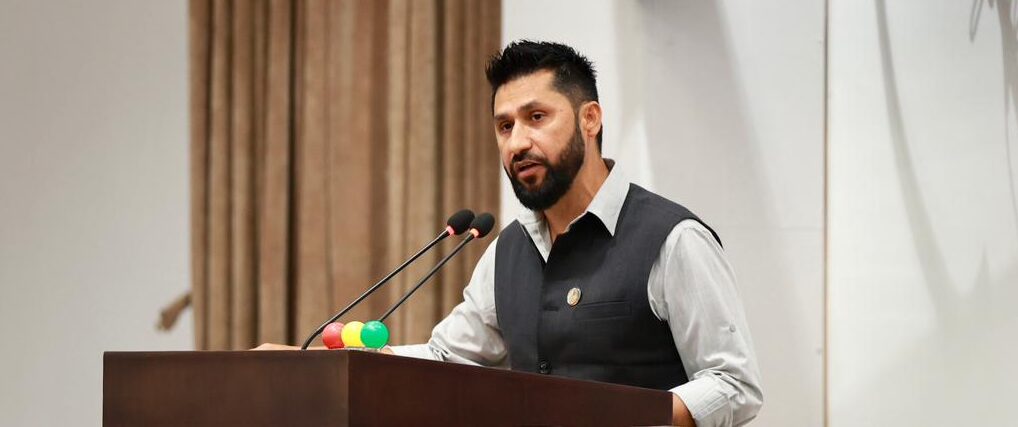
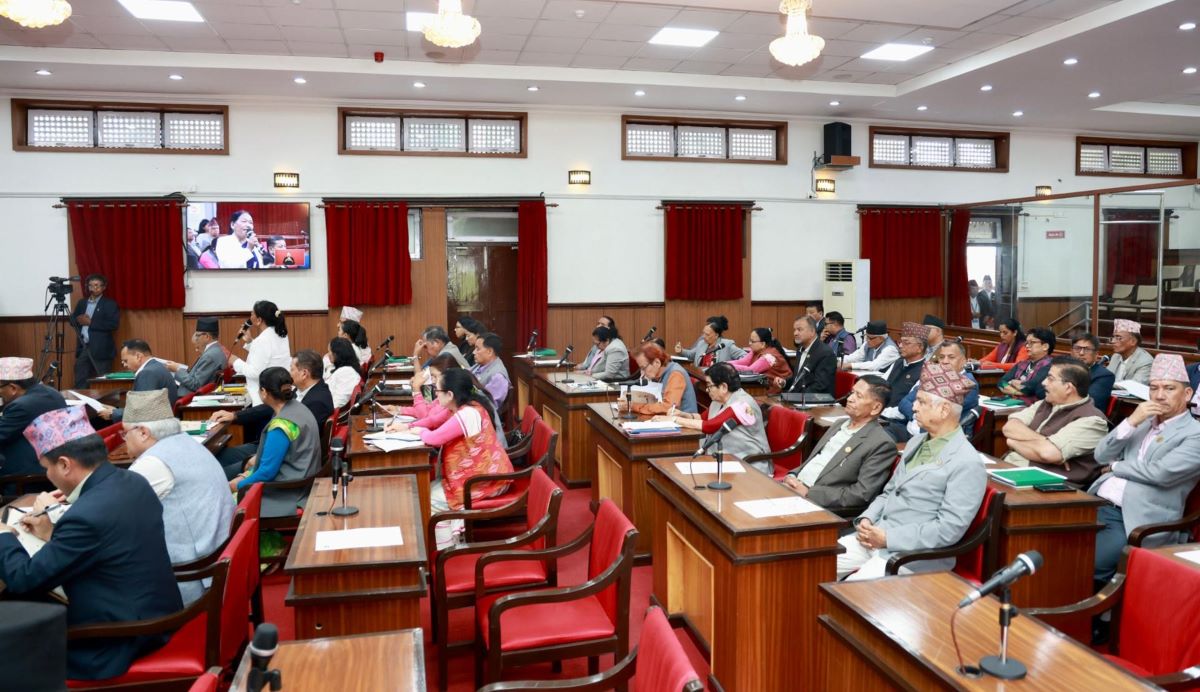
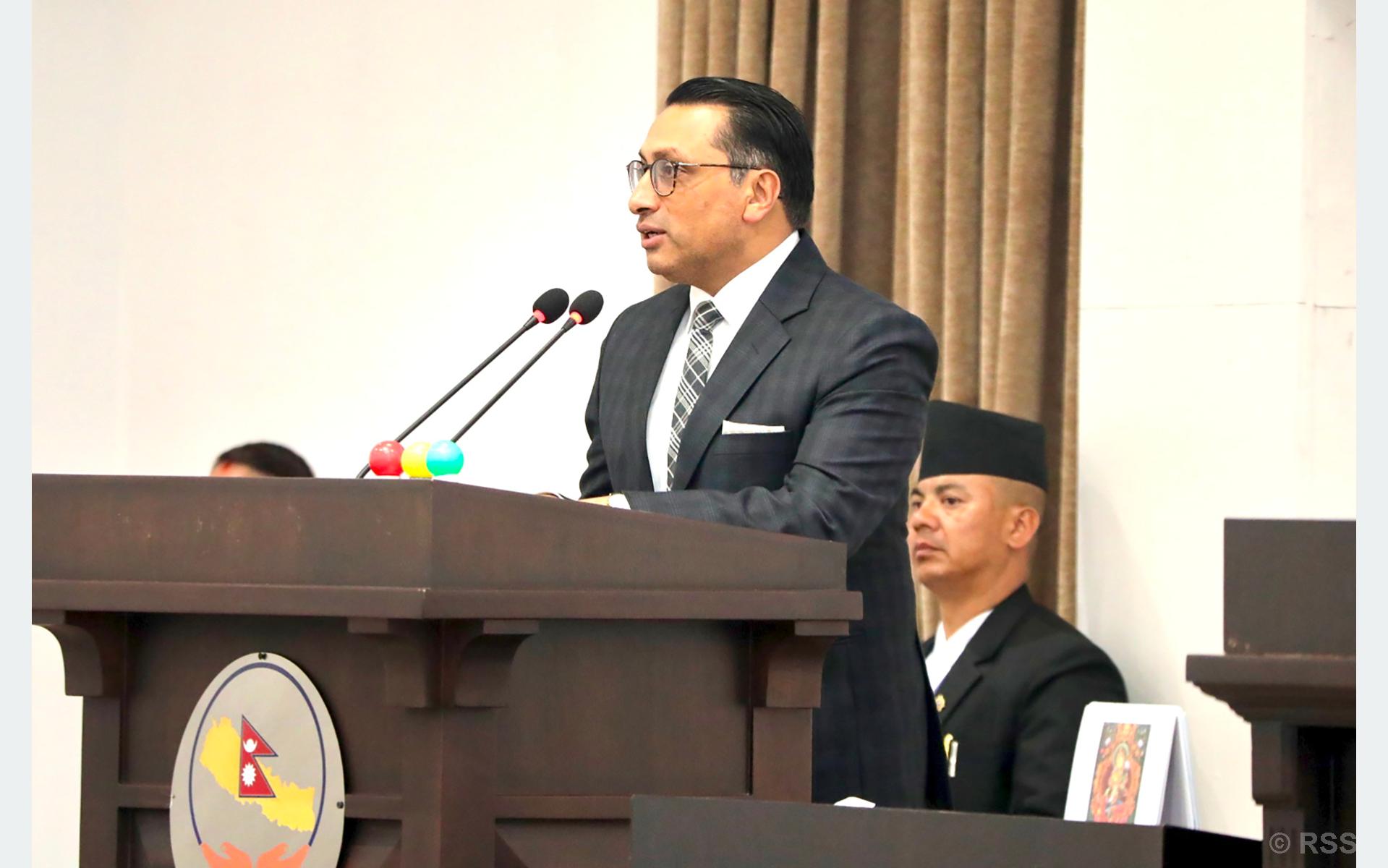
RSP Chairman Rabi Lamichhane speaking in the Parliament. Photo: Nepal Photo Library
After the formation of the government under the leadership of Balendra Shah, the first cabinet meeting held on March 27 had publicly released a 100-point agenda related to governance reform. In the agenda, decisions were made for immediate action, as well as timelines spanning one week, 15 days, 25 days, 45 days, 60 days, and up to 100 days. The agenda promised reforms in administrative reform, restructuring and austerity, public service delivery and grievance management, good governance, transparency and corruption control, public procurement and project management reform, investment, industry, private sector promotion and tourism, revenue reform, agriculture, land, infrastructure, and basic services. The government appears to have initiated work on one-third of these tasks.
An online tracker named Pratipakshi Dashboard (Opposition Dashboard) shows that out of the government’s 100 commitments, 36 were completed by July 2. According to the website, 59 commitments are under implementation, four are halted, and one has not been started at all.
Unaccomplished tasks
A decision was made to eliminate the procedures and hassles of visiting offices for public services—tasks directly connected to citizens. Point 20 of the agenda stated that Citizen Service Centers would be operated in major cities under an ‘agencification modality’ and run for at least 12 hours.
Although it was stated that digital service processes would be initiated for citizenship, passports, and national ID cards to make them faceless, time-bound, and trackable for fast, convenient, and middleman-free service, no changes have occurred in these services.
With the objective of providing government services at home, a 100-day timeline was set for arrangements to deliver government documents—including passports, citizenship copies, and licenses—directly to homes. However, the lines at government offices have still not ended.
Although it was said that installing CCTVs/dashcams in all public vehicles to prevent gender-based violence in public transport and making SOS buttons mandatory in ride-sharing apps to immediately relay emergency and danger signals to the police would be completed within 30 days, it has not been done.
A timeline of 15 days was set to formally acknowledge the injustices, discrimination, and denial of opportunities faced by Dalit and historically marginalized communities from state, societal, and policy structures, thereby preparing the ground for social justice, inclusive rehabilitation, and historical reconciliation. The task, which included announcing reformist programs along with a formal apology from the state’s side, does not seem to have happened yet.
The agenda stated that a high-level committee would be formed within one week to investigate the truth and facts of the incident on September 9, 2025. However, the committee has not been formed yet. Collecting and analyzing all details of the September 9 incident, identifying the responsible parties, submitting a report within a specified timeframe, and advancing further legal proceedings were also placed under governance reform. The commission formed under the coordination of former judge Gauri Bahadur Karki to investigate the truth of the two-day incident took six months to collect details of only September 8 and saw the need for further investigation regarding the massacre of September 9.
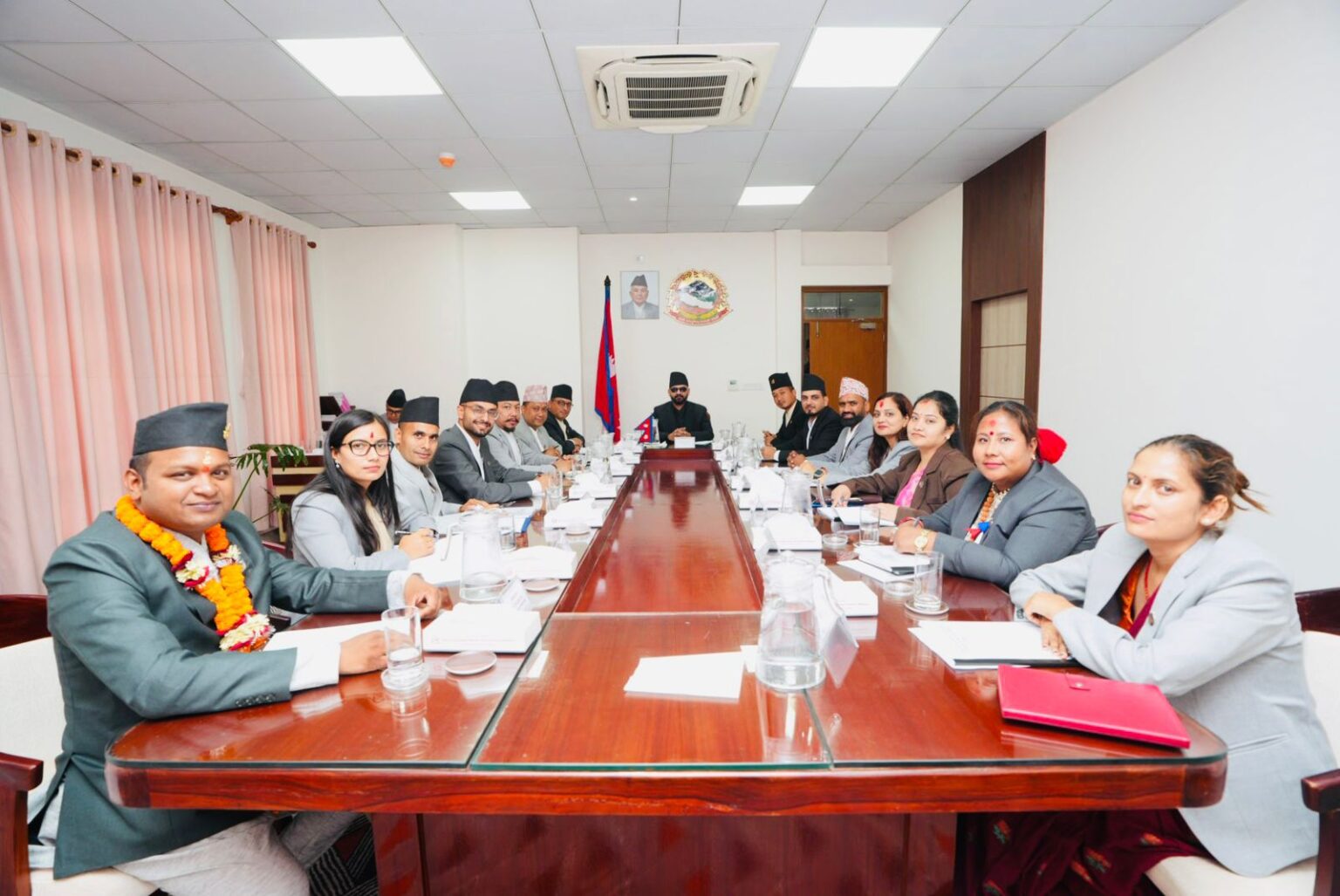
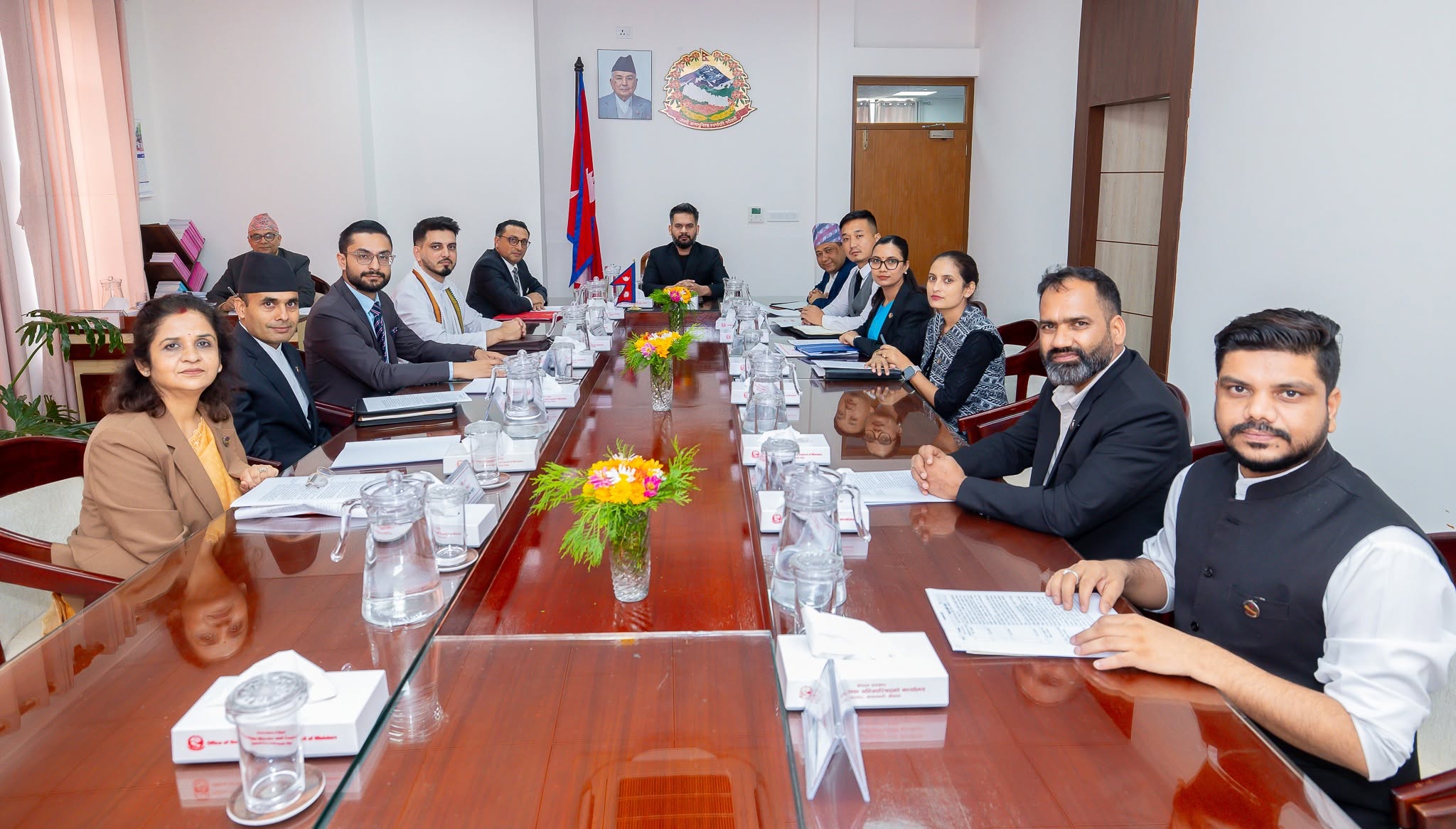
The first cabinet meeting held on March 27 at the Office of the Prime Minister and Council of Ministers in Singha Durbar. Photo Courtesy: Prime Minister’s Secretariat / RSS
A 30-day timeline was given to implement the reports of all commissions formed so far, rather than limiting them to archives. However, with few exceptions, the reports have not even been made public.
It was stated that because duplication, complexity, and unnecessary processes in public entities made service delivery slow, expensive, and ineffective, the necessary procedures, standards, and monitoring would be amended and implemented within 30 days to improve this. The government has failed to achieve that as well.
Political scientist Indra Adhikari states that the government landed itself in trouble by acting thoughtlessly and without preparation on several issues, including the eviction of landless settlers.
The work mentioned in point 97 of the agenda—’operating free “Blue Bus” services in all seven provinces to ensure the safe movement of women, and bringing at least 25 buses into operation within the first 100 days in the first phase’—has indeed been initiated. Although it was said that installing CCTVs/dashcams in all public vehicles to prevent gender-based violence in public transport and making SOS buttons mandatory in ride-sharing apps to immediately relay emergency and danger signals to the police would be completed within 30 days, it has not been done.
Public service delivery and maintaining good governance are considered the primary elements citizens expect from a government. Looking at these two aspects, political scientist Krishna Pokharel analyzes that the government has performed somewhat better compared to past administrations. “The work of past governments was limited to enjoying inaugurations and inscribing names on stone plaques. The current government is working differently from that,” he says. “I won’t say that reforms have occurred in all sectors, but the intention to work is visible. Since public expectations are high, work has admittedly not happened in that proportion.”
Political scientist Indra Adhikari states that the government landed itself in trouble by acting thoughtlessly and without preparation on several issues, including the eviction of landless settlers.
She opines that service delivery has also been affected because individuals from the Prime Minister’s Secretariat, who are not recognized by the constitution, are dominating the government. “There is no transparency in the government’s work. One is not even allowed to ask questions. It did not appear accountable either,” Adhikari says. “Even though vacancies were opened for appointments to certain positions, an expert from one field is seen being given responsibilities in another.”
Adhikari remarks that the Prime Minister has failed to understand that country-specific issues get overshadowed by his dilemmas over whether to meet certain figures in the diplomatic sphere or not. “The public defeated the previous governments after seeing them fail to fulfill public expectations. The current government has failed to fulfill its own expectations and commitments.” Stating that the government’s commitment should be toward laws, methods, procedures, and systems instead of the opposite, Adhikari suggests being mindful that the government’s actions of initiating things first and retreating later will disappoint the public.