Kathmandu
Thursday, July 2, 2026





Monsoon weakens as El Niño develops into 'Super El Niño phase'
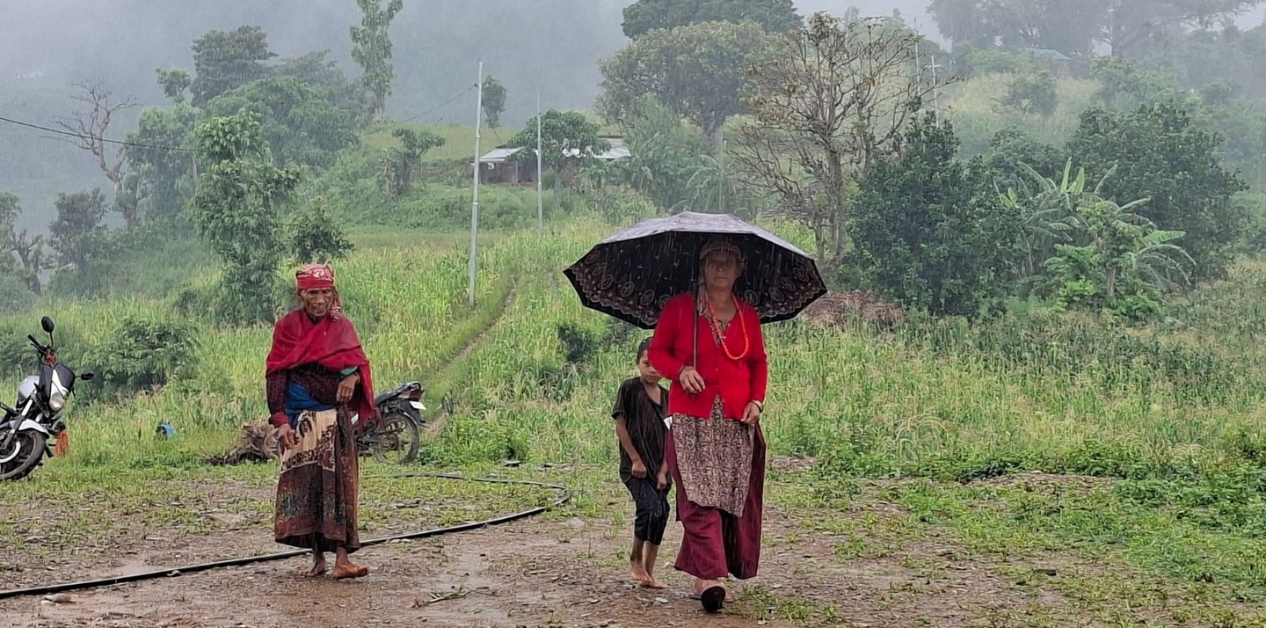
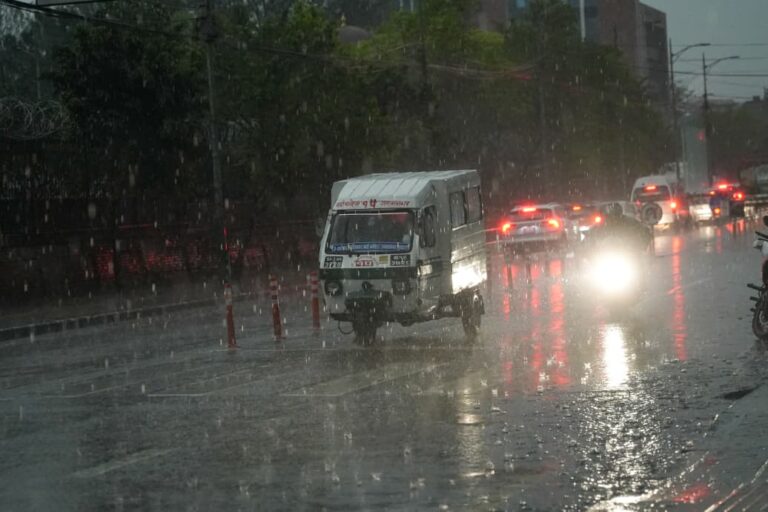
KATHMANDU: Just two days ago on June 30, the Department of Hydrology and Meteorology issued a bulletin stating that the monsoon had spread across the entire country. However, although it is raining, there hasn’t been enough rainfall to truly consider it a proper monsoon.
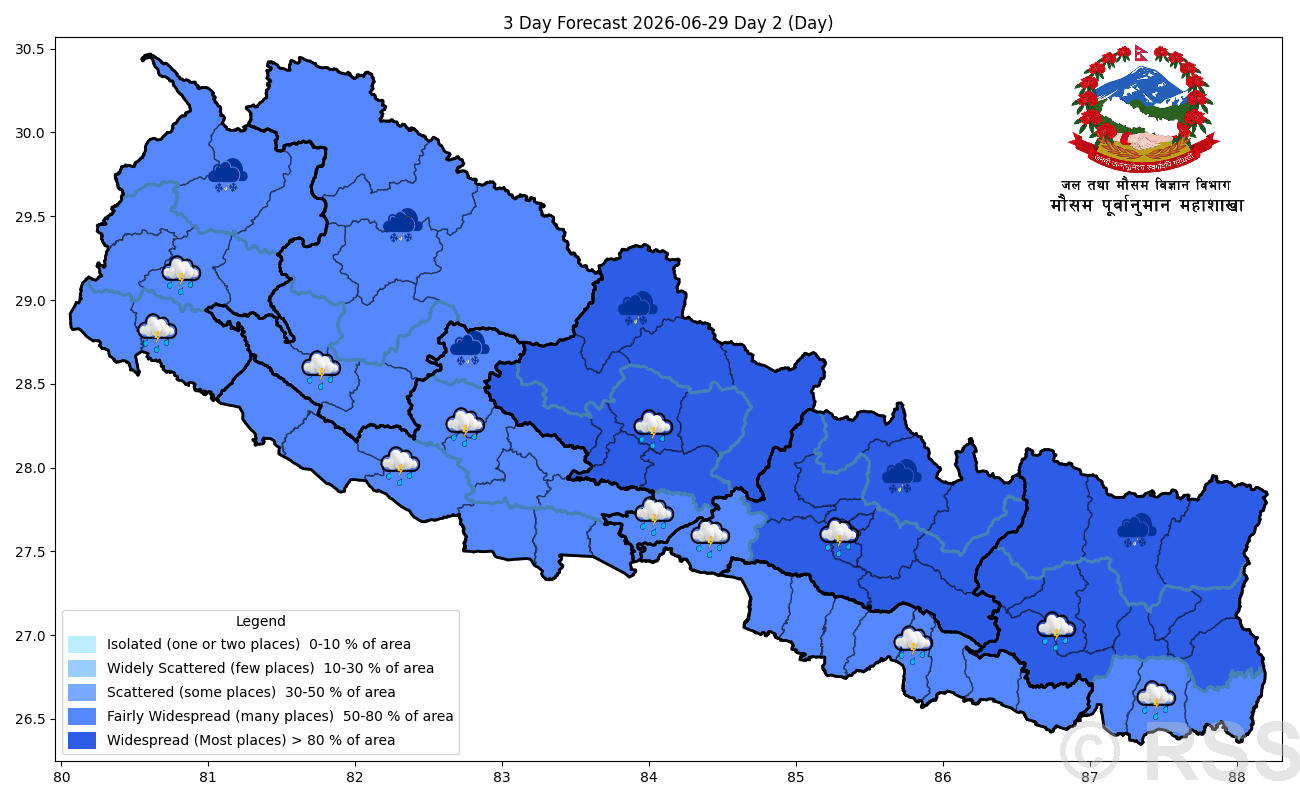
“Since this is the rice-planting season, the amount of rainfall we expect is simply not there; instead, we are experiencing scattered or fragmented rains,” says Vibhuti Pokharel, the department’s spokesperson. Fragmented rainfall refers to a phenomenon where it rains in some places but not in others nearby. She noted that there is a high probability this state of fragmented rainfall will persist for the next two to three days. “A weather system capable of bringing good rainfall everywhere is not visible anytime soon,” she adds.
According to the department’s weather analysis over the last 24 hours, most parts of the country experienced some rain. Heavy rainfall was even recorded in a few places, including Dodhara and Dhangadhi in western Nepal. However, farmers remain worried as the rainfall is insufficient for agriculture across the country. Lacking adequate rain during the prime planting season—traditionally called the time to ‘plant a grain to harvest a metric ton’ (mano ropera muri ubjaune)—farmers who depend entirely on rainwater are hit the hardest.
The Department of Hydrology and Meteorology had already forecast below-average rainfall and rising temperatures for this monsoon season. On average, Nepal receives 1,570.4 mm of rain during the monsoon. Furthermore, the monsoon entered the country later than usual this year.
While the rainfall appears slightly more active in the west, the eastern Terai is completely dry. “We won’t see good rainfall until next week,” meteorologist Binod Pokharel wrote on Facebook on Thursday morning. He noted that the current El Niño phase is developing into a “Super El Niño,” indicating that the monsoon will become even weaker.
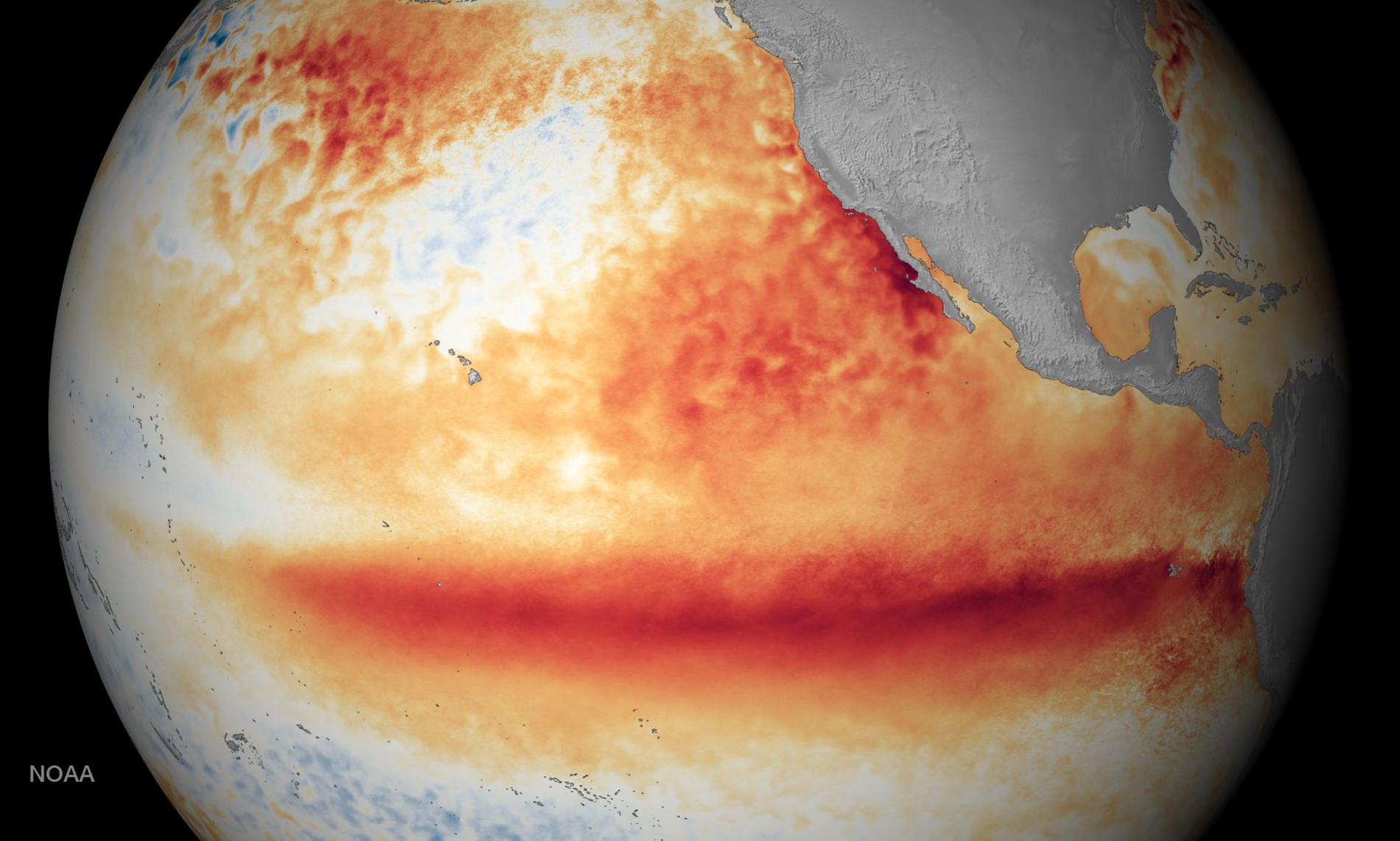
The El Niño phenomenon developing over the Pacific Ocean has increased the rate of global warming on Earth. Photo: AFP/Getty Images.
El Niño refers to a condition where the surface temperature of the Pacific Ocean becomes unusually warm. Although it is a natural climate cycle, the excessive rise in temperature affects the entire atmospheric system of the Earth. A temperature rise of more than two degrees Celsius is called a Super El Niño. “El Niño alters global temperatures, rainfall, and weather patterns. Its impact during the monsoon brings less rain to South Asia, including Nepal,” says Madan Sigdel, an associate professor at the Central Department of Hydrology and Meteorology at Tribhuvan University. “With weak monsoon rains leading to droughts and scorching heat, it appears this will impact everything from agricultural production to overall daily life this time.”
Since 1970, temperatures in Nepal have been rising at a rate of 0.06 degrees Celsius annually. Creation Nepal, an organization working in the environmental sector, stated that in recent times, temperatures have started climbing to 35 degrees Celsius as early as 10 AM. In most parts of the Terai, afternoon temperatures reach 40 degrees Celsius and occasionally begin to exceed 45 degrees Celsius.
In Nepal, the monsoon typically enters around June 13 and remains active until October 2) (June–September). About 80 percent of the annual rainfall occurs during this period. However, during El Niño years, the monsoon tends to arrive late and exit early. According to the department, the monsoon entered later than average in Nepal during previous El Niño years such as 2016, 2019, and 2023. Among the 11 El Niño years between 1972 and 2023, the 1982 monsoon period was the shortest on record, lasting only 86 days.
This year’s monsoon entered through the east on June 19, six days later than average. Due to a weak weather system, it was only after June 22 that it expanded to all parts of Koshi Province, Madhesh Province, Bagmati Province, some parts of Gandaki Province, and a few places in the eastern part of Lumbini Province.
Generally, the monsoon enters the eastern region of Nepal on June 13 and expands across the entire country within a week.
According to the World Meteorological Organization, recent forecasts show an 80 percent probability of El Niño conditions prevailing from June to August. El Niño occurs on average every two to seven years and typically lasts for nine to twelve months.