Kathmandu
Saturday, July 25, 2026





Nepal holds its third general election since the 2015 Constitution, with nearly 19 million voters casting ballots to elect 275 members of the House of Representatives
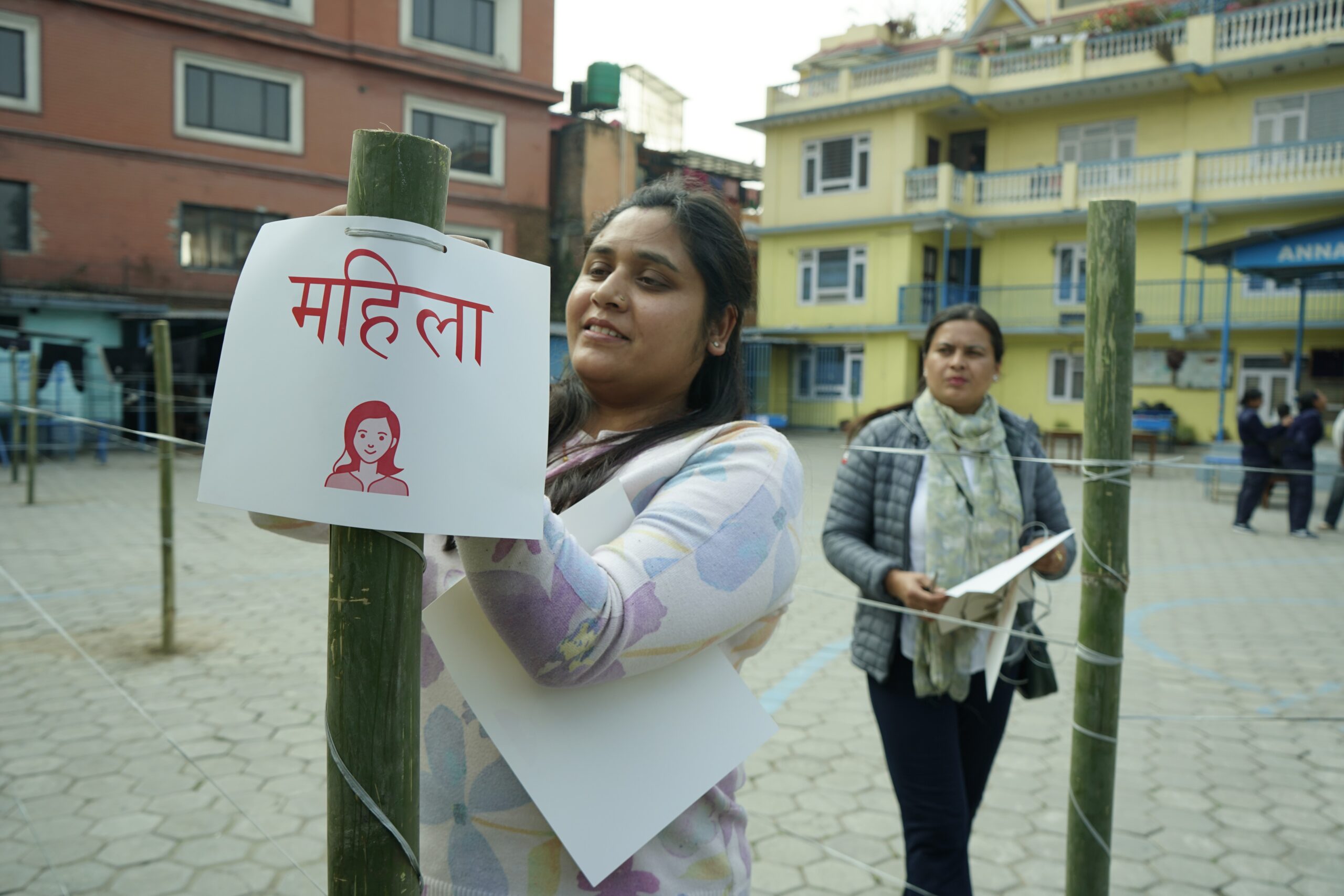
KATHMANDU: After the promulgation of the new constitution in 2015, the country is holding its third general election today (March 5). Through their voting rights, citizens are electing new representatives, a new parliament, and a new government (executive). The general election is taking place in the context that followed the Gen Z movement held on September 8 and 9 last year, which led to the dissolution of the House of Representatives along with the government formed by the coalition of the Nepali Congress and CPN (UML) led by KP Sharma Oli.
Voting will take place from 7:00 in the morning until 5:00 in the evening.
On 12 September 2025, the new government led by Prime Minister Sushila Karki announced that the election would be held on 5 March 2026. Immediately after the announcement, some parties, including UML and the Nepali Congress, expressed dissatisfaction and doubt, but gradually pressure mounted on them to participate in the election.
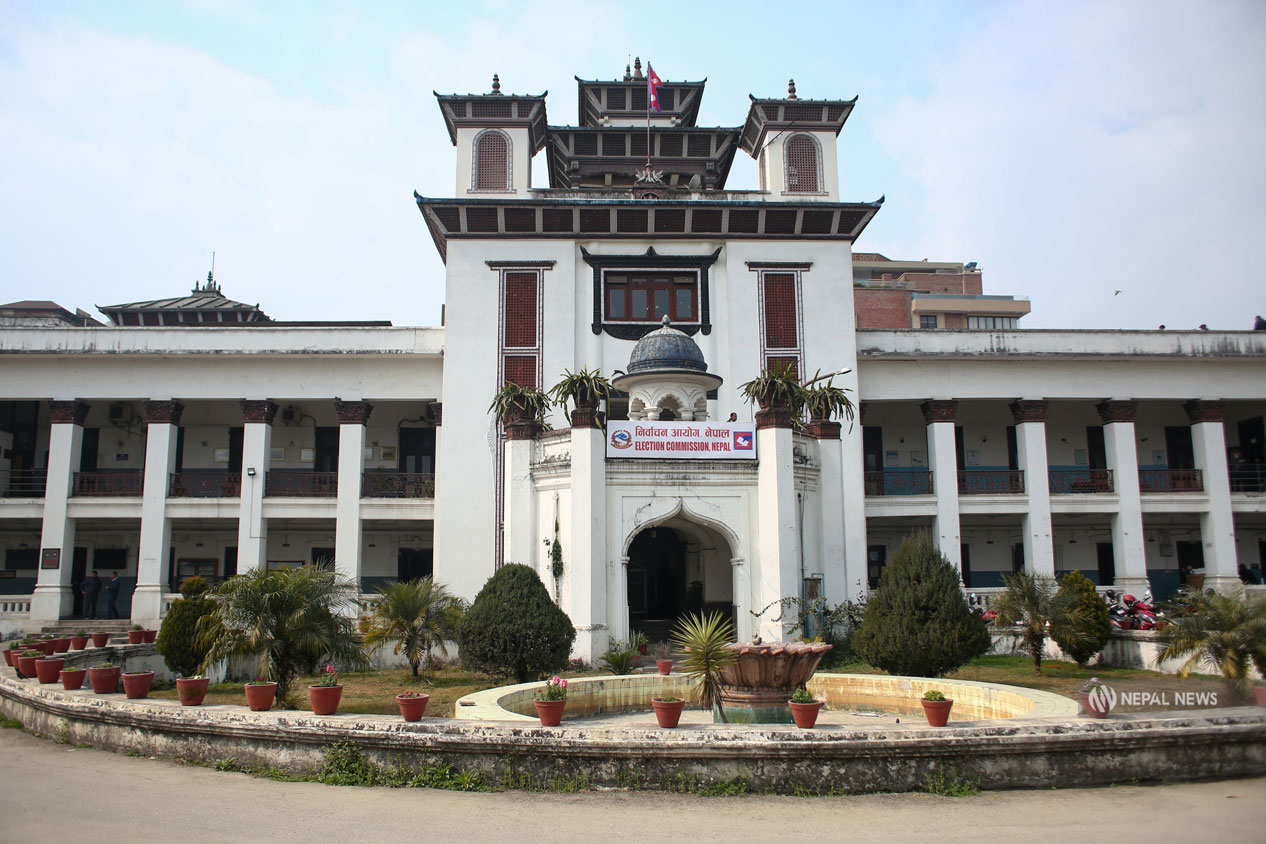
Acting Chief Election Commissioner Ram Prasad Bhandari, speaking at a press conference on Wednesday, urged citizens to vote confidently, stating that the country, which had gone off track, would regain peace and stability through elected representatives. He said, “Voting for the strengthening of democracy is both a right and a responsibility of citizens. Exercising the right to vote is not only a constitutional and legal right but also a civic responsibility toward democracy.” Bhandari added that the Election Commission has completed all the necessary preparations for the election.
Voters will choose their representatives using two ballot papers, one for the proportional representation system and another for the direct election system. Under the first-past-the-post system, the candidate receiving the highest number of votes in each of the 165 constituencies across the country will be elected. In addition, 110 members will be elected through the proportional representation system, making a total of 275 members in the House of Representatives. Under the direct election system, 3,404 candidates from 65 political parties, representing 61 election symbols, are competing across the country.
The Election Commission has stated that the results of the direct election will be available within 24 hours after the ballot papers are collected, and the proportional votes will also be counted at the same time. The commission has assured that the election will be conducted in a free, fair, and peaceful environment and that ballot boxes will be fully secure.
It has also estimated that the number of invalid votes will decrease this time and that voter turnout will be higher than in the previous election.
As of March 4, there are a total of 18,903,689 eligible voters who have reached the age of 18. Among them, 9,663,358 are men, 9,240,131 are women, and 200 are registered as other voters. According to the Election Commission, there are 10,967 polling locations and 23,112 polling centers across the country. Voters whose names are registered in the voter list can cast their vote using their voter identification card or other identification documents such as a Nepali citizenship certificate, national identity card, land ownership certificate, passport, or driver’s license.
Proportional System
Under the proportional representation electoral system, 63 political parties with 57 election symbols have submitted their closed lists. A total of 3,135 candidates are included in these proportional lists. From these lists, candidates will be elected according to their order only if the party receives at least three percent of the total valid votes, which is known as the electoral threshold.
This threshold system was first introduced during the 2017 election. Article 84, subsection 2 of the constitution provides for the proportional representation electoral system. It states that political parties must ensure representation in their candidate lists from various population groups such as women, Dalits, indigenous nationalities, Khas Arya, Madhesi, Tharu, Muslims, and people from backward regions. This representation must follow federal law and also maintain geographical and provincial balance.
According to the House of Representatives Election Act 2017, six inclusive groups have been defined. Based on the 2021 census, proportional representation in the House of Representatives will reflect population proportions. According to the law, Dalits will have 13.44 percent representation, indigenous nationalities 28.72 percent, Khas Arya 30.28 percent, Madhesi 16.15 percent, Tharu 6.52 percent, and Muslims 4.89 percent through the proportional representation system.
Security arrangement
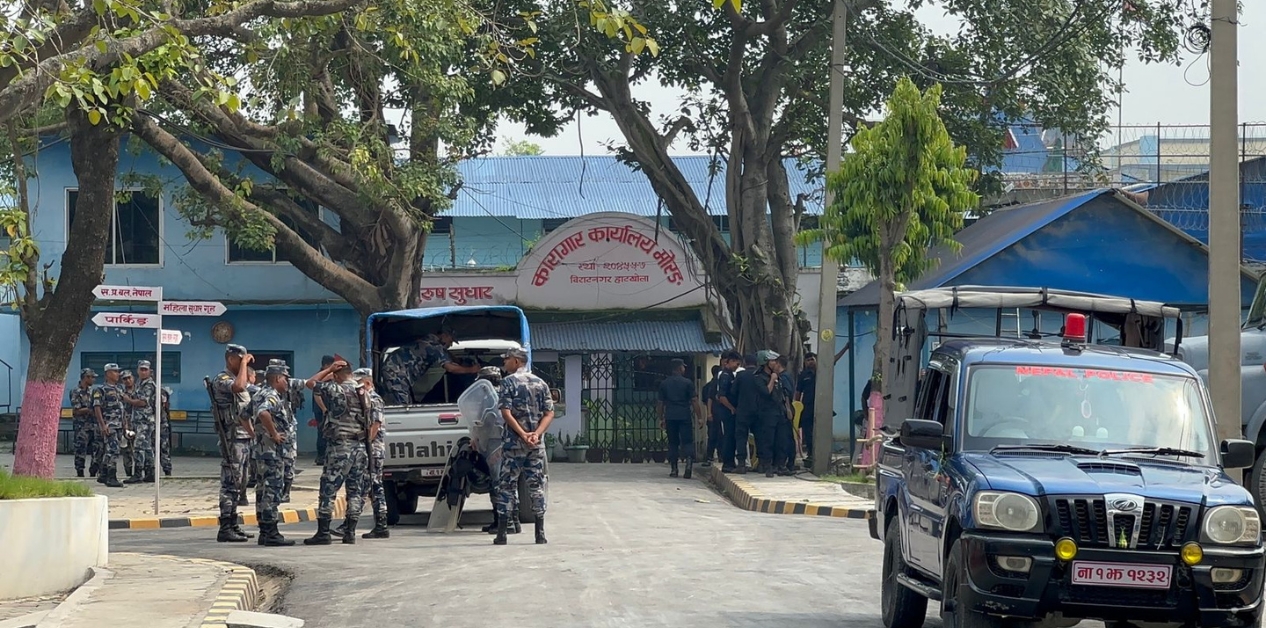
For the election, Nepal Police, the Armed Police Force, the Nepali Army, and election police personnel have been deployed. Security around polling stations and ballot boxes has been arranged in three layers. Nepal Police will form the first security layer, the Armed Police Force will form the second layer, and the Nepali Army will remain in the third layer. The Election Commission has stated that similar security arrangements were also used in previous elections. According to Election Commission Secretary Krishna Bahadur Raut, polling locations across the country have been categorized based on security sensitivity. A total of 3,680 locations have been classified as highly sensitive, 4,442 as sensitive, and 2,845 as normal polling centers.
In mountain districts, ballot boxes will be collected by helicopter. Security personnel and election staff along with voting materials have already been sent by helicopter to 27 locations, including four in Humla and twenty-three in Dolpa. Raut also stated that 61 ballot boxes from remote districts stretching from Taplejung to Darchula will also be collected by helicopter.
For vote counting, wire fencing will be installed and CCTV cameras will be used, and the counting will take place in the presence of representatives from each candidate.
During the meeting of the National Security Council held on Wednesday, Prime Minister Sushila Karki instructed authorities to ensure strong election security arrangements.
The Ministry of Home Affairs has stated that all preparations for the election have been completed. The ministry held a virtual meeting with the chief district officers of all 77 districts and claimed that the preparations are fully complete.
Home Secretary Rajkumar Shrestha also directed officials to strengthen security throughout the country. According to the ministry’s Assistant Spokesperson Rama Acharya, discussions were held regarding the election situation and security arrangements across the country. After reviewing law and order conditions, security sensitivities, and necessary precautions for the election, strategies were finalized.