Kathmandu
Saturday, June 13, 2026





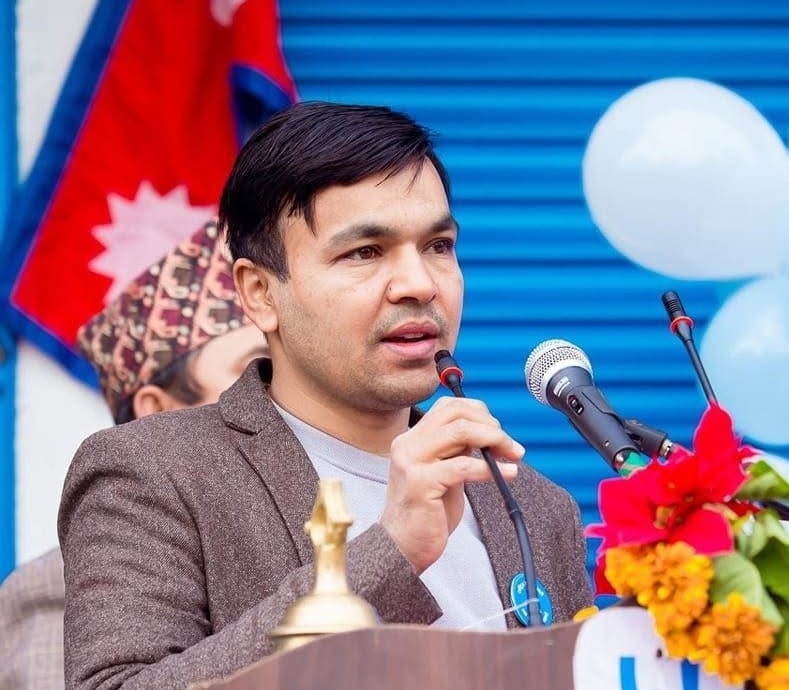
Backed by the wave behind the Rastriya Swatantra Party (RSP), Kathmandu’s former mayor Balendra Shah crushes veteran leader KP Sharma Oli in his Jhapa stronghold, turning a long-running rivalry into a dramatic electoral upset and paving the way for a generational shift in Nepali politics
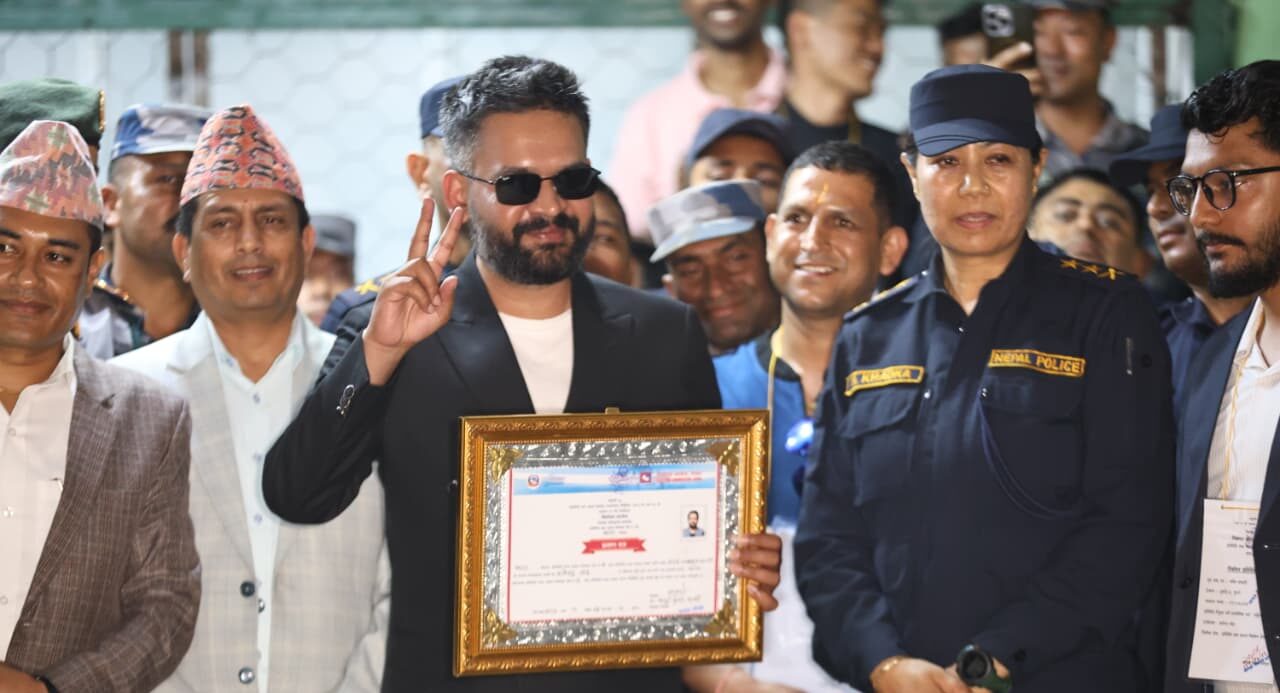
KATHMANDU: Balendra Shah (Balen), put forward as the prime ministerial candidate by the Rastriya Swatantra Party (RSP), has been elected as a member of the House of Representatives with an overwhelming number of votes. He has defeated former prime minister KP Sharma Oli in the electoral contest in Jhapa-5 by a wide margin. Balen received 68,348 votes while Oli garnered only 18,734 votes. Balen emerged victorious with a margin of 49,614 votes.
Balen had gone down to Jhapa to contest the election against Oli, who is also the chairman of CPN (UML). Popular among the younger generation since his days as a rapper, Balen was elected as the Mayor of Kathmandu Metropolitan City in 2022 as an independent candidate. He entered the electoral arena as a representative of the new generation that is fed up with old leaders and parties.
Perhaps owing to voters’ hope in Balen, this time voters have defeated the old parties and leaders who had been taking turns to become prime minister and engaging in party-based power-sharing and coalition-building for the sake of power. The Nepali Congress, UML, and Nepali Communist Party, i.e. the then-Maoists, had distorted parliamentary politics by trading power with other parties despite failing to secure a single-party majority in the previous two elections. That is why they have been sidelined by voters in this election, and analyses have begun suggesting that the “Balen era” has dawned. Krishna Pokharel, a professor of political science, says that the craze for Balen seen across the country has been converted into votes. He states, “Voters have translated the craze for Balen into votes.”
By defeating Oli, who had won parliamentary elections six times from Jhapa and who had served as prime minister four times, and been party chairman three times, in his own stronghold, Balen has begun his parliamentary journey for the first time.
Immediately after the vote counting is completed, 36-year-old Balen will be appointed as the country’s new prime minister on behalf of the RSP. He will be the youngest Prime Minister of Nepal ever. Previously, BP Koirala held the record for becoming prime minister at the youngest age. After the Nepali Congress secured a two-thirds majority in the general elections of 2015 BS (1959 AD), he became prime minister at the age of 44.
By defeating Oli, who had won parliamentary elections six times from Jhapa and who had served as prime minister four times, and been party chairman three times, in his own stronghold, Balen has begun his parliamentary journey for the first time. This has become a rare record in Nepali politics. Oli had been elected from Jhapa in six out of eight elections since 1991. He was defeated in the 2008 Constituent Assembly election by Bishwadeep Lingden Limbu of the then-CPN (Maoist).
Although Balen is a first-time parliamentarian, he does have experience running local government. In the local-level elections of 2022, Balen was elected Mayor of Kathmandu Metropolitan City as an independent candidate with 61,767 votes. After that, he carried out numerous commendable works in the areas of good governance, cultural revival, and public education reform. Three years ago, the world-renowned Time magazine listed him among its “Top 100 Emerging Leaders.”
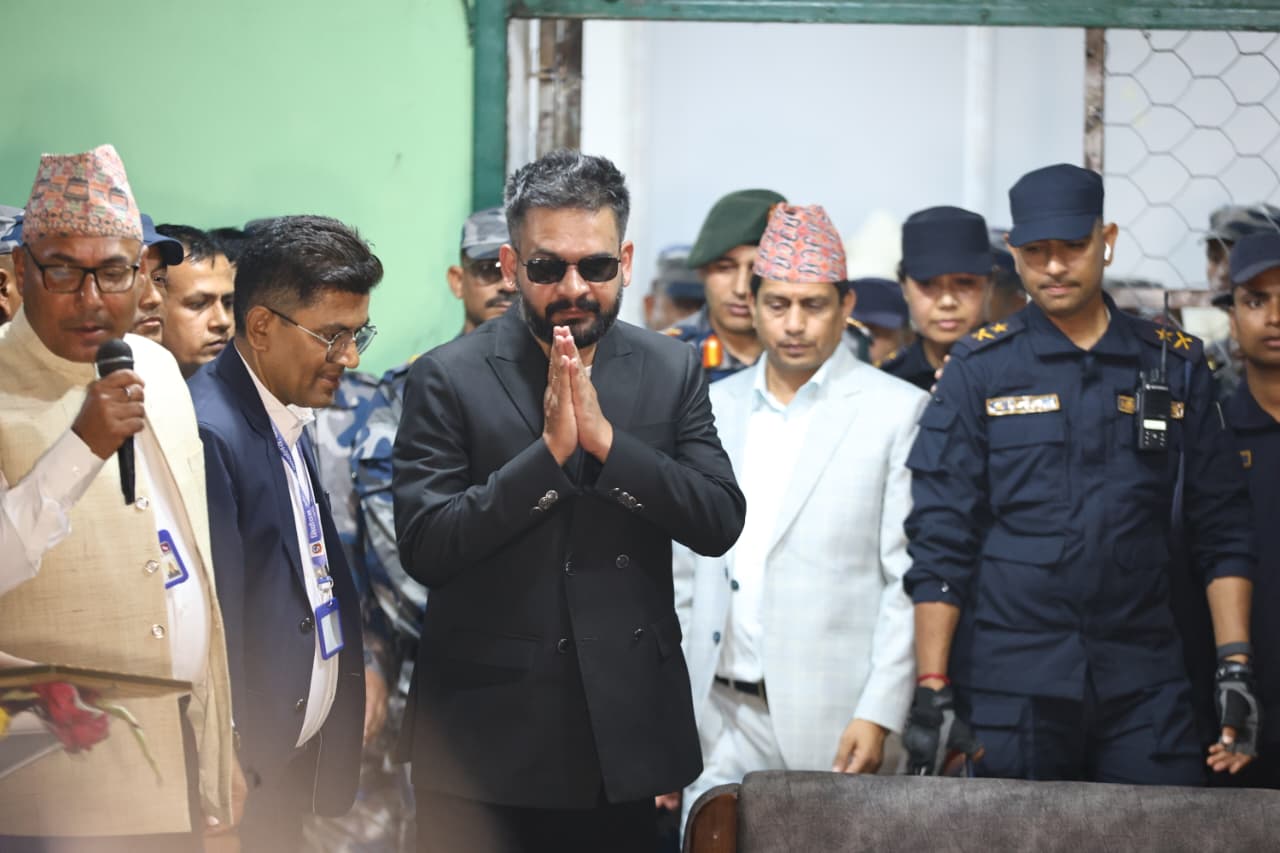
Although Balen contested the election against Oli this time, the chain of conflict between them is long. Balen’s dispute with Oli began right from when he became Kathmandu’s mayor. The conflict between Oli and Balen reached its peak during the Gen Z movement on September 8 and 9 last year. Due to the Gen Z movement, Oli resigned as prime minister, and after that, Balen emerged at the center of power. On the strength of the Gen Z movement, a government was formed under the leadership of former Chief Justice Sushila Karki as per Balen’s proposal. That government was given the responsibility of holding elections within six months. To contest the election on March 5, Balen resigned from the position of Kathmandu Metropolitan Mayor on 18 January. After that, Balen entered the Rastriya Swatantra Party (RSP) and ultimately went to Jhapa-5 to compete against UML chairman Oli himself.
He holds an M.Tech in Structural Engineering and a BE in Civil Engineering, and is a PhD scholar. Having entered politics as a rapper and engineer, Balen is popular and widely discussed among the younger generation.
From a Tabla gift to electoral competition
After being elected as the Mayor of Kathmandu Metropolitan City, UML chairman KP Sharma Oli had gifted Balendra Shah (Balen) a tabla (traditional drum). In an interview at that time, Oli had said, “I gave the tabla as a gift so that he does good work and becomes a good politician.” However, in the days that followed, the relationship between Oli and Balen remained bitter.
Within a few months of being elected in the metropolis, Balen launched a campaign to demolish structures built in violation of road standards in the New Baneshwar area. From that point on, his dispute with UML leaders and cadres began. After the metropolitan authority ran a bulldozer on the Alpha Beta building in Baneshwar, UML secretary Mahesh Basnet protested, asking, “Was the building demolished because its blueprint was not approved, or because the building’s owner was close to UML?” After Basnet opposed Balen’s move to demolish physical structures, Balen’s supporters got into a dispute with Basnet.
The conflict between Oli and Balen reached its peak during the Gen Z movement on September 8 and 9 last year. Due to the Gen Z movement, Oli resigned as prime minister, and after that, Balen emerged at the center of power.
Subsequently, when Balen began widening the road lanes in New Road, the Department of Roads obstructed the work. In response, Balen had the metropolitan waste dumped in front of the department and the Kathmandu Road Division. When a dispute arose between the metropolis and the road department, Oli came out against Balen. Commenting on the waste-dumping issue, Oli wrote, “If you get angry with a neighbor, do you dump garbage at their doorstep? Is this any kind of civility?” After Oli’s such remarks, UML cadres again turned hostile against Balen. Supporters of both Oli and Balen descended into mudslinging on social media.
After Oli and his team turned against him, Balen accused Oli of involvement in policy-level corruption connected to land encroachment at the Giribandhu Tea Estate in Jhapa. In Kathmandu Metropolitan City, besides Deputy Mayor Sunita Dangol, 12 out of 32 ward chairpersons were elected representatives from UML. Balen had disputes with them too in most metropolitan meetings. UML leaders and cadres used to obstruct Balen’s plans right during metropolitan meetings. The social media war between Oli and Balen had extended to the point where Balen’s supporters mass-unfollowed Oli’s Facebook page.
The more disputes Balen, who had won the trust of the younger generation, faced, the more opposition against Oli intensified. Young people who once rallied in Oli’s favor saying “I love you KP Ba (father)” gradually began to see possibilities in Balen. Those same youths then turned against Oli, chanting “KP… leave the country!” This wave was not limited to social media alone; in this election, the public wave in favor of Balen has been poured directly onto the ballot paper.
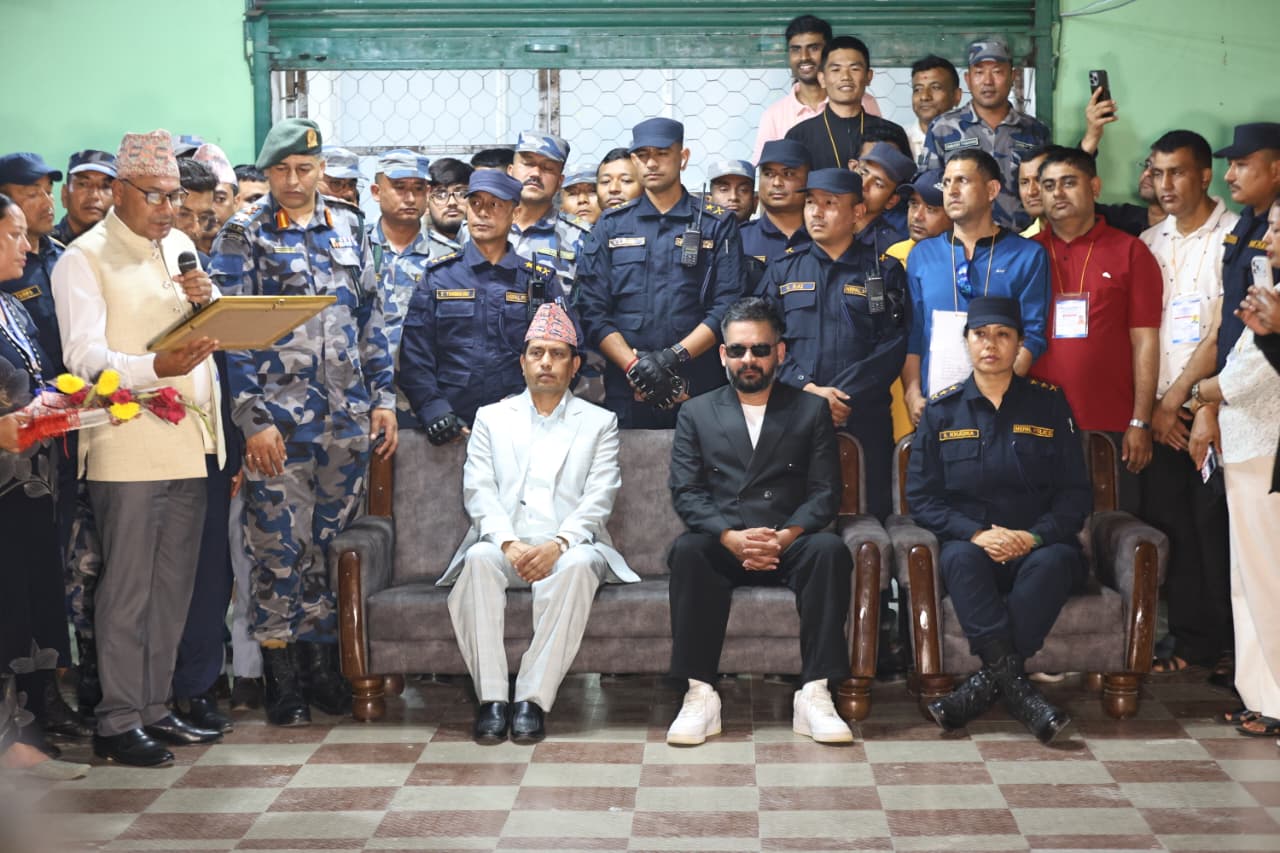
Balen, considered the behind-the-scenes strategist of the Gen Z movement, was offered the post of prime minister immediately after the Gen Z movement. However, he did not accept. Now, by defeating his prime ministerial rival Oli in Oli’s own constituency, Balen has secured the path to becoming an elected prime minister.
Impending challenges
For Balen, who lacks a political background, winning this competition was as difficult as it was, and the upcoming days as prime minister could be even more challenging. Balen does have experience working as the head of a metropolitan city, but that alone does not make running a government easy. Political analyst Shyam Shrestha says, “In this election, there was an immense ‘wave’ in Balen’s favor. The mandate given by the people must be respected. There are many challenges. But we all must wish that he does well.”
In the metropolis, executive members and employees affiliated with political parties used to obstruct Balen’s initiatives. After becoming prime minister, Balen will face a more serious challenge than those who obstructed him in the past – the country’s bureaucracy. This is because the bureaucracy is accustomed to dancing to the tune of old parties and their leaders. Therefore, it carries the risk of creating obstacles to change. The bureaucracy will be the most complicated challenge for Balen. Previous prime ministers and ministers have also fallen victim, in one way or another, to the tendency of civil servants to not let work get done, to create bottlenecks, and to generate complications. It is unlikely that Balen will be completely free from this.
Being a new member of parliament from a new party, the complexities of parliamentary politics and the maneuvers of old parties and leaders could also pose a challenge for Balen to some extent. The National Assembly, where Balen did not even cast a vote as metropolitan mayor, is devoid of RSP representation. The upper house could obstruct bills advanced by the lower house. That could become an additional challenge for Balen.
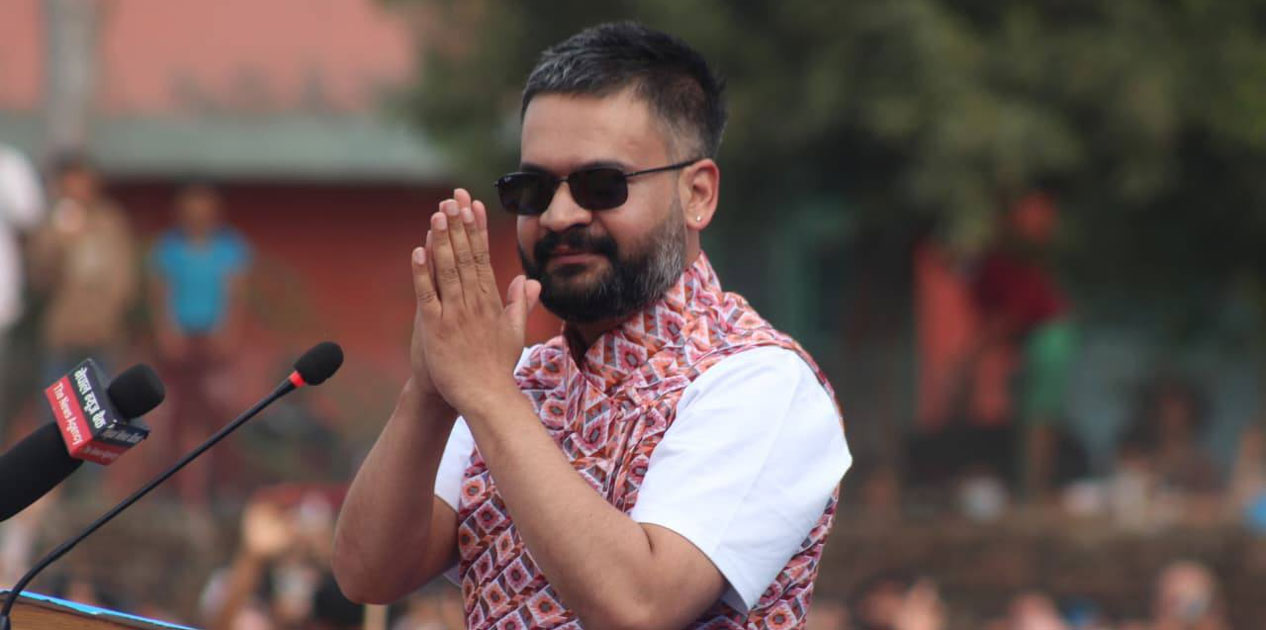
The provincial and local levels are still devoid of Balen’s party, the RSP. Therefore, it will not be easy to work by taking local and provincial governments into confidence. In the 2022 House of Representatives and Provincial Assembly elections, Balen had gone to the Annapurna polling center in Gairidhara, Kathmandu-9, and voted only in the first-past-the-post and proportional categories for the House of Representatives. After that, he walked out without voting for the Provincial Assembly.
At that time, he was also accused of being “anti-federalism.” However, immediately after joining the RSP, he went to Janakpur and gave a speech about making federalism even stronger, attempting to shake off the accusation leveled against him. The RSP, which has proclaimed its commitment to constitutionalism, had already indicated before the election that it accepts federalism and other constitutional provisions. Nevertheless, Balen faces the challenge of erasing his “anti-federalism” image not just through speeches, but by demonstrating it through action.