Kathmandu
Wednesday, June 17, 2026






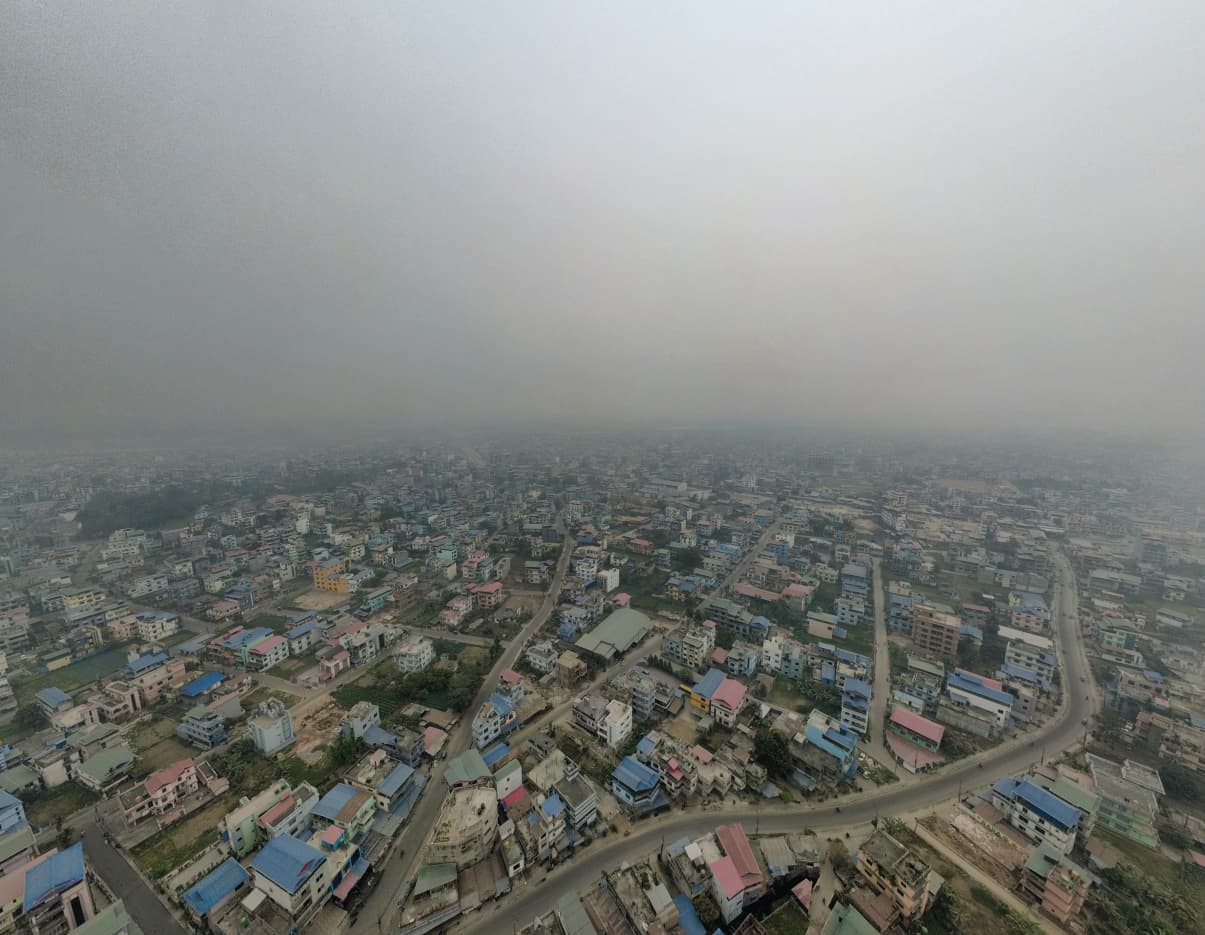
KATHMANDU: A thick haze shrouded much of Nepal for many days, affecting Koshi, Bagmati, Gandaki, and Karnali provinces. Stagnant air from high and low-pressure systems, combined with no rain or wind, has trapped pollutants. Kathmandu Valley’s The Air Quality Index (AQI) hit 170, ranking it among the world’s most polluted cities. Authorities urge caution. According to AQI standards, readings between 150 and 200 are considered “unhealthy,” posing health risks to everyone; 201–300 is “very unhealthy,” above 300 is “hazardous,” and 0-50 indicates good air quality.
Air pollution in Nepal is no longer confined to cities. Even the clean hills of Nepal are feeling its effects. Recent haze in Dadeldhura district underscores how environmental hazards now transcend geographical boundaries. Here is everything you need to know about the air pollution level of the Kathmandu Valley and Nepal:
Why is Nepal facing severe haze and pollution?
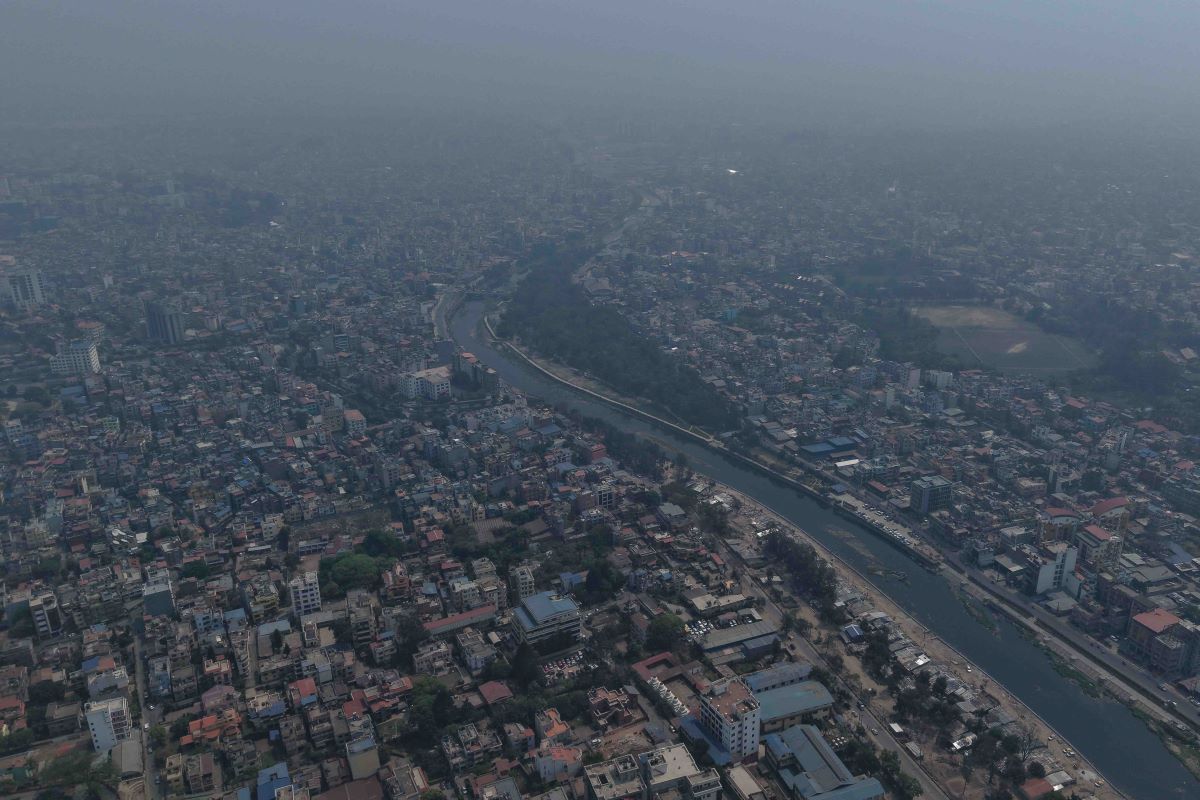
Kathmandu valley is currently one of the world’s most polluted cities. A thick grey haze has blanketed the Kathmandu Valley in recent weeks, sending air pollution to unhealthy levels and causing burning eyes, throat irritation, and breathing discomfort. Prolonged dry weather and minimal wind have trapped dust and pollutants in the air.
Meteorologists say a high-pressure system above and a low-pressure area in eastern Nepal have created stagnant conditions across the hills and mountains. Over the past weeks, Kathmandu’s AQI has hovered between 174–184, ranking the city among the world’s most polluted and posing health risks even for healthy individuals.
How long will these hazy conditions last?
Meteorologists say the same weather pattern will persist for the next few days. The lack of rainfall and the absence of strong winds mean pollution cannot disperse naturally. Light rain or snow may occur in scattered areas, but it won’t be enough to clear the air.
Is this unusual for Nepal?
No. Hazy conditions and rising air pollution are typical in the pre-monsoon season. Last year, similar haze lingered for about two weeks. Pre-monsoon rains and winds usually intensify only after the haze clears and the sun shines.
Is this Haze and pollution in Nepal linked to climate change?
Yes. Nepal is highly vulnerable to the climate crisis, experiencing extreme weather events more frequently. Average maximum temperatures are rising faster than minimum temperatures, winters have become hotter and drier, and extreme rainfall events, droughts, and below-average precipitation are increasingly common.
What are the main causes of poor air quality in Kathmandu Valley?
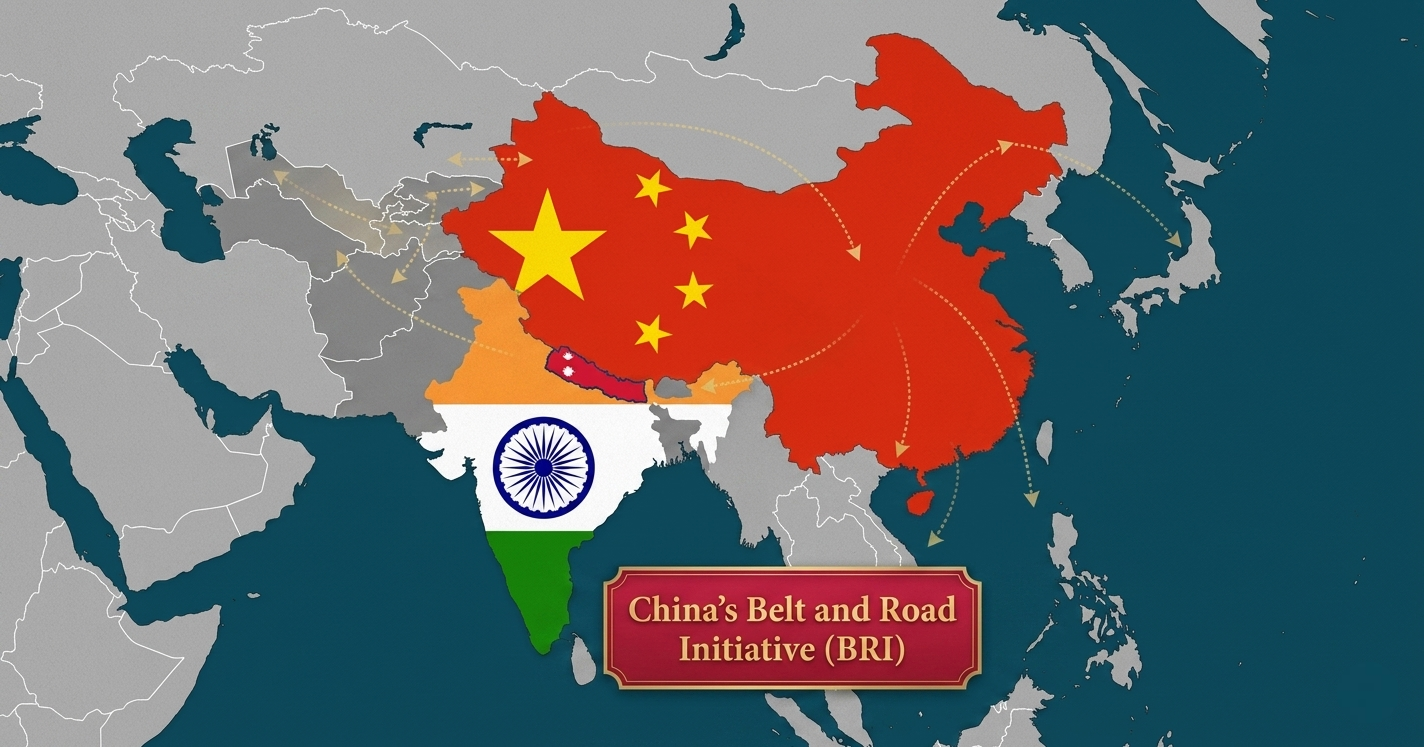
Several factors combine to worsen air pollution in Kathmandu valley. Pollution is entering Nepal from both external and domestic sources. Cross-border pollution from neighbouring countries contributes significantly to haze in many regions. At the same time, domestic factors are worsening the situation in the Kathmandu valley and beyond.
Rapid urbanization, unregulated construction activities, open burning of garbage, and a sharp rise in the number of vehicles are all adding to the pollution problem in the cities.
The biggest contributor of pollution in Kathmandu Valley is vehicular emissions, as rapid urbanisation and weak public transport have led to a surge in private vehicles emitting pollutants such as carbon monoxide, nitrogen oxides and particulate matter. Industrial activities, particularly brick kilns and factories with weak pollution controls, release sulfur dioxide and other harmful gases. Household pollution from burning biomass fuels like wood and dung for cooking also adds toxic smoke. In addition, construction dust from rapid urban development and unfavorable valley topography, which traps pollutants during winter temperature inversions, further intensify the problem.
How serious is the air pollution crisis in Nepal?
Air pollution has become one of the most serious public health threats in Nepal. A June 2025 report by the World Bank states that pollution causes about 26,000 premature deaths annually in Nepal and reduces the average life expectancy by around 3.4 years. The economic cost is also significant—poor air quality is estimated to equal more than 6 percent of Nepal’s GDP each year, affecting health, labour productivity, tourism and aviation.
Why does air pollution in the Kathmandu Valley remain severe?
Air pollution in the Kathmandu Valley remains severe due to a combination of geography, seasonal factors, local emissions and regional pollution. The valley’s basin-like geography traps polluted air, preventing it from dispersing easily.
Seasonal patterns also worsen the problem. Pollution in the valley follows a U-shaped annual cycle, peaking in March–April and again in December–January, while monsoon rains from June to October temporarily reduce pollution by washing particles from the air. During peak months, pollution often exceeds Nepal’s National Ambient Air Quality Standards and for several days reaches hazardous levels.

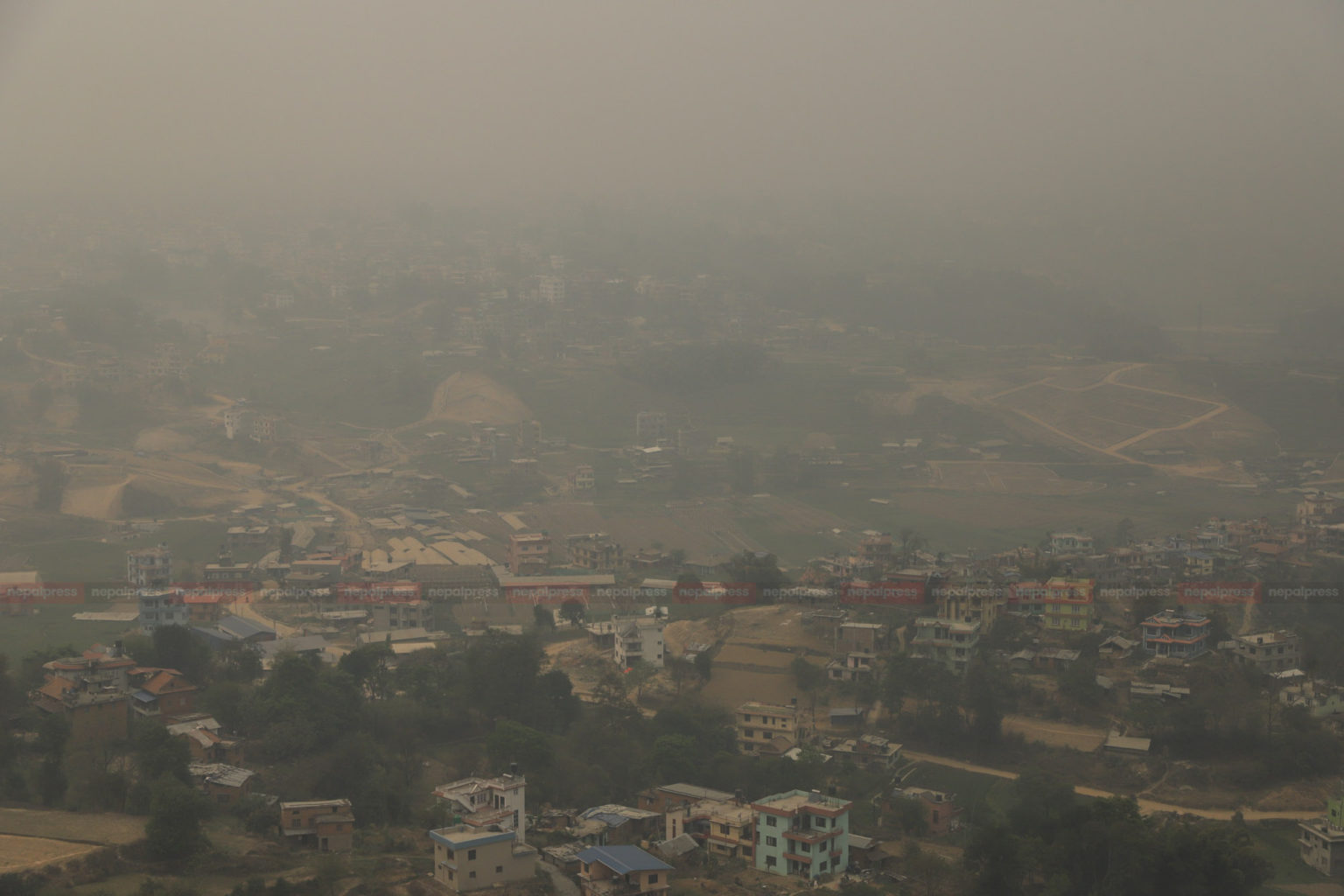
A view of the thick air pollution blanketing Kathmandu. Photo: Nepal News
Cross-border pollution is another major factor. Smoke from forest fires in Nepal’s southern regions and agricultural stubble burning across the Indo-Gangetic Plains in northern India is carried into the valley by seasonal winds. Limited monitoring also remains a challenge, although the Department of Environment Nepal has installed air-quality stations across the country.
What health risks are associated with the worsening air quality?
Rising pollution levels are already affecting people’s health. Residents in affected areas have reported breathing difficulties, irritated eyes and other respiratory problems. Medical experts warn that prolonged exposure to polluted air can lead to serious health issues such as chronic respiratory diseases and heart problems.
Long-term exposure to pollutants increases respiratory diseases such as asthma, bronchitis and COPD, and raises risks of heart disease and strokes-particularly among children and the elderly.
Children and elderly people are particularly vulnerable, as their immune systems are less able to cope with polluted air. Hospitals have also begun reporting an increase in cases related to breathing difficulties and eye irritation.
Poor air quality has serious impacts on public health, the environment and the economy. Smog and haze reduce visibility and damage tourism, while pollution also harms forests, agriculture and ecosystems around the Himalayas. Economically, rising healthcare costs and lost productivity place a growing burden on households and the health system.
Why is air pollution now affecting even Nepal’s hill regions such as Dadeldhura District?
Air pollution in Nepal is no longer confined to large cities. Even traditionally clean hill regions like Dadeldhura have recently experienced thick haze and poor visibility. The district, normally known for its clear skies and views of the Himalayas, has seen unusually dark skies and reduced visibility, with residents unable to see nearby hills that are usually clearly visible.
Experts say polluted air drifting from factories in Nepal’s Tarai region and neighbouring parts of India has contributed to the haze. This shows that air pollution is increasingly a cross-border environmental problem, where pollutants travel long distances and affect areas far from their original sources.
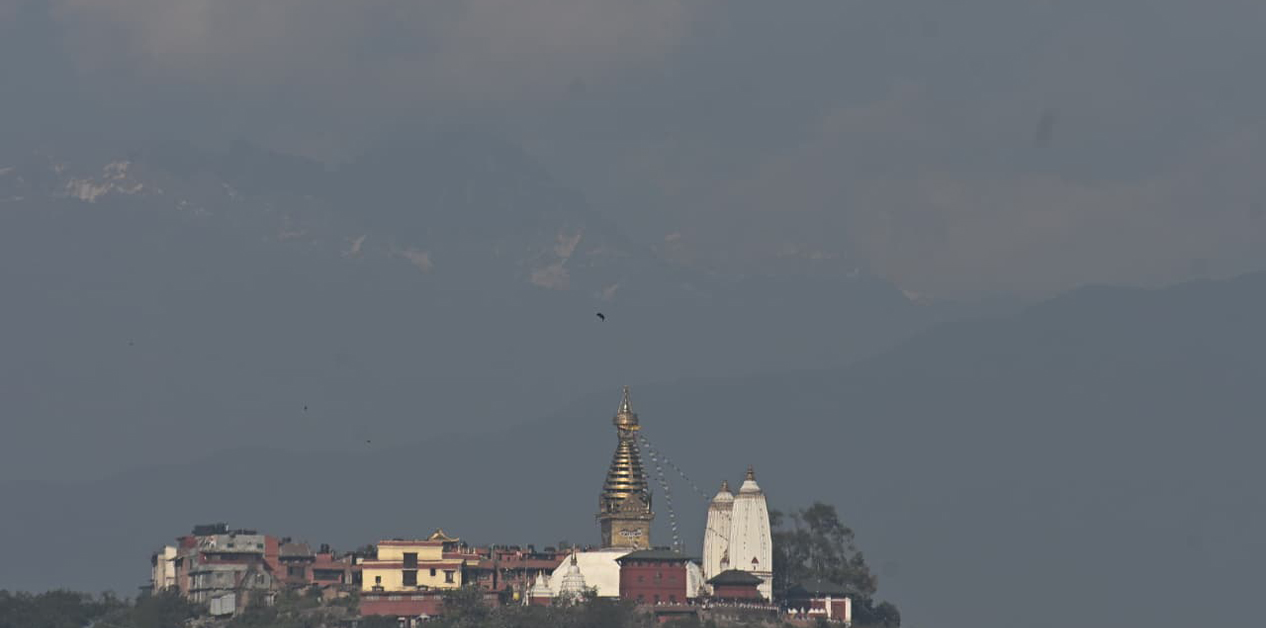
Swayambhunath appearing hazy amid air pollution, with the background mountains obscured by pollution. Photo: Nepal News
What solutions could improve Kathmandu’s air quality?
Experts say tackling pollution requires coordinated policies. Key steps include strengthening public transportation, promoting electric and hybrid vehicles, and enforcing stricter vehicle and industrial emission standards. Expanding clean cooking technologies and renewable energy can reduce household smoke. Better waste management to stop open burning, improved dust control at construction sites, and stronger public awareness and community action-such as tree planting and reduced vehicle use-can also significantly improve air quality over time.
What actions are being taken and what challenges remain?
Nepal has introduced the Air Quality Management Action Plan 2020 for the Kathmandu Valley, focusing on emissions monitoring, regulating transport and brick kilns, and promoting sustainable urban planning. However, experts warn that limited air-quality monitoring and weak policy enforcement remain major barriers. Globally, nearly 70 percent of people live in countries with fewer than three air monitors per million people, leaving billions without reliable pollution data.
Why have Nepal Police issued a public advisory on air pollution, and what precautions should people take?
Nepal Police have issued a six-point advisory urging citizens to take precautions as air pollution rises, particularly in urban areas such as the Kathmandu Valley. Residents are advised to stay indoors when possible, limit outdoor activities, reduce vehicle use, and avoid burning waste, which can further worsen air quality.
Children, the elderly, and people with respiratory conditions are urged to take extra care, including wearing masks if they must go outside. Anyone experiencing breathing difficulties is advised to seek immediate medical attention. Health authorities have also called on the public to remain cautious as pollution levels continue to climb.
What solutions are needed to tackle the growing pollution crisis?
Addressing air pollution requires both national and regional action. Within Nepal, authorities need stricter monitoring of industrial emissions, better control of dust from construction sites, and stronger enforcement against open garbage burning. Expanding green spaces and improving public transportation systems can also help reduce pollution over time.
At the regional level, Nepal needs to work with neighboring countries such as India and Bangladesh to address cross-border pollution through dialogue and coordinated policies. Stronger air-quality monitoring systems and regional environmental cooperation could help protect public health and ensure cleaner skies across the region.
What measures and international examples could help Kathmandu tackle air pollution?
Nepal has begun some initiatives, including a National Plan for Electric Mobility (NPEM) that aims for 25% electric vehicles in Kathmandu Valley and 15% nationwide by 2030. Monitoring systems are also improving data on pollution.
Cities around the world offer useful lessons. Bogotá is electrifying public buses and metro systems to cut pollution. Warsaw has installed 165 air sensors and plans to phase out coal. Seoul plans to ban diesel vehicles by 2025 and achieve zero waste by 2040. Bangkok is expanding metro systems and green spaces through the Green Bangkok 2030 initiative. Experts say Kathmandu also needs more urban greenery, better transport systems, stronger regional cooperation, and greater public awareness to improve air quality.
Is Nepal’s infrastructure development harming the environment?
Nepal’s rapid push for infrastructure-airports, highways, hydropower and stadiums-has raised growing environmental concerns. Projects such as Nijgadh International Airport could clear about 7,500 hectares of forest and more than two million trees, threatening a key wildlife corridor connected to Parsa National Park, home to species like the Bengal tiger and Asian elephant. Experts warn such deforestation could increase erosion and raise flood risks for towns like Birgunj and Kalaiya.
Environmental trade-offs are visible in other projects as well. Construction of Pokhara International Airport altered landscapes around Ritthepani Hill and raised concerns for endangered vultures. The Kathmandu–Tarai Fast Track cuts through the fragile Chure Range, increasing risks of erosion and habitat fragmentation. Hydropower projects such as the Tanahu Hydropower Project and highway expansion near Chitwan National Park have also raised concerns about biodiversity loss and wildlife roadkills.
Urban development has similar impacts. The upgrade of the Tribhuvan University International Cricket Ground removed hundreds of trees in the already polluted Kathmandu Valley. Nepal needs infrastructure, but without stronger environmental safeguards, today’s development could impose heavy ecological and generational costs.
What is the World Bank’s Nepal Clean Air and Prosperity Project and how will it tackle air pollution?
The World Bank has approved a $52 million credit for the Nepal Clean Air and Prosperity Project, aimed at reducing air pollution and strengthening air quality management across Nepal, with a focus on the Kathmandu Valley, the Terai, and surrounding foothills. The project targets emissions of fine particulate matter (PM2.5), particularly from industrial and commercial boilers and furnaces, which are projected to become the largest source of air pollution as Nepal industrializes.
Through a combination of clean technology financing, incentives, and technical assistance, around 400 industrial and commercial enterprises will be supported to adopt electric boilers, modern biomass systems, and advanced emission controls, improving air quality while lowering operating costs and boosting competitiveness. The project addresses barriers such as high upfront costs, limited long-term financing, and low technical capacity, pairing long-term loans with hands-on support.
Implementation will be led by the Department of Industry (Ministry of Industry, Commerce and Supplies) and the Department of Environment (Ministry of Forests and Environment), with Rastriya Banijya Bank handling the clean technology financing. A $5 million grant from the World Bank’s Resilient Asia Program—funded by the UK and Switzerland—complements the financing. The project forms part of the World Bank’s Regional Air Quality Management Program for the Indo-Gangetic Plains and Himalayan Foothills, a global air pollution hotspot.