Kathmandu
Wednesday, June 17, 2026





KATHMANDU: The government is preparing to amend laws regarding divorce, intestate property (aputali), and the declaration of public property. A draft amendment bill has been formulated to ensure equal rights for both men and women within the legal framework governing divorce.
The upcoming amendment aims to abolish the existing legal provision that requires men to wait for one year to finalize a divorce. Currently, if a woman files for divorce in court, the separation can be finalized immediately. However, when a man files a lawsuit, the law mandates a one-year period for reconciliation efforts. The court grants the divorce only if reconciliation fails within that timeframe.
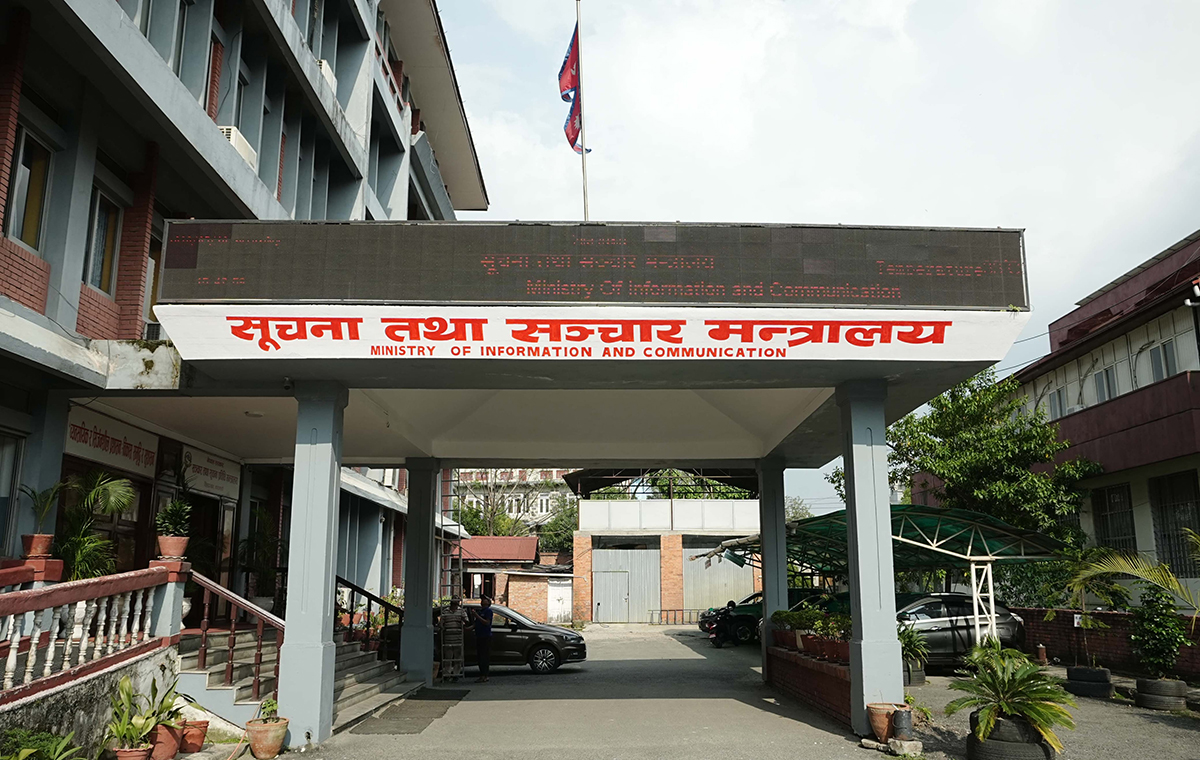
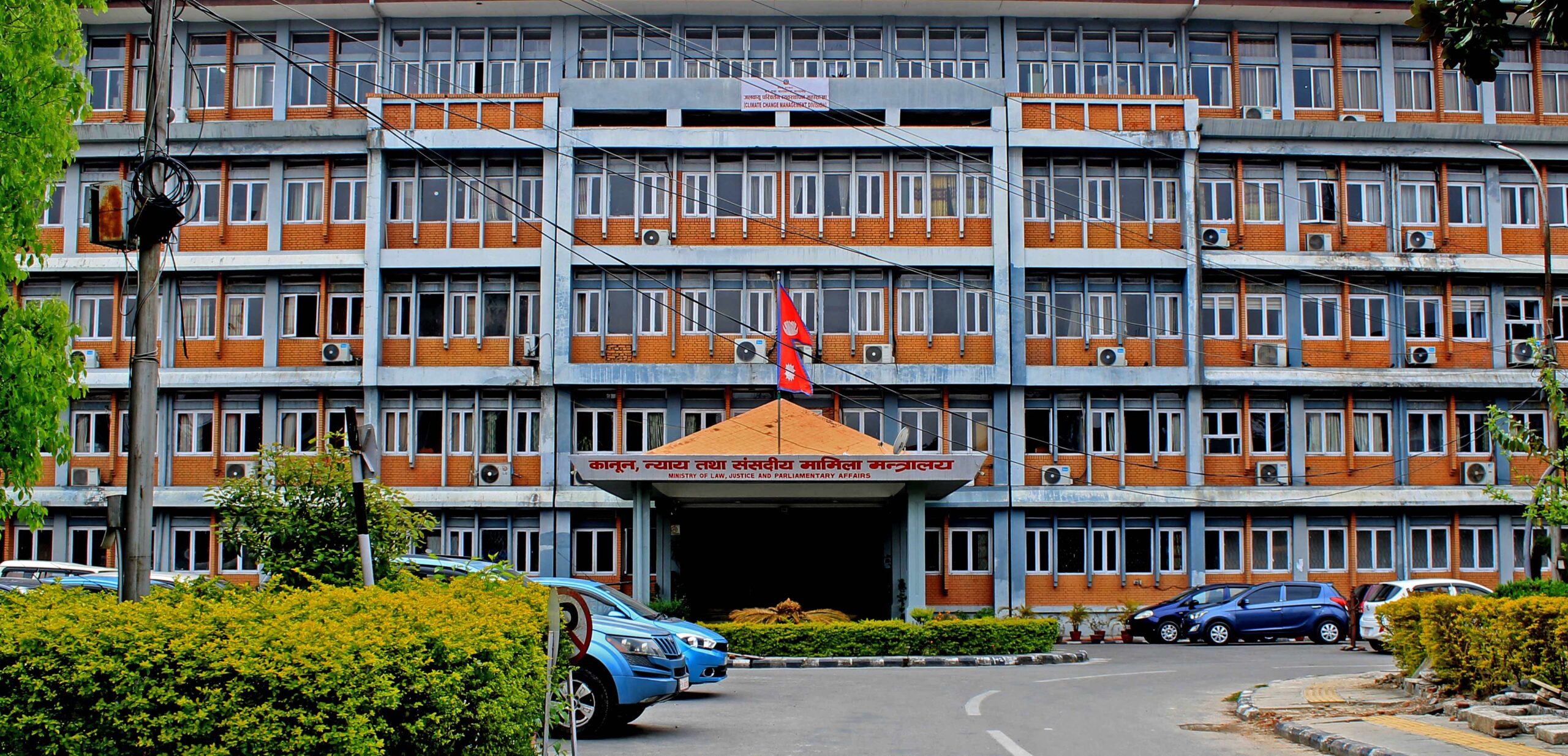
The Ministry of Law, Justice, and Parliamentary Affairs is set to amend various provisions, including those related to divorce, in the National Civil Code, 2017. Amendments are being prepared for 14 sections regarding divorce and other matters within the Civil Code. Similarly, 27 sections of the National Civil Procedure Code, 2017 are also being amended.
In the proposed draft of the amendment bill, the restrictive clause in Section 98 of the National Civil Code, 2017 has been removed. The current clause states: “If the husband and wife do not agree to stay together despite the court’s counseling and mediation efforts, the court shall grant the divorce one year after the petition is filed.” The Ministry stated that the bill was drafted to simplify the divorce process under the Civil Code. According to the Ministry’s draft amendment, this step was taken “to remove the provision requiring a one-year wait even when the court fails to reconcile the couple after a joint petition is filed by the husband or wife.”
Divorce cases comprise the highest number of lawsuits in courts across the country. In the last fiscal year 2024/25, a total of 42,739 divorce cases were registered nationwide. On average, this means 112 couples visit the courts daily for divorce. Data from the Supreme Court shows that the highest number of divorce cases are registered in District Courts. In the last fiscal year 2024/25, 41,791 such cases were registered in District Courts across the country. It is estimated that this number will increase further once the provisions of the Code are changed.
The draft amendment bill also introduces changes to the provisions concerning the annulment of marriage. Currently, Section 71 of the National Civil Code, 2017 stipulates that individuals with certain diseases, including leprosy, must not marry without disclosing their condition; failing to do so makes the marriage voidable. Moving forward, the phrase “having leprosy” is being removed from this provision. Since leprosy is a treatable condition, the law will no longer allow a marriage to be annulled solely because the condition was not disclosed to the other party.
New provision regarding rightful heirs to intestate property
The amendment bill also includes married daughters as eligible heirs to intestate property (aputali). In the order of priority for heirs entitled to inherit unclaimed or intestate property, daughters who are married and living separately from the joint family have now been added. Existing laws do not include married daughters in the priority list of heirs for such property. Article 38, Clause 1 of the Constitution guarantees every woman equal lineage rights without gender discrimination, but this has not yet been fully implemented in practice.
Furthermore, the draft bill introduces a provision stating that any property not registered under an individual’s name will now be deemed public property. Currently, there is no legal framework determining the ownership of property that is not registered to any individual. Additionally, keeping in mind instances where individuals conceal property assets to deprive others of their rightful partition share, the law is being amended to penalize anyone proven to have intentionally hidden assets.
According to Man Bahadur Aryal, Joint Secretary at the Ministry of Law, Justice, and Parliamentary Affairs, the draft amendment bill was prepared based on recommendations from the Supreme Court and a study submitted by the Law Commission. “The amendments are being made to address practical problems observed during the implementation of the law,” he said. “Citizens can send in their suggestions before the bill is officially presented in Parliament.”