Kathmandu
Wednesday, June 17, 2026





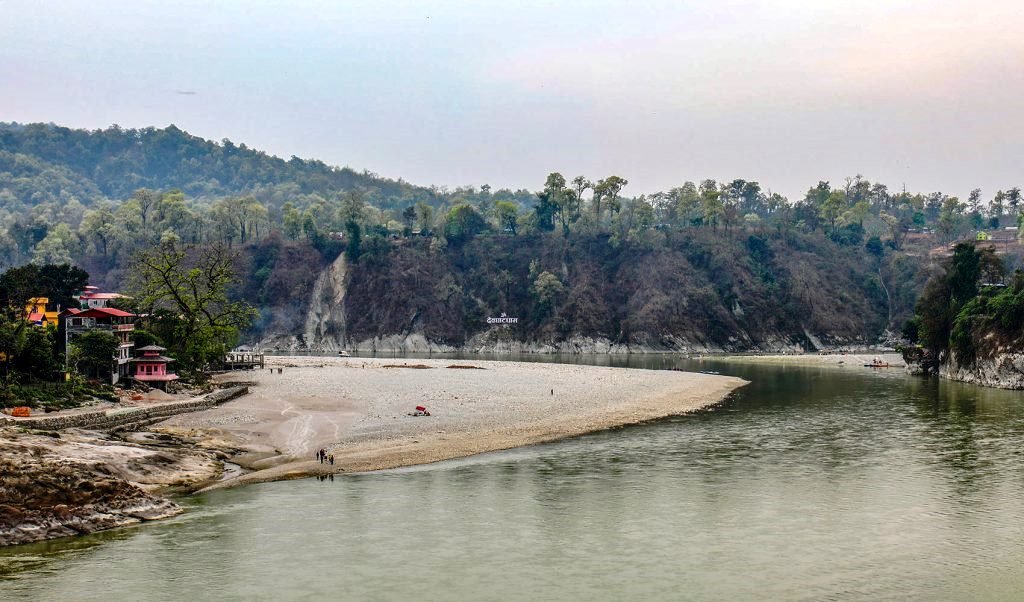
TANAHUN: The land owned by the Ram Mandir Guthi (Trust) at Devghatdham, a renowned religious pilgrimage site in the district, has been encroached upon.
It is estimated that out of the approx 75,802.26 square meter of land registered under the trust’s name, approximately 15,262.2 square meter has been encroached upon to build permanent and temporary structures, establishing a settlement.
A total of 106 members from 37 families have built permanent and temporary structures to settle in that area.
According to Purna Bahadur Kunwar, the spokesperson for Devghat Rural Municipality and ward chairman of Ward No. 5, it has been revealed that the land is being bought and sold based entirely on informal household paperwork.
He clarified that despite explicit legal provisions preventing trust land from being transferred to individuals or issued land ownership certificates, real estate transactions were being carried out in the area using informal household deeds. Consequently, the public has been notified to stop buying or selling such lands.
The rural municipality has also urged local residents to vacate the trust’s land. Meanwhile, the federal government is making preparations to manage alternative land and legally distribute land ownership certificates to genuine squatters who do not own land anywhere else.
On the other hand, 16 temporary huts built by encroaching upon public land in the Beni area of Devghat have been completely removed through the active initiative of Devghat Rural Municipality, Devghat Area Development Committee, and the local administration.
The unauthorized structures were cleared after the Area Development Committee issued a 7-day notice aimed at protecting the bathing ghat at ‘Beni’—the confluence of the Trishuli and Kaligandaki rivers—and beautifying the religious site.
Various organizations, ascetics, monks, priests, and local business owners had built and been utilizing those huts on the public land located below the bathing ghat’s retaining wall.