Kathmandu
Monday, June 15, 2026





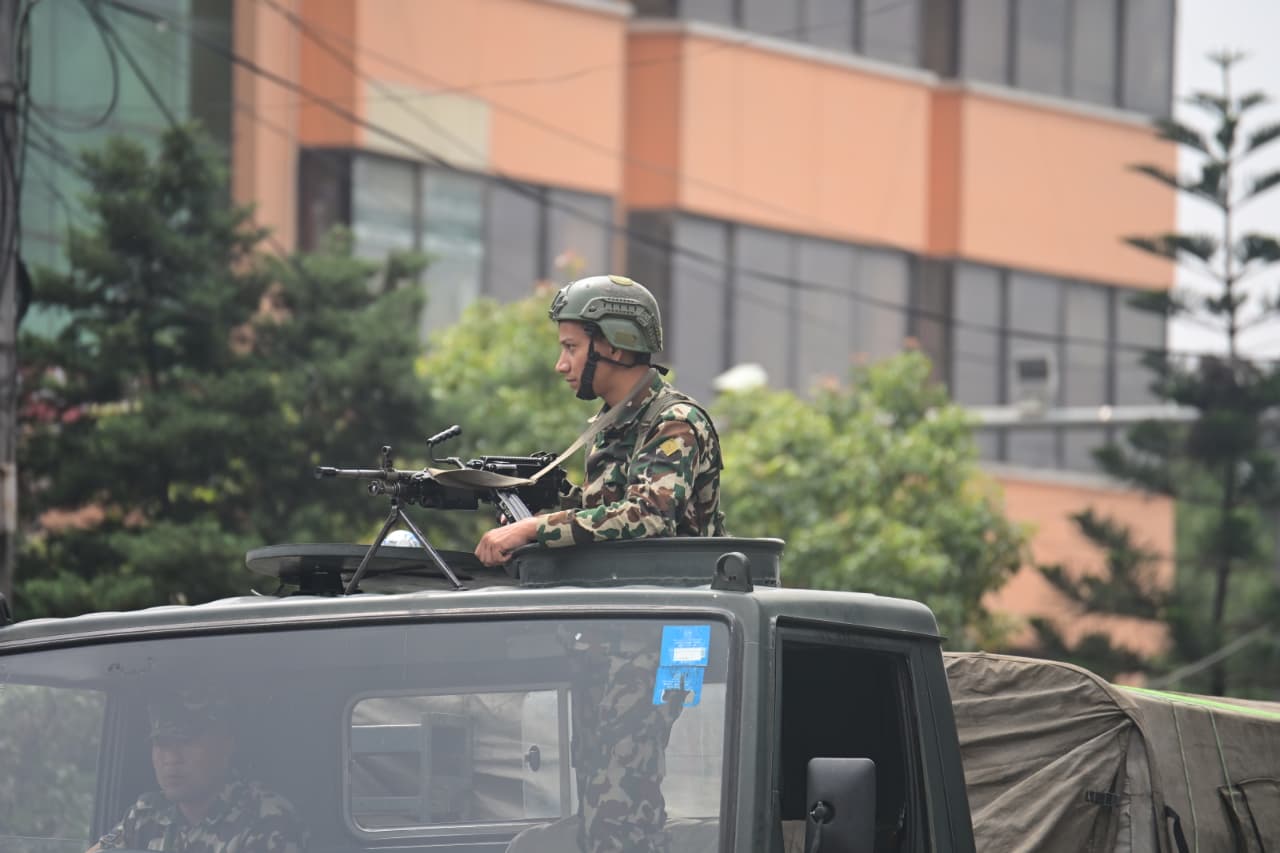
KATHMANDU: The Gauri Bahadur Karki-led investigative commission has conducted a scathing assessment of the Nepali Army’s role during the violent events of September 8 and 9, 2025 (Bhadau 23-24). According to the confidential 907-page report obtained by Nepal News, specifically pages 667 and 668, the commission concludes that military commanders stationed at the nation’s most sensitive power centers failed to fulfill their fundamental security obligations.
The report explicitly points out that while the Nepali Army was deployed at Government Headquarters Singha Durbar and the President’s Residence (Shital Niwas), they did not take effective action to protect these sites. The commission noted that the Commander of the Narsingha Dal Battalion at Singha Durbar, along with military commanders at Shital Niwas, the Federal Parliament complex in Baneshwor, and the Prime Minister’s Residence in Baluwatar, failed to perform their designated duties during the height of the crisis.
The commission found that despite being part of the District Security Committees, the Army remained passive even when local administrations across the country pleaded for intervention. Under the Local Administration Act, 1928, Chief District Officers (CDOs) requested military reinforcement after police lost control of the situation. However, CDOs and police officials from Kathmandu and other districts told the commission during monitoring visits that the requested support never arrived. The report suggests that had the Army mobilized with its full equipment and presence, the resulting “fear factor” among protesters could have significantly aided in damage control and prevented the subsequent escalation.
The breach at Prime Minister residence:
One of the most damning sections of the report details the breach at the Prime Minister’s Residence on September 9. Around 1:30 PM, a mob gathered outside the main gate chanting slogans against then-Prime Minister K.P. Sharma Oli. As the crowd swelled, the security personnel at the gate were overwhelmed. The report states that instead of using necessary force to hold the perimeter, the security units abandoned their posts, allowing the mob to enter the main gate.
The protesters subsequently vandalized and set fire to side buildings and vehicles while advancing toward the Prime Minister’s primary residence. The commission noted that the Nepali Army, which held the ultimate responsibility for the security of the PM’s residence, remained “silent” as the unauthorized entry led to widespread arson, looting, and destruction. “The Army failed to fulfill its core responsibility and duty, causing the state to suffer immense losses,” the report declares.
Inaction at the parliament building protection:
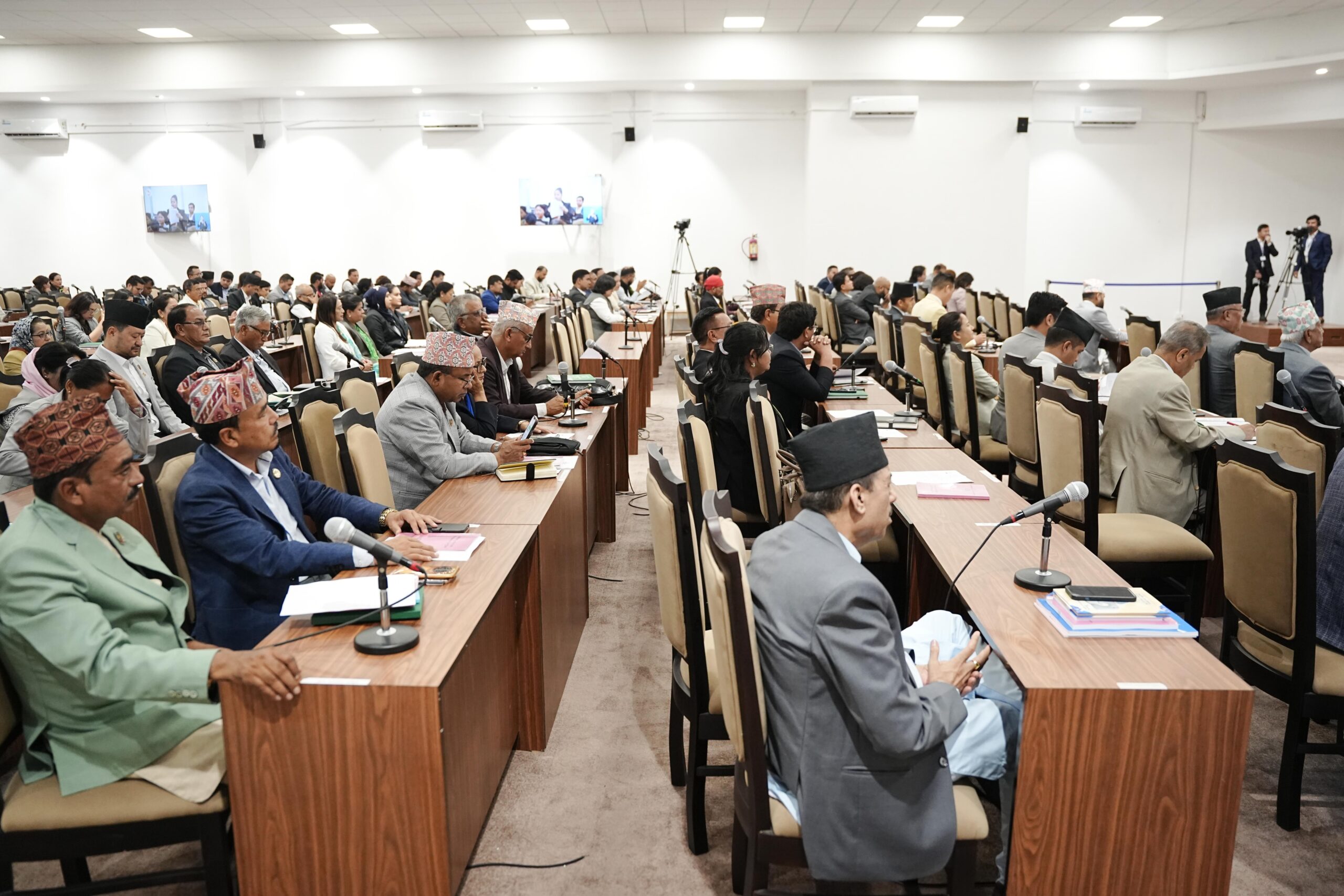
The report also highlights a specific failure at the Federal Parliament building protection in September 08, 2025. Despite a request from the Kathmandu District Security Committee, a contingent from the Narsingha Dal Battalion arrived 300 meters east of the building at Thapa Gaun around 12:45 PM. Although they eventually entered the premises at 3:00 PM with police assistance, police officers on duty testified that the Army failed to provide any “concrete or reassuring support” to the police units who were struggling against the mob from all sides.
Furthermore, witnesses and police officers reported that while a military squad stayed inside the Parliament complex on the night of September 8, they abruptly withdrew the following morning just as protesters began entering the premises to start fires and vandalism. The commission concluded that the Narsingha Dal teams failed in their duty on both days.
Despite the overarching criticism of their static security roles, the commission acknowledged that the Nepali Army was not entirely inactive. On September 9, the military prioritized the protection and evacuation of Very Important Persons (VIPs) to secure locations. The report also credited the Army for a high-stakes aerial rescue, noting that military helicopters were used to save police officers who had become trapped on the roof of the Maharajgunj Police Circle during the riots.