Kathmandu
Tuesday, July 21, 2026





KATHMANDU: I consider myself not very well-versed in politics. I would always excel in Social Studies in school, and I even went to journalism school, where I was taught that understanding politics is imperative to writing well. Over time, however, I have become increasingly interested in understanding power dynamics, the idea of nation and nationality, and the politics behind decisions that shape policies.
As a Gen Z voter who cast a ballot for the first time recently, I feel like I am witnessing a significant shift in how things are being handled in the country. I have been following the news closely, and there is so much to keep up with—so many decisions, so many actions, so much change.
In the past few weeks alone, the new government seems to have wasted no time in making itself seen and heard. From arresting individuals to making back-to-back announcements of sudden change, from emotional speeches to bulldozing properties—everything feels fast-paced and intense. But it raises an important question: will this change be sustainable?
With a new Prime Minister sworn in and the excitement surrounding newer parties and leaders, it honestly feels like we are at the peak of inflated expectations. People are hopeful—perhaps even a little too hopeful. Increasingly, it seems that we are no longer willing to wait and see; we want instant change. However, building a nation is not as simple or as immediate as we might wish.
At some point, expectations will inevitably meet reality, and that is when disappointment tends to creep in. I just hope we do not remain stuck in that cycle this time. If there is genuine effort, accountability, and consistency, perhaps we can move forward instead of repeating the same patterns. Progress may not be perfect, but it can at least be steady.
There are, of course, reasons to feel optimistic. With educated ministers and a commitment to 33% female representation, the government appears inclusive and promising. However, when we scrutinise members of parliament more carefully, a pattern emerges—many come from privileged backgrounds, often shaped by Kathmandu-centric perspectives. This raises an important concern: will they truly represent the working class? Will they address the needs of the poor, the underrepresented, and the underprivileged?
Only time will answer these questions.
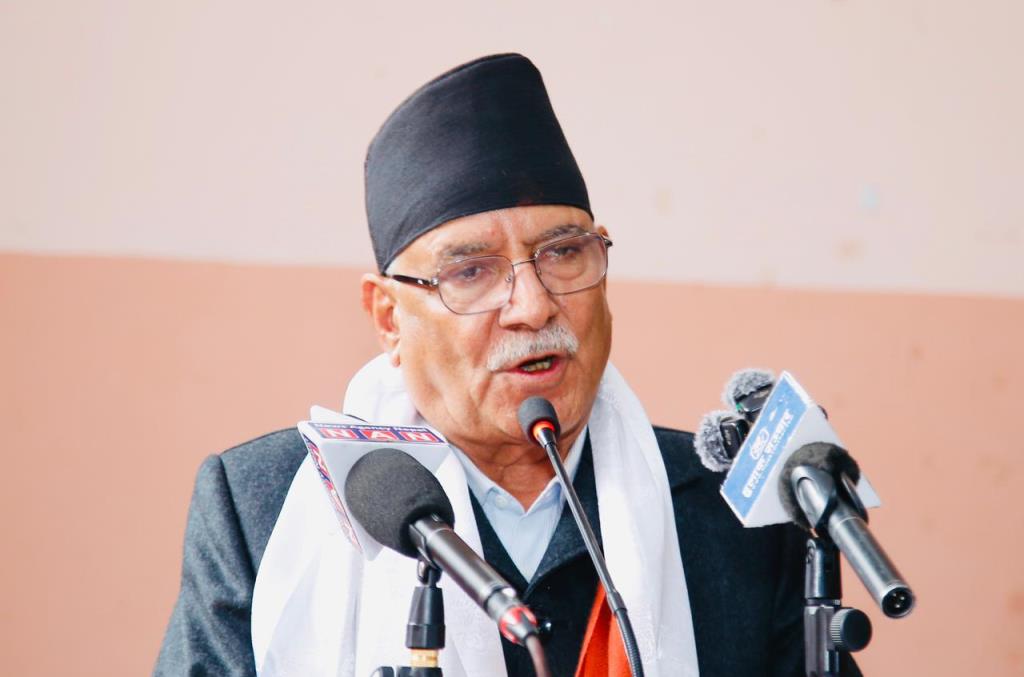
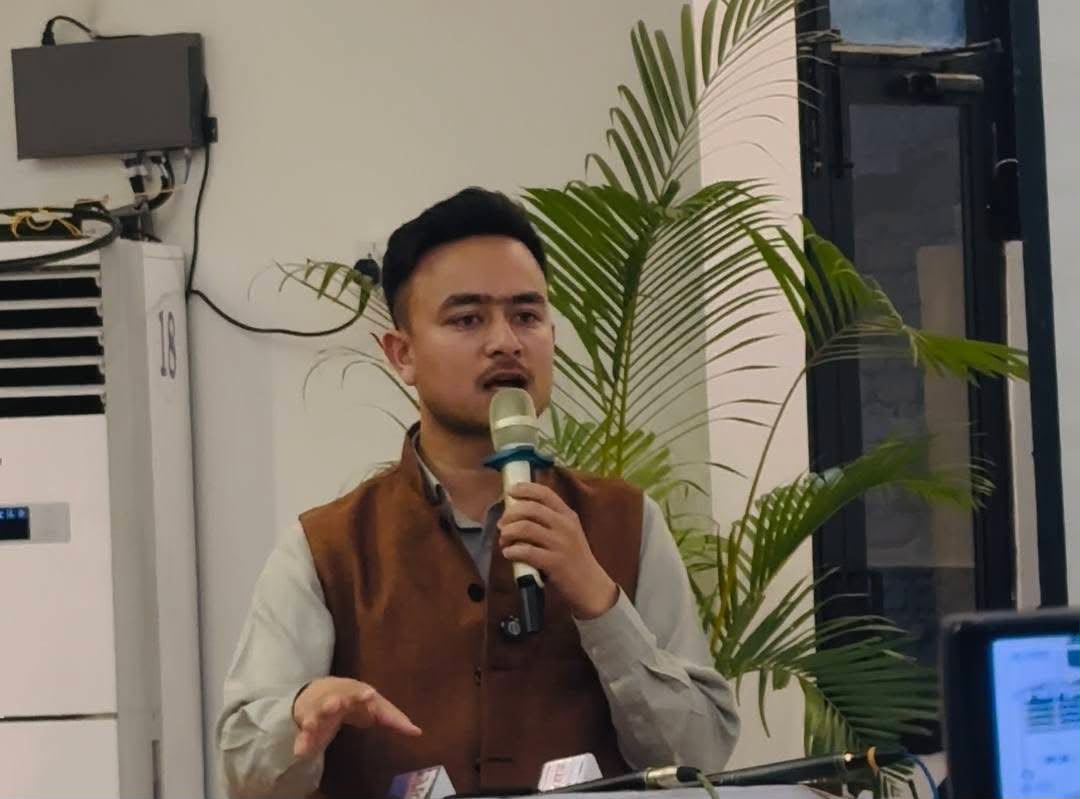
At the same time, what feels more immediately concerning is not just governance, but public behavior. The way people are responding to the government—turning leaders into heroes and, at times, almost worshipping them—is unsettling. Hero worship has long been a pattern in this country. First it was Prachanda, then Oli, and now figures like Balen.
The issue is not just the pattern itself, but what it does to public accountability. When leaders are elevated to near-mythical status, questioning them begins to feel like betrayal. Criticism, which should be natural in a democracy, is often dismissed as negativity. In such an environment, governance shifts from being about institutions to being about individuals—from systems to personalities.
This concern becomes even more pronounced in the digital space. I recently came across an article about how dissent and debate are increasingly leading to what can only be described as “digital lynching.” This is deeply troubling. From technology-facilitated gender-based violence to hate speech, from character assassination to AI-generated trolling, the online environment is becoming hostile to critical thought.
As someone engaged in digital media, I find this trajectory particularly alarming. This is not the kind of discourse a healthy, democratic society should encourage. Free speech is becoming more convoluted, and people seem to be responding more emotionally than rationally in online spaces.
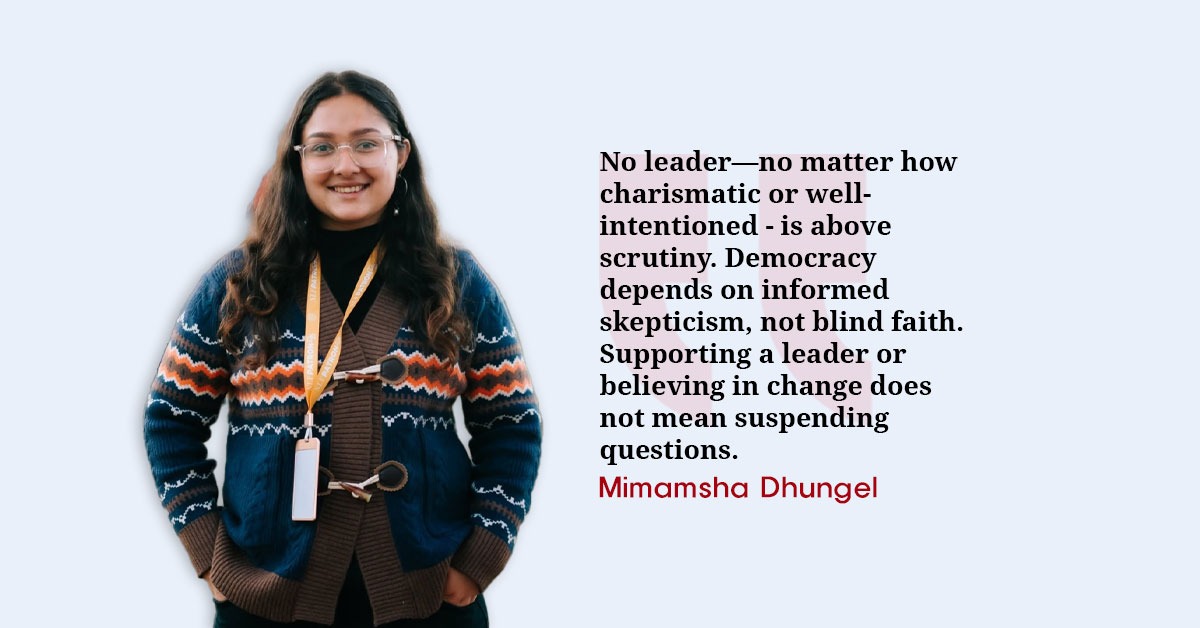
It is important to remember that no leader—no matter how charismatic or well-intentioned—is above scrutiny. Democracy depends on informed skepticism, not blind faith. Supporting a leader or believing in change does not mean suspending questions.
In fact, the more we believe in someone’s potential, the greater our responsibility to hold them accountable.
If this is to be a truly historic term, it should not be because we believed in a leader unconditionally, but because we strengthened a culture where leaders are expected to deliver, questioned when they fall short, and constantly reminded that they are public servants—not heroes.
Ultimately, meaningful change does not happen overnight. It is gradual, demanding patience, participation, and, above all, accountability.