Kathmandu
Tuesday, July 21, 2026





In a series of positive steps, the new government has signaled to be serious about ensuring inclusion and equality with a specific focus on citizens from the Dalit community, the most marginalized and discriminated group in the country.
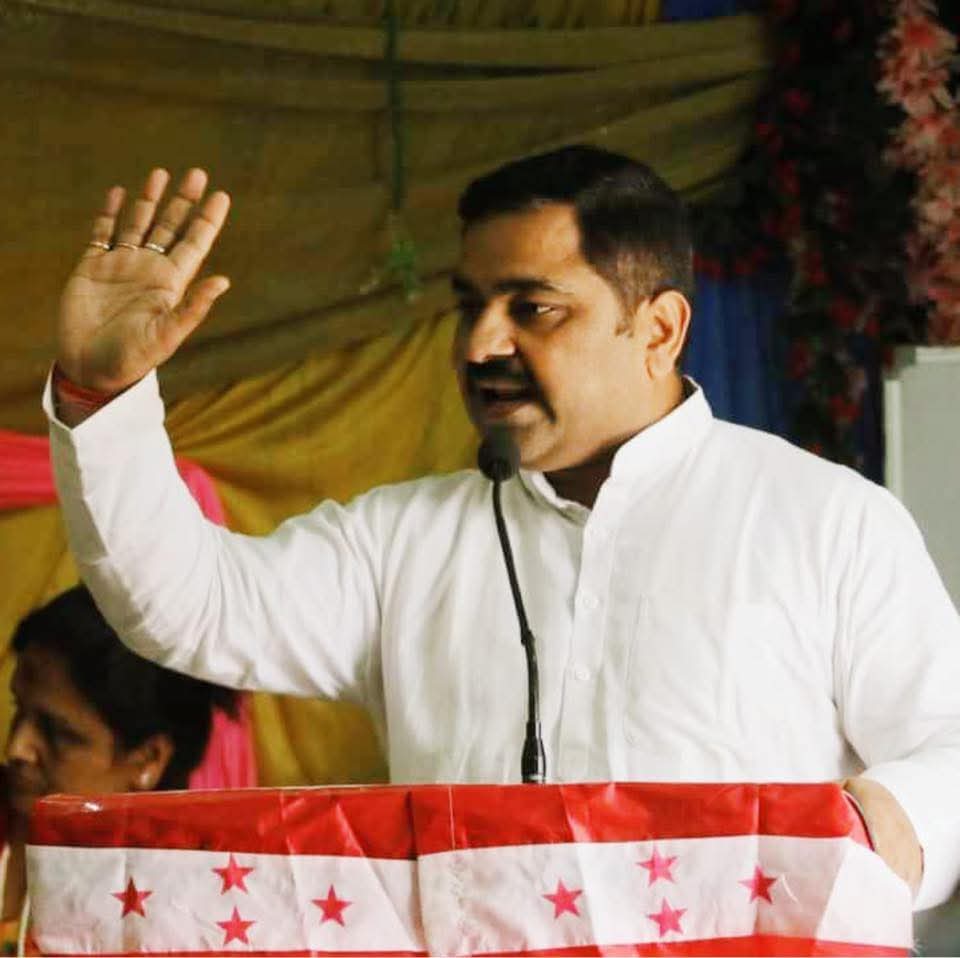
It was a bold move for Rabi Lamichhane, the chairman of the Rastriya Swatantra Party to announce, in the first session of the House of Representatives, that the government will formally apologize for the abuses committed against the Dalit community.
The apology is part of the 100 Points Agenda issued by the administration led by Balen Shah that also includes a series of initiatives specially targeting Dalit citizens.
The premises are being created to lay the foundations for a major effort to bring inclusion, equality and equity at the center of policy making. This would be unprecedented especially from a Federal Cabinet that, while has ensured for the first time the 33% female representation in its ranks, it is not particularly inclusive with only one representative from the Dalit community being represented.
Here it is where I come back to my initial question
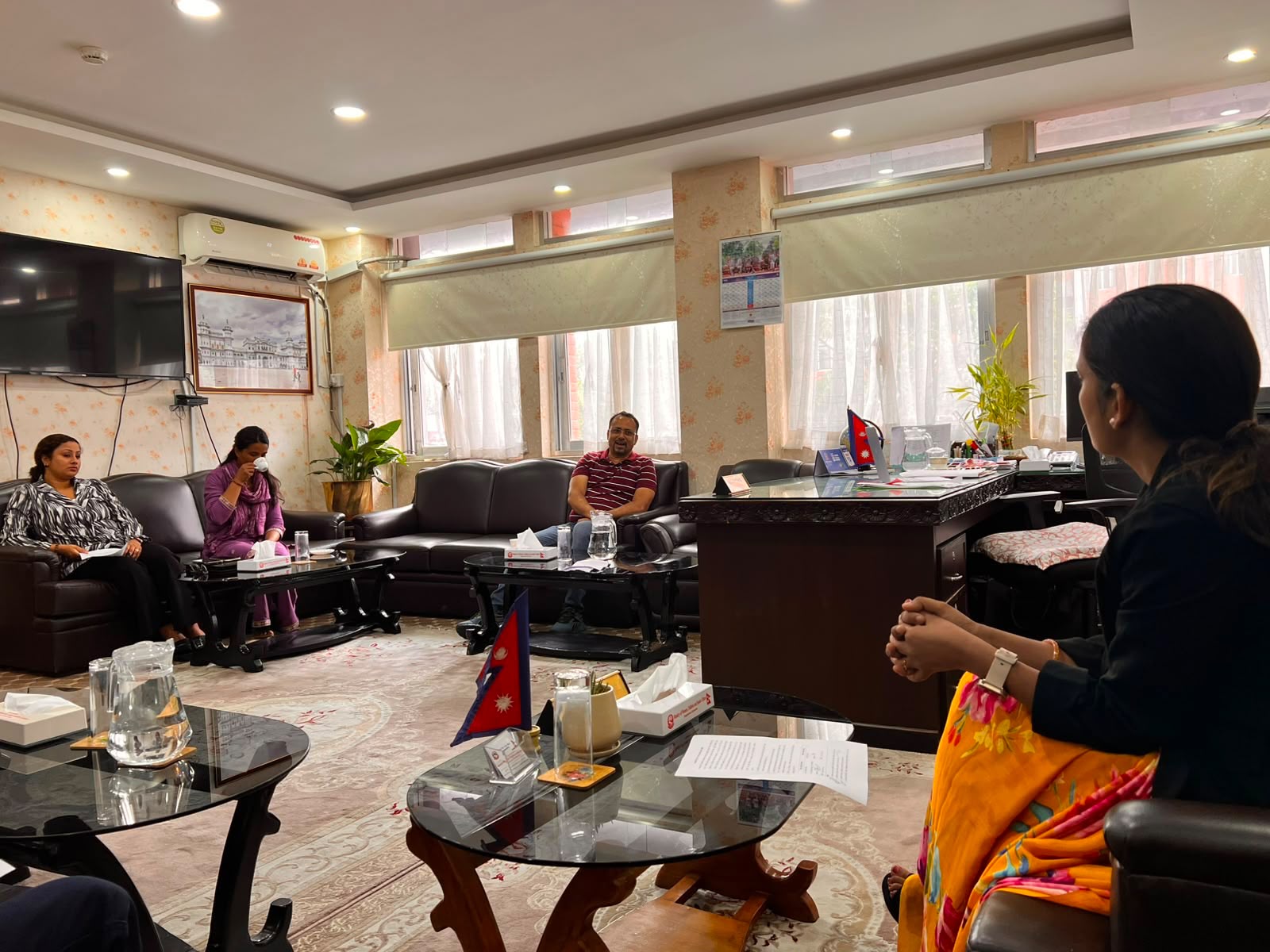
The Ministry of Women, Children & Social Welfare could become the central hub for this ambitious and long overdue effort to create a real level playing field in what is a complex and unequal society. Historically speaking this ministry has always underperformed and it has never been up to the difficult tasks imposed by its mandate that, in a country like Nepal, should have had taken a central role in any government cycle.
The reasons are simple and interlinked: it has always been considered as a “second class” ministry, always starved with funding. Simply, it has never been a lever of power, therefore it never had influence in the decision-making process. It is hard to think about even a single initiative undertaken by this ministry that brought some tangible changes to the lives of the people. With no resources at disposal and with no interest, among those who were supposed to run it, to make something good out of it, it is hard to expect any tangible and transformative achievements.
But now, the circumstances have changed
I want to believe that it is not a coincidence that the only representative from the Dalit community sitting in the federal government, Sita Badi, is now in charge of this ministry. And Sita Badi’s appointment could represent a powerful signal from the Balen administration that the new government is really serious about challenging the status quo. Therefore, this ministry could truly become a new powerful center of power because any action to fight discrimination against not only Dalits but also against other marginalized communities will require resources.
Then, why not renaming it in a way that could give a better idea of the new strategic focus to be undertaken? An obvious rebranding could lead to having a “Ministry of Social Inclusion & Poverty Alleviation” instead of the current name. We should not forget that inclusion and poverty alleviation are two sides of the same coin and, the latter, also relates to efforts to empower economically vulnerable citizens regardless of their caste/group status.
Another option in this re-branding exercise would be even bolder with the creation of a “Ministry of Equity and Social Empowerment”. These two elements, equity and empowerment, are, after all, the two major outcomes that should be pursued by the ministry. Then why not give them maximum highlight in a symbolically strong way?
Finally, as the federal government is trying to bring more efficiencies and reduce waste, the ministry could even merge with the Ministry of Youth and Sports. In such a scenario, then the word “youths” could be also included, leading to a Ministry of Equity and Social Empowerment & Youth Development”.
Managing sports is a complex and cross cutting exercise. It makes sense for the government to promote it at grassroots levels while other government mechanisms and the private sector can do the rest of the job at professional levels. If this were the case, then a revamped ministry could do the job at grassroots levels, because this is after all, the job of the ministry in charge of youths’ affairs.
Now, I imagine some pushback on erasing the words “women” and “children” from a new, revamped name of the Ministry. This would be a fair criticism but after all, what at the end would count is to bring tangible results to change women and children’ lives. It is clear that in any strategic resetting of the ministry toward equity and inclusion, these two target groups will always be prioritized.
The reason is simple: there cannot be equity and empowerment without focusing on vulnerable women and children. Setting aside the issue of rebranding that, after all, it is just symbolic, what would really matter is to create the conditions for the revamped and rebooted ministry to do its job.
Resources will be essential. In this case, it is going to be equally paramount to think about the linkages between the Ministry of Labor, Employment and Social Security and the Ministry of Women, Children & Social Welfare. While social security deals with pension schemes and social welfare is about measures to alleviate poverty, there are definitely links between the two.
The Ministry of Women, Children & Social Welfare, ideally should not only become a hub to think about ways to fight social discrimination but also a platform to unleash the force of the state to fight these social ills. In practice, this stronger mandate means two things: expertise and money.
Let’s start with the former. For example, take the question of positive discrimination. They play an essential role to create a level playing field for members of Dalit and other communities. But, at the same time, there is so much to be done to fully understand how affirmative discrimination works, its potential but also its shortcomings and pitfalls.
The ministry should be a nodal center to promote a conversation about these measures by also leveraging the potential of the various commissions focused on different marginalized groups that have been created but never fully empowered. As a result, there are voices to abolish the numerous and ineffective institutions that were supposed to bring some tangible changes to the lives of the most discriminated groups.
Indeed, the performance of the Dalit Commission, the Tharu Commission, the Muslim Commission, the Madhesi Commission and the Indigenous Nationalities Commission, have been abysmal. Perhaps in the long term they could be merged but, to start with, why not putting them in a situation where they can prove their worth?
Such institutions could work in unison with the Ministry of Women, Children & Social Welfare to steer a debate about effective tools and practices to uplift and empower marginalized groups. Imagine a series of conversations, debate, each led by one of these commissions in an autonomous way but under the coordination and with the facilitation of the ministry?
Then, money
What about the resources to implement specific measures that necessarily will have to be ambitious, to support this overarching equity mission to be led by the Ministry? Any new special schemes to be designed and introduced by the new government should be centered at the Ministry. Then if it is more functional and practical for their disbursement to be exercised by the Ministry of Labor, Employment and Social Security, this is a technical matter that subject experts must deal with and sort out.
In any case, the ministry should be turned into a real “master-minder” of a new phase of the country’s’ governance that has an unequivocally clear mission to pursue social equity. The Ministry of Women, Children & Social Welfare cannot continue to be considered a paper tiger, symbolically important but then insignificant from a practical point of view. It must be equipped, both at expertise and resource levels, to make the difference and lead this transformation. Working closely with the team of advisors working directly to support PM Shah would also be extremely important.
While achieving equity in Nepal requires an empowered and dedicated ministry and a strong leadership at its helm, the “Equity Mission” is so crucial that it will necessitate the leadership and commitment of the PM himself. Minister Badi, if supported, can lead the way but the whole federal cabinet must be fully aligned and ready to work to make Nepal a level playing field for many marginalized communities.
This cannot be just a task of one member of the cabinet alone. Because this overarching goal represents, literally speaking, an example of when “a whole of government” effort is really required. Testing this approach offers an opportunity to understand what such determination combined with synergetic and strategic alignment among ministries and policy makers, can mean for millions of citizens of the country.
What at the end matters is the upliftment of millions of citizens of this country and a real end to their marginalization and discrimination. There is no doubt that the whole nation will benefit from their rise.