Kathmandu
Thursday, June 18, 2026





From underground revolutionary to House Speaker, and from peace negotiator to corruption accused—a timeline of Nepal's veteran communist leader.
KATHMANDU: Krishna Bahadur Mahara spent nearly five decades navigating Nepal’s communist movement, serving as MP four times, minister six times, twice deputy prime minister, and once House Speaker.
His career, however, became inseparable from controversy: an alleged bribe-demand audio scandal, a sexual assault accusation that forced his resignation as Speaker, and a gold-smuggling case involving vapes that drew in his son Rahul and ended with a CIAA corruption case at the Special Court.
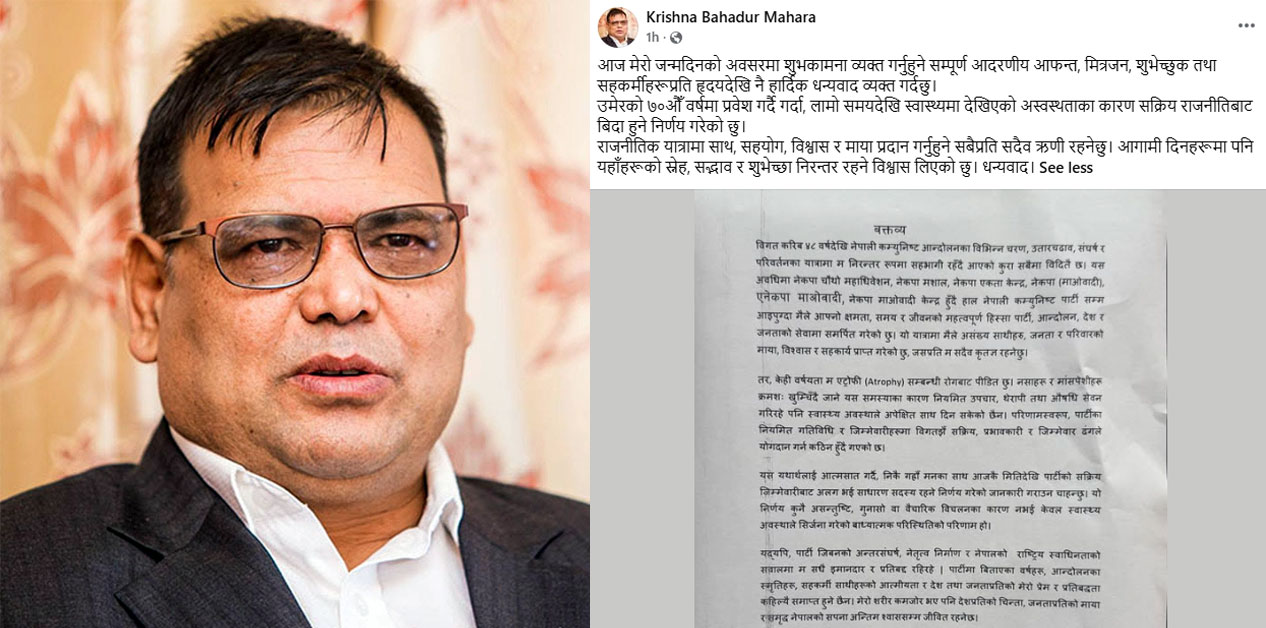
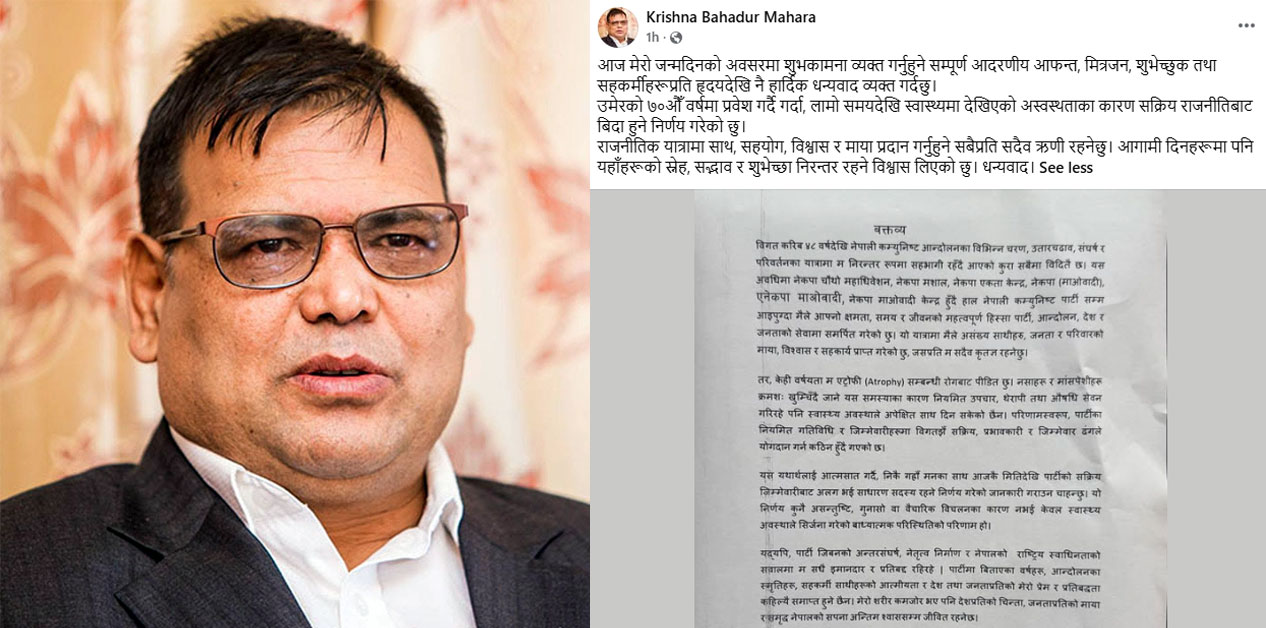
Now, citing a progressive atrophy-related illness that has not responded to treatment, he has stepped down from all active party responsibilities.
Timeline
June 29, 1958: Krishna Bahadur Mahara is born in Mebang VDC, Ward No. 7, Liwang, Rolpa District, Nepal.
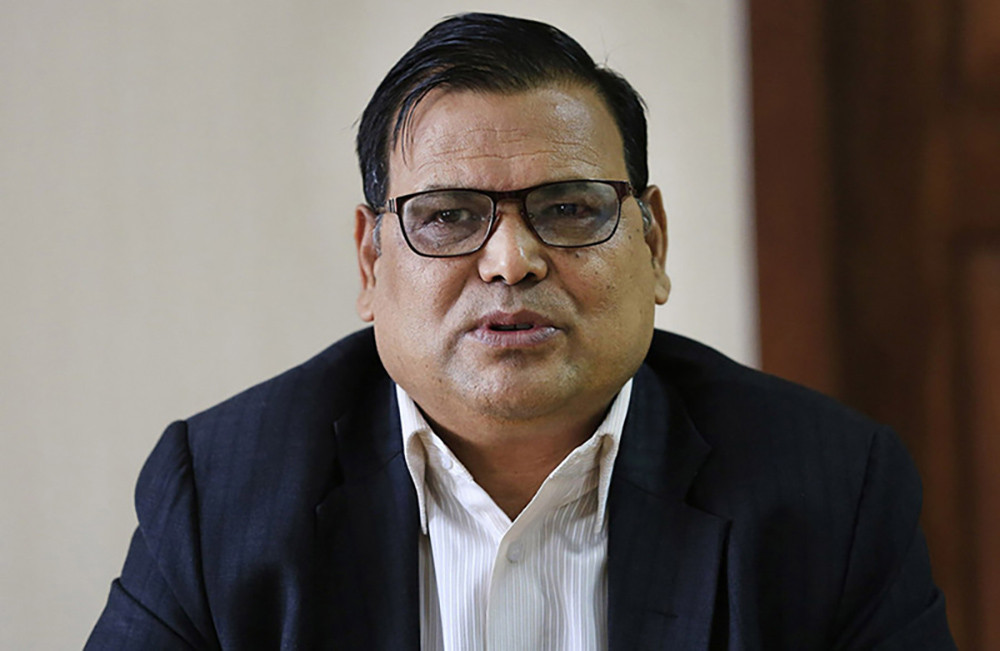
Krishna Bahadur Mahar/File photo
1965: Begins primary education in local Rolpa schools, witnessing rural poverty and state neglect in western Nepal.
1970: Completes early schooling amid growing awareness of socio-economic disparities in the hills.
1975: Finishes secondary education; develops interest in science and mathematics.
1976: Moves for higher studies, focusing on education and sciences.
1977: Starts career as a mathematics and science teacher at Bal Kalyan Secondary School in Liwang, earning the nickname “Mahara Sir.”
1978: Builds reputation as an effective educator while beginning informal political discussions with locals.
1979: Joins student protests during the national referendum against the Panchayat system.
1980: Formally joins the Communist Party of Nepal (Fourth General Convention).
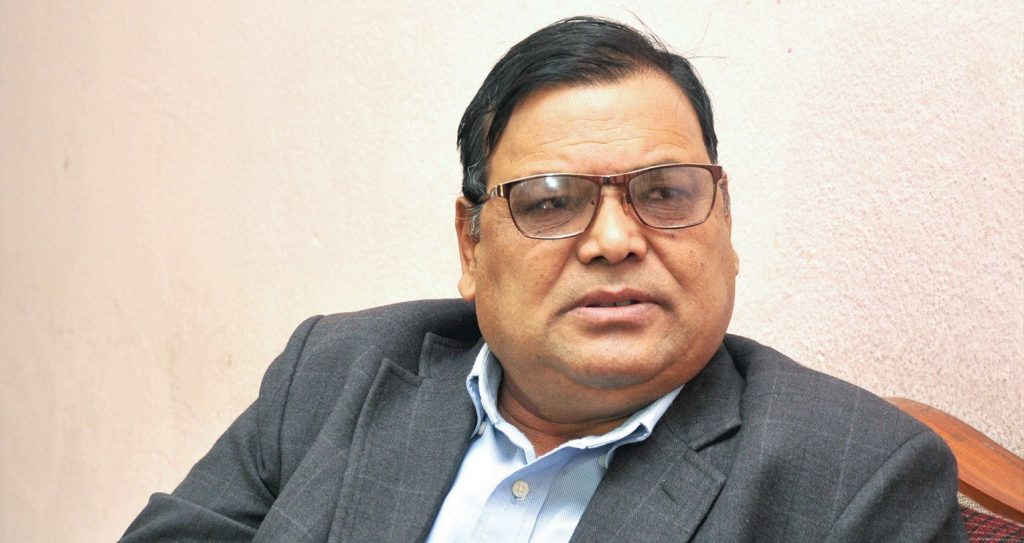
Krishna Bahadur Mahar/File photo
1981: Deepens involvement in local peasant movements in Rolpa.
1982: Aligns with radical communist factions during internal party debates.
1983: Switches to CPN (Masal) following a major split in the communist movement.
1984: Marries Sita Mahara, who becomes his lifelong partner and supporter during later underground years.
1985: Begins mentoring young activists, including future Maoist figures like Barshaman Pun.
1986: Participates in the “Sector Incident,” an early militant action under Prachanda-Mohan Baidya’s leadership.
1987: Promoted to district-level organizer in Rolpa, focusing on peasant mobilization.
1988: Strengthens underground networks in western Nepal ahead of broader democratic movements.
1989: Plays logistical support role in anti-Panchayat activities across Rolpa and neighboring districts.
April 1990: Actively contributes to Jana Andolan I (People’s Movement I) that ends the Panchayat system.
May 1990: Emerges as a visible communist activist in post-movement democratic transition discussions.
May 12, 1991: Elected Member of Parliament from Rolpa-2 on United People’s Front ticket.
1991–1994: Serves in Nepal’s first post-Panchayat parliament, vocally critiquing parliamentary democracy from within.
1992: Becomes member of the central committee of CPN (Unity Centre).
Early 1994: United People’s Front splits; Mahara aligns with the hardline Prachanda-Baburam Bhattarai faction.
Mid-1994: The radical faction begins preparations for armed struggle. Resigns from open parliamentary politics to go fully underground.
September 1995: CPN (Maoist) adopts “Plan for the Historic Initiation of the People’s War.”
Late 1995: Appointed central committee member of the newly formed CPN (Maoist). Moves to remote base areas in Rolpa and Rukum to build revolutionary infrastructure. Adopts nom de guerre “Comrade Krishna” for underground operations.
February 13, 1996: People’s War officially launches; Mahara is a key strategist in the western front.
February–March 1996: Oversees initial actions in Rolpa, Rukum and surrounding districts.
1997: Appointed commander of the Maoist western military command. Leads formation of early People’s Liberation Army units in the mid-western region.
1998: Elevated to Politburo member of CPN (Maoist). Strengthens base areas in Rolpa and Rukum.
1999: Appointed official party spokesperson, bridging underground leadership and external media.
2000: Plays central role in the “Sija Campaign” to consolidate base areas. Coordinates propaganda and international outreach from safe houses.
Early 2001: Named coordinator of the Maoist negotiating team for first peace talks.
August 2001: Leads preliminary talks with government in Ghorahi, Dang.
November 2001: First round of peace talks collapse; government declares emergency; Mahara returns underground.
2002: Operates between Nepal’s hills and clandestine India safe houses. Focuses on international relations, meeting Indian left leaders secretly. Helps establish the United Revolutionary People’s Council as a parallel government structure.
January 2003: Appointed lead negotiator for the second ceasefire round.
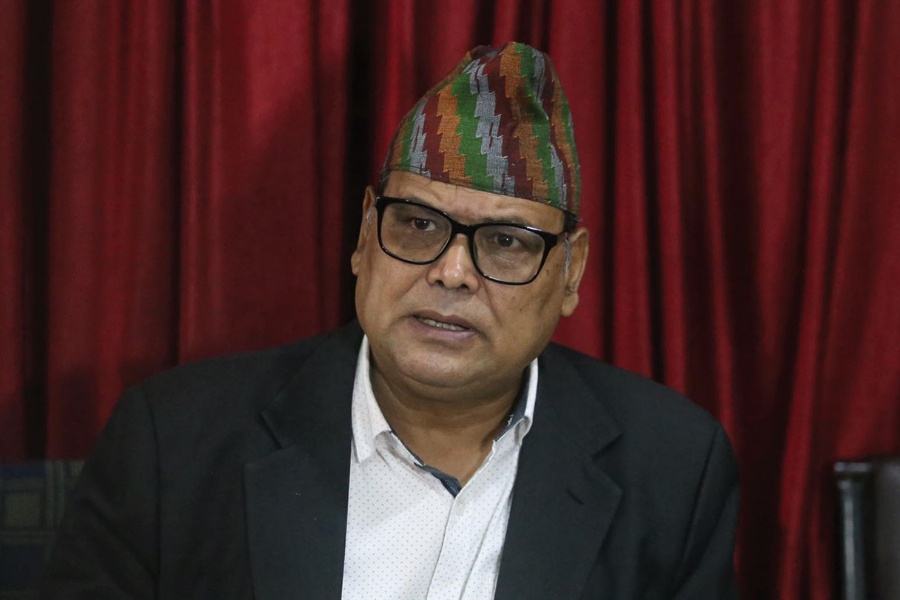
Krishna Bahadur Mahar/File photo
March 2003: Meets government officials and visits jails to assure detained cadres.
May 2003: Represents Maoists in high-level talks at Hotel de l’Annapurna, Kathmandu.
August 2003: Second talks collapse after the Doramba incident; Mahara flees back to the hills.
2004: Directs the strategic offensive phase of the war from western command.
November 2005: Key architect and signatory of the 12-point Delhi Agreement uniting Maoists with the Seven Party Alliance against the monarchy. Instrumental in finalizing the arms-management roadmap with allies.
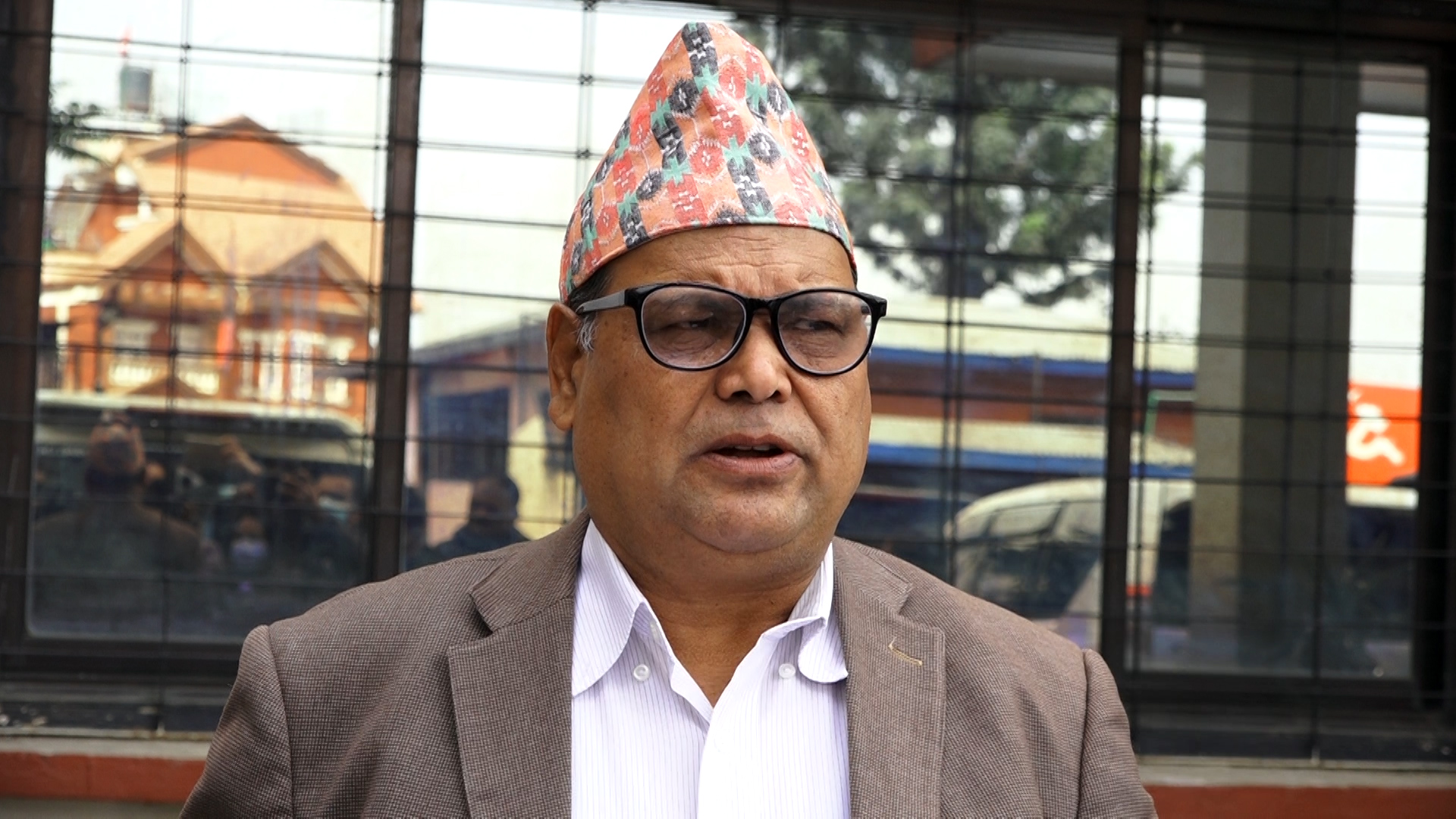
Krishna Bahadur Mahar/File photo
April 2006: Returns openly to Kathmandu after Jana Andolan II succeeds.
June 2006: Appears publicly with Prachanda to outline the peace roadmap.
November 21, 2006: Witnesses signing of the Comprehensive Peace Accord.
January 2007: Sworn in as MP in the Interim Parliament.
April 1, 2007: Appointed Minister for Information and Communication in the interim government, serving as chief government spokesperson.
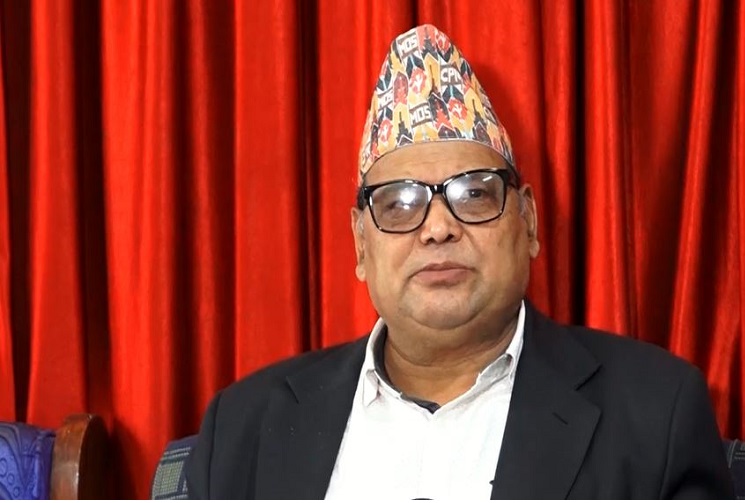
Krishna Bahadur Mahar/File photo
December 2007: Maoists rejoin government; Mahara’s ministerial role continues in coalition.
April 2008: Elected to the first Constituent Assembly from Dang-3 with 20,784 votes.
August 22, 2008: Re-appointed Minister for Information and Communication in the Prachanda-led cabinet.
May 2009: Resigns ministerial post when the Maoist government falls over the Army Chief controversy.
September 2, 2010: A leaked audio tape broadcast by several TV channels allegedly captured Mahara asking a man believed to be Chinese for Rs 500 million to influence around 50 lawmakers ahead of a prime ministerial election. The recording caused immediate political uproar, with Nepali Congress and CPN-UML demanding investigation. No formal probe was ever carried out.
May 2011: Appointed Deputy Prime Minister and Home Minister under Jhala Nath Khanal.
July 2011: Resigns Home Ministry due to internal party tensions.
2012: Appointed General Secretary of the Unified CPN (Maoist).
November 19, 2013: Contests and loses the second Constituent Assembly election from Dang-3.
2014: Focuses on party organization and healing post-split factions.
2015: Plays a backstage role in the 16-point agreement leading to the new Constitution.
August 2016: Appointed Deputy Prime Minister and Finance Minister in the second Prachanda cabinet.
Early 2017: Oversees implementation of the federal budget and early federalism steps.
June 7, 2017: Appointed Deputy Prime Minister and Minister for Foreign Affairs in the Deuba-led coalition.
December 9, 2017: Elected Member of the Federal Parliament from Dang-2, defeating Nepali Congress candidate Raju Khanal by a margin of 14,145 votes.
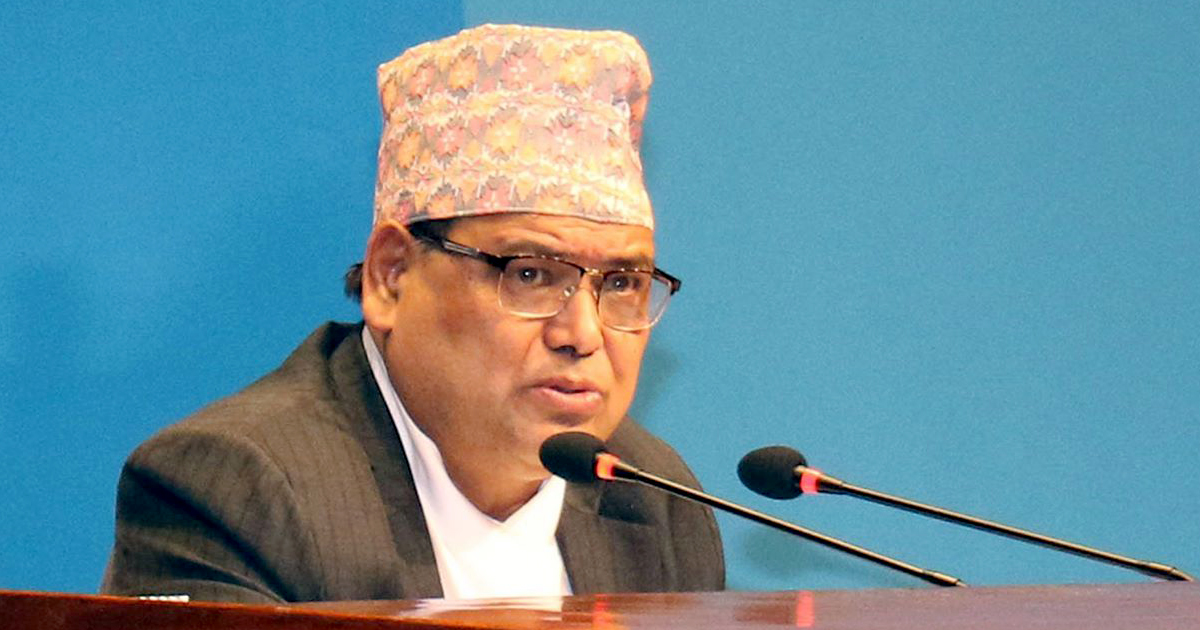
Krishna Bahadur Mahar/File photo
March 10, 2018: Elected House Speaker unopposed. His candidacy was proposed by CPN-UML leader Subash Chandra Nembang and seconded by CPN (Maoist Centre) leader Dev Gurung. The main opposition, Nepali Congress, did not field a candidate.
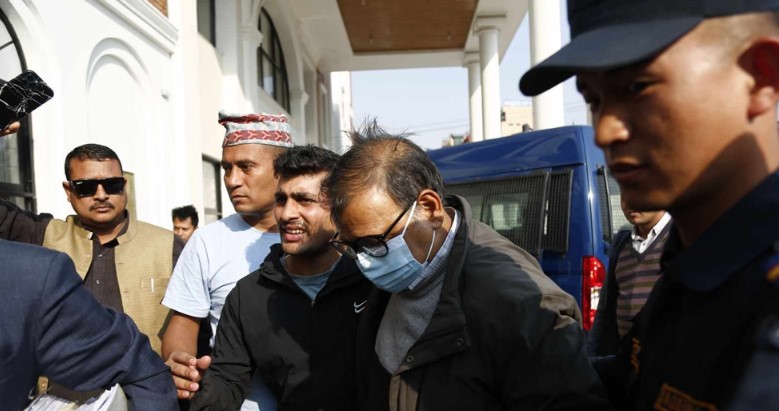
Krishna Bahadur Mahar/File photo
September 30, 2019: A Kathmandu-based online news portal published a detailed account by a parliament secretariat employee accusing Mahara of sexual assault. She alleged that Mahara had arrived at her home the previous night in an intoxicated state, forced her to drink alcohol, and physically assaulted her.
October 1, 2019: A central secretariat meeting of the ruling Nepal Communist Party unanimously decided to ask Mahara to resign. He stepped down the same day, stating in his resignation letter that he was doing so on moral grounds to allow for an impartial investigation.
November 5, 2019: The Kathmandu District Court ordered Mahara to be sent to Dillibazar Prison in connection with the attempted rape case, directing that he remain in judicial custody until a final verdict.
February 17, 2020: The Kathmandu District Court acquitted Mahara of all charges in the attempted rape case. Judge Ambar Raj Poudel cleared him of the charges after police had filed a charge sheet in October 2019 seeking a prison sentence of five to seven and a half years.
November 4, 2020: Wife Sita Mahara dies of COVID-19 complications at Norvic Hospital.
Late 2020: Briefly retreats from public life following personal loss.
January 2021: Re-emerges during protests against parliament dissolution.
January 2022: Appointed Vice-Chairman of CPN (Maoist Centre) at the party general convention.
November 2022: Chooses not to contest general elections to focus on party organizational work.
December 25, 2022: Chinese national Li Hansong arrives in Kathmandu on a Flydubai flight carrying two suitcases containing 73 vape packs. Authorities later discover approximately 9 kg of gold worth Rs 85.5 million concealed inside the vapes. Li Hansong leaves Kathmandu shortly after retrieving his passport.
February 12, 2023: The Customs Department forwards the seized vape shipment to Nepal Police’s Central Investigation Bureau after raising suspicions. CIB confirms 9 kg of smuggled gold after two months of investigation. A case is filed against six individuals, with a supplementary charge sheet later adding more accused, including Mahara’s son Rahul.
October 1, 2023: The government forms a three-member commission to investigate gold smuggling at Tribhuvan International Airport, led by former High Court Judge Dilli Raj Acharya.
October 12, 2023: The District Government Attorney’s Office formally charges four individuals in the 9 kg gold smuggling case, including Resham “Rahul” Mahara, 36, son of former House Speaker Krishna Bahadur Mahara. Investigations reveal that the Mahara duo made or received over 250 calls with gold smugglers, middlemen, and government employees to facilitate release of the vapes from customs.
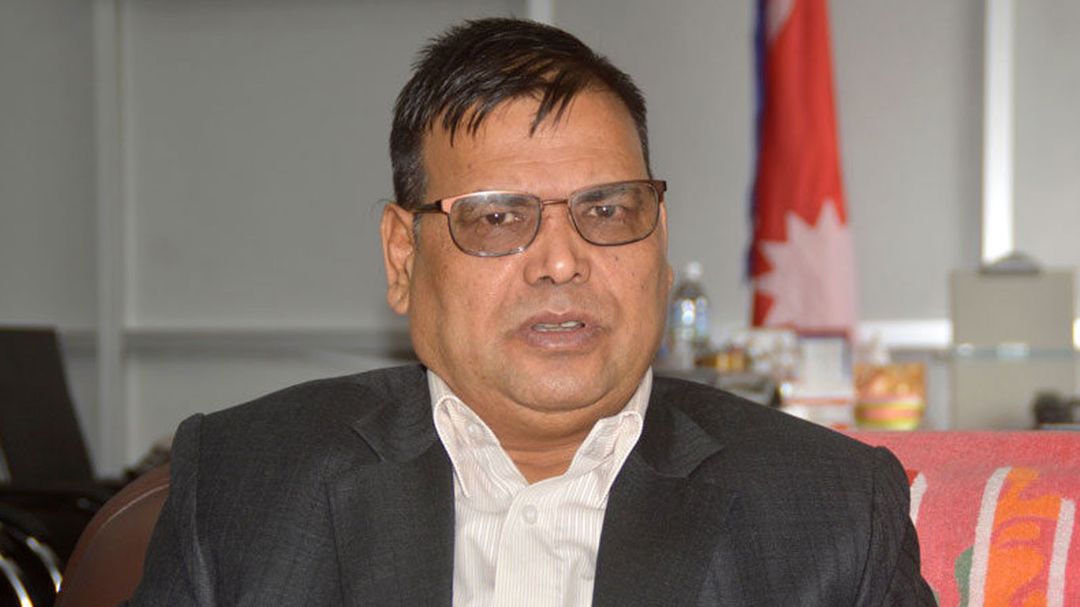
Krishna Bahadur Mahar/File photo
October 13, 2023: The Kathmandu District Court orders Rahul Mahara to be remanded in custody.
February 26, 2024: The Cabinet extends the gold investigation commission’s deadline until mid-March.
March 18, 2024: The Central Investigation Bureau arrests Krishna Bahadur Mahara in Kapilvastu. No formal case is filed at the time, and he is released on personal guarantee after recording his statement.
March 14, 2025: The Inquiry Commission on the Illicit Import of Gold submits its 485-page report to the government, recommending departmental action against Mahara and several other officials.
January 25, 2025: The Patan High Court upholds Rahul Mahara’s detention order, keeping him in jail.
October 12, 2025: The Central Investigation Bureau arrests former House Speaker Krishna Bahadur Mahara for alleged involvement in the gold smuggling case and formally charges him with organized crime.
October 15, 2025: The Kathmandu District Court remands Mahara in custody for trial; he is sent to Sundhara Central Jail.
November 27, 2025: The Patan High Court orders Mahara’s release on Rs 2 million bail.
April 9, 2026: The CIAA files a corruption case at the Special Court against Mahara, his son Rahul, joint secretary Arun Pokharel, and others, accusing them of facilitating gold smuggling concealed in vapes and causing damages of approximately Rs 77.86 million.
June 18, 2026: Mahara announces his resignation from all active party responsibilities, citing a progressive atrophy-related illness he has been battling for several years. Issuing a statement on social media, he says he will remain a general member of the NCP but that his deteriorating health has made it impossible to continue effectively. He clarifies that his decision carries no ideological or political dimension.