Kathmandu
Sunday, June 21, 2026





The Healing Outreach Spread Through Music by Singer-Doctor Suman Thapa
Why speak, I shall not speak,
The eyes will talk.
Without a trace, this heart and soul,
The eyes will unlock.
(Lyrics: Shrawan Mukarung, Music: Aabhas)
Listening to this song about the characteristics of the eyes feels even more meaningful when heard in the voice of an ophthalmologist. The singer who performs this song is Dr. Suman Thapa.
Although people often say not to step on two boats at once, Dr. Thapa did the exact opposite. By balancing two different fields, he did not just connect art and healthcare; he transformed both sectors into tools for social change.
Born in Kolkata and raised in the Durbar Marg area of Kathmandu, Thapa has no recollection of any specific reason for being drawn to music. For as long as he can remember, since his school days, music has lived within him. He says, “I used to sing and play instruments with my friends, and I thought I would make a career out of music. But things did not go as planned. Following my family’s wishes, I had to study MBBS.”
On one side was the study of ophthalmology, and on the other was the aspiration to build a career in music. In the beginning, his mind felt suffocated. Recalling those moments, Thapa says, “For some time, I became quite depressed.”
A significant turning point came into his life in 1998. While pursuing his postgraduate studies in India, he met friends who were doctors by profession but musicians by passion, just like him. It was then that he realized there were many others living in the same dilemma. Later, the idea of organizing a charity concert right at their college was born among those very friends.
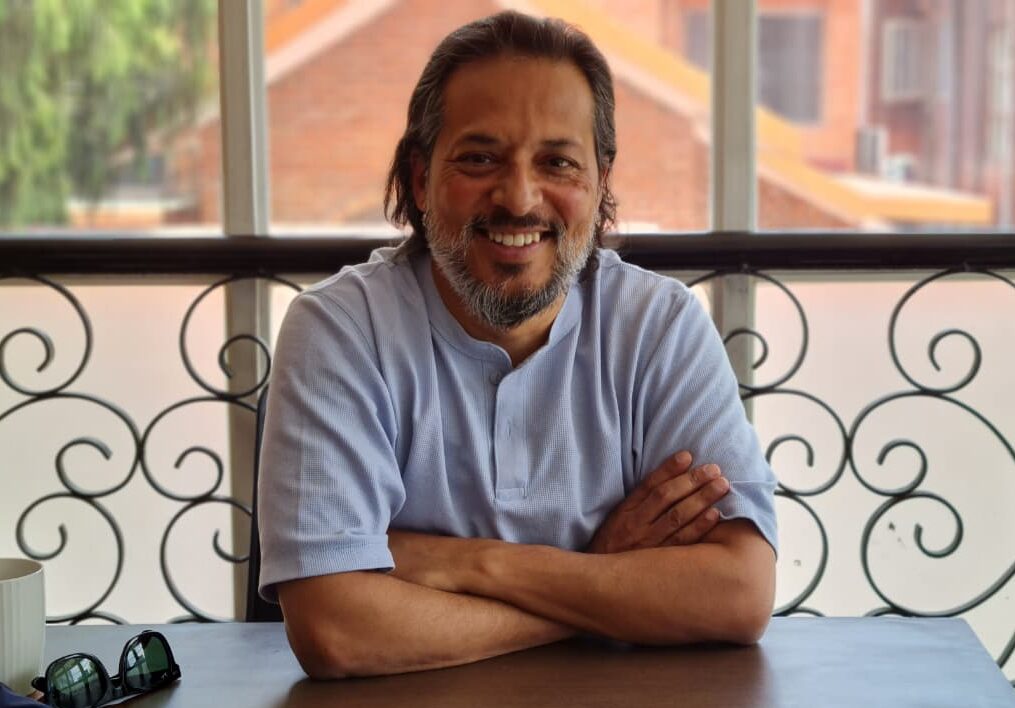
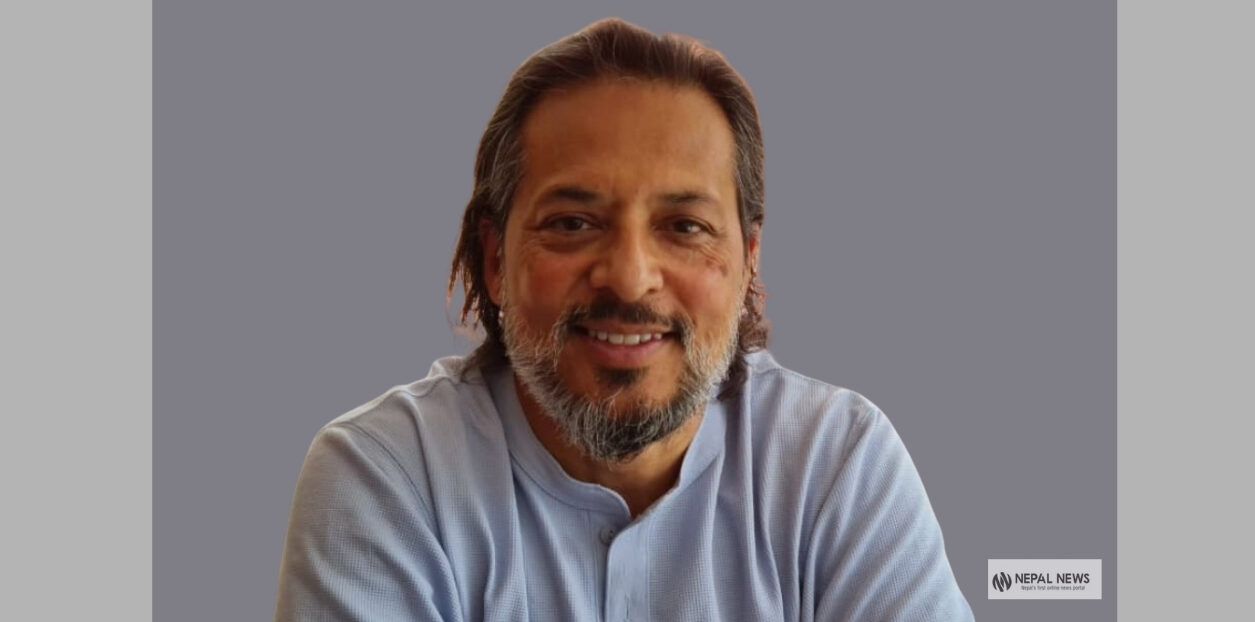
Dr. Suman Thapa
Thapa and his friends organized the concert together. They set the ticket price at thirty rupees. According to Thapa, around a thousand listeners attended the concert. “With the funds collected from that concert, we established a vision restoration fund for the visually impaired. At that time, I felt for the first time that music and medicine could be connected at a single point,” he says.
Thapa, who had kept his passion for music tucked away in a corner of his heart, finally found peace. Having gone to study eye treatment, it was only after that concert that he felt he could see clearly himself. The fund created from the concert organized under his leadership at the college still exists today. Whenever they get a chance, old college friends visit. The ‘musical jam’ still continues among them.
Treatment in remote areas through music
After returning from India, Thapa secured a position at the Tilganga Institute of Ophthalmology. He traveled to various parts of the country by participating in the health camps run by Tilganga. He kept traveling back and forth within the country and abroad in connection with his studies and work. During this period, even though he could not dedicate a lot of time specifically to music, he never distanced himself from it.
A major turning point in his life occurred after the 2015 earthquake. Thousands lost their lives due to the earthquake. On one hand, the earthquake damaged physical infrastructure across many districts, while on the other, it left a deep impact on the physical and mental health of countless individuals.
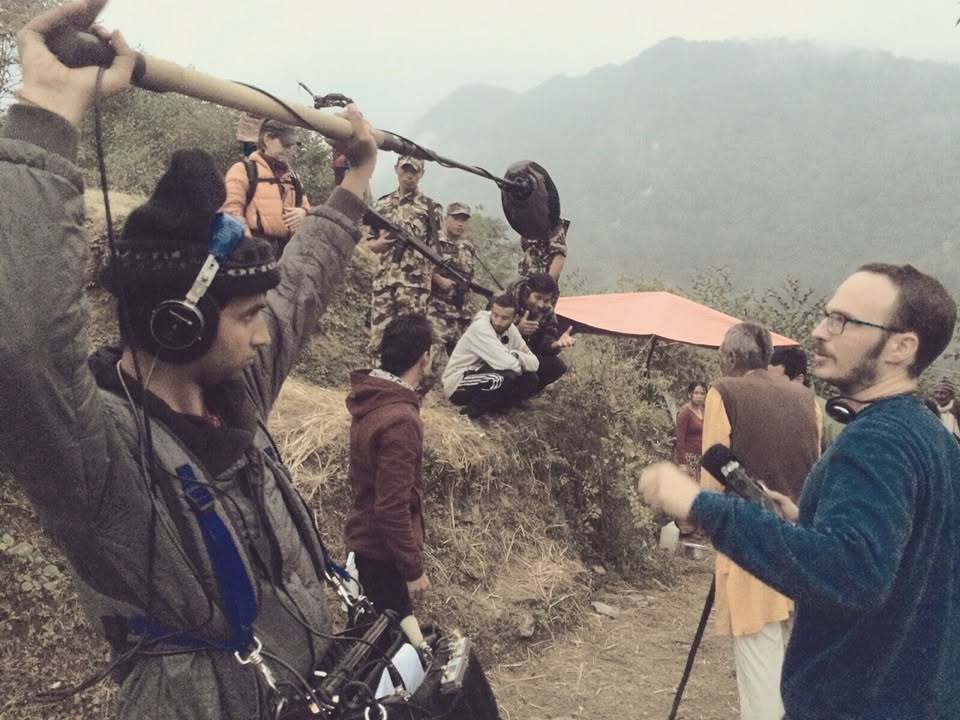
Distressed by this situation, Thapa and his friends began running health camps in the earthquake-affected areas. With the idea of running a health camp one day a month in accessible places near Kathmandu, this initiative advanced as a campaign. The group began visiting settlements living under the terror of the earthquake to engage children in various creative activities, as well as to distribute sanitation supplies, medicines, and other materials. Wherever they reached, they made music resonate as well.
Their work attracted other friends as well. As new friends joined, they came to the conclusion that a lot more could be achieved in healthcare services. This group of individuals sharing the same spirit of service and empathy decided to move forward institutionally after successfully completing 12 health camps. Following that, the non-profit organization ‘Ek Ek Paila’ (One Step at a Time) was born.
Dr. Thapa and his group run free health camps in remote areas through this organization. The funds required for this are raised through musical performances. Thapa says, “To turn music into an official medium of service, we established an organization named ‘Music for Medicine’.”
A portion of the proceeds from the concerts organized by ‘Ek Ek Paila’ and ‘Music for Medicine’ goes directly into the healthcare sector of that very area. The primary work of ‘Ek Ek Paila’ targets remote places like Karnali and Sudurpashchim.
‘Music for Medicine’ also provides financial support and scholarships to those who wish to study music but are unable to do so due to their family’s financial situation. It has also been providing music therapy to individuals with autism and those struggling with substance abuse.
Having conducted its first health camp in Chanaute, Sindhupalchok, ‘Ek Ek Paila’ has now organized nearly 40 camps across Nuwakot, Dolakha, Rasuwa, Manang, Dolpa, Humla, Mugu, and as far east as Taplejung. Driven by the sentiment that we must reach where the state has failed to reach, one step at a time, thousands of people have benefited from the camps run by Thapa’s group.
According to Dr. Thapa, ‘Ek Ek Paila’ operates with a philanthropic spirit, holding the belief that the institution is greater than any individual. He believes this very sentiment is the reason why so many people are eager to join the organization’s campaign today.
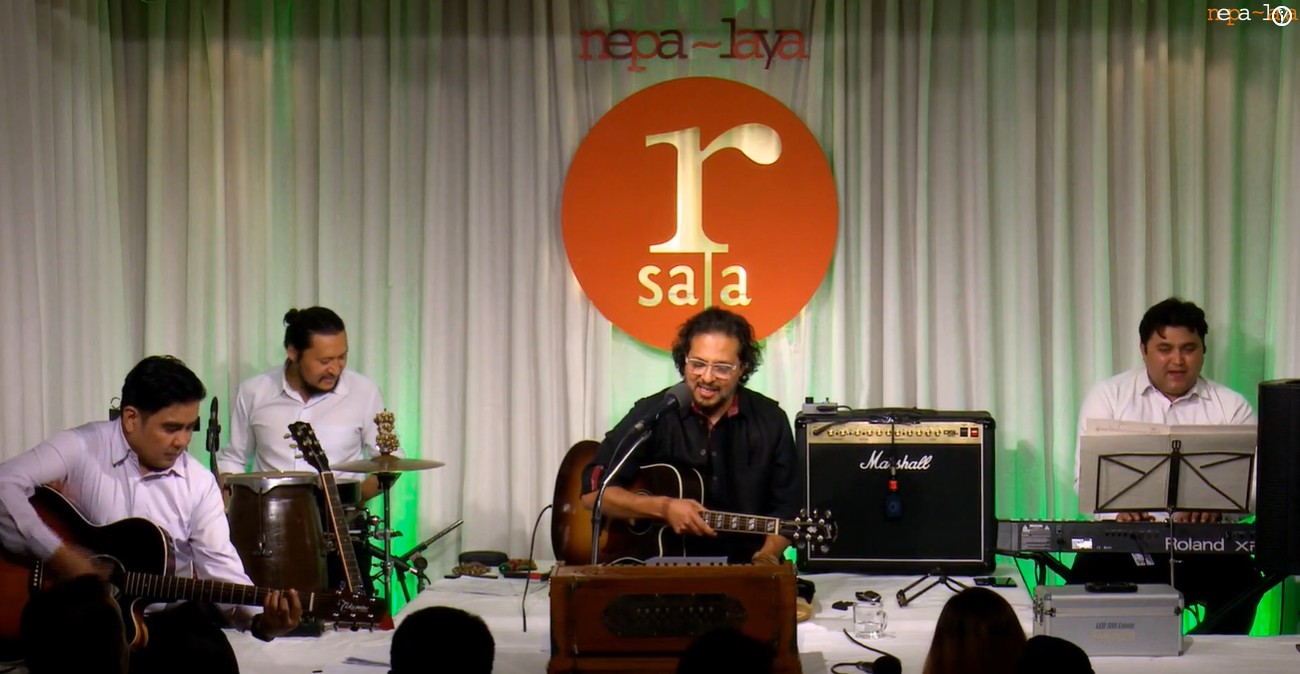
Caption: Dr. Suman Thapa. Photo Source: Paleti’s YouTube
One distinct element sets the health camps of ‘Ek Ek Paila’ apart, and that is music. In a journey spanning more than a decade, even though ‘Ek Ek Paila’ and ‘Music for Medicine’ are separate entities, they stand together like two feet moving as one. Recalling the health camps and reflecting on the power of music, Dr. Thapa says, “Even if just for a moment, music creates a shared platform. Whether a patient or a doctor, rich or poor, everyone forgets their sorrows and joys to celebrate together in one place.”
‘Ek Ek Paila’ and ‘Music for Medicine’ have also been spreading health awareness through music, utilizing local folk tunes. As a result, locals understand the messages clearly, while the promotion of folk melodies provides opportunities for local artists as well.
Thapa mentions that although he has been listening to, singing, and playing music since a young age, he is still amazed by the power of music witnessed during the camp concerts. He recalls, “An unforgettable incident I experienced was in Rukum. A small child who had come for treatment at the health camp was sitting very quietly and looking downcast in his mother’s lap. But as soon as the concert started, that very child stood up and began to dance. That made me believe that while science treats the disease, music heals the psychological state.”
Feeling that he had to distance himself from music—which felt like his closest friend—due to his medical profession, Thapa initially began organizing charity concerts. However, over time, he never imagined that the effort would take on such a grand form of service. At one point, he used to feel like abandoning his medical practice just to pursue music, but today, he views his work and his passion as his two eyes. He does not feel trapped by having become a doctor; instead, he finds deep satisfaction in knowing that he was able to do something meaningful for society. He says, “Music remains a financially challenging field even today. I believe it is precisely because I am a doctor that I am able to link music with social service in this manner. Had I been just a musician, I probably wouldn’t have been able to think about serving this way.”
Thapa is the first doctor from Nepal to earn a PhD in glaucoma. The majority of his time is spent treating patients who have lost their vision or whose sight is deteriorating. To date, he has performed surgeries on more than 60,000 patients, helping them view the world clearly. His musical journey continues alongside his medical practice. Associated with the Blue Fret band, he performs in musical programs from time to time. One group of people recognizes him by saying that this doctor sings songs too. Those who know him primarily through music call him the ‘Singer-Doctor’.
Dr. Thapa shares that he did not work out of sheer ambition, but rather, as he kept working from the heart, it naturally took on a grander scale. He harbors no specific ambitions or grand dreams for the future either. He says, “May I just be able to continue the work I am doing. If we keep taking one step at a time, other steps gradually add up on their own.”