Kathmandu
Monday, June 29, 2026






KATHMANDU: Nepal News presents today’s snapshot of Nepal’s economic activities. Get quick updates on major market movements, policy shifts, and financial developments shaping the economy of Nepal. Here are the key economic highlights for today:
NEPSE Drops by 16.54 Points to Close at 2,632.96 on Monday
The Nepal Stock Exchange (NEPSE) index declined by 16.54 points to close at 2,632.96 on Monday, extending last week’s downward trend. Daily turnover dropped to Rs 2.67 billion, with more than 7.6 million shares of 351 companies traded. Share prices of 240 companies fell, while only 29 gained and six remained unchanged. All 13 sectors closed lower, led by Non-Life Insurance with a 1.39% decline. Tushar Pikhuwakhola Hydropower posted the highest gain of 14.99%, while Swabhimaan Laghubitta recorded the steepest loss at 5.83%.
Upper House MPs Call for Policies to Achieve Food Self-Reliance
Members of the National Assembly have urged the government to prioritize agriculture and introduce policies to make Nepal self-reliant in food grains. Speaking during Monday’s session, lawmakers called for programs supporting poor, marginalized, and landless communities while promoting food and seed security. They also raised concerns over transparent university appointments, health insurance, drinking water access, caste discrimination, and the need to strengthen provincial governance. MPs stressed that agriculture should remain a national priority to boost food security and sustainable development.
Backlash Grows Over Proposed 1% Share Transfer Fee
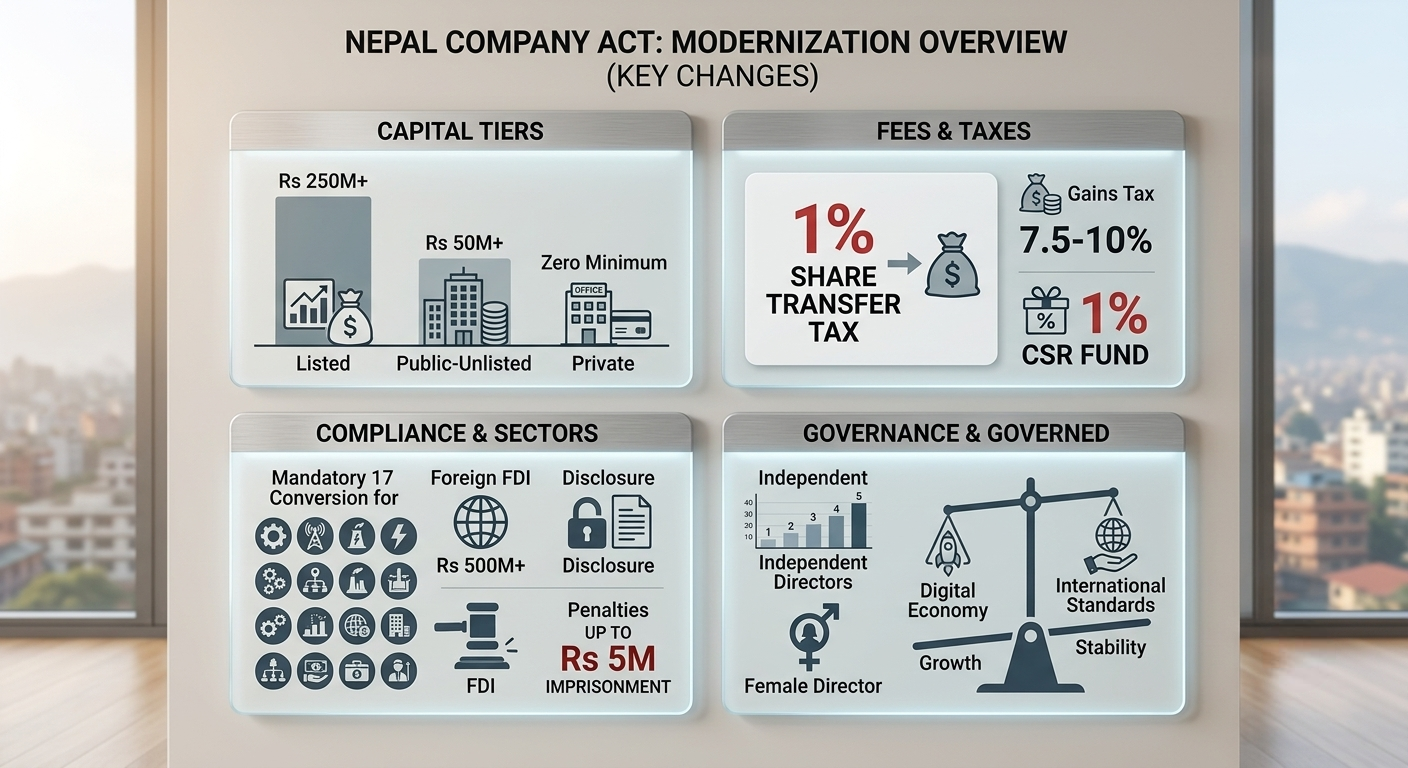
A proposed 1% transfer fee on share transactions exceeding Rs 2.5 million has sparked widespread concern among investors, contributing to a 16.54-point decline in the NEPSE index on Monday. The draft law would require brokers to collect the fee and deposit it into the Federal Consolidated Fund. Following strong criticism from market participants, officials clarified that the provision is only part of a draft released for public consultation and will be revised based on stakeholder feedback before the legislation is finalized.
Nepal Police Drives Over Rs 869 Million Revenue Collection in the Past Month
Nepal Police has facilitated the recovery and collection of over Rs 869.81 million in state revenue through enforcement actions, seizures, and legal executions during the period from mid-May to mid-June 2026. According to police headquarters, the amount was deposited into the state treasury through coordinated operations against various economic and criminal activities. The largest share came from customs evasion and smuggling, contributing Rs 413.73 million, followed by court verdict execution and fines at Rs 234.44 million and traffic violations at Rs 120.91 million. Other collections included illegal cash, gold and silver, counterfeit currency, timber, riverbed materials, wildlife smuggling, and Hundi transactions.
New SEBON Chief Takes Oath, Vows to Protect Investors’ Interests
Newly appointed Nepal Securities Board (SEBON) Chairman Gopal Prasad Bhatta took the oath of office and secrecy before Finance Minister Dr. Swarnim Wagle on Monday. During the ceremony at the Ministry of Finance, Wagle urged Bhatta to safeguard investors’ interests, strengthen confidence in the capital market, and submit time-bound reform plans with clear targets. He assured the new chairman of full government support and pledged there would be no interference in SEBON’s regulatory role. Bhatta reaffirmed his commitment to protecting investors, implementing capital market reforms, and promoting an efficient, transparent, and trustworthy securities market.
Nepal Marks National Paddy Day with Drones and Farm Machinery
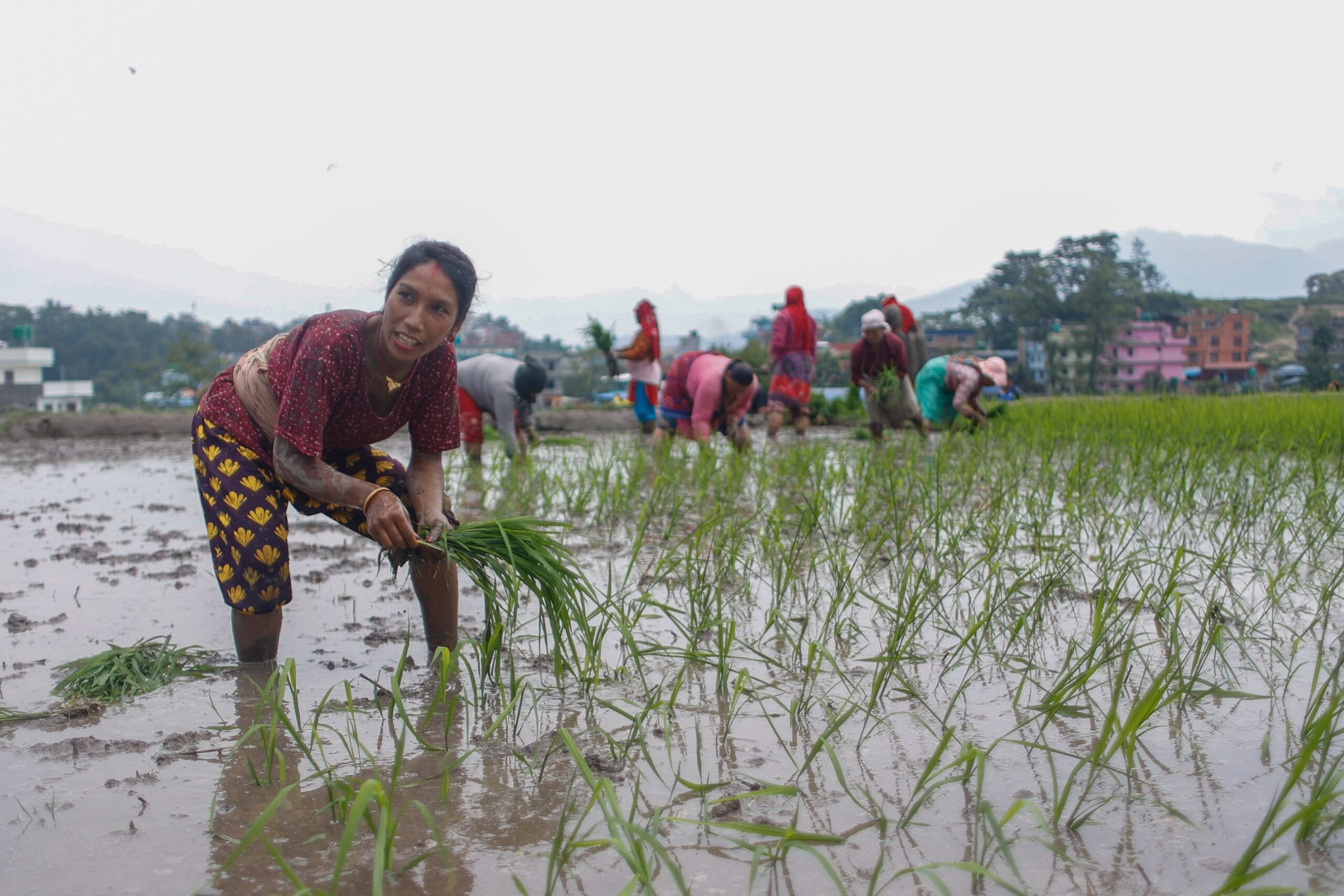
Nepal celebrated the 23rd National Paddy Day and Rice Planting Festival 2026 in Khumaltar, Lalitpur, showcasing drone-assisted fertilizer application and mechanized rice planting. Inaugurating the event, Agriculture Committee Coordinator Ashok Kumar Chaudhary stressed the need for fair support prices, irrigation, technology, and insurance to achieve food self-reliance. Officials and agricultural experts highlighted climate-resilient seeds, mechanization, and structural reforms to boost rice production. The event concluded with awards recognizing outstanding farmers, researchers, organizations, and journalists for their contributions to Nepal’s rice sector.
Finance Minister Wagle Says New Budget Is Nepal’s Most Disciplined in 12 Years
Finance Minister Dr. Swarnim Wagle has claimed that the newly introduced budget is the most fiscally disciplined budget Nepal has seen in the past 12 years. Speaking during Monday’s National Assembly meeting on the Appropriation Bill, 2026, Wagle said the budget size accounts for only 28.5% of the country’s projected economy, making it proportionally the smallest and most tightly managed in over a decade. Wagle urged lawmakers not to doubt budget implementation, saying the government has reduced bureaucratic delays by giving line ministries more authority over budget transfers. He also defended new taxes on education, healthcare, and electricity, saying they were introduced in the public interest. The National Assembly later approved the proposal to consider the Appropriation Bill, 2026.
Auditor General Toyam Raya Calls for Financial Autonomy to Improve Audit Quality
Auditor General Toyam Raya has emphasized the need for financial and organizational autonomy to improve the quality of public auditing in Nepal. Speaking at a program marking the 68th anniversary of the Office of the Auditor General (OAG) on Monday, Raya highlighted the challenges facing fiscal oversight and the need for stronger institutional capacity. Raya said information technology has helped make audits more systematic, transparent, and effective but stressed the need for further improvements and additional resources to strengthen digital infrastructure. He added that the OAG has restructured its workflow to meet rising public expectations and enhance trust through high-quality audit reports.
Agriculture Minister Stresses Climate-Friendly Technology for Rice Self-Reliance
Minister for Agriculture, Forests and Environment Geeta Chaudhary has emphasized the need for modern technology, research, and collaboration among stakeholders to tackle climate change and achieve self-reliance in rice production. In her message for the 23rd National Paddy Day and Paddy Plantation Festival 2083, she said the slogan “Climate-Friendly Technology, Self-Reliance in Rice, and Prosperity” reflects current agricultural needs. Chaudhary noted rice is Nepal’s staple food and is deeply linked with culture and tradition. She stressed conserving local and wild rice varieties, expanding cultivation, improving irrigation, ensuring fair prices, and reducing dependence on rice imports through improved productivity.
Govt Unable to Invest Immediately in Aviation Sector: Tourism Minister
Culture, Tourism, and Civil Aviation Minister Khadak Raj Paudel said the government is currently unable to make immediate financial investments in Nepal’s aviation sector. Speaking at an interaction on aviation stability and safety on Monday, he stressed that while aviation is vital for economic growth and tourism, the government’s priority is fostering collaboration rather than direct funding. Paudel also said efforts are underway to strengthen policy, legal, and safety standards to help remove the European Union’s airspace ban on Nepali airlines.
Industry Ministry Launches Real-Time Dashboard for Registration Data
The Ministry of Industry, Commerce, and Supplies has launched a new digital dashboard to provide the public with real-time information on company, industry, and firm registrations across Nepal. Initiated under the leadership of Minister for Industry, Commerce, and Supplies Gauri Kumari Yadav, the platform will offer daily updates on registration data. The ministry said the dashboard will help address previous challenges in accessing accurate statistics on registered and operating businesses. The initiative aims to improve transparency and keep citizens informed about the ministry’s services and daily operations.
German Ambassador Visits EcoHimal Center Promoting Sustainable Agriculture
German Ambassador Udo Volz, accompanied by the German Development Cooperation (GDC), visited EcoHimal Nepal’s Agroforestry Resource Center in Patlekhet, Kavre, to observe efforts promoting sustainable agriculture and climate resilience. The delegation learned about the center’s Gurukul-inspired approach, which combines indigenous knowledge with sustainable farming practices to strengthen farmers’ resilience. EcoHimal Nepal, active in the country’s hilly and mountainous regions since 2009, supports community-based development through practical, sustainable solutions with backing from several German development partners.
Australian Ambassador, Wife Join Nepal’s Paddy Planting Festival
Australian Ambassador to Nepal Simon Ernst and his wife, Simone Murphy, participated in the annual Paddy Planting Festival, celebrating the start of the monsoon paddy cultivation season. The couple joined traditional rice planting activities and enjoyed Newari cuisine during the event. Ambassador Ernst also extended his best wishes to farmers across Nepal, hoping for a successful and bountiful planting season. Their participation highlighted cultural exchange and appreciation for Nepal’s agricultural traditions.
Koshi Province Cabinet Appoints Anil Thapa to Planning Commission
The Koshi Province Council of Ministers has appointed Anil Thapa of Barahachhetra Municipality-2, Sunsari, as a member of the Koshi Province Planning Commission. The decision was made during a cabinet meeting held on Monday. Following the appointment, Chief Minister Hikmat Kumar Karki administered Thapa’s oath of office and secrecy. The provincial government said Thapa’s appointment will help strengthen the commission’s planning process and improve the effective implementation of development programs.
Tehrathum Honors Six Outstanding Farmers on National Rice Day
The Agriculture Knowledge Centre in Tehrathum honored six outstanding paddy farmers on the occasion of the 23rd National Rice Day. The farmers were recognized during a special event held in Khalde, Myanglung Municipality-10, and each received a cash prize of Rs 4,000 along with a certificate of appreciation. The awardees included Chandra Bahadur Limbu, Prem Bahadur Karki, Rudra Bahadur Karki, Rajendra Kumar Dangi, Devendra Khawas, and Dambar Bahadur Karki, representing six local levels of the district. Tehrathum has 66.15 million square meters of land dedicated to rice cultivation, with paddy planted on 21.88 million square meters as of Asar 15 this year. Farmers mainly cultivate the local Bekkuti variety, while improved varieties such as Khumal-4 and Khumal-10 are also gaining popularity.
Mahashila Rural Municipality Earns Over Rs 80 Million from Agriculture Sales
Mahashila Rural Municipality in Parbat has generated over Rs 80 million in revenue from vegetable and livestock sales over the past 20 months. According to local officials, 883 farmers across six wards contributed to the income through the sale of vegetables, goats, indigenous chickens, and milk, supplied mainly to Kushma, Syangja, and Pokhara. The municipality has provided subsidies of Rs 5 per kg on vegetables, Rs 25 per kg on meat, and Rs 10 per liter on milk. It has also distributed weighing scales and supported livestock shed construction with 50 percent subsidies. Farmers report annual incomes ranging from Rs 200,000 to Rs 1 million.
Bharatpur Irrigation System Hit by Canal Encroachment
Canal encroachment and rapid urbanization have disrupted irrigation for around 140,000 square meters of farmland under the Narayani Lift Irrigation System in Bharatpur. Officials said nearly 20 kilometers of branch canals have been converted into roads, reducing water flow and causing monsoon flooding due to blocked drainage. The system, built with Asian Development Bank support, began operations in 1983 and serves several wards of Bharatpur Metropolitan City. Modernization efforts are underway with four new pumps funded by a Rs 200 million provincial grant, expanding irrigation coverage to around 70 million square meters.
Cargo Vehicle Movement Suspended for Two Days at Rasuwagadhi Border Bridge
The movement of cargo vehicles has been suspended for two days at the Miteri Bridge in Rasuwagadhi, a key Nepal–China border point in Rasuwa district. Authorities said the temporary halt is being carried out to assess the safety of the Bailey bridge installed after the original structure was washed away by flooding in Lhende Khola last year. Chief District Officer Rajesh Panthi said the suspension is part of a technical inspection to determine whether the bridge can safely handle vehicular traffic during the upcoming monsoon season. He added that local residents and pilgrims traveling to Kailash Mansarovar will not be affected. Officials said freight movement between Nepal and Kerung has been restricted during the inspection, and regular operations will resume after safety clearance.
Pig and Fish Farming Becomes Main Source of Income
Tej Bahadur Chaudhary of Shuklaphanta Municipality-8 has turned Duroc pig and fish farming into a profitable business alongside his job as an accountant at Siddhanath Secondary School. He earns more than Rs 700,000 annually through the venture. After starting pig farming five years ago, he sold 60 piglets and three mother pigs this year while maintaining 15 breeding pigs. Fish farming contributes about Rs 200,000 to his annual income. Chaudhary says the business has enabled him to build a house, support his children’s education, and cover household expenses, with his wife managing the farm during the day while he works at the school.
Gold and Silver Prices Decline in Nepali Market
Gold prices in the Nepali market fell on Monday, with fine gold dropping by Rs. 1,400 per tola. According to the Federation of Nepal Gold and Silver Dealers’ Association, fine gold, which was priced at Rs. 283,800 per tola on Sunday, decreased to Rs. 282,400 per tola. Silver prices also saw a slight decline, falling by Rs. 15 per tola. The price of silver, which stood at Rs. 4,325 per tola on Sunday, dropped to Rs. 4,310 per tola on Monday. The decrease reflects a general downward trend in precious metal prices in the domestic market.