Kathmandu
Friday, July 3, 2026





The Ministry of Industry, Commerce and Supplies' Institutions Profile 2026 examines 24 state-owned public enterprises, revealing a sharp contrast between profitable institutions and struggling state-owned industries burdened by ageing infrastructure, mounting losses and delayed reforms.
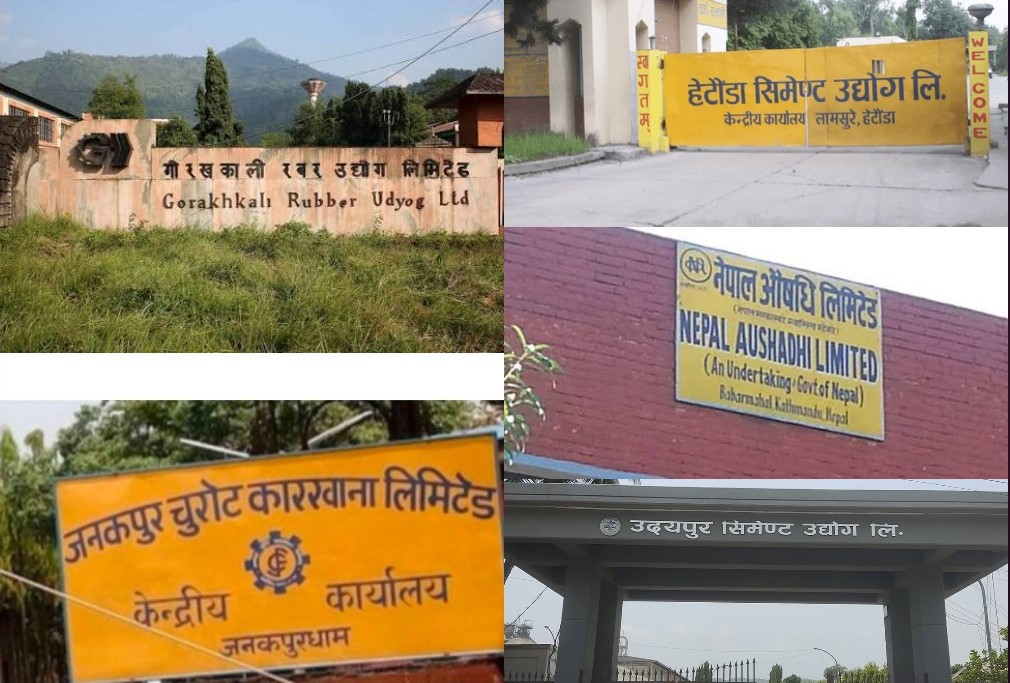
KATHMANDU: The Ministry of Industry, Commerce and Supplies released the “Institutions Profile 2026,” detailing 24 public enterprises. Some like Nepal Oil Corporation report strong assets and profits. Others like Udayapur Cement face heavy losses due to old machinery and low capacity.
The report covers establishment, objectives, boards, shareholding, assets, staffing, problems and future plans, highlighting the need for reforms.
What is the overall picture of public enterprises under Nepal’s Ministry of Industry, Commerce and Supplies according to the profile?
The profile provides a structured and comprehensive overview of 24 public enterprises managed by the Ministry of Industry, Commerce and Supplies. These institutions include a wide variety of organizations engaged in manufacturing such as cement production, pharmaceutical manufacturing, rubber and cigarette making, iron ore exploration and processing, food management and trading, as well as service-oriented bodies like industrial zone management, intermodal transport development, and specialized productivity centers.
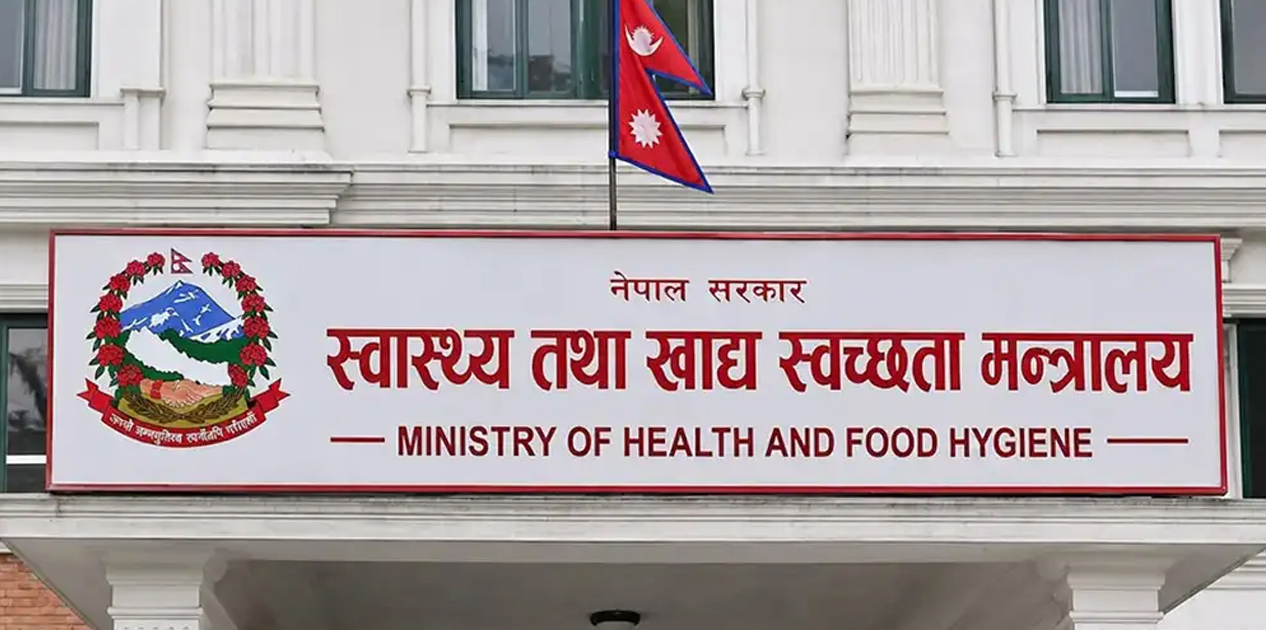
Ministry of Industry, Commerce and Supplies
The performance across these entities is distinctly mixed, reflecting both notable achievements and serious ongoing difficulties. On the positive side, certain enterprises demonstrate strong commercial viability. Nepal Oil Corporation stands out with large-scale operations in petroleum import, storage, and distribution, supported by substantial total assets and profitability aided by price adjustment mechanisms.
Industrial District Management Limited reports accumulated profits and successfully administers multiple industrial zones by providing developed land, roads, electricity, water, and other utilities to industries. Bishal Bazar Company and Nepal Transit & Warehousing Company Ltd also show positive financial indicators.
These successes are driven by clearer commercial mandates, revenue generation through service fees and leasing, relatively better asset utilization, and operational practices that allow some responsiveness to market conditions.
In sharp contrast, numerous manufacturing units are in financial distress. Udayapur Cement Industries Limited operates at approximately 5% of installed capacity, resulting in production costs that exceed selling prices and accumulated losses of Rs 2.83 billion as per FY 2022/23 financial statements.
Contributing factors include reliance on 30-year-old machinery that is expensive to maintain, severe working capital shortages disrupting raw material procurement and daily administration, high numbers of retirements weakening technical and administrative capabilities, and the burden of full compliance with government policies and procurement rules that reduce competitiveness against private sector players.
Similar challenges affect Hetauda Cement and Nepal Aushadhi Limited in pharmaceuticals, the latter reporting significant accumulated losses despite WHO GMP certification and production of essential medicines. Several factories such as Janakpur Cigarette Factory (closed since 2013 following cabinet decisions regarding staff retirement and asset protection) and Gorakhkali Rubber Industries remain completely non-operational, with valuable land, buildings, and equipment lying idle and representing locked public capital without generating revenue or employment.
Common systemic problems highlighted throughout the profile include outdated physical infrastructure requiring major rehabilitation, funding constraints for activities like mine renewal, human resource gaps due to retirements without timely replacements, and underutilization or poor maintenance of substantial immovable assets such as land holdings and warehouses.
Most institutions feature predominant or full government shareholding channeled through various ministries and departments, with board structures typically chaired by joint secretaries or equivalent senior officials.
While these public enterprises hold strategic importance for domestic production, supply security, industrial development, and essential services, the report makes it clear that realizing their full potential requires targeted interventions including capital investment, technological modernization, increased operational autonomy, improved human resource management, and prompt, decisive actions on chronically loss-making or closed units through options like public-private partnerships or asset redeployment.
The profile ultimately serves as both a diagnostic tool revealing structural weaknesses and a roadmap emphasizing result-oriented reforms, digitalization, and commercialization to better protect and leverage decades of public investment for stronger economic contributions.
How is Nepal Oil Corporation performing financially and operationally?
Nepal Oil Corporation Limited, established on January 10, 1970 with headquarters in Teku, Kathmandu, functions as a key trading enterprise under the Company Act. Its main objectives are the import, transportation, storage, and distribution of petroleum products such as petrol, diesel, mobil, lubricants, kerosene, grease, aviation fuel, and LPG.
The corporation plays a vital role in ensuring national energy supply. Financially, it maintains one of the strongest positions among the 24 profiled institutions, with total assets reaching approximately Rs 53 billion according to audited financial statements. This includes substantial fixed assets like land, office buildings, storage depots, pipelines, and related infrastructure. Healthy cash and bank balances support ongoing operations.
Nepal Oil Corporation Limited
Profitability has been sustained through the implementation of a systematic price adjustment mechanism that helps manage costs amid international market fluctuations. Operationally, the corporation manages a complex nationwide network of storage facilities, transportation logistics, and retail outlets, ensuring reliable supply to consumers and industries.
The board is chaired by the Secretary of the Ministry of Industry, Commerce and Supplies, with members including representatives from the Finance Ministry, standards department, commerce department, and an invited representative from the official trade union. Shareholding is overwhelmingly by government entities, with the Finance Ministry holding the largest portion at around 73.81%.
The profile notes successful efforts in supply chain management, infrastructure maintenance, and customer service improvements at fuel stations. Challenges include handling demand variations, expanding storage capacity to meet growing needs, and ensuring environmental compliance in fuel handling and distribution. Looking ahead, the corporation is focusing on modernization of facilities, digital systems for better inventory management, and potential diversification into cleaner and alternative fuels.
Nepal Oil Corporation serves as a prominent example in the profile of how a public enterprise can achieve financial sustainability and operational effectiveness when equipped with appropriate commercial tools and market-responsive policies.
Its performance provides valuable lessons for other entities struggling with losses and highlights the potential for public enterprises to contribute significantly to government revenue and national energy security when structural enablers are in place. Continued focus on efficiency and infrastructure development will be important for sustaining these results in the coming years.
What are the major challenges facing Udayapur Cement Industries Limited?
Udayapur Cement Industries Limited was established on May 16, 1988 in Udayapur district with the objective of producing and selling quality cement to meet domestic demand. Despite its strategic importance for the construction sector, the company is confronting severe operational and financial challenges as outlined in the profile.
Current production is limited to roughly 5% of installed capacity, which has driven per-unit production costs significantly above market selling prices. This has resulted in accumulated losses of Rs 2.83 billion according to FY 2022/23 financial statements.
The root technical problem is heavy reliance on machinery and equipment that is approximately 30 years old, making regular maintenance extremely difficult, costly, and often ineffective. Working capital shortages create a vicious cycle by preventing timely procurement of raw materials and disrupting day-to-day administrative functions.
A large number of experienced employees have reached retirement age, leading to critical gaps in technical know-how and administrative capacity that are not being filled promptly. As a government-owned company, it must adhere strictly to all policies, rules, and procurement procedures, which adds to costs and reduces flexibility in competing with private cement producers who operate with greater agility.
Mine renewal processes have also been stalled due to lack of funds. The board is chaired by a Joint Secretary from the Ministry of Industry, Commerce and Supplies, with other members from Finance and related departments. Government investment includes equity of around Rs 3.38 billion and additional loan financing.
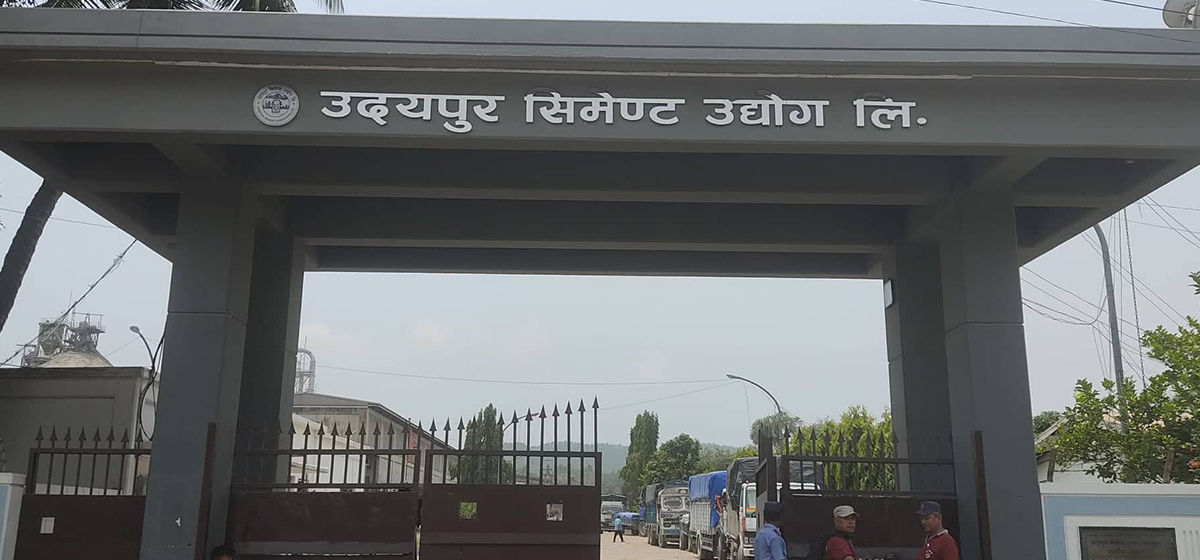
Udayapur Cement Industries Limited
The profile clearly indicates that turning the company around will require substantial capital infusion for machinery replacement and rehabilitation, working capital support, mine development, and possibly broader management and operational restructuring.
Without such interventions, the enterprise risks further deterioration, despite its potential to contribute to national self-reliance in cement production. These challenges are representative of broader problems faced by several public manufacturing enterprises in the report.
Which institutions are reported as profitable, and what contributes to their success?
The profile identifies institutions with positive financial performance, including Nepal Oil Corporation, Industrial District Management Limited with accumulated profit of Rs 1.09 billion, Nepal Transit & Warehousing Company Ltd and Bishal Bazar Company Limited.
Industrial District Management Limited, established in 1984, manages several industrial districts in locations such as Balaju, Patan, Hetauda, and others. It provides integrated facilities including developed land, roads, electricity, water supply, drainage, and other infrastructure to industrial units. Its success is attributed to revenue from land leasing at reasonable rates, service charges, and efficient management of extensive assets exceeding Rs 56 billion in total.
The entity has emphasized service delivery improvements, regulatory simplification, and digitalization of processes. Nepal Oil Corporation benefits from its large-scale operations and pricing mechanisms. These profitable entities generally enjoy clearer commercial mandates, ability to generate income through user fees and leasing arrangements, better utilization of physical assets, and operational frameworks that permit some market responsiveness.
The profile contrasts their performance with that of traditional manufacturing units constrained by outdated technology, capital shortages, and rigid structures. This demonstrates that when public enterprises are structured around service provision and commercial principles, they can generate returns on government investment and support broader economic goals. Sustaining success will require continued investment in infrastructure, skill development, and adaptation to industry needs.
What is the status of closed or non-operational factories like Janakpur Cigarette and Gorakhkali Rubber?
Janakpur Cigarette Factory Limited, established on January 10, 1970 in Janakpur, has been in closed status for many years. Following cabinet decisions in 2013, staff retirement processes were initiated and the operating board dissolved, with a ministry official appointed for management.
The factory’s land holding of 224,715.84 square meters along with buildings and equipment is under district administration for protection, with provincial government involvement. Production has stopped and machinery is in poor condition. Gorakhkali Rubber Industries is also fully closed with outdated assets.
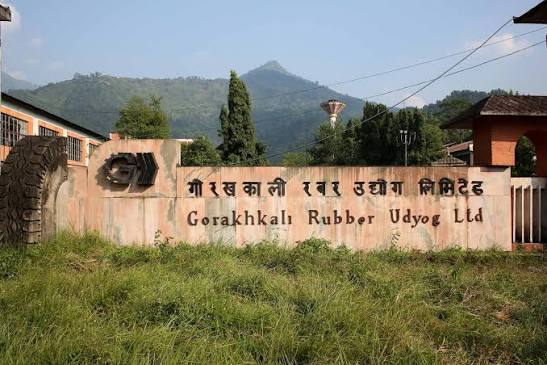
Gorakhkali Rubber Industries
These situations result in complete halt of production activities while government equity and physical assets remain tied up without generating revenue or employment. The profile points to the need for concrete government decisions on whether to revive operations, pursue public-private partnership models, or explore alternative commercial uses for the land and infrastructure to prevent further asset degradation and opportunity costs.
Prolonged closure increases dependence on imports for related products and represents inefficient use of public resources. Similar conditions apply to other closed units in the textile and jute sectors listed in the report. Addressing these legacy issues is a key recommendation emerging from the profile.
How significant are accumulated losses in cement and pharmaceutical sectors?
Accumulated losses in the cement and pharmaceutical sectors are substantial and concerning. Udayapur Cement has accumulated losses of Rs 2.83 billion as per FY 2022/23. Hetauda Cement also carries significant losses and faces production constraints including clinker shutdowns. Nepal Aushadhi Limited reports accumulated losses of approximately Rs 2.06 billion despite obtaining WHO GMP certification and maintaining production of essential medicines such as paracetamol, oral rehydration salts, and sanitizers, with additional R&D completed for other drugs.
The causes include outdated machinery, limited production scale leading to high costs, procurement policy hurdles especially for government purchases, market competition, and financial constraints for modernization. These enterprises were established with goals of import substitution and ensuring supply of essential goods but are currently not achieving financial viability.
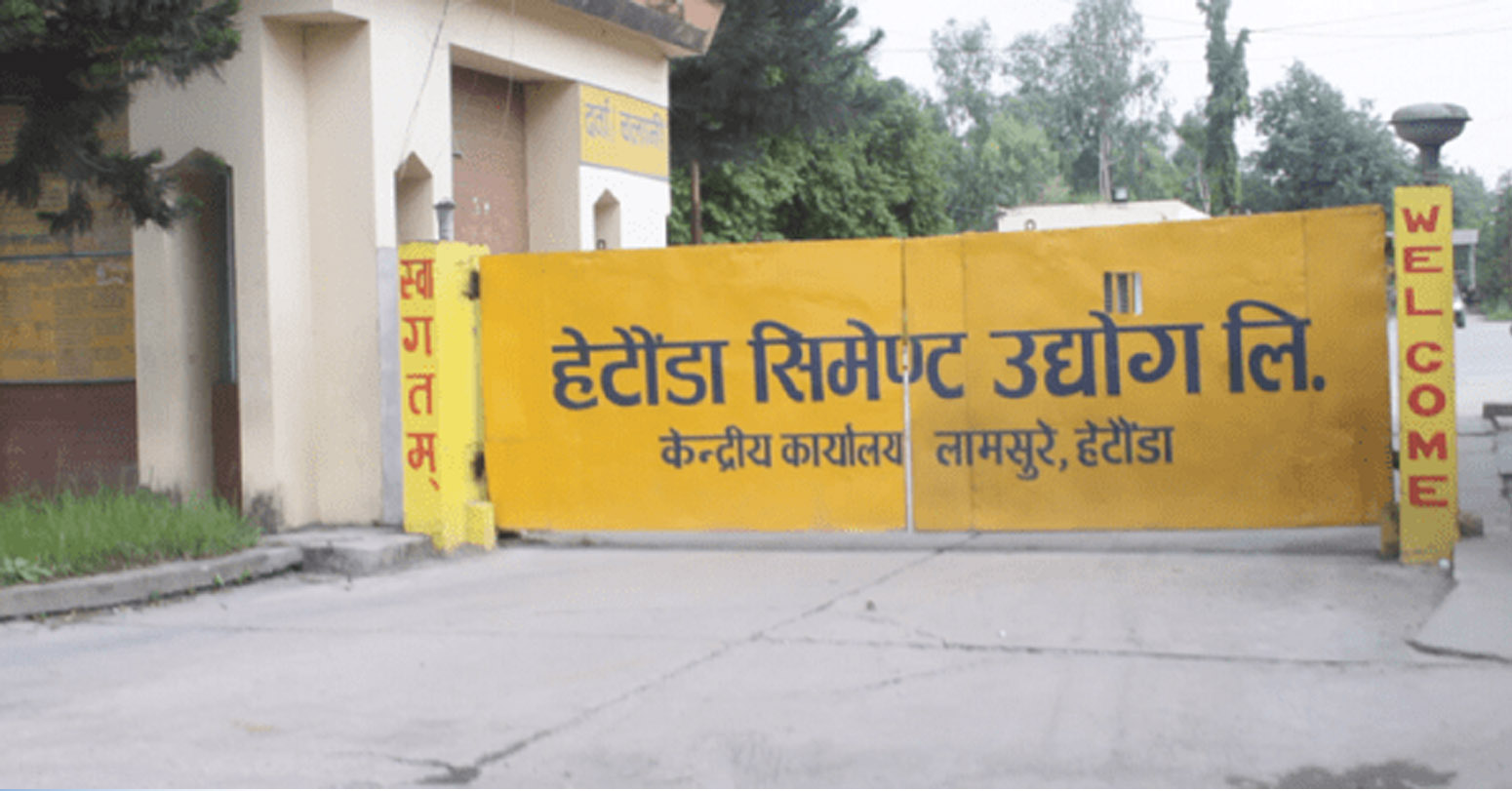
Hetauda Cement
Government investment in these sectors is considerable, yet the returns are negative, locking resources that could be used elsewhere. The profile underscores the need for technology upgrades, increased production diversification, better inter-ministerial coordination, and policy reforms to enable these strategic units to fulfill their mandates effectively and reduce losses over time.
What role does land and fixed assets play in these public enterprises?
Land and fixed assets play a major but often underutilized role in these public enterprises. Industrial District Management Limited controls extensive land resources across multiple zones, valued at tens of billions, providing developed plots to industries. Nepal Oil Corporation holds fixed assets exceeding Rs 53.04 billion, including depots, land, buildings, and storage infrastructure. Food Management and Trading Company has total assets over Rs 5 billion including warehouses and other facilities.
These assets represent decades of government investment and form the backbone for operations in industrial development, energy supply, and food security. However, the profile frequently mentions challenges such as maintenance backlogs due to funding shortages, occasional encroachment, and overall underutilization because parent enterprises face operational constraints.
Effective management, record digitization, protection measures, and where appropriate commercial leasing or redevelopment could unlock significant value and improve financial health of the institutions. The report emphasizes that better asset utilization strategies are essential for long-term sustainability of the public enterprise sector.
What are the staffing issues across these institutions?
Staffing issues are a recurring theme across the profiled institutions. Many entities have notable gaps between approved posts and currently filled positions. Regular retirements of experienced staff without corresponding timely recruitments have led to shortages of technical and administrative expertise, particularly evident in manufacturing units like cement factories.
Closed or low-operation factories still carry legacy staffing liabilities and costs. Government recruitment processes are often slow and constrained by budgetary and procedural requirements, making it difficult to attract specialized talent under existing pay structures. The profile mentions ongoing efforts in some institutions for cadre review, performance incentives, voluntary retirement schemes, and digital HR record systems.
Addressing human resource challenges through rationalization, training, and better incentives is presented as crucial for improving productivity, implementing modernization plans, and ensuring effective service delivery across the public enterprises.
How does government shareholding structure look across the enterprises?
Government shareholding is dominant across nearly all enterprises. In Nepal Oil Corporation, government ministries and entities hold almost all shares, with the Finance Ministry at approximately 73.81%. Udayapur Cement and most manufacturing units are fully or majority government owned. Dhaubadi Iron Company has a mixed structure with government-related entities at 55% and private participation at 45%.
Nepal Orient Magnesite has 75% government shares. Boards are generally chaired by ministry officials. This structure ensures policy coordination and public interest alignment but can sometimes limit commercial decision-making speed and flexibility.
The profile shows some entities have provisions for private sector involvement to bring in expertise and capital while retaining government control. Overall, the shareholding patterns reflect the strategic public nature of these institutions.
What future directions are suggested for underperforming enterprises?
Future directions for underperforming enterprises include technology and machinery upgrades, provision of adequate working capital, policy reforms to grant greater operational autonomy, exploration of public-private partnership models, monetization or redevelopment of assets for closed units, and adoption of digital systems for management and service delivery.
The profile stresses the importance of result-based management practices, employee skill development programs, and timely government decisions on the future of chronically loss-making entities. For industrial zones and service bodies, priorities are new zone development, infrastructure improvement, and regulatory streamlining. These measures aim to reduce losses, enhance efficiency, and better utilize public investments.
What is the situation with Dhaubadi Iron Company?
Dhaubadi Iron Company Limited, established on September 26, 2019, is in the development and exploration phase for iron ore in Dhaubadi area of Nawalparasi district. Current activities include geological mapping, sample collection, drilling (over 1682 meters completed with more ongoing), feasibility studies, environmental impact assessment preparation, and mining scheme development.
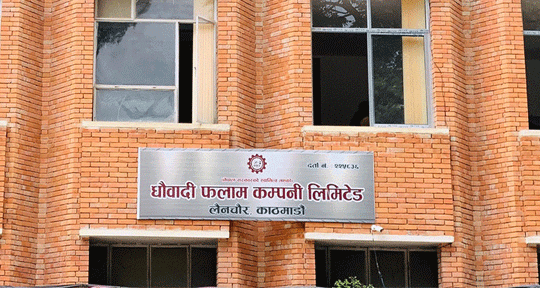
Dhaubadi Iron Company Limited
Government equity investment is around Rs 3.17 billion. No commercial production has started yet. Challenges include land acquisition, electricity transmission line extension, access road construction, skilled manpower availability, and budget management.
The company represents long-term potential for domestic steel production but requires continued funding and resolution of infrastructure bottlenecks to move to production stage.
How is the Food Management and Trading Company contributing to national food security?
The Food Management and Trading Company Limited, established in 2019, contributes to food security by maintaining buffer stocks (over 15,000 MT in national reserves), supplying remote and crisis-prone areas, procuring and distributing food grains at supported prices, and managing warehouses.
It has total assets exceeding Rs 5.2 billion. Operations include emergency distributions and price stabilization efforts. Challenges involve delayed reimbursements from government programs and competition in procurement.
Future plans focus on market expansion, construction of modern storage facilities, diversification of products, and digital record systems. The company plays a key role in implementing national food policy.
What challenges are common across most institutions?
Common challenges include outdated machinery increasing costs and reducing efficiency, chronic working capital shortages, difficulties in raw material procurement and mine renewal, staffing gaps from retirements, strict regulatory compliance raising costs versus private competitors, poor maintenance of assets, and limited operational autonomy.
Many entities lack modern technology and commercial orientation. The profile recommends addressing these through investment, policy reforms, and management improvements to enhance viability.
What is the role of Nepal Intermodal Transport Development Committee?
The Nepal Intermodal Transport Development Committee, established in 1998, facilitates foreign trade through management of dry ports and integrated check posts at locations like Birgunj, Bhairahawa, Kakarbhitta, Tatopani, and Chobhar. Several terminals are operational with construction ongoing at others.
It focuses on service improvement, digitalization, and infrastructure development. Challenges include institutional stability as a development committee. Future plans involve new facilities at border points and standard operating procedures for better efficiency.
Why is modernization critical for these public enterprises?
Modernization is critical to lower production costs, raise capacity utilization, improve product quality and competitiveness, maintain and upgrade infrastructure, attract skilled staff, and fully utilize valuable land and assets.
Outdated equipment is a primary driver of losses in manufacturing units. Adopting new technology, digital systems, and professional management practices can help turn around financial performance and ensure these enterprises fulfill their strategic roles effectively.
What key takeaway emerges from the 2026 Public Enterprises Profile?
The key takeaway from the 2026 profile is that while some public enterprises like Nepal Oil Corporation deliver strong results through commercial operations, many legacy manufacturing units are in deep losses or closed due to structural problems like old technology, capital shortages, and governance issues.
Significant public investment is at risk without urgent reforms, investment in modernization, increased autonomy, and clear decisions on non-performing assets via PPP or other models.
The report calls for result-oriented strategies to improve efficiency and economic contribution.