Kathmandu
Wednesday, July 8, 2026





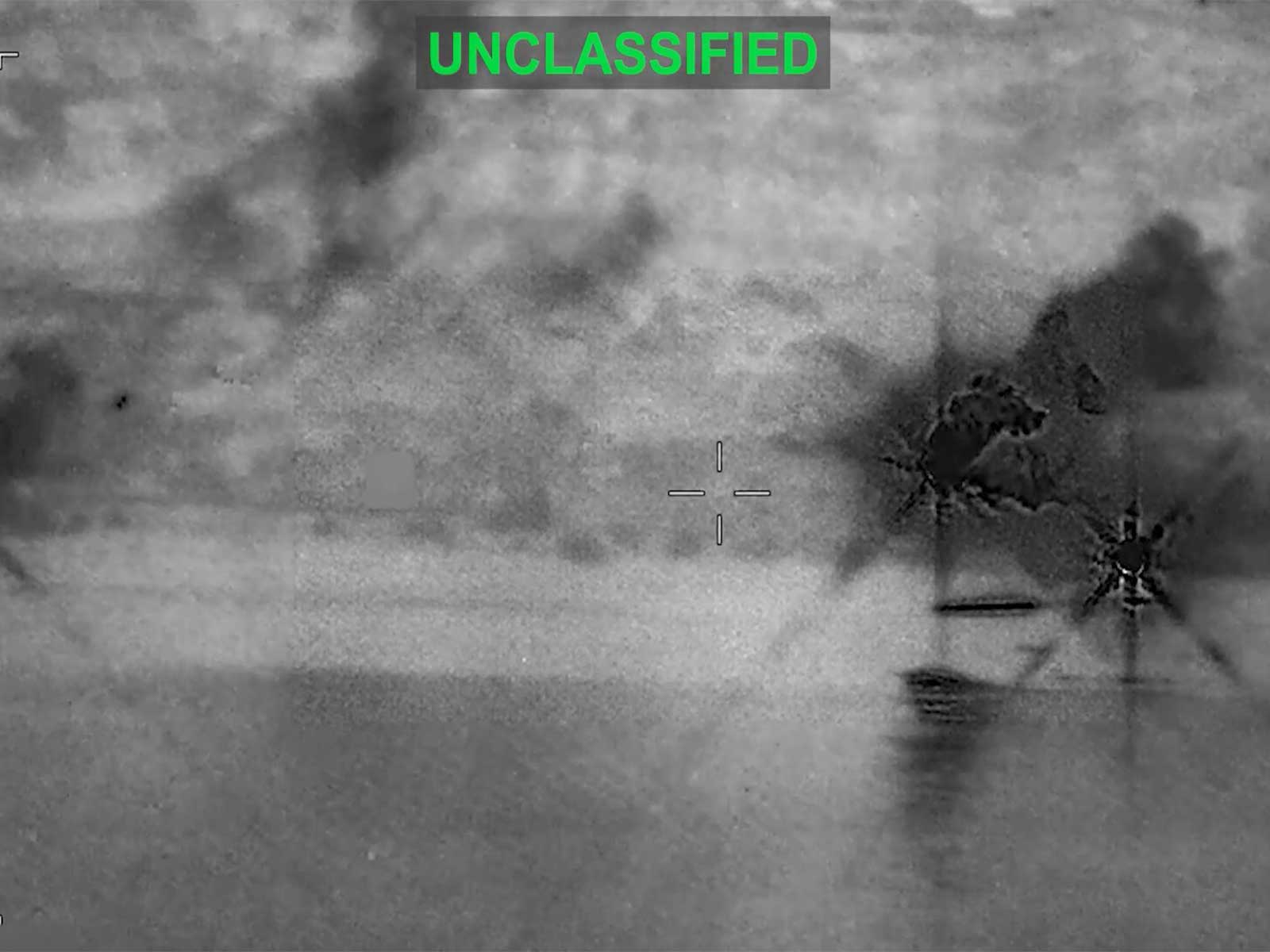
FLORIDA: The United States said that its forces carried out a new round of retaliatory strikes against Iran on Tuesday (local time), targeting more than 80 sites, after accusing Tehran of “attacking” commercial vessels transiting the Strait of Hormuz, while Iranian authorities said there had been no reports of civilian casualties from the strikes.
According to the release of the US Central Command (CENTCOM), the strikes were conducted on July 7 as “an immediate response to Iran’s latest attacks on commercial vessels transiting the Strait of Hormuz.”
In a statement, CENTCOM said, “US Central Command (CENTCOM) forces completed a new round of offensive strikes against Iran on July 7, hitting over 80 targets with precision munitions as an immediate response to Iran’s latest attacks on commercial vessels transiting the Strait of Hormuz.”
The US military said the strikes targeted Iranian air defence systems, command-and-control networks, coastal radar sites, anti-ship missile capabilities, and more than 60 Islamic Revolutionary Guard Corps (IRGC) small boats operating in and near the Strait of Hormuz.
According to CENTCOM, the operation was aimed at degrading Iran’s ability to carry out further “attacks” on international shipping.
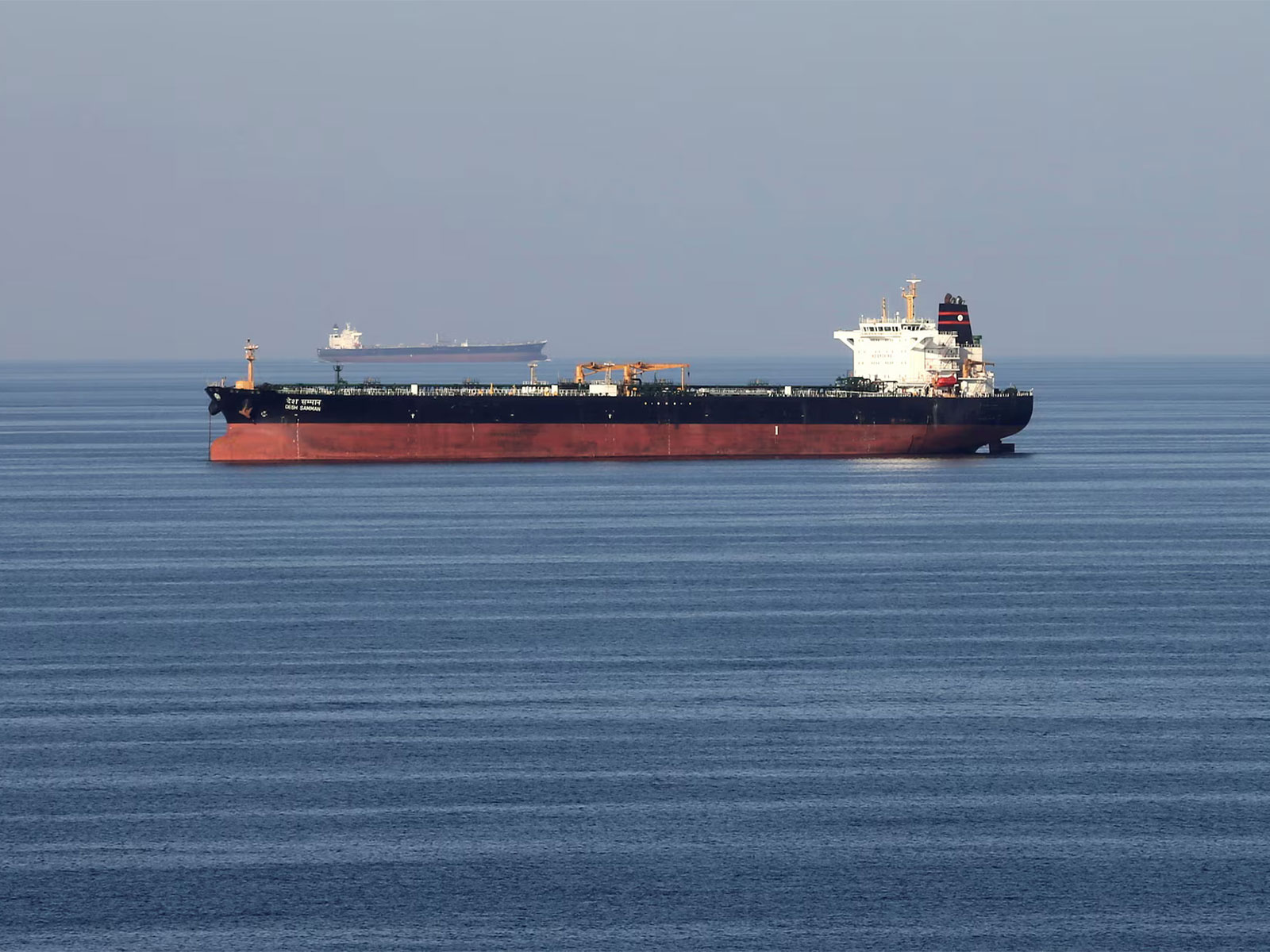
The US further alleged that Iran had recently conducted strikes on three commercial vessels transiting the strategic waterway-the Marshall Islands-flagged M/T Al Rekayyat, the Saudi Arabia-flaggedM/T Wedyan, and the Liberian-flagged M/T Cyprus Prosperity.
Calling the alleged strikes a breach of the ceasefire, CENTCOM said, “The unwarranted aggression by Iranian forces is a clear and dangerous violation of the ceasefire and undermines freedom of navigation.”
It added, “CENTCOM forces remain postured and prepared to hold Iran accountable when the agreement is not adhered to or obeyed.”
Meanwhile, Iran’s official news agency IRNA, citing the office of the Governor of Hormozgan province, reported that “to date, there have been no civilian casualty reports resulting from Tuesday evening’s attacks by the American adversary.”
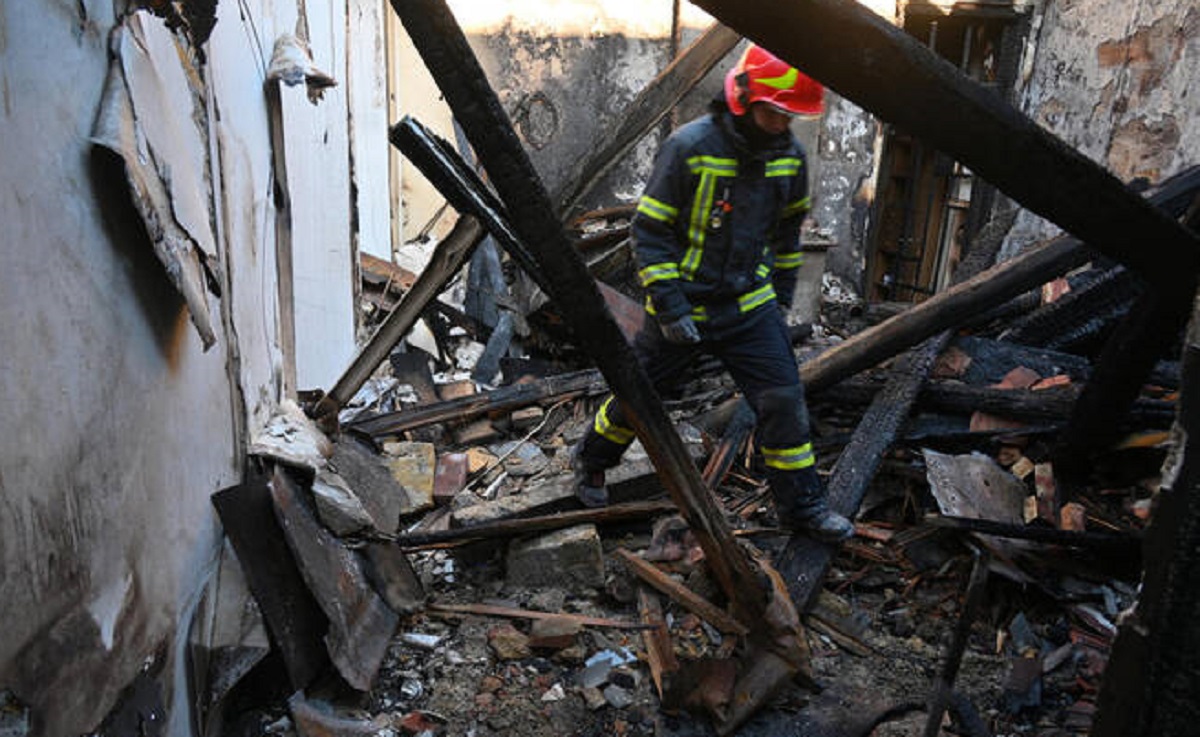
According to Iranian state media, a series of blasts rocked several locations following the air raids, with detonations recorded in Qeshm Island and the port cities of Sirik and Bandar Abbas. The reports further indicated that blazes broke out at both the Shahid Haqqani Port in Bandar Abbas and the pier at Sirik.
Meanwhile, Iranian President Masoud Pezeshkian has departed Iraq and is returning to Tehran, as per IRIB.
Pezeshkian had travelled to the Iraqi city of Najaf to attend the multi-day funeral of former Iranian Supreme Leader Ayatollah Ali Khamenei, whose body arrived in the city on Tuesday.
Pezeshkian left Najaf in the early hours of Wednesday (local time) after concluding his visit to Iraq, as per IRNA.
Pezeshkian’s return came as the United States launched a series of military strikes against Iran.
In addition to retaliatory strikes, the United States has revoked a general licence that authorised the sale of Iranian oil, saying Tehran’s actions in the Strait of Hormuz were “wholly unacceptable” and would have consequences following recent strikes on commercial tankers, The Times of Israel reported.
In response, Iran’s Ministry of Foreign Affairs on Wednesday strongly condemned the United States’ decision to revoke a temporary suspension of sanctions on Iranian oil sales, calling it a “clear violation” of Article 10 of the Islamabad Memorandum of Understanding (MoU) signed on June 18.
The US decision came after three tankers reported being struck by unidentified projectiles in and near the Strait of Hormuz, according to the UK Maritime Trade Operations (UKMTO). There was no immediate response from Tehran or any claim of responsibility.
However, Iran’s state broadcaster IRIB, citing unnamed sources, on Tuesday reported that the Qatari oil tanker “Al-Raqayat” was targeted after allegedly attempting to transit through the Omani route in the Strait of Hormuz with US Navy support while ignoring repeated Iranian warnings.
IRIB further highlighted Iran’s longstanding position that “the situation in the Strait of Hormuz will not return to what it was before the US attack on Iran”, adding that all transit through the Strait must follow routes announced by Iran, otherwise the security of vessels cannot be guaranteed.
The US Treasury Department had on June 21 lifted previous sanctions to allow the production, delivery and sale of Iranian crude oil, petrochemical and petroleum products through August 21 after the United States and Iran signed a Memorandum of Understanding (MoU). (ANI)