Kathmandu
Sunday, July 26, 2026





As Nepal prepares to host over 700 Tibetologists from 39 countries between August 23 and 29, Beijing's pressure has already forced the Dalai Lama's exile administration to withdraw formal participation, turning a scholarly conference into a fresh test of Kathmandu's balancing act between China and the West
KATHMANDU: Every few years, the International Association for Tibetan Studies brings together the world’s leading experts on Tibetan language, religion, history and culture for a week long academic gathering. This year, for the first time, that gathering comes to Kathmandu.
What should have been a routine academic activity has instead become entangled in diplomatic pressure, with China’s ambassador securing a formal Tibetan exile pullback even before the seminar opens.
What exactly is the 17th IATS Seminar, and what will happen in Kathmandu?
The IATS Seminar is the flagship gathering of an international scholarly body built entirely around Tibetan studies, a field covering Tibetan Buddhism, linguistics, history, art, medicine, law and the everyday life of Tibetan communities scattered across the Himalayas and beyond. The seminar rotates host cities roughly once every three years, and Kathmandu is set to become the first Nepali venue in the association’s history, following earlier Asian editions held in Japan in 1989 and Mongolia in 2013.
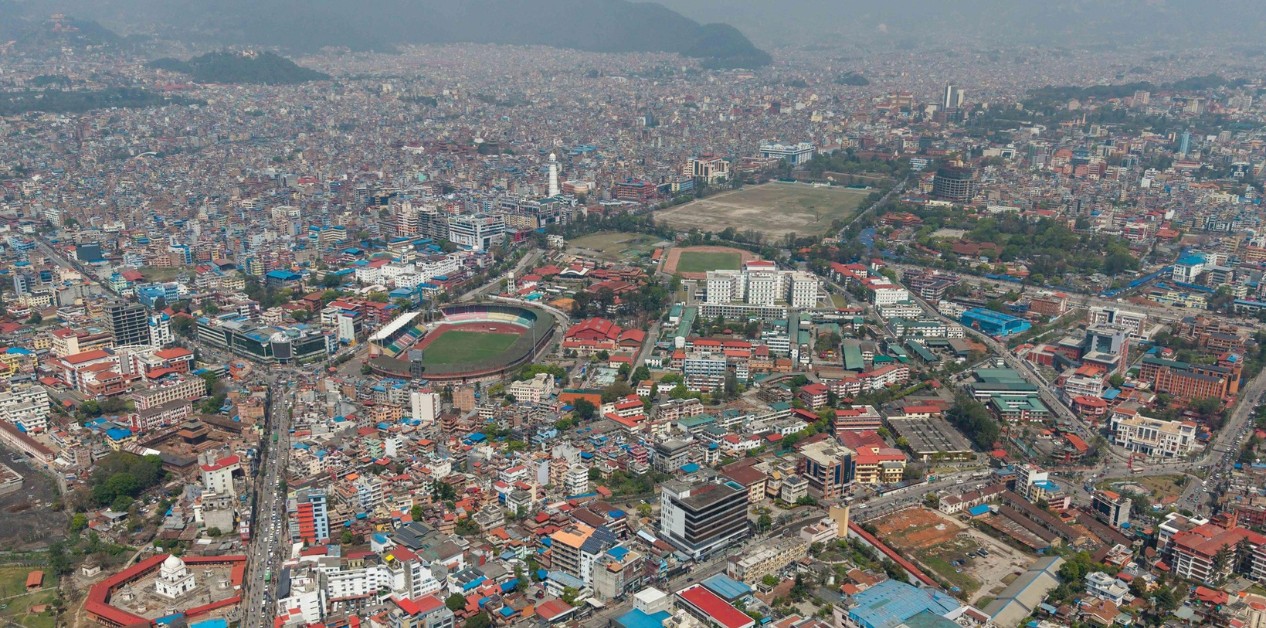
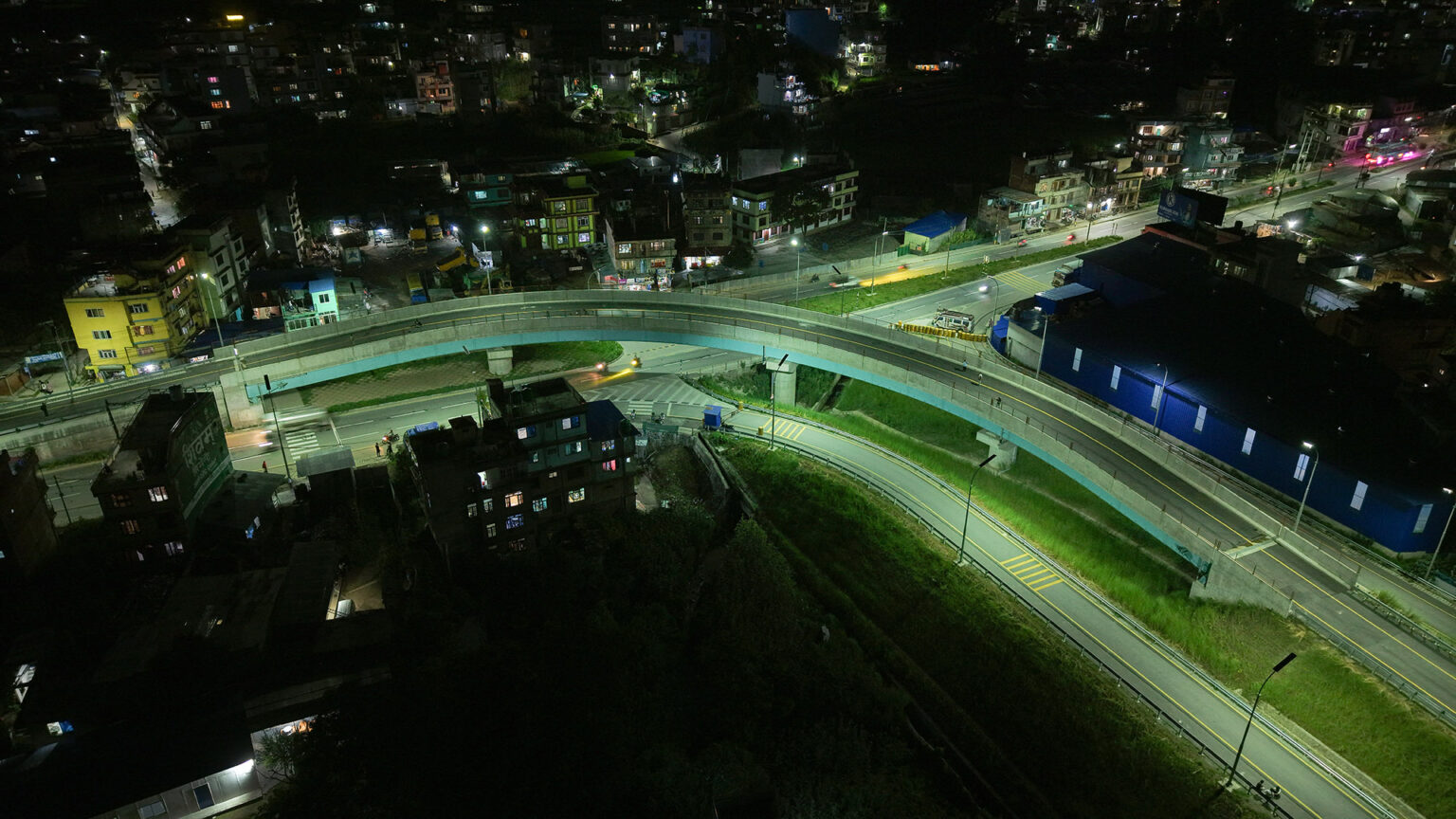
Aerial view of Kathmandu: Photo courtesy: Nepal Photo Library
Running from August 23 to 29, the programme opens with a ceremony at Kathmandu University’s Dhulikhel campus before shifting to the Soaltee Hotel in the capital, where roughly seventy panel discussions and paper sessions are scheduled through the week. Organisers report that more than seven hundred participants from thirty nine countries have registered, making it one of the largest academic gatherings Nepal has hosted on any single discipline in recent years.
The scale alone explains why both Nepali officials and Chinese diplomats have been paying such close attention as the dates approach.
Why was Kathmandu chosen, and why does this matter for Nepal?
Nepal’s selection reflects both geography and accumulated academic credibility rather than any political calculation on the organisers’ part. Kathmandu University, through its Himalaya Centre for Asian Studies and its Centre for Buddhist Studies housed at the Rangjung Yeshe Institute inside a Boudha monastery, has spent years building genuine standing in Buddhist and Himalayan scholarship, which made it a credible institutional host once the association looked toward Asia again.
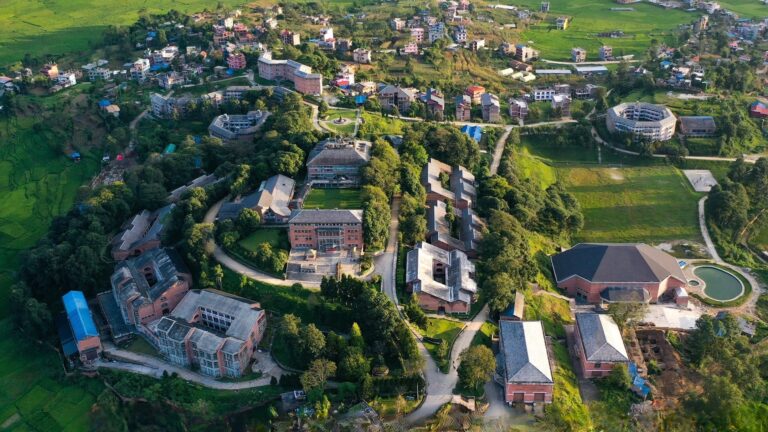
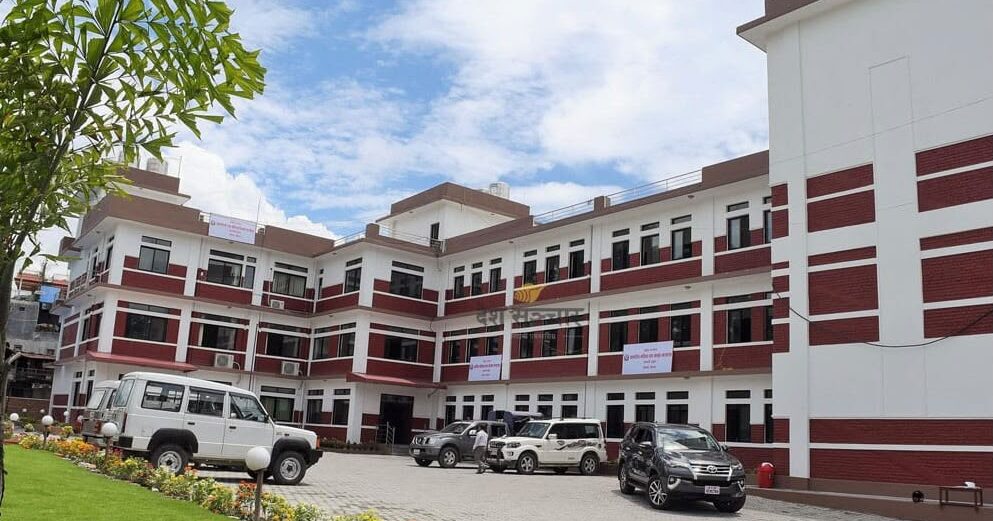
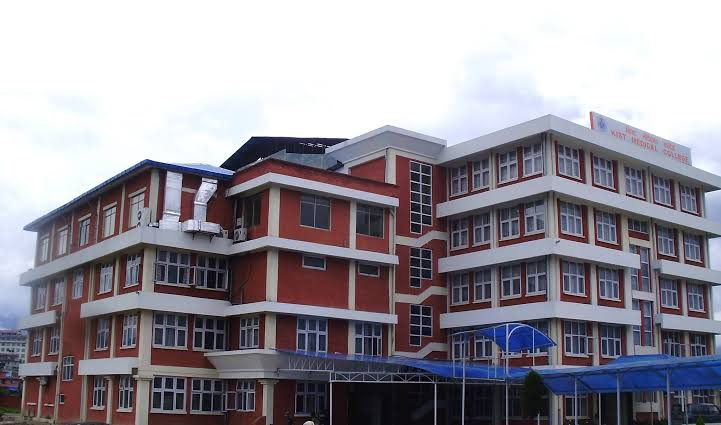
Kathmandu University. Photo source: University’s website.
Organizers have stressed that every stage of planning, from venue selection to security arrangements, has been coordinated directly with Nepali government agencies. For Nepal, hosting an event of this size offers a rare chance to be seen as a genuine centre of Himalayan and Buddhist scholarship rather than simply a gateway city for pilgrims and trekkers heading toward monasteries.
It also brings a large number of foreign visitors, their spending and international academic attention to Nepali institutions at a moment when the country is trying to build its reputation in higher education.
That same symbolism, celebrating Tibetan heritage and scholarship on Nepali ground, is exactly what has made China uneasy, and it is this tension that has shaped almost every subsequent development around the seminar.
Who is actually expected to attend, and does that include Chinese scholars?
The participant list undercuts any simple narrative of the seminar as a pro Tibet exile platform. Of the more than seven hundred registered delegates from thirty nine countries, the largest single contingent, around one hundred and fifty people, is coming from the United States, while China supplies the second largest national delegation at close to one hundred participants.
Researchers are travelling from Chinese institutions including universities in Lhasa, Sichuan, Qinghua and Peking, alongside scholars from Harvard, Columbia, Oxford and Cambridge. China’s own state affiliated Tibetology research body is also sending representatives, and Buddhist monastic institutions from India, Taiwan and Japan are contributing participants as well.
This composition is precisely what organisers point to when rejecting any suggestion that the gathering favours a particular political position on Tibet. A seminar drawing roughly equal interest from mainland Chinese academia and from American and European institutions looks, on paper, like an unusually balanced cross section of a genuinely global field of study rather than a platform built around any single narrative.
What precisely did the Chinese ambassador tell Nepal’s foreign ministry, and when?
On July 21, Chinese Ambassador to Nepal Zhang Maoming met Foreign Secretary Amrit Bahadur Rai and raised the seminar directly, according to a senior security official. During that meeting, Zhang reportedly noted that some formal representatives of the Dalai Lama’s exile administration were expected to attend, and voiced concern that Tibetan exiles present at the seminar might use the platform to make statements critical of China.
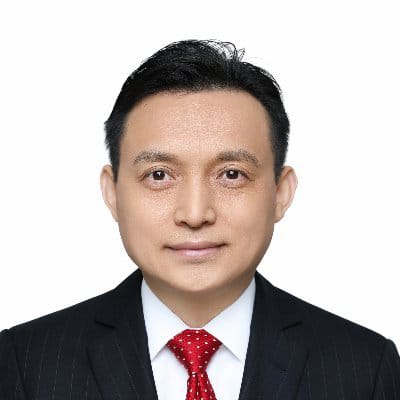
Chinese ambassador to Nepal Zhang Maoming. Photo courtesy: Chinese Embassy in Nepal
He stopped short of asking that the seminar be halted or postponed, focusing instead on the risk of anti China remarks surfacing during the week long programme. According to the official’s account, the ambassador’s tone was one of pressure rather than formal protest, aimed at ensuring nothing embarrassing to Beijing emerged from a Nepal hosted academic event.
That single conversation set in motion a chain of events that, within roughly twenty four hours, produced a significant change in how Dharamshala planned to engage with the seminar.
How did the Chinese ambassador’s pressure translate into an actual policy shift?
The shift came quickly. A day after the ambassador’s meeting with the foreign secretary, the Central Tibetan Administration, the Dharamshala based exile government led by Sikyong Penpa Tsering, held its own internal discussion and decided against sending any formally designated delegation to the Kathmandu seminar.
One security official suggested the calculation behind this decision was straightforward, that Dharamshala wanted to avoid placing extra diplomatic pressure on the Nepali government and preferred to let the seminar proceed without becoming a flashpoint.
Nepali authorities have not issued any public statement restricting the seminar itself, and organisers continue to describe preparations as entirely on track, framed as coordination with government and security bodies rather than any imposed political condition.
Have Dalai Lama representatives actually withdrawn from the seminar, and what will they still do?
Yes, a formal withdrawal has in fact taken place. According to security officials, the Central Tibetan Administration had originally arranged to send five representatives from its research wing, the Tibet Policy Institute, led by institute director Dawa Tsering along with four researchers holding doctoral qualifications. Following the Chinese ambassador’s intervention with the foreign secretary on July 21, the exile administration convened a meeting the very next day and decided against sending this delegation under its own official banner.
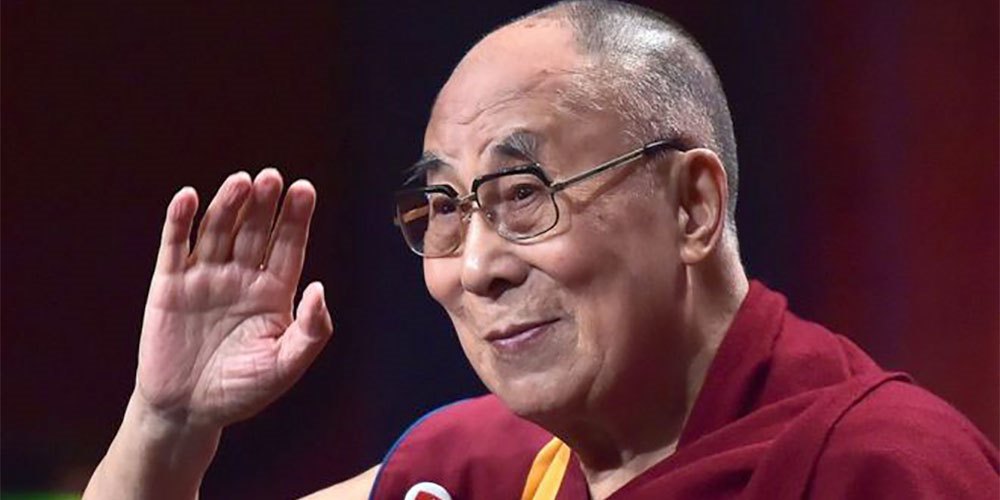
Dalai Lama
Organisers’ preliminary registration list reportedly no longer carries some of these five names, though it still includes other individuals connected to the administration, among them at least one representative associated with the CTA.
Crucially, the withdrawal applies only to official, government level representation. The exile administration has reportedly indicated that Tibetan researchers and experts, including some of those originally slated for the formal delegation, remain free to attend and present in their personal or academic capacity rather than as representatives of Dharamshala.
This distinction, between an institutional pullback and an ongoing informal individual presence, is the most significant new detail in the story as the seminar’s opening date nears, and it shows Beijing’s diplomatic pressure achieving a concrete outcome even without any written protest or public demand.
How does this seminar connect to the recent Dalai Lama birthday celebration controversy in Kathmandu?
The two episodes are separate in purpose but connected in political timing. On July 6, Tibetan refugees and Buddhist devotees marked the Dalai Lama’s ninety first birthday with an indoor ceremony at a school in Kathmandu’s Nagarjun area, an event attended by ambassadors and senior diplomats from the United States and several European countries. That gathering, though modest in scale, triggered weeks of domestic criticism from Nepali politicians who accused the government of drifting from its declared one China commitment.
The seminar, arriving weeks later and built entirely around Tibetan subject matter, landed in an atmosphere already primed for suspicion on Beijing’s side. The sequence of the birthday row followed so closely by a large Tibetan studies gathering appears to have sharpened Chinese scrutiny of Nepal’s handling of anything connected to Tibet, culminating in the direct pressure that produced the CTA’s formal withdrawal from the seminar just days later.
Why exactly did the birthday celebration become such a big political story in Nepal?
What began as a routine religious observance, cake cutting and prayers inside a school compound, spiralled into a genuine foreign policy debate once details of who attended became public. Former Deputy Prime Minister Narayan Kaji Shrestha and former Prime Minister Jhala Nath Khanal were among senior leaders who publicly questioned the government’s judgment, with Khanal calling the decision harmful to national interest.
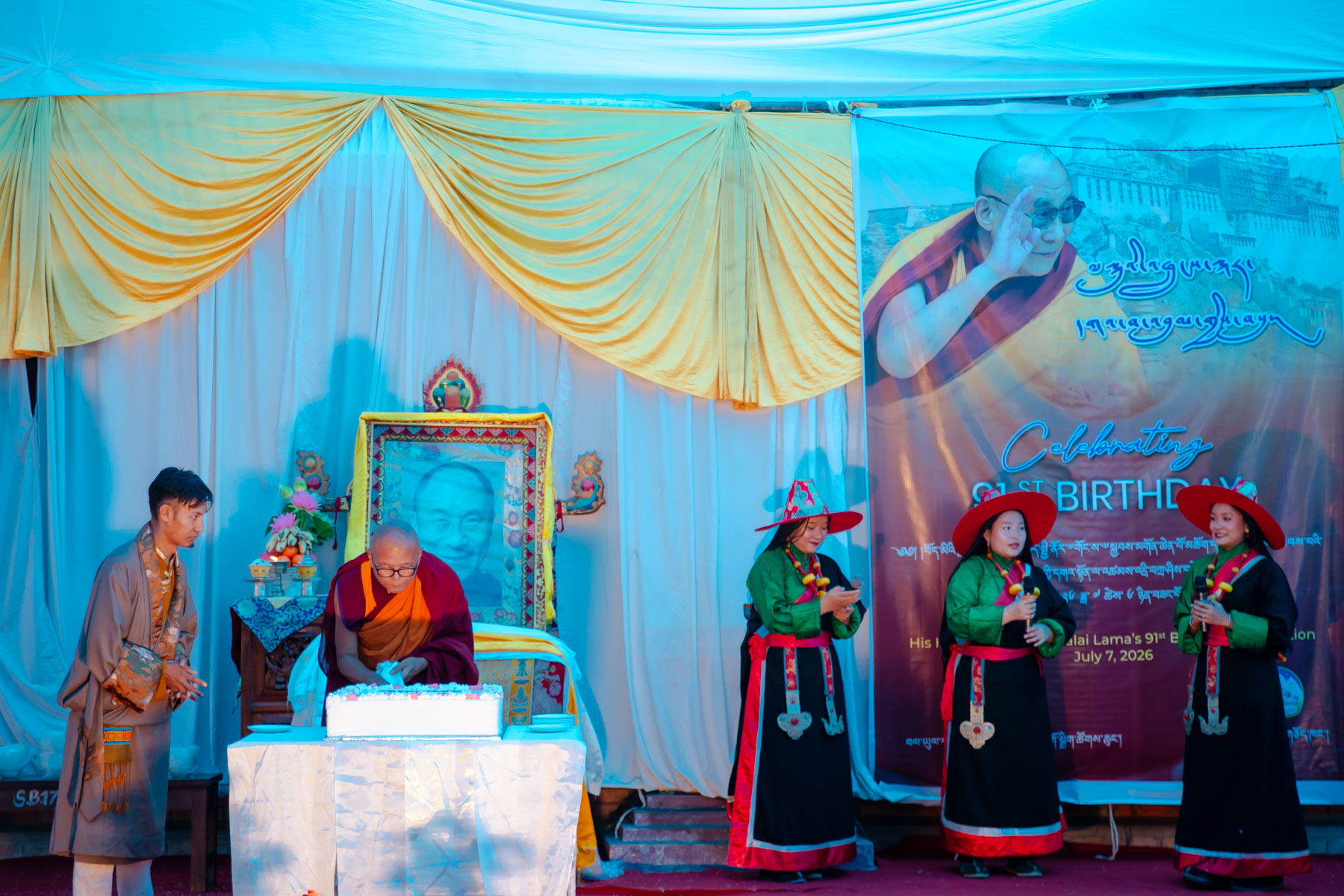
Tibetan community celebrating Dalai Lama’s 91st birthday at Namgyal School in Swayambhu on Monday (July 6). Photo: Nepal Photo Library
Critics focused specifically on the presence of American, French, Australian and European Union diplomats, arguing their attendance signalled a tilt toward Western strategic interests on the Tibet question.
Voices within the CPN (UML) also questioned in parliament whether the government had quietly loosened its one China commitments. The Foreign Ministry moved to contain the fallout, with spokesperson Lok Bahadur Paudel Chhetri reaffirming that Nepal’s one China policy remained unchanged and that the country would not allow its territory to be used against the interests of any friendly nation.
Authorities had already restricted the event to an indoor, low profile gathering with no outdoor rallies permitted, a compromise that still failed to satisfy pro Beijing voices in Nepali politics.
What exactly is Nepal’s one China policy, and how is it being tested by these events?
Nepal’s one China commitment dates back to 1956, when Kathmandu established diplomatic relations with Beijing and recognised Tibet as an integral part of Chinese territory, pledging never to allow anti China political activity from Nepali soil. That pledge was tested early, in the 1960s, when Tibetan Khampa fighters used Nepal’s Mustang region to stage cross border raids into Tibet, an episode that ended only when the late King Birendra ordered the Nepali Army to dismantle the network in 1974. Since then, Nepal has steadily tightened restrictions on Tibetan political expression, halting new refugee identity cards in the late 1980s, closing the Dalai Lama’s semi official contact office in Kathmandu in 2005 under Chinese pressure, and cracking down on Free Tibet protests around the 2008 Beijing Olympics.
The birthday celebration and the seminar both sit close to the blurred line between protected religious or academic expression and the kind of visible Tibetan assertion Beijing has long pushed Nepal to restrain, and the CTA’s own decision to withdraw formal representation shows how directly that pressure now shapes even purely academic events.
How do Tibetan refugees living in Nepal factor into this whole picture?
Nepal has hosted Tibetan refugees since 1959, when the Dalai Lama’s flight into exile triggered a wider wave of Tibetans crossing the Himalayas into Nepal and India. Precise numbers remain contested because Nepal never conducted a fresh, comprehensive registration exercise after the mid-1990s. Estimates commonly range between ten thousand and twenty thousand long term Tibetan residents, with broader UNHCR country figures citing a combined refugee total closer to twenty thousand once other nationalities are included.
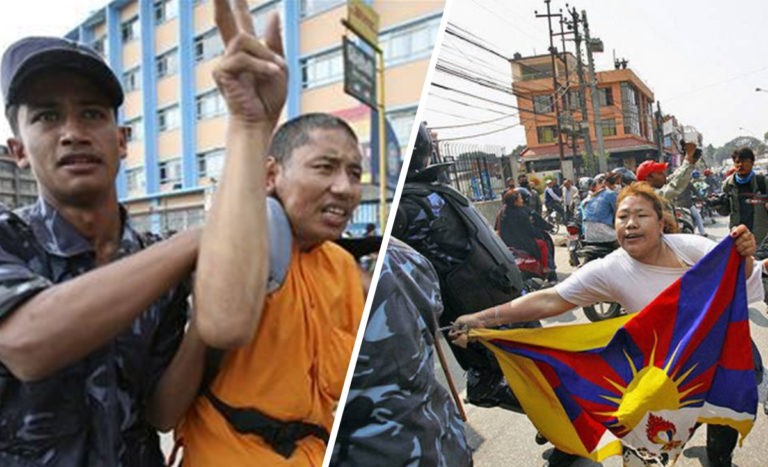
Nepal Police arrest Tibetan refugee demonstrators in Kathmandu prior to Chinese President Xi’s visit to Nepal in 2019. File photo
As Nepal stopped issuing refugee identity cards in 1995, a large share of this population remains undocumented, unable to register births, own property, work formally or open bank accounts. Western governments, including the United States, have periodically offered resettlement for Tibetan refugees, but Nepali hesitation shaped by Chinese sensitivity has repeatedly stalled such efforts.
This unresolved documentation gap forms the quiet backdrop against which both the birthday celebration and the seminar play out.
Where does the United States and the broader Western interest fit into this equation?
Washington’s presence in this story is neither accidental nor new. American diplomats attended the July birthday event, and the seminar itself has drawn the largest single national delegation, roughly one hundred and fifty participants, from the United States.
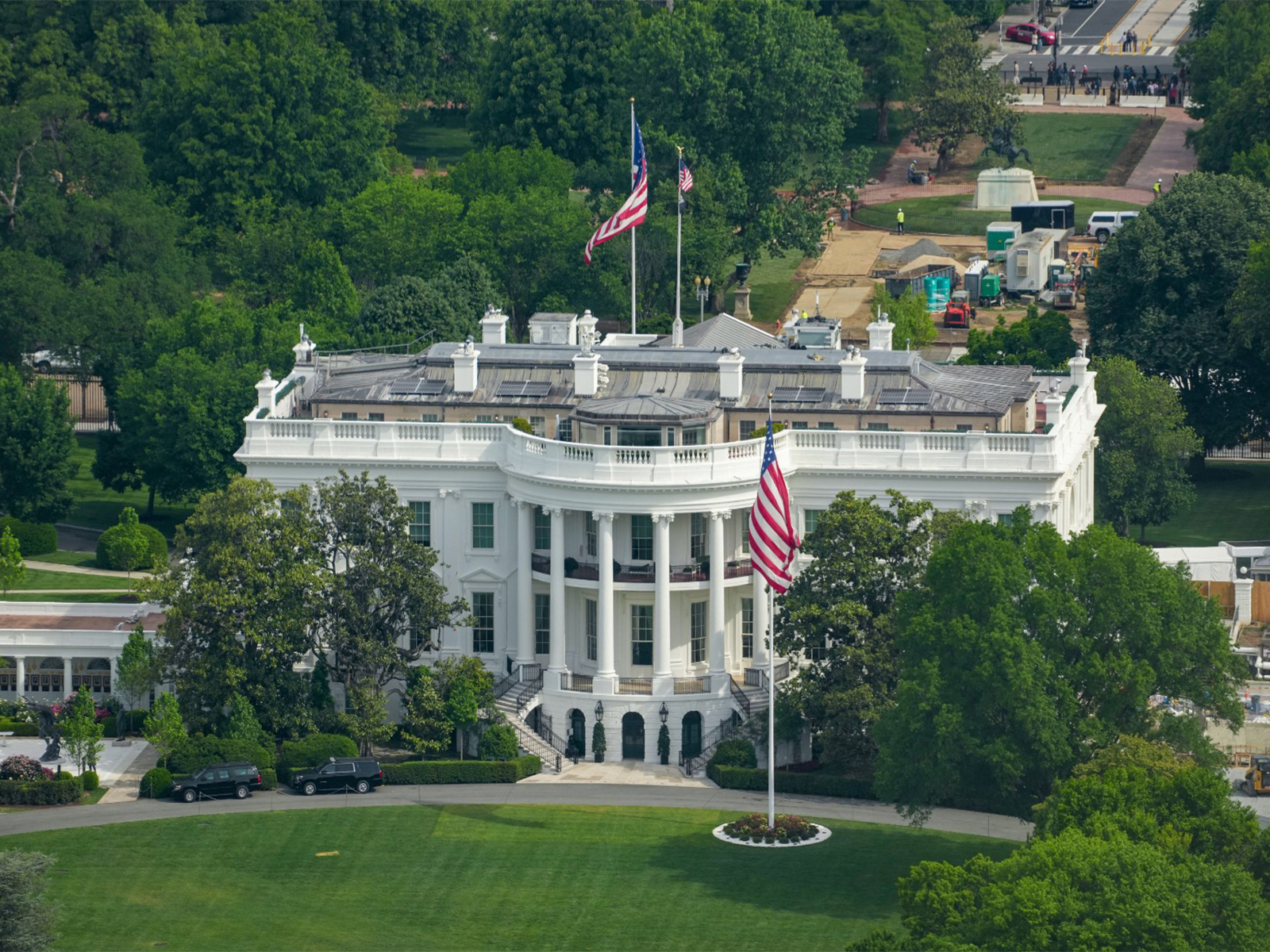
The White House. File photo via ANI
Washington has for decades supported Tibetan refugee welfare, funded community programmes in Nepal and India, and periodically urged Kathmandu to uphold non refoulement obligations toward Tibetan asylum seekers.
For Beijing, this scale of Western academic and diplomatic interest is exactly the pattern it worries about repeating, a seemingly neutral gathering reinforcing international sympathy toward the Tibetan exile cause.
Nepal, caught between Chinese economic leverage and Western diplomatic engagement, continues trying to avoid an explicit choice, though the CTA’s own retreat from formal participation suggests Beijing currently has the stronger hand in shaping outcomes around Tibet related events on Nepali soil.
What are the stakes for Nepal going into the seminar itself?
With the Central Tibetan Administration having already stepped back from official participation under Chinese pressure, the seminar’s remaining tension will centre on individual scholars, including Tibetan researchers attending in a personal capacity, and whatever they choose to present or say during the week’s roughly seventy panel sessions.
Organisers continue to lean on the presence of around one hundred mainland Chinese participants as proof that the gathering remains balanced and academic rather than political. Still, Nepal’s recent experience with the birthday celebration shows how quickly a contained event can turn into a domestic political argument, and the CTA withdrawal itself is evidence that Chinese diplomatic pressure is already producing concrete results before the seminar has even begun.
Prime Minister Balen Shah’s government will be managing two audiences at once, hundreds of visiting scholars expecting open academic exchange, and a watchful Chinese embassy expecting nothing resembling political theatre, while domestic opposition figures continue watching for any opening to question the government’s handling of an issue that touches sovereignty, religious freedom and regional diplomacy all at once.
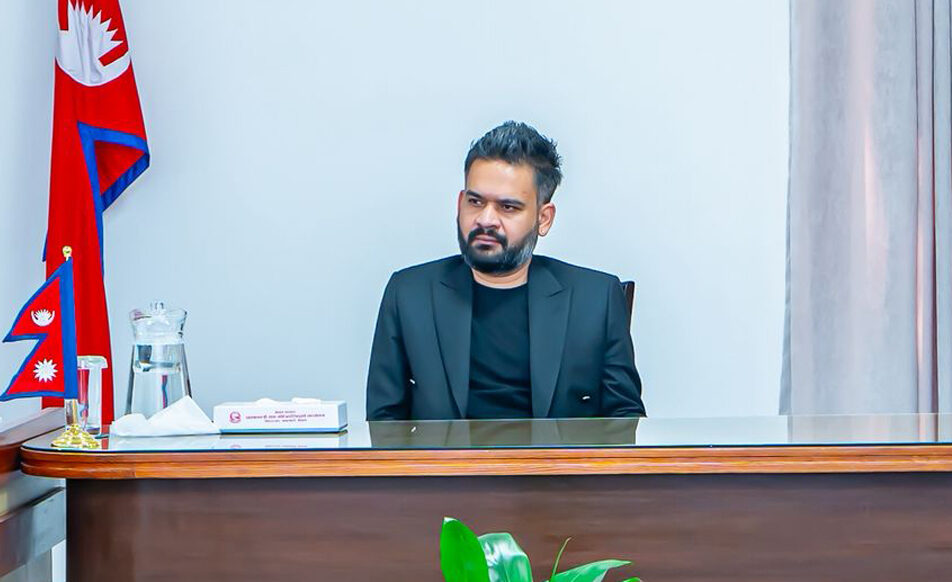
Prime Minister Balendra Shah. File photo