Kathmandu
Thursday, July 9, 2026





A ride-share driver’s desperate self-immolation attempt over a routine Kathmandu wheel lock forces the Prime Minister to confront the very system of state failure he once built his political career condemning.
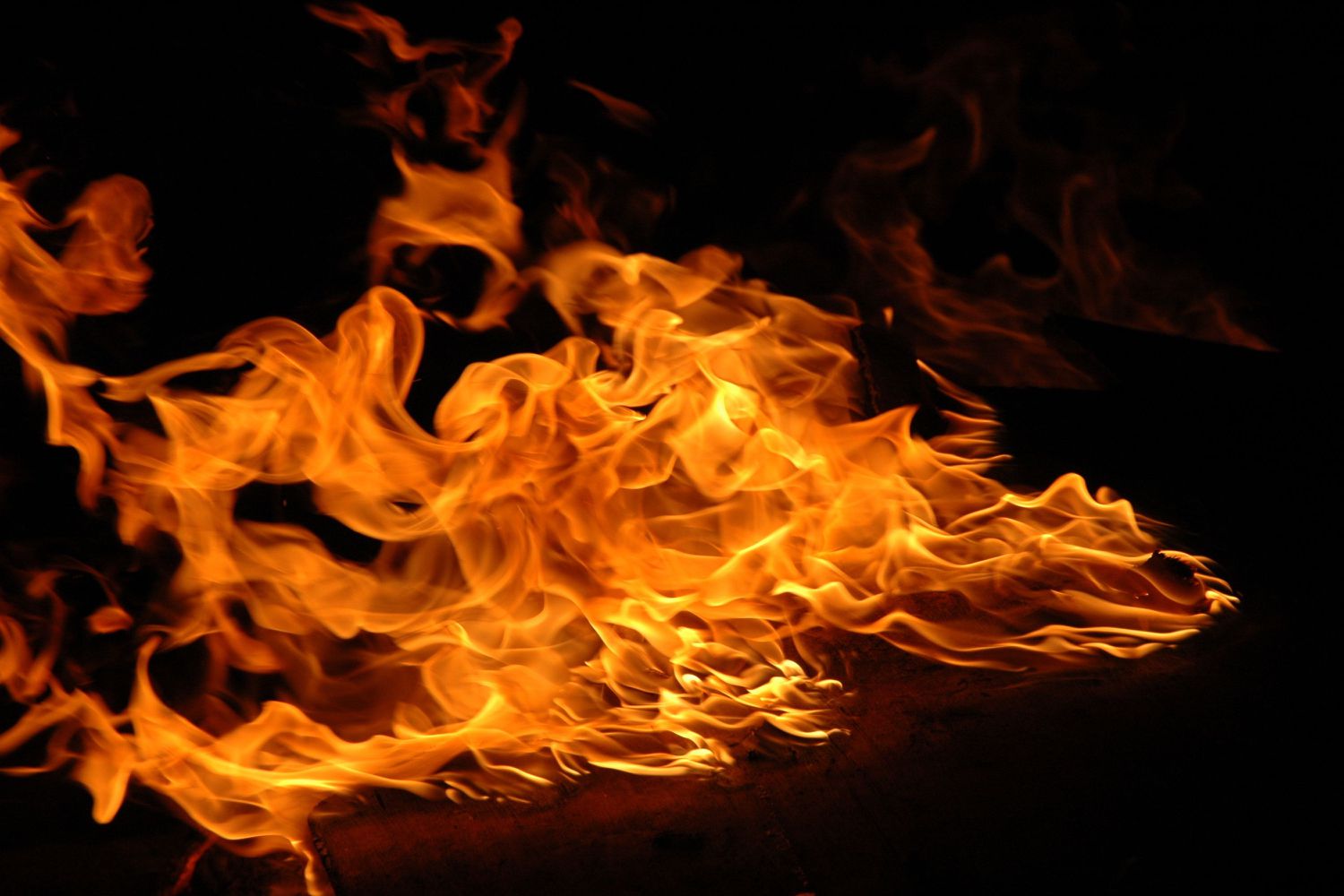
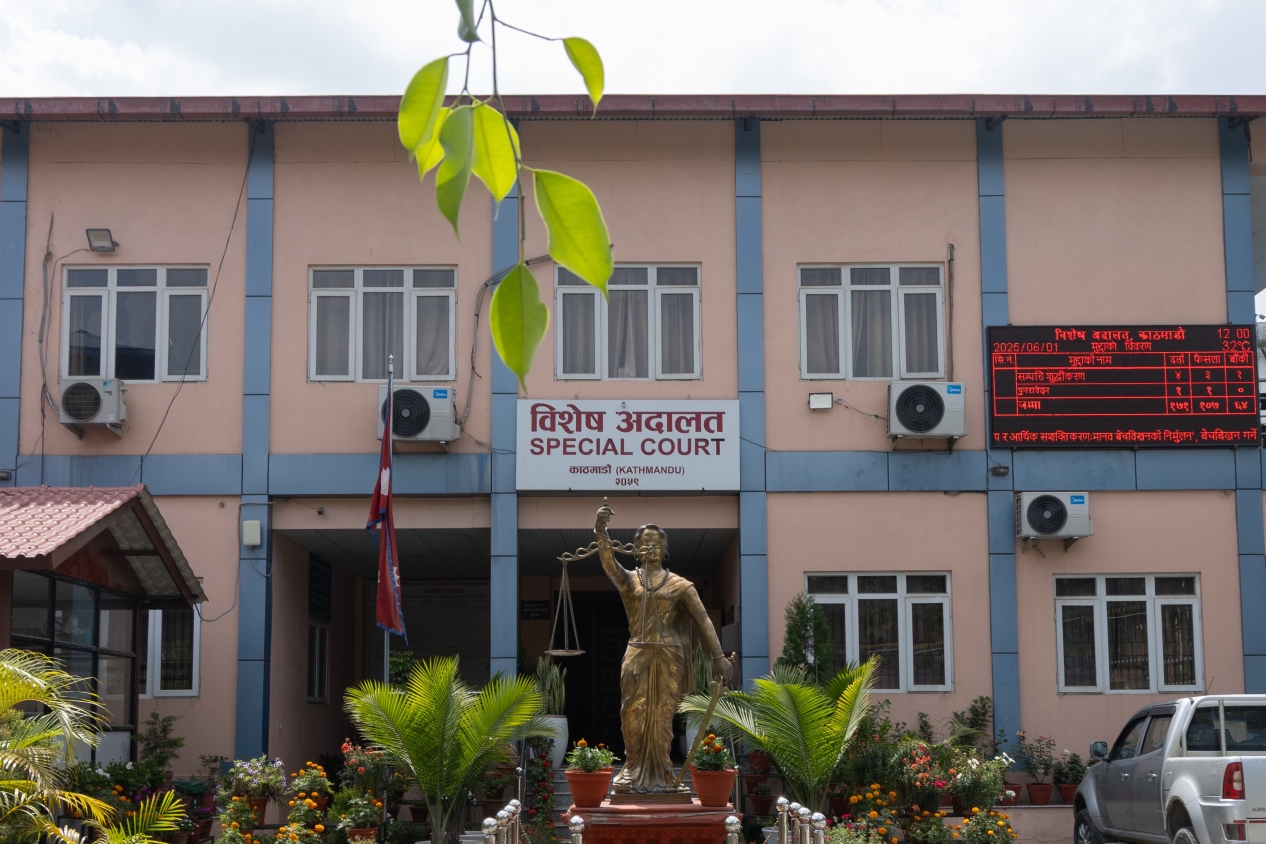
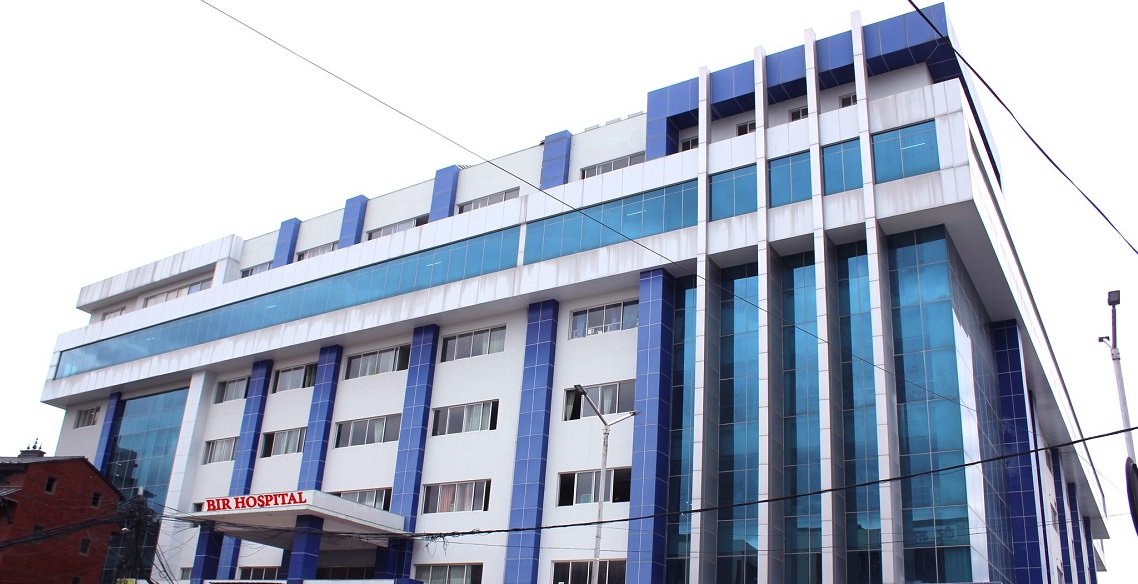
KATHMANDU: A wheel lock does not sound like the kind of thing that brings down a government. On Thursday afternoon it very nearly took a life instead. Ganesh Nepali, 25, a Pathao driver from Mugu, doused himself in fuel outside the Passport Department in Tripureshwar after municipal police clamped his motorcycle for parking in the wrong spot. Municipal police reportedly placed a wheel lock on the motorcycle, leading to a verbal altercation, and as officers began impounding the bike, Nepali allegedly set himself alight. He is critical in the ICU at Bir Hospital tonight, while a two-year-old daughter and two aging parents in Bhaktapur wait to learn whether their only earner survives.
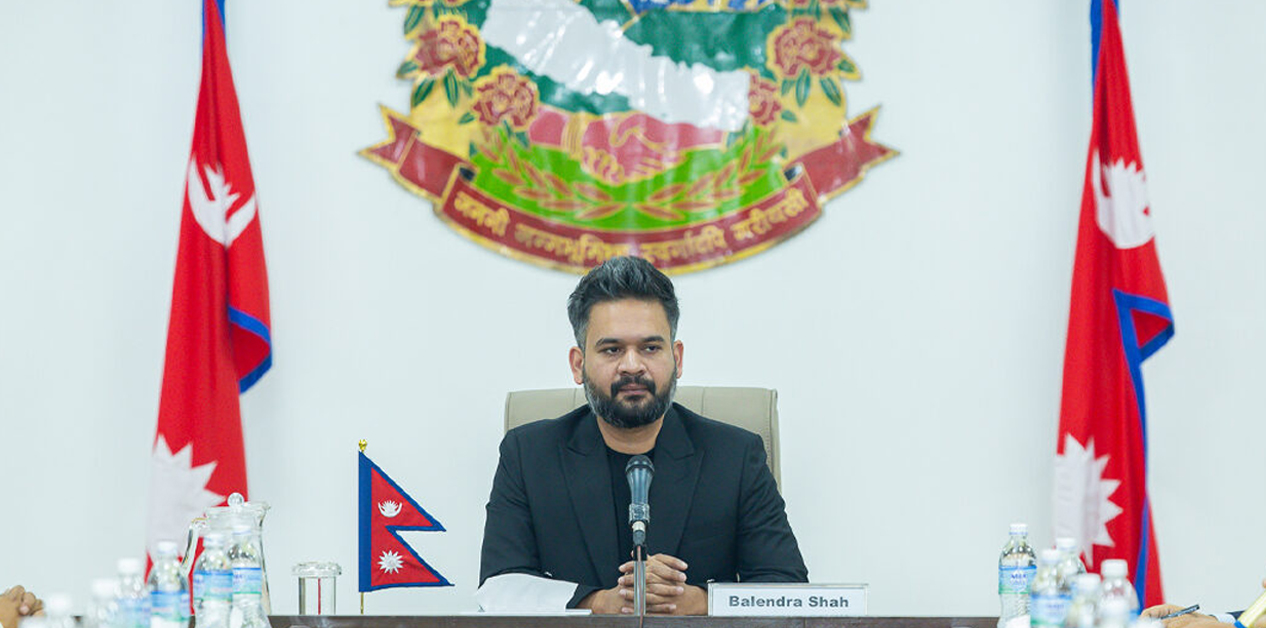
Somewhere in Prime Minister Balen Shah’s memory, this scene should land with an uncomfortable familiarity, because he has stood exactly here before, on the other side of the fire. In January 2023, as mayor of Kathmandu, he watched Prem Prasad Acharya, a 37-year-old entrepreneur from Ilam, set himself alight in front of the federal parliament building as Prachanda’s motorcade rolled away. Acharya died of his burns the next morning. Balen wrote on Facebook that every unit, department and organ of the state had failed that man, and in a follow-up post accused the country’s leaders of caring more about destabilizing politics for personal advantage than about building a state where rules meant anything. That post did more for Balen’s political rise than perhaps any single act of governance he undertook as mayor. It told a generation of frustrated young Nepalis that someone in power finally saw them.
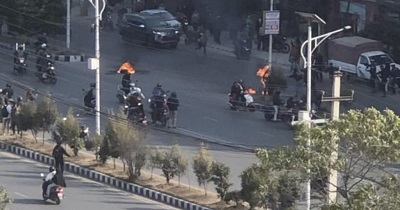
Prem Prasad Acharya set himself on fire outside Nepal’s Parliament building in Kathmandu in January 2023, later dying from his injuries. File photo
Three years later, he is the power. And a Dalit youth from one of Nepal’s poorest districts has just set himself on fire in the same city, over a grievance so trivial on its face that it borders on absurd, brought to a breaking point by the very metropolitan machinery Balen once ran. The comparison will not need help finding an audience. It writes itself.
History offers an uncomfortable precedent for how small this kind of spark can start out looking. In December 2010, a Tunisian municipal officer confiscated a fruit cart from a vendor named Mohamed Bouazizi over a permit dispute. Humiliated and cornered, Bouazizi set himself on fire, and within weeks the flame had traveled across an entire region, toppling governments that had looked, until that point, unshakeable. Nobody in Tunis thought a fruit cart could do that. The lesson was never really about the cart. It was about everything the cart came to represent, years of unemployment, corruption, and a political class that had stopped listening. Nepal is not Tunisia, and one wheel lock is not a revolution. But the mechanism by which small humiliations detonate large ones is the same everywhere, and it is worth asking what dry ground this particular spark has landed on.
No single event of this kind sinks a government, and it would be dishonest to claim that one wheel lock threatens Balen’s premiership by itself. What should worry him is everything else piling up around it.
Start inside his own party. The RSP’s fourth statute amendment, passed at its general convention in Chitwan in June, ties the survival of the parliamentary party leader’s post, the position Balen occupies as prime minister, to compliance with policy direction from party chairman Rabi Lamichhane. A documented failure to follow the chairman’s guidance is now written into the charter as one of the specific grounds on which the leader’s post can be treated as automatically vacant, without even requiring a full recall vote. Rabi does not need to use that lever today. He only needs Balen to know it exists, freshly cleared of the organized crime charges that once made him the junior partner and newly emboldened by an India visit that gave him a diplomatic profile of his own. A coalition held together by a sword suspended over one partner’s head is not a partnership. It is a countdown.
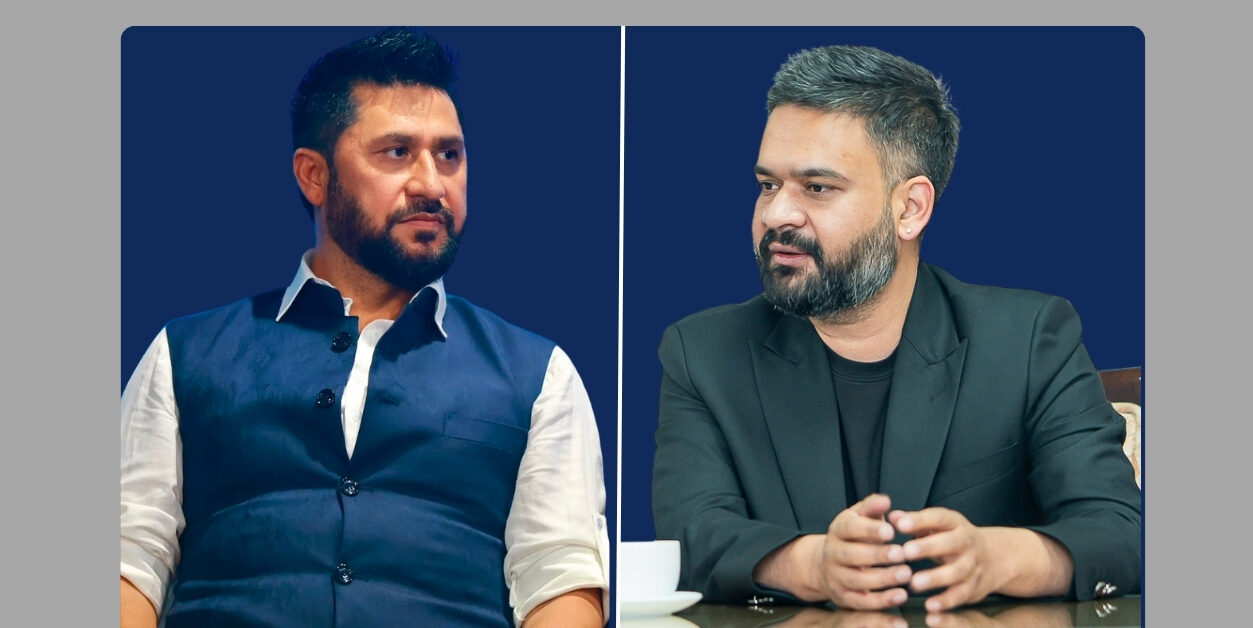
Rastriya Swatantra Party Chairman Rabi Lamichhane and Prime Minister Balendra Shah. Photo: Nepal Photo Library
Then the opposition. Four parties, the Nepali Communist Party, the Loktantrik Samajbadi Party, the Janata Samajbadi Party, and the Rastriya Janamorcha, walked out of the government’s constitutional amendment taskforce this month with a joint dissenting memorandum, while the Nepali Congress never joined at all and the UML sat through only two sessions before leaving. Nepali Congress president Gagan Thapa has accused the government of treating the constitution the way one might flip through a small booklet, discarding clauses on a whim. A government elected on a promise of clean, consultative reform is now watching its own flagship reform effort collapse into the very boycott politics it was supposed to end.
Layer in the foreign terrain, which has turned genuinely hazardous. Opposition lawmakers accuse the government of drifting from Nepal’s One China policy after Tibetan exiles marked the Dalai Lama’s 91st birthday indoors in Kathmandu with Western diplomats present, an event unusual enough to draw a pointed remark from China’s foreign minister that close neighbors matter more than distant partners. At almost the same time, Balen’s office picked a fight with Germany, summoning anti-corruption commissioners for nine hours to press charges against German passport contractors while the German ambassador reportedly waited elsewhere, provoking Berlin to call in Nepal’s own envoy for an explanation. Balen has also made a visible habit of declining one-on-one meetings with individual ambassadors, a posture his supporters read as principled independence and his critics read as needless self-isolation, one he broke only for the head of the Asian Development Bank. In diplomacy, selective access is never read as an accident. It is read as a message, whether intended or not.
None of these threads is fatal on its own. What should trouble Balen is how they are beginning to braid together with grievances at the bottom of society that never went away, landless settlers still waiting on the resettlement they were promised, civil servants and students now turning openly critical and a Dalit ride-share driver from one of Nepal’s poorest districts choosing fire, in the same city, over a wheel lock.
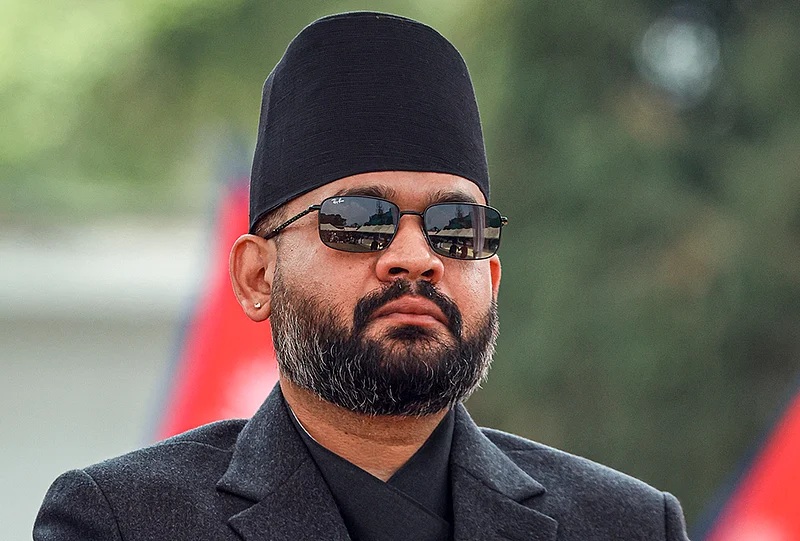
Prime Minister Balen Shah
There is an old truth about power that Tunisia learned once and Nepal is now relearning in real time. Legitimacy rarely collapses in one blow. It frays, one strand at a time, until the day it can no longer bear the weight. Balen built his political identity by diagnosing exactly this kind of state failure. Every fresh instance of it now does not just damage a policy area, it corrodes the founding story of his own premiership, because he is the one who wrote, in his own hand, what such failures mean. Whether Ganesh Nepali’s act becomes a footnote or a flashpoint depends on things nobody can fully control, whether he survives, whether his story travels the way Acharya’s did. But the tinder is already arranged.
Balen did not light this fire. He built his career pointing at fires exactly like it and asking why the powerful never seemed to notice. The country is now watching to see whether he notices his own.