Kathmandu
Thursday, June 18, 2026





The global market for Shilajit, a Himalayan resin considered the Viagra of Ayurveda, is worth around Rs 40 billion, yet Nepal, its primary producer, earns only a fraction
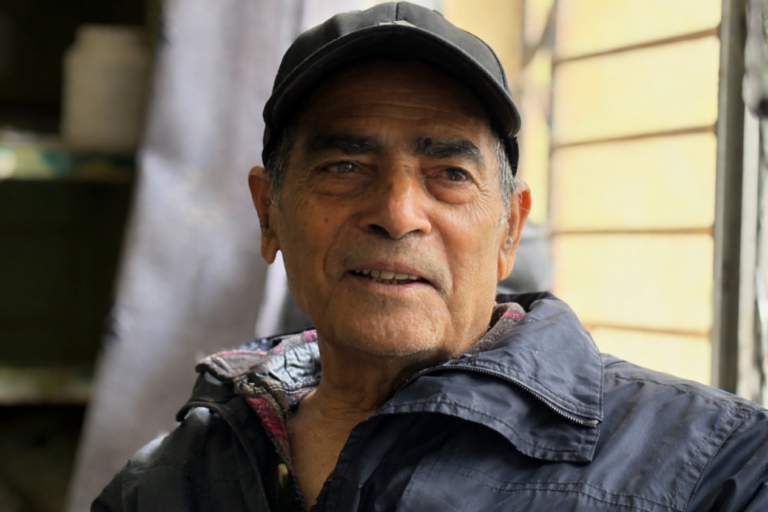
KATHMANDU: Balbhadra Budha, a 70-year-old resident of Jumla, has been involved in the Shilajit trade for the past 30 years. During the months of May–July, he collects Shilajit from the high mountain regions between Sinja in Jumla and the Mugu border area, then travels to Kathmandu. He stays in a rented room in Chabahil for three months, distributing and selling Shilajit across the Kathmandu Valley and neighboring districts like Sindhupalchowk and Dolakha. The journey from Jumla to Kathmandu alone costs him Rs 10,000–12,000, on top of rent and food expenses during his stay. Yet, despite all these costs, he returns to Jumla having saved Rs 200,000 to Rs 300,000 from each trip.
He has built his family’s future through this trade. His eldest son became a teacher, his middle son raises sheep in the village, and his youngest is currently studying veterinary science in Kathmandu. There was a time when he traveled not just within Nepal, but to Varanasi, Himachal Pradesh, Delhi, and Punjab in India to sell Shilajit. Now, with age catching up, his travels are limited to within Nepal.
Meeting him this week near Anamnagar, close to Singhadurbar, the main administrative hub of Kathmandu, he said with a sigh, “What can one do, son? As they say there is gold in Lhasa, but I have no ears to wear it!”
Shilajit enjoys high demand in the global market, and notably, Nepali Shilajit is considered the finest in the world. Even more striking, Nepal’s high mountain regions are the single largest source of raw material for Shilajit produced in India. Despite being aware of all these facts, the Nepali government appears to be sitting idle, a situation Balbhadra finds deeply frustrating.
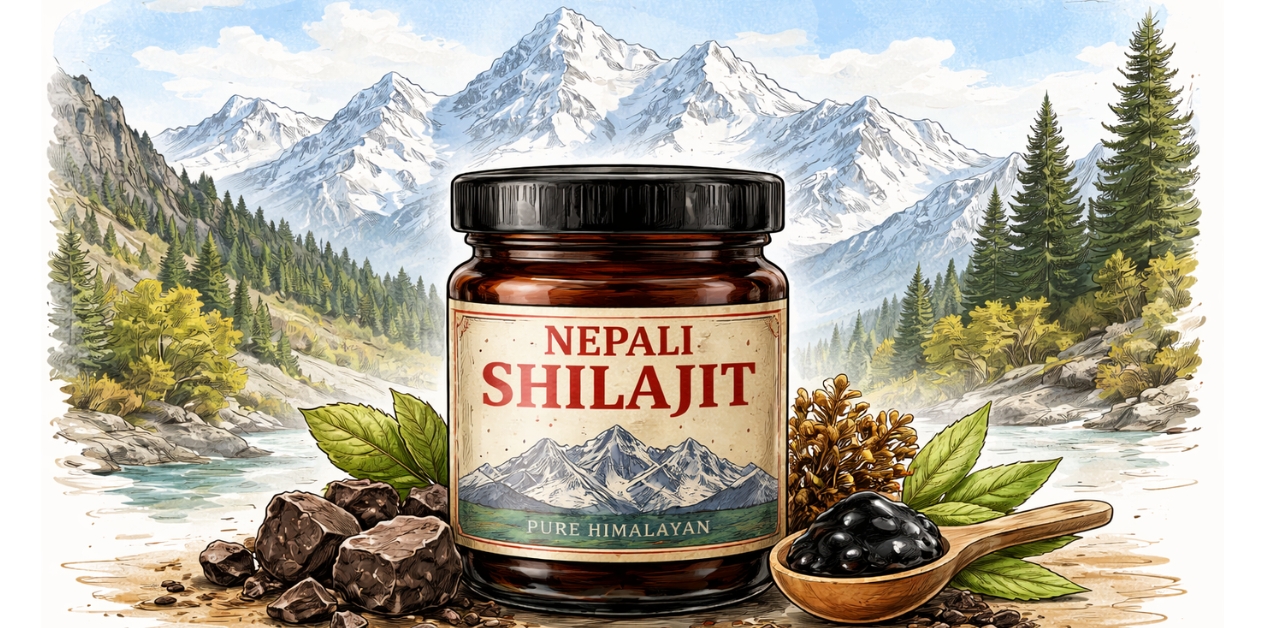
Shilajit is a nutrient-rich resinous substance found in Himalayan rocks. It contains over 84 minerals, with particularly high concentrations of fulvic acid, which is known to boost immunity, slow aging, and enhance sexual vitality. That is why some medicine shop owners call it the “Viagra of Ayurveda.”
Dr Haridev Prasad Yadav, a herbal medicine specialist at the Singhadurbar Vaidyakhana Development Committee, the country’s oldest government-run pharmacy, explains, “Because both mineral and botanical properties are found in it, the Department of Plant Resources has categorized Shilajit under both groups. Its consumption purifies the blood, and once the blood is clean, everything in the body normalizes. Blood pressure, thyroid, sugar all are influenced by the quality of the blood. Once the blood is purified, the body gains energy, which improves everything from sexual health to general wellness.”
Domestic trade
Demand for Shilajit is high not just globally but within Nepal too. However, no scientific research appears to have been conducted domestically, so exact figures on internal demand remain unclear. Suman Pandey, president of the Ayurveda Medicine Producer Association of Nepal (AMPAN), says that while precise data is unavailable, trade is happening at a significant scale. “Currently, Shilajit trade in Nepal is estimated to be around one billion rupees annually,” he says.
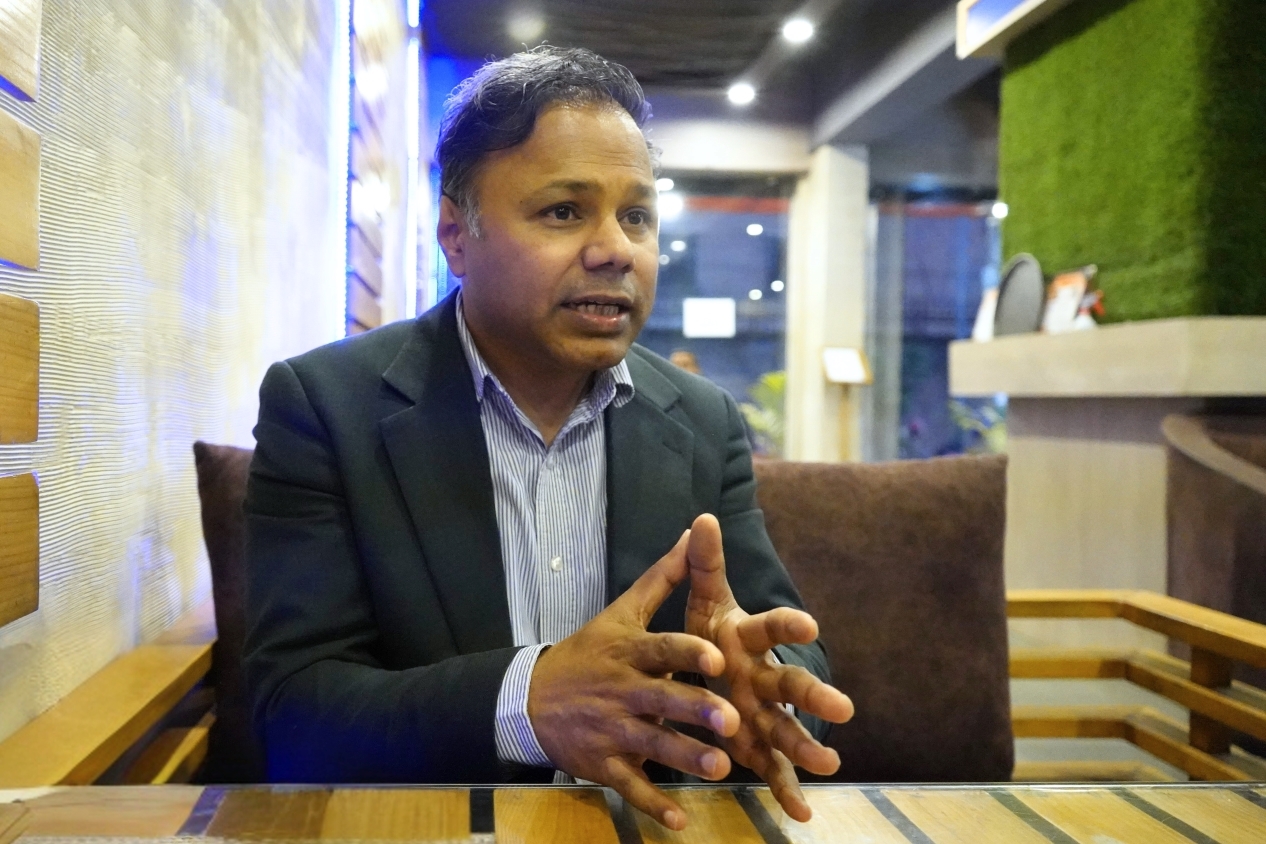
Suman Pandey. Photo: Bikram Rai/Nepal News
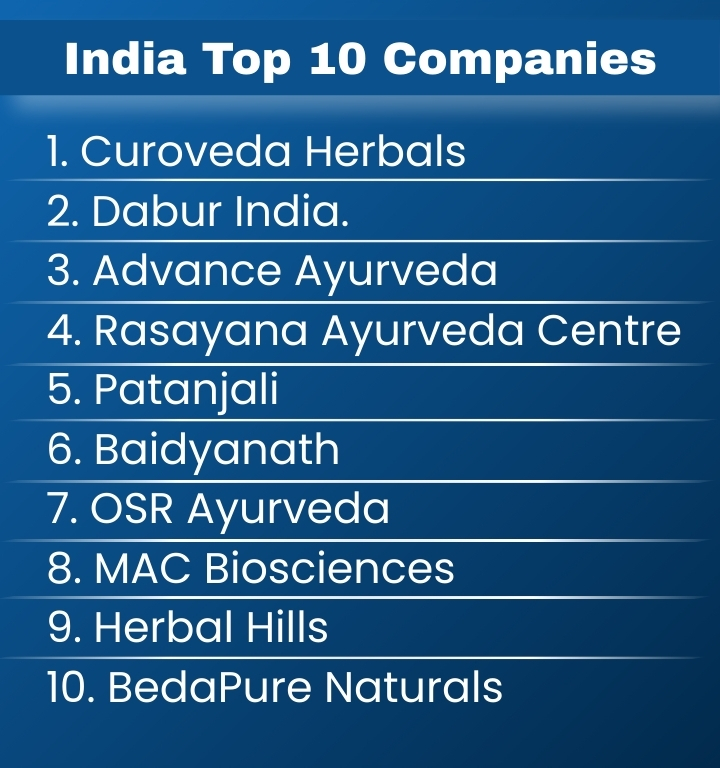
In Nepal’s market today, one can find not only domestically produced Shilajit but also products from Indian companies. However, the irony is that the raw material for those Indian products largely comes from Nepal itself. Nepali law prohibits the export of raw Shilajit and other Ayurvedic raw materials to India or third countries. Yet, the government appears to be turning a blind eye to the fact that raw material is being smuggled out through illegal channels to Indian companies.
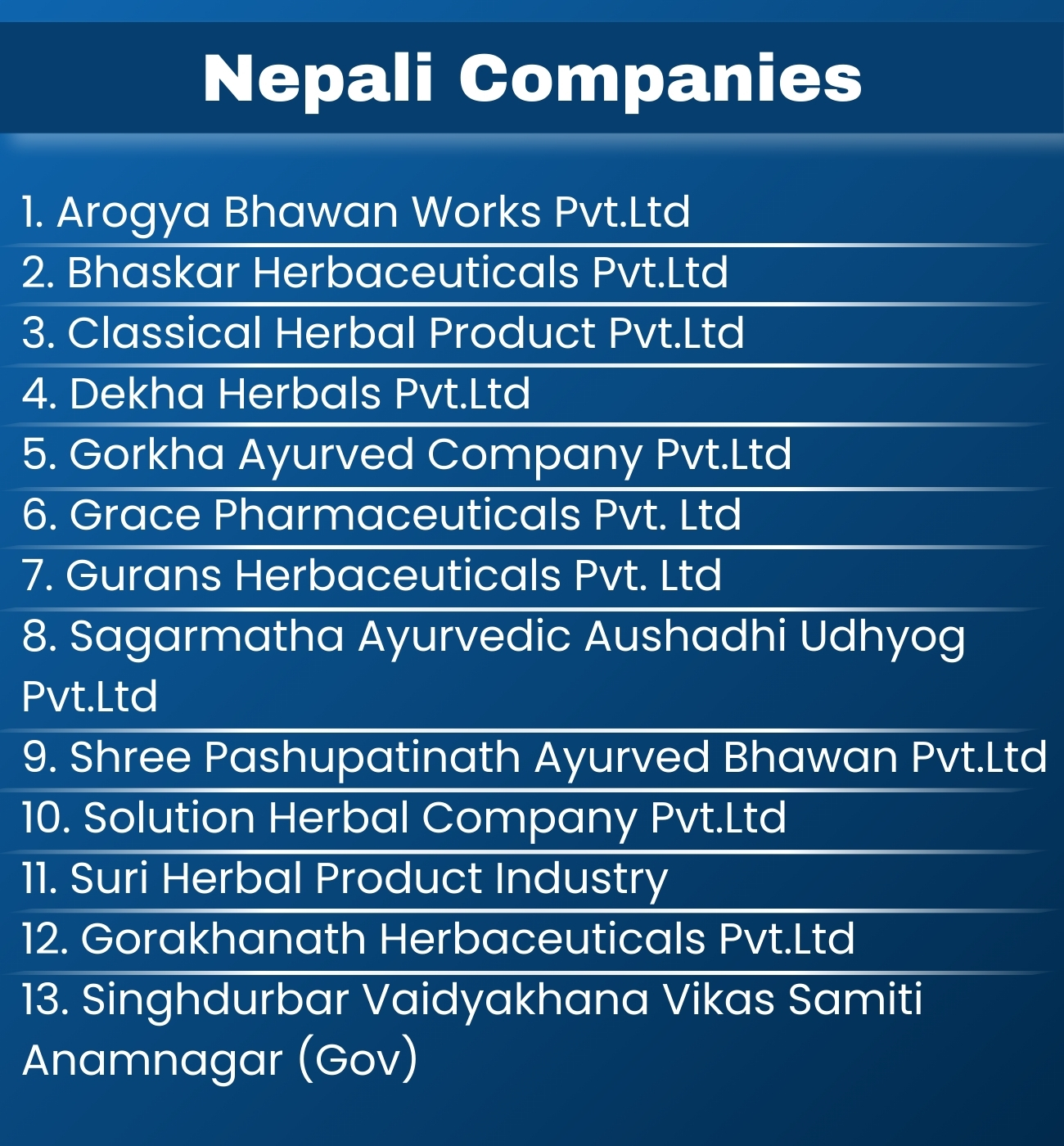
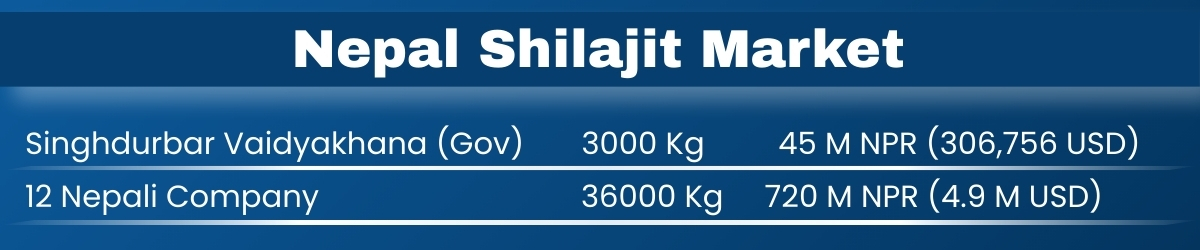
For a long time, the government-run Singhadurbar Vaidyakhana has been processing and distributing Shilajit at the official level. In addition, 12 private companies are now active in the sector.
“Around 50 companies may be registered with the Department of Drug Administration to produce Ayurvedic medicines, but only 22–23 are actually producing. Of those, 12 produce Shilajit,” says Pandey. These companies collectively produce around 36,000 kg of Shilajit per year, translating to roughly Rs 720 million in annual trade. Singhadurbar Vaidyakhana’s accounting officer Umanath Dhakal says the institution produced approximately 2,000 kg last year. “Sales are roughly in the range of Rs 45–50 million,” he notes.
Beyond these companies, products from Patanjali and other Indian brands are also widely available in the market. “Adding all these figures together, I estimate the total trade is around Rs 1 billion,” says Pandey.
Shilajit is currently sold in Nepal in capsule, powder, and paste form. Dr Basudev Kandel, a production expert at Singhadurbar Vaidyakhana who has worked there since 1976, argues that if Nepal properly processed and exported its Shilajit, the market could reach Rs 8–10 billion. He laments that due to unclear government policy, the enormous global demand for Nepali Shilajit remains unexploited even at home.
Nepal’s Dolpa district in Karnali Province is estimated to have the largest reserves of Shilajit. Previously, it was also collected from Humla, Jumla, Myagdi, Baglung, areas around Bagmati Province, Khotang, and Sankhuwasabha in the eastern hills. However, experts say the 2015 earthquake centered around Barpak in Gorkha disrupted many of the mountain sources from which Shilajit emerged.
As a result, production at Singhadurbar Vaidyakhana, which once reached 8,000–10,000 kg, has now fallen to around 3,000 kg. Dr Kandel believes it can be increased again.
Dr Basudev Kandel. Photo: Deep Subedi/Nepal News
Foreign trade
Government policy currently prohibits the sale of Shilajit abroad. As a result, no official data exists on how much Nepali Shilajit is consumed in foreign markets. However, Vaidyakhana’s accounting officer Dhakal notes that Nepalis going abroad and knowledgeable foreigners have been personally carrying Shilajit for sale. “We’ve heard that the most goes to the UK, but it’s all through personal initiative, so the scale of our product’s foreign market is unclear.”
A report published five months ago projected the global Shilajit market was worth approximately USD 203.1 million (roughly Rs 30.19 billion) last year, with further growth expected.

“If we can brand our Shilajit well and launch it in the global market, we could bring in billions of rupees. But what can we do? Our own policies are the obstacle,” laments Pandey. He argues that Nepal does not even need to look for third-country markets as targeting India alone, with its nearly 1.5 billion population, would be more than sufficient. But this would require a bilateral agreement, he suggests.
“Under current policies, Nepal won’t even allow the export of stone, yet it is freely going to India. Our rule says no export of raw materials; their policy says no import of processed goods. This contradiction needs to be resolved. After all, the goods are being smuggled out anyway,” he says.
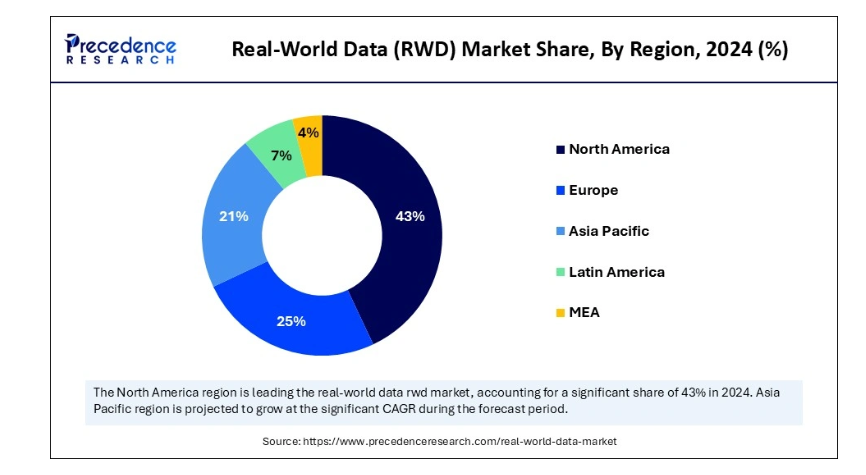
India is taking Nepal’s Shilajit raw material, processing it, branding it under Indian names, and selling it in the global market. Meanwhile, Nepal restricts itself to the domestic market, falling further behind internationally, explains Dr Yadav.
He hints that with a solid policy framework, the value of Nepali Shilajit could be significantly enhanced. “We don’t have a concrete policy at all. If a good policy is put in place, we can command much better prices in the global market.”
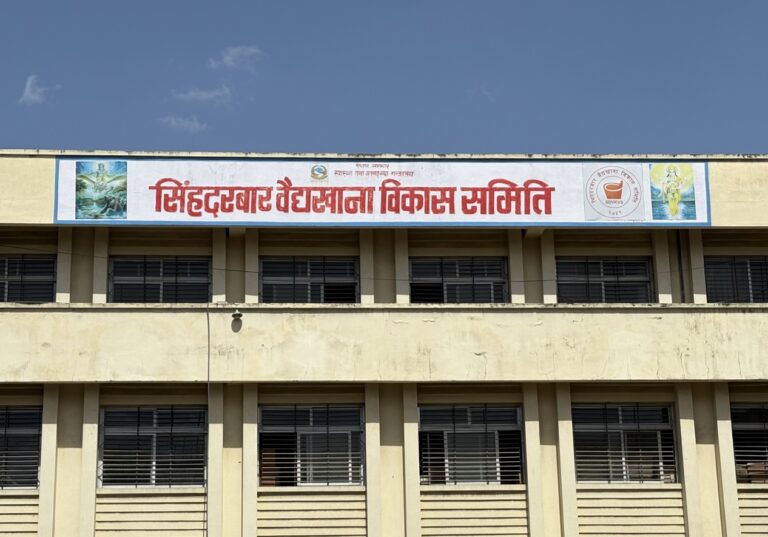
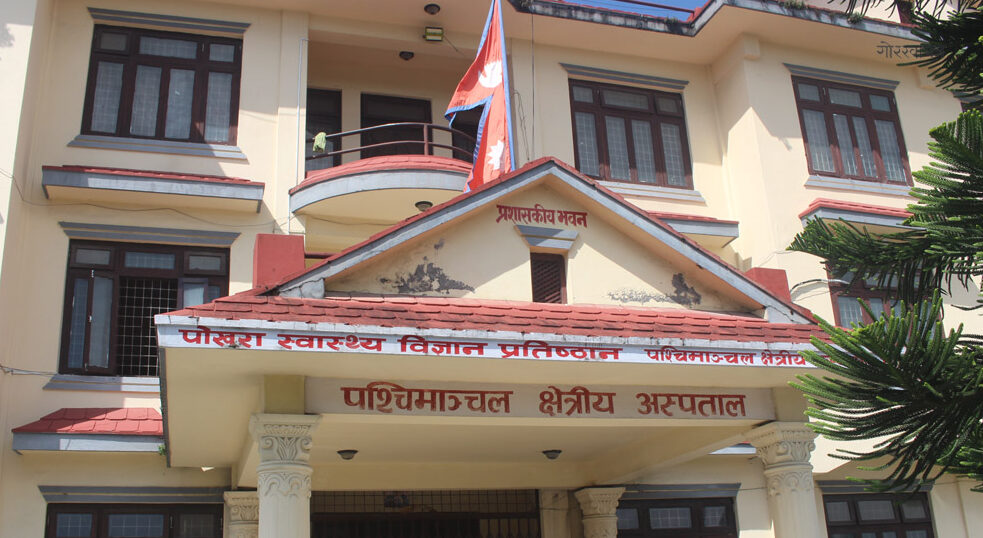
Singhadurbar Vaidyakhana Development Committee. Photo: Deep Subedi/Nepal News
Singhadurbar Vaidyakhana has set the price of 100 grams of Shilajit at Rs 1,000. But global market prices are reportedly far higher.
Balbhadra Budha, with three decades in the Shilajit trade, suggests that if the government properly maps the mountains where Shilajit is found and takes a professional approach to its collection and processing, it could generate employment for many young people and bring significant revenue into the state treasury. He concludes, “To have the goods but not the sense to use them; that’s exactly what this saying was made for.”