Kathmandu
Friday, June 26, 2026





Local governments must formulate urban agricultural policies that turn kitchen waste into fertilizer, empty roofs into farms, and consumers into producers.
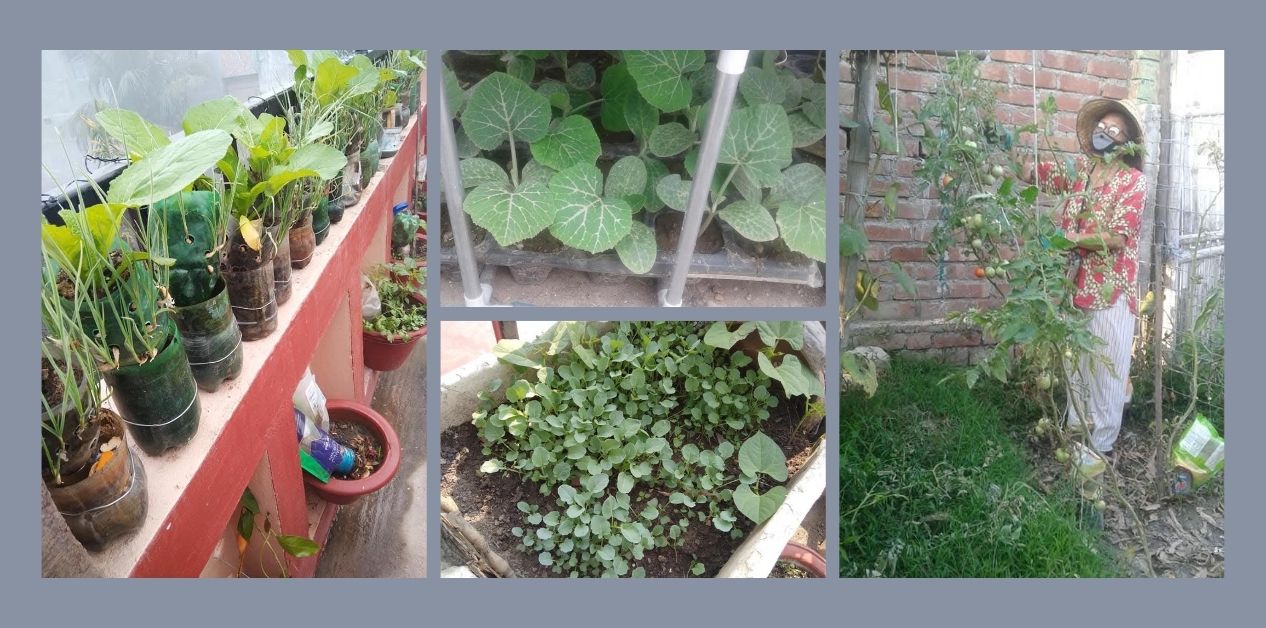
KATHMANDU: Based on my experience of growing vegetables and fruits on my rooftop in Biratnagar for nearly two decades, I can confidently say that urban farming is not impossible. With a few pots, a little soil, compostable waste from the kitchen, and constant enthusiasm, a household rooftop can become a small farm. This practice not only reduces kitchen expenses but also changes the way we think about waste management and healthy eating.
It is no longer a strange sight to see chili, lemon, green leafy vegetables, coriander, guava, dragon fruit, or other fruit plants on a rooftop. Many houses in urban areas have started transforming their limited rooftop spaces into farms. Even if many households produce a small amount this way, it can bring a significant change to the city’s food culture. This is precisely the importance of rooftop farming. It stops a household from being just a place of consumption and transforms it into a place of production.
Urban farms
Open spaces in cities are shrinking, and houses with backyard gardens are becoming rare. In this context, rooftop farming is one of the key ways to preserve agriculture. If implemented, rooftops, balconies, edges of walls, old drums, buckets, grow bags, and small containers can all become spaces for farming.
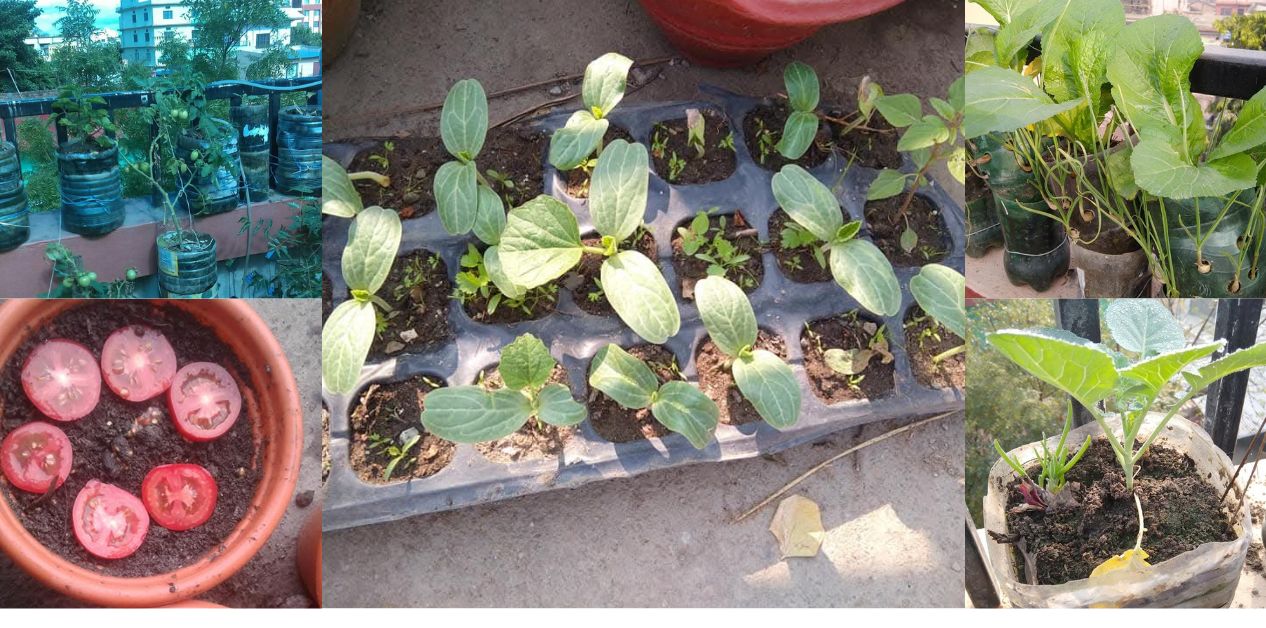
Rooftop farming is a practical answer to changing urban life. While it may not fulfill all vegetable needs, it connects the household to the source of its food. Vegetables that you have planted, nurtured, and harvested bring a different level of confidence to the kitchen. It reduces worries about pesticide-laden vegetables, slightly decreases dependency on imported produce, and teaches children directly about the source of their food.
Therefore, it is time to stop viewing rooftop farming merely as a personal hobby. It has become an issue interconnected with urban agriculture, the environment, and public health.
Utilizing waste
The strongest aspect of rooftop farming is linked to waste management. A large portion of the waste generated from urban households is biodegradable, such as vegetable peels, fruit skins, tea leaves, fallen leaves, and leftover food. If all of these are segregated and converted into compost, a massive chunk of waste can be managed right at home.
When this compost is applied to the plants growing on the rooftop, kitchen waste returns to the soil. The soil yields crops. The crops return to the kitchen. This small cycle reduces urban waste and makes citizens responsible for waste management.
Many local bodies are still stuck in the old system of collecting and dumping waste. Biodegradable and non-biodegradable wastes are mixed together, collected by private companies, transported by local authorities, and ultimately, the problem piles up at dumping sites. One of the long-term solutions is to scale up the practice of segregating biodegradable waste at home and making compost. Rooftop farming can serve as an entry point for this practice.
Misconceptions about rooftop farming
There are many misconceptions about rooftop farming. The primary fear is: can the rooftop withstand the weight? Farming haphazardly with heavy soil, cement pots, and without proper water drainage can indeed pose a risk. However, rooftop farming can be done safely by adopting the right methods.
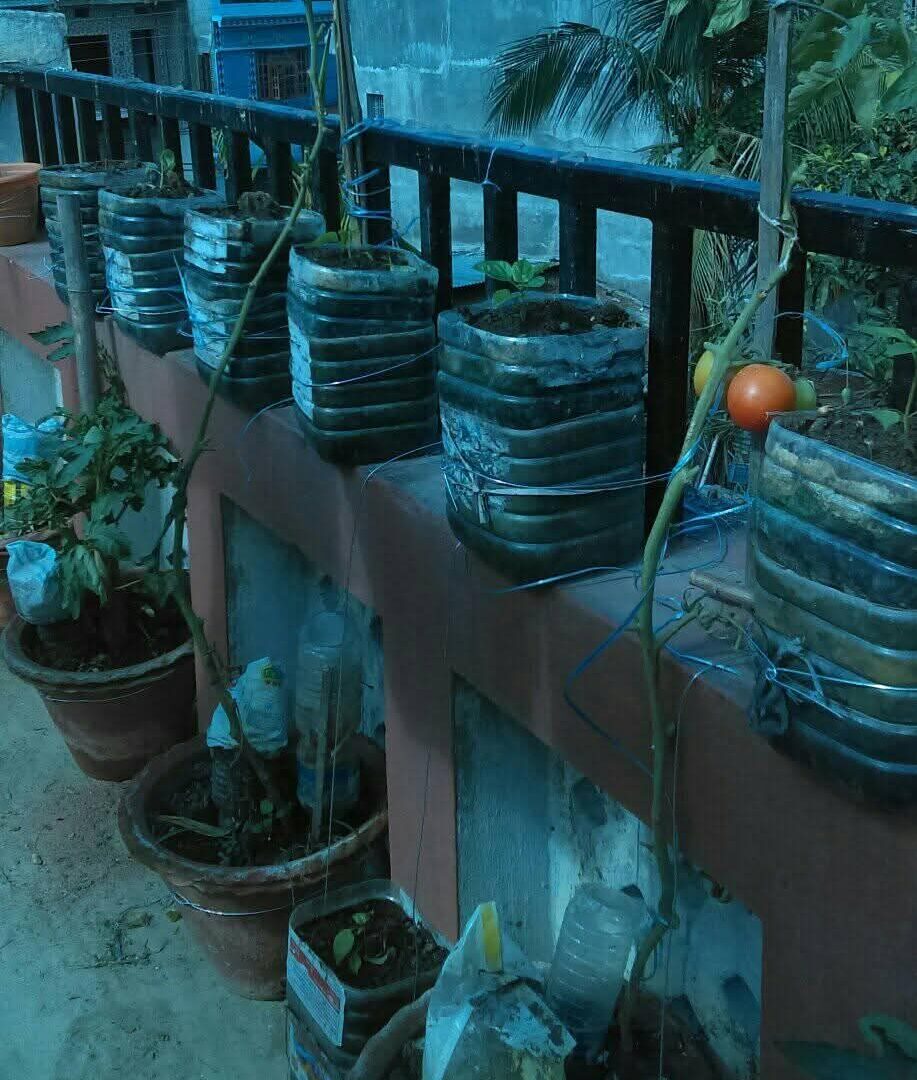
Rooftop farming is possible in most houses if one uses lightweight grow bags, plastic containers, cocopeat, compost, minimal soil, good water drainage, and maintains a proper balance of load. Instead of putting excessive weight in the middle of the rooftop, organized farming can be done along the edges or on structurally strong areas.
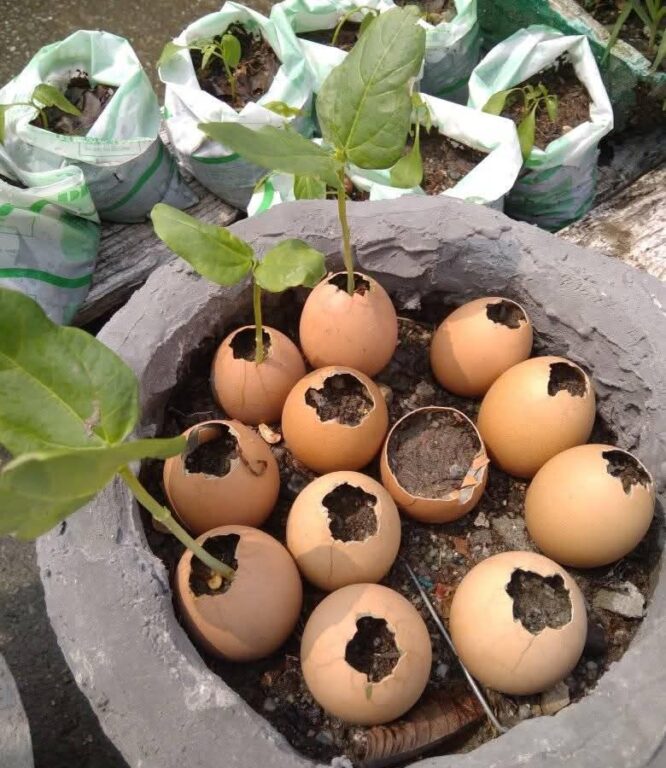
Instead, the actual problem might be a lack of information. Not everyone may know the basics, such as what to plant in which season, how much water to provide, how to control pests, how to make fertilizer from kitchen waste, and how to farm while keeping the roof safe. In this context, the role of local bodies, cooperatives, schools, and civic groups becomes crucial.
Big message from a small event
On the occasion of World Environment Day this year, the Women’s Capacity Development Center Cooperative Institution, located in Biratnagar Metropolitan City-11, honored local residents who have been producing organic vegetables in their backyards and rooftops. In the program, Akbare (habanero) chilies, sponge gourds, string beans, spine gourds, chili plants, and bonsai trees were put on display. The prize money was not large, but it sent an important message: environmental protection does not happen through speeches, it happens through household practices.
Inspired by that very program, an open market for organic vegetables has started operating every Saturday evening at Pichra Chowk. Ward residents have begun buying and selling vegetables produced on their own rooftops and backyards. This is a small market, but it is a practical exercise demonstrating the potential of urban agriculture.
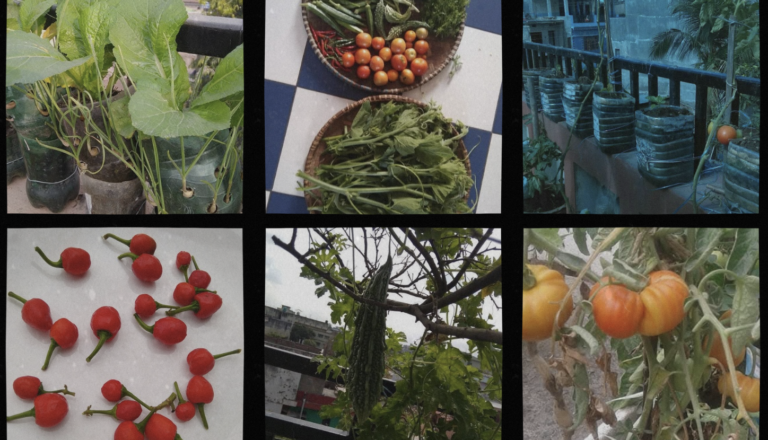
Vegetables growing on a rooftop.
Such markets, where producers and consumers meet directly, increase trust in the produce. Small-scale producers receive encouragement. When neighbors start buying products from neighbors, a small cycle of the local economy is also created.
The role of local bodies
Rooftop farming can no longer be left solely to the personal enthusiasm of citizens. It must be made a part of urban agricultural policy. If local bodies wish, they can run training sessions on rooftop farming and household composting in every ward. They can provide support with seeds, grow bags, and compost bins. They can integrate the practice of backyard and rooftop farming into schools. They can provide public spaces for weekly organic markets. They can honor households or groups maintaining excellent rooftop farms on Environment Day.
For this, merely forming farmers’ groups at the ward level is not enough. Regular monitoring is required to see whether those groups are active, whether they received training, and whether they are connected to seeds and markets. In many places, groups are formed with great enthusiasm, seeds are distributed for a while, and then the program vanishes. Such practices do not institutionalize urban agriculture. Based on experience, cities like Biratnagar should no longer treat rooftop farming as just a hobby; they must formulate a policy regarding it.
Cooperative institutions can also spread this campaign. In reality, cooperatives should not be limited to savings and credit alone. Responsibility toward the community, health, and the environment is their major scope of work. If rooftop farming is carried out through women’s groups and cooperatives, its impact will be visible in the household kitchen, family health, and the local economy.
Schools can also be linked to this. If children learn to segregate waste, make compost, plant seeds, and nurture saplings, environmental education will not remain confined to textbooks. They will start understanding nature not in a laboratory, but in the backyards of their homes and schools.
Change from the rooftop
I have been producing organic vegetables and fruits on my rooftop throughout all seasons. This year, I have grown nearly 150 chili saplings. From time to time, I have also been distributing vegetable and fruit saplings for free. Just last year, I distributed nearly 300 chili saplings for free to relatives, neighbors, and activists of the Green Resolution Campaign (Harit Sankalpa Abhiyan).
I haven’t had to buy chilies for the past few years. Dragon fruit, mulberry, lemon, guava, and mango trees have not only made the rooftop lush green, but to some extent, the compulsion to consume pesticide-laden imported fruits has been eliminated. Starting this year, green apples are bearing fruit, and for the past decade and a half, I have planted banana trees on a piece of leased land near my house. Rooftop farming has not only reduced my kitchen expenses, but my dependency on imported vegetables and fruits is gradually decreasing.

Rooftop farming cannot turn a city into a village, but it reconnects the city with nature. It makes a citizen not just a consumer, but a small producer as well. It teaches us to view waste not as a problem, but as a resource. It brings kitchen health, urban waste management, and environmental responsibility all under one roof.
It is not necessary for everyone to produce on a large scale. Even if a household plants just two chili saplings, a few bunches of leafy greens, one lemon plant, or some coriander, a beginning is made. Gradually, seeds can be exchanged with neighbors, saplings can be shared, and if there is surplus production, it can be sold in the weekly market.
World Environment Day comes once a year. However, the chilies grown on the rooftop, the kitchen waste turned into compost, and the saplings shared with neighbors keep reminding us of the meaning of the environment all year round.
Building a human-friendly green city does not always require grand schemes; change can begin right from the roof of your own house.