Kathmandu
Saturday, July 11, 2026





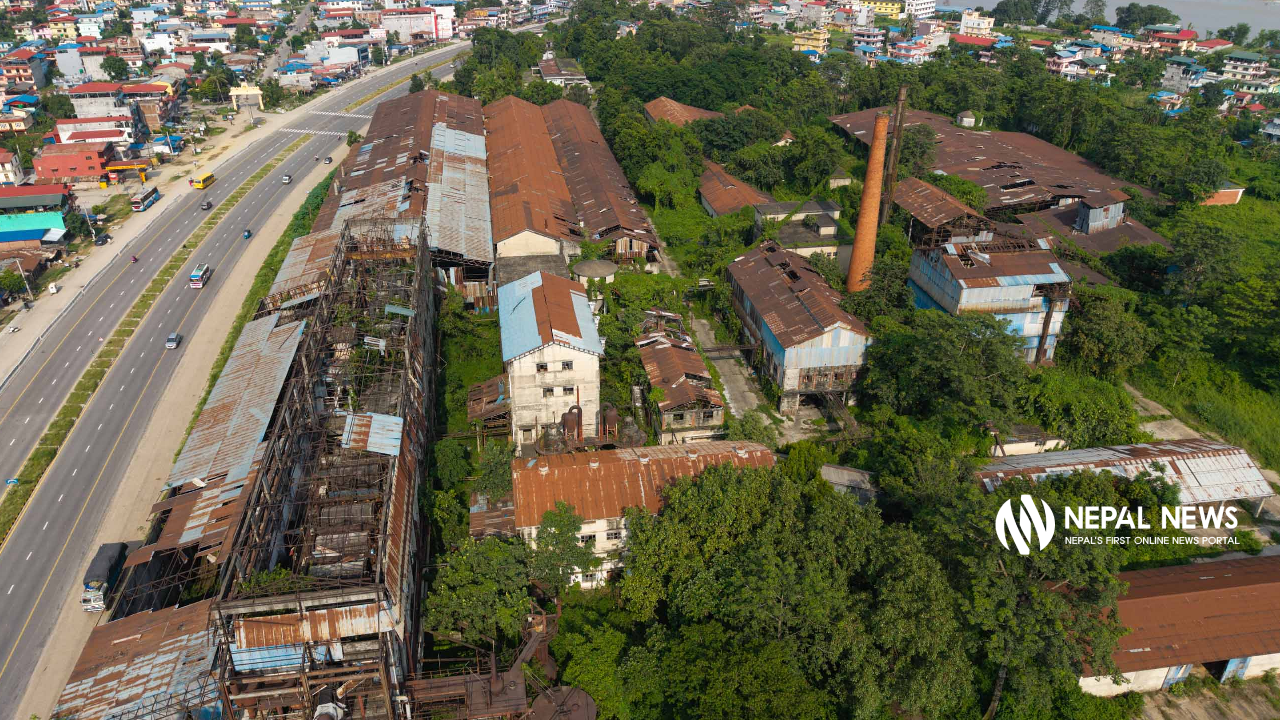
KATHMANDU: Once considered the backbone of Nepal’s self-reliance in paper production, the Bhrikuti Paper Factory has now been reduced to dilapidated structures and shut-down machinery.
Although it has been a decade and a half since the closure of this industry—which was established with the aim of producing paper domestically and substituting imports—no concrete initiatives have been taken to bring it back into operation.
With the factory’s closure, Nepal has become increasingly dependent on imports for paper and paper-related products.
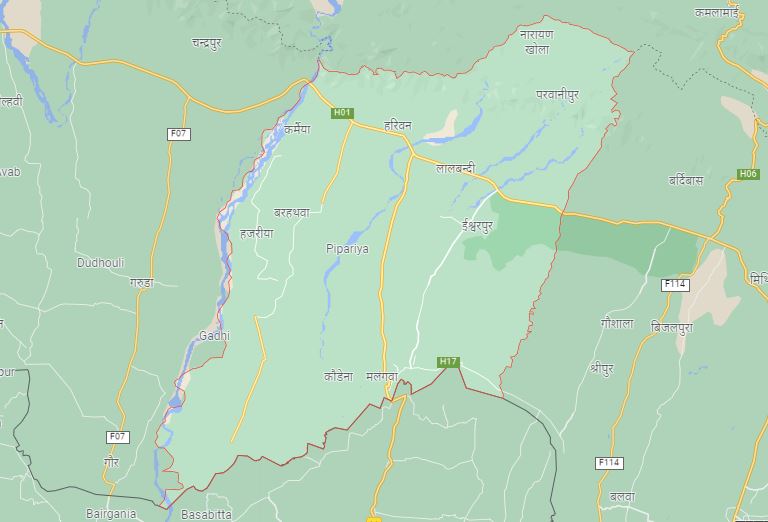
The Bhrikuti Paper Factory was established in Gaidakot of Nawalparasi (now Nawalpur) with the assistance of the government of the then-People’s Republic of China.
Established in 1982, the industry started commercial production in 1986. With a production capacity of about 42 metric tons of paper per day, the factory supplied around 35% of Nepal’s total paper demand at the time.
The factory even produced high-quality pulp and exported it to countries like Japan.
Following the liberal economic policies adopted by the government after 1991, the industry was privatized and renamed Bhrikuti Pulp and Paper Limited.
Although the initial phase of privatization saw some improvements in production and financial standing, it did not prove to be sustainable.
Due to weaknesses in management, investment, and market strategies, the industry gradually fell into crisis and ultimately halted production entirely in March 2011.
Experts note that the closure of the Bhrikuti Paper Factory was not caused by a single issue, but rather by a combination of structural, economic, and managerial problems.
A shortage of raw materials required to run the factory, a continuous rise in production costs, a failure to modernize aging machinery and technology, management flaws, financial distress, and an inability to compete with cheap imported paper became the main challenges.
After privatization, the expected investment and effective operations failed to materialize, deepening these problems and leading to the eventual shutdown.
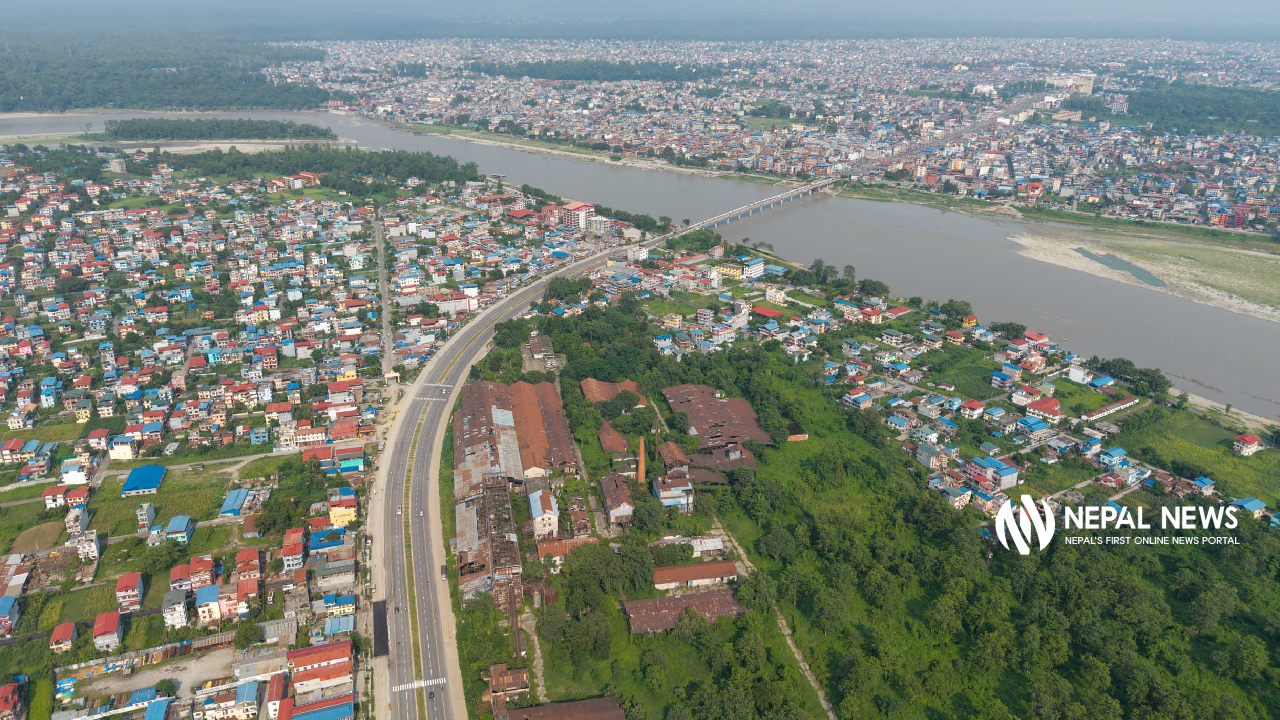
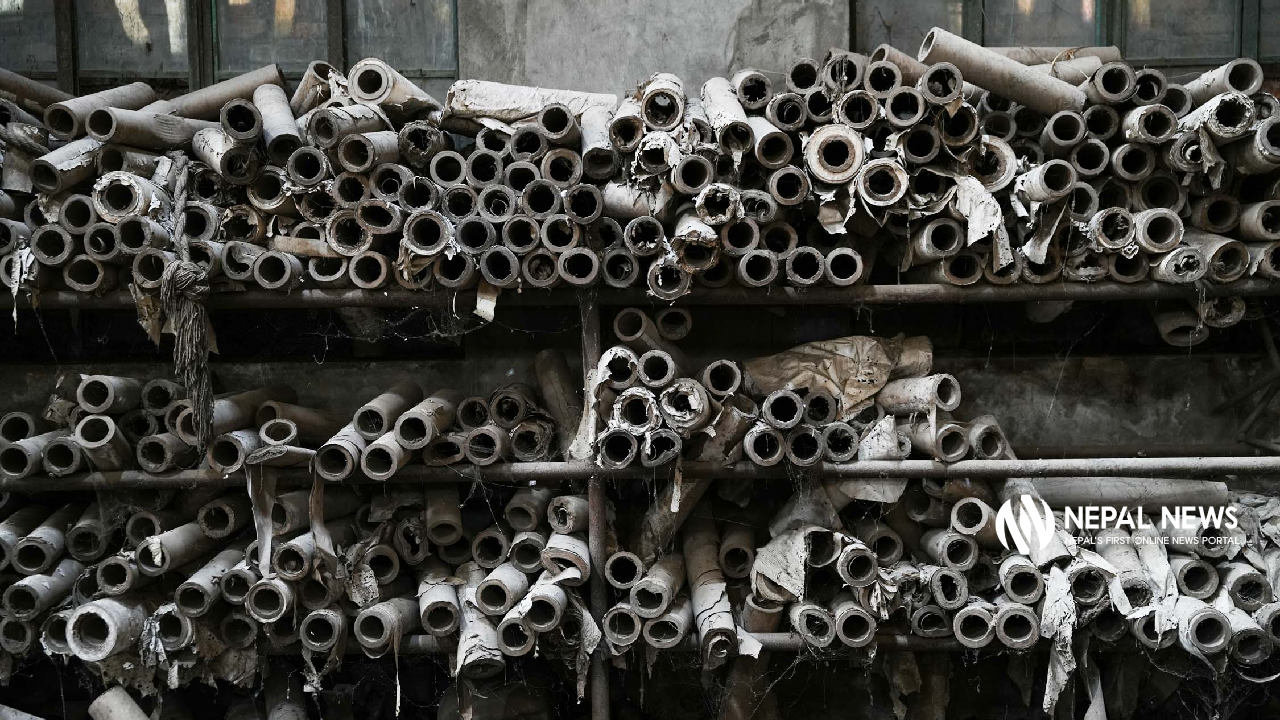
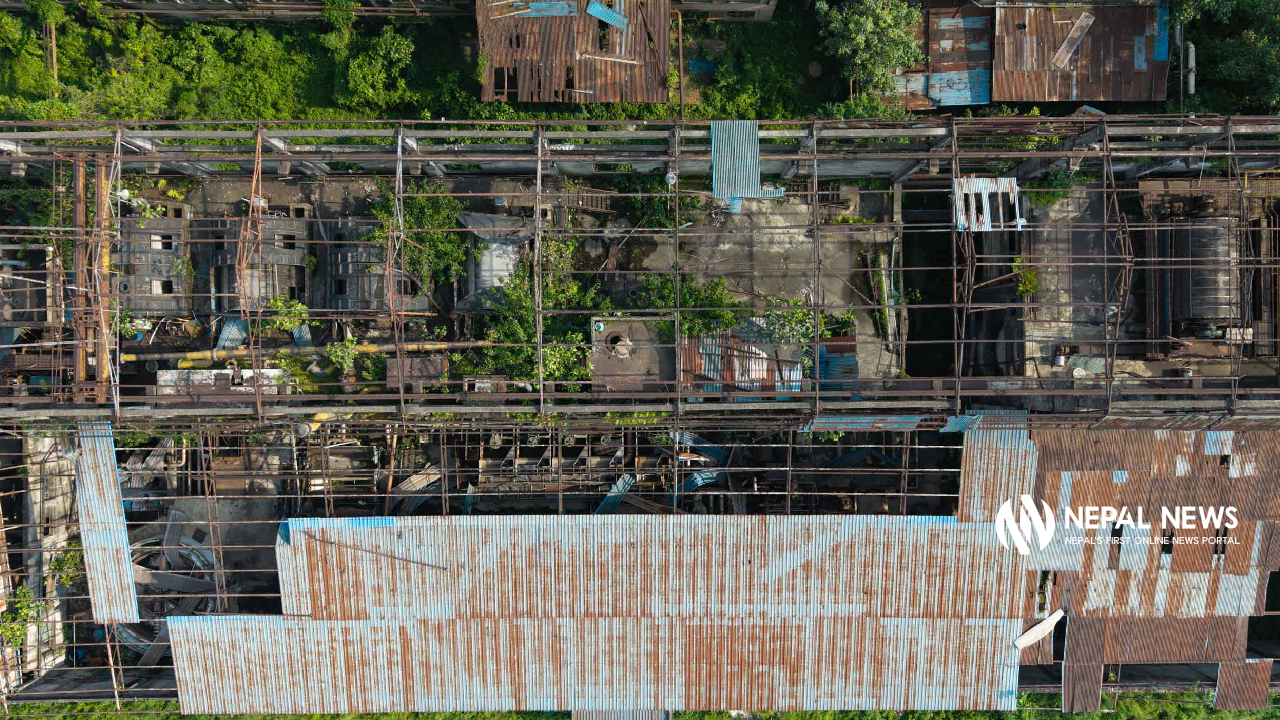
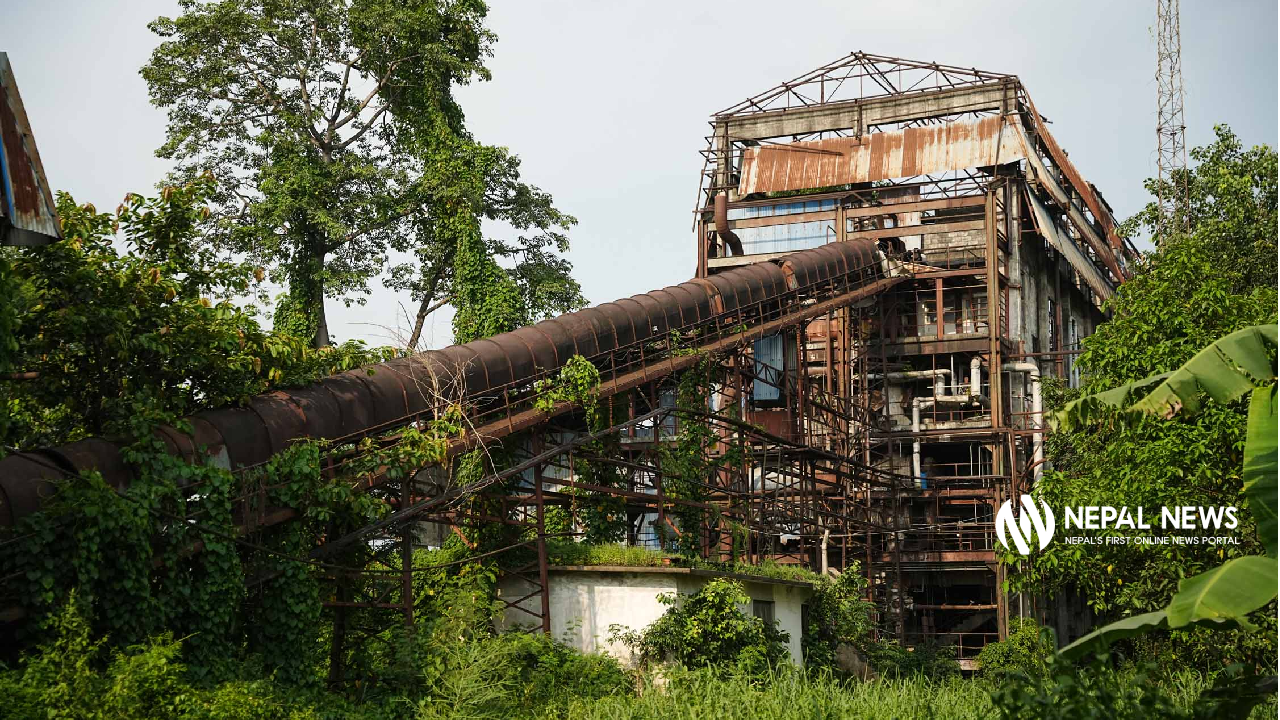
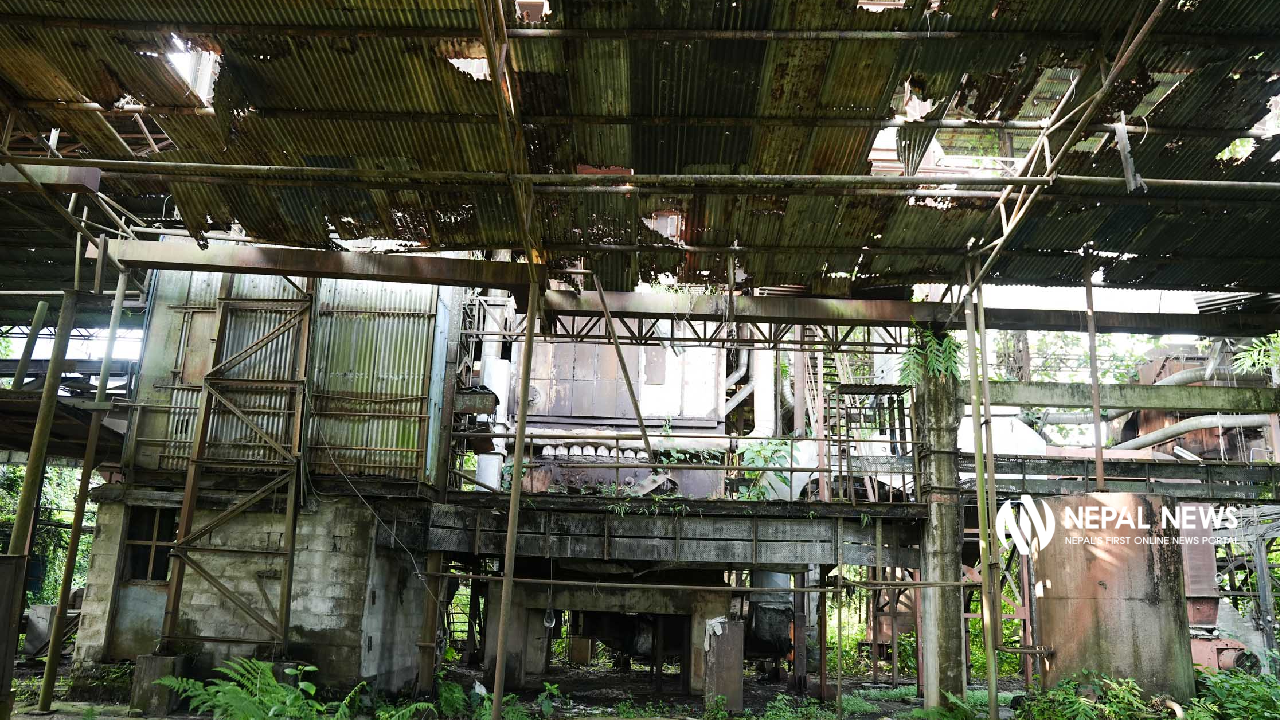
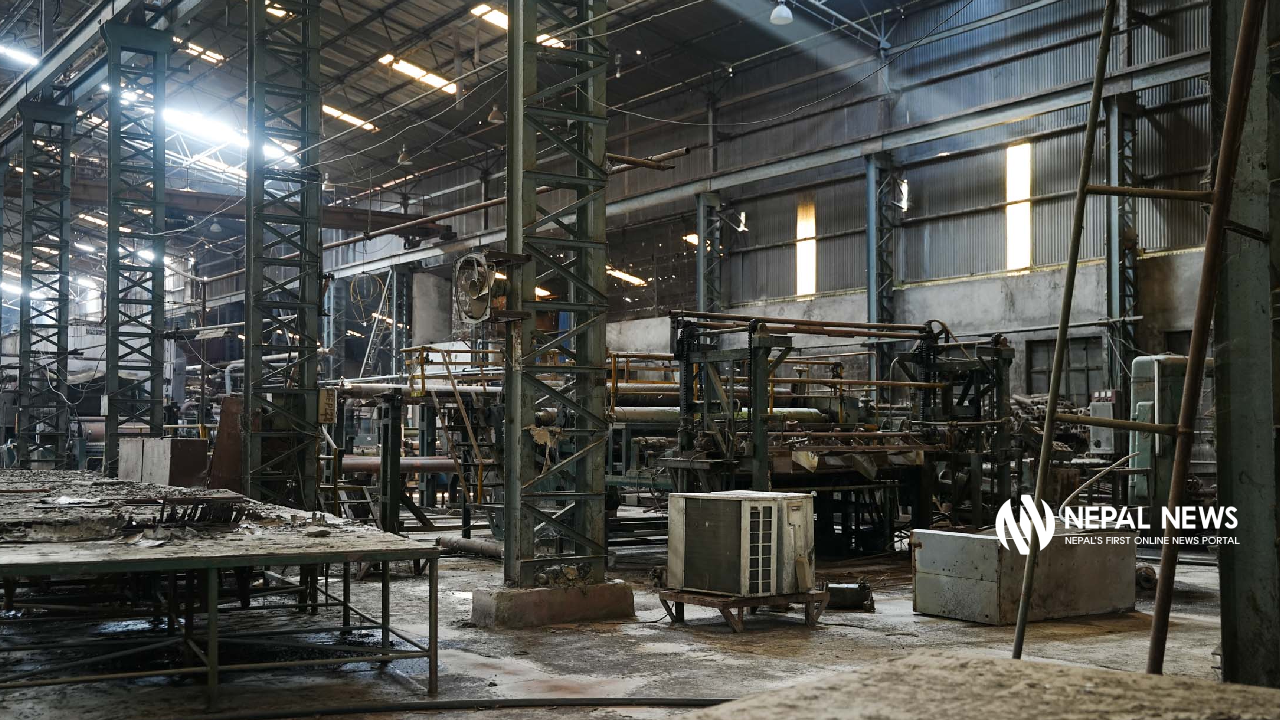
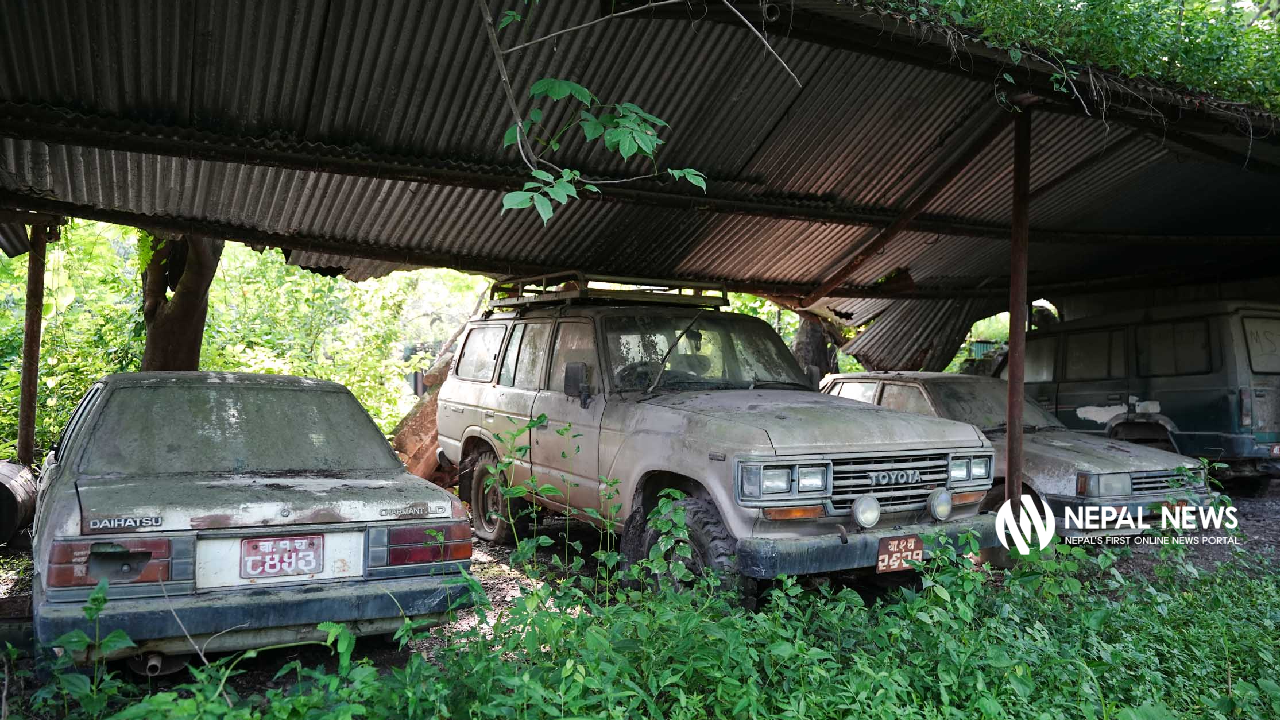
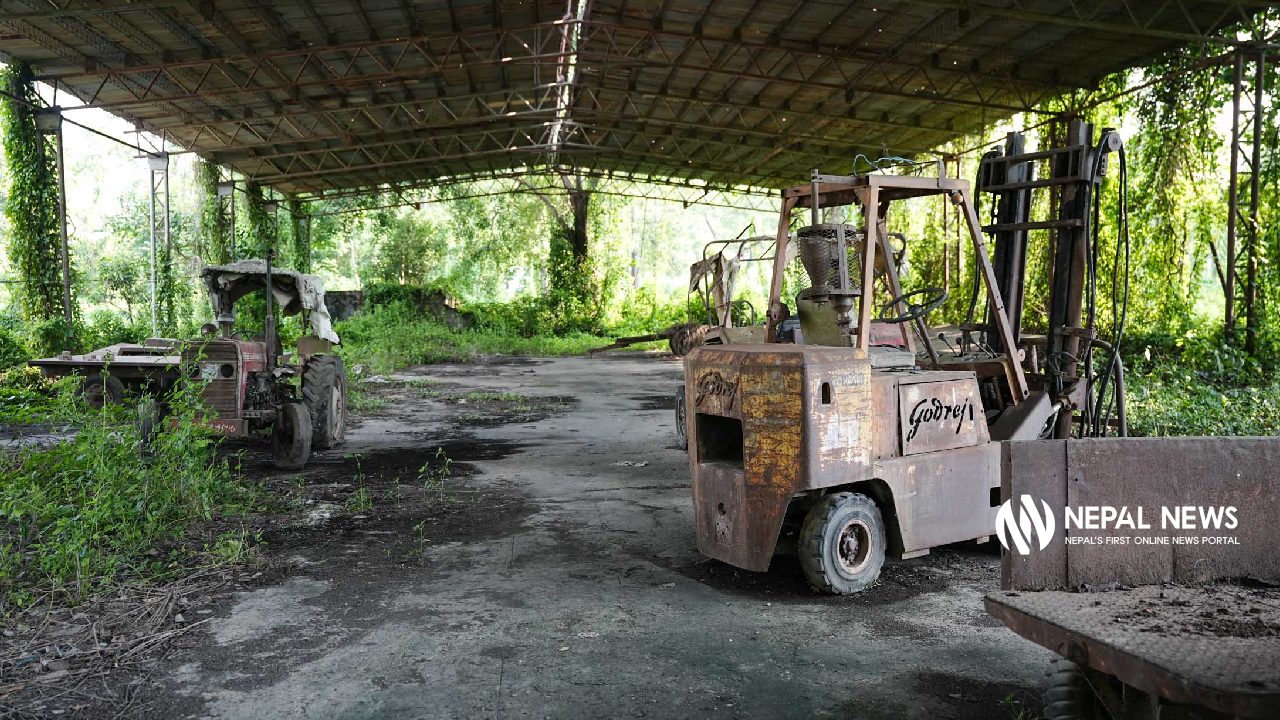
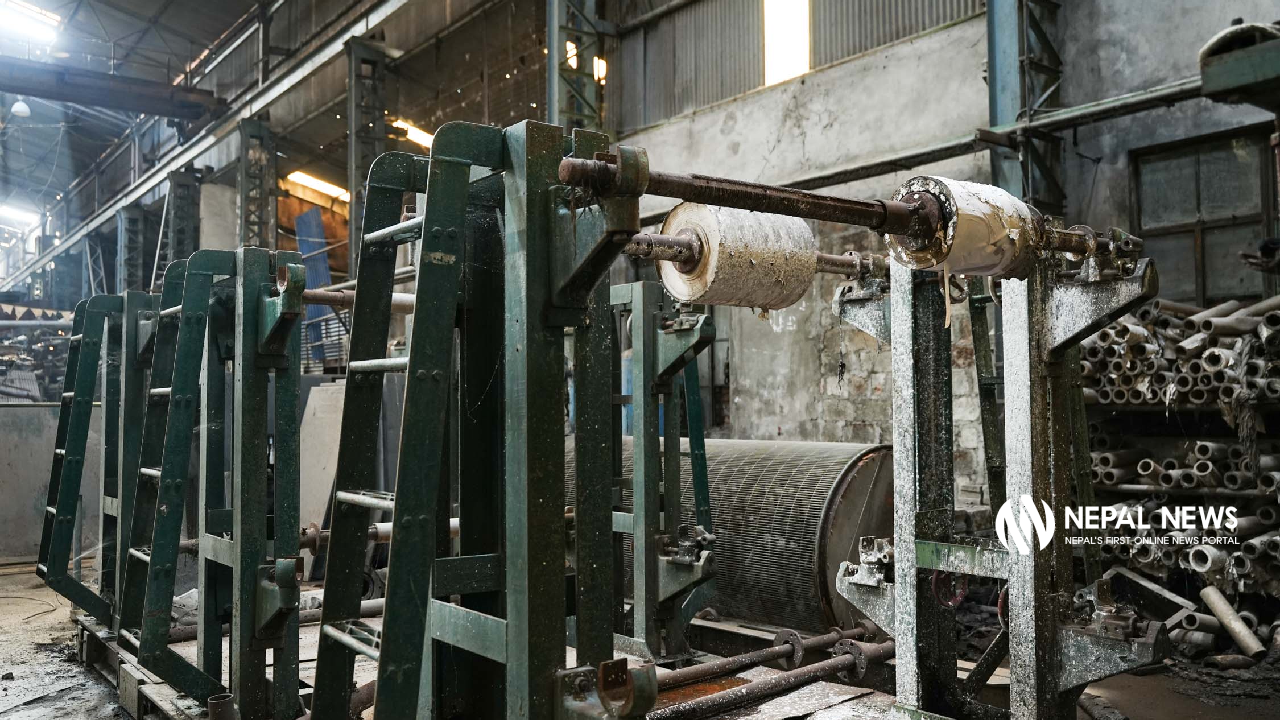
Currently, the buildings, machinery, and other infrastructure of the Bhrikuti Paper Factory are in ruins.
Most of the equipment has rusted away and become useless, while the factory premises are completely overgrown with bushes.
Since the industry closed, employees have been continuously protesting that they haven’t received their long-overdue salaries and benefits.
Local residents and stakeholders have repeatedly urged the government to either bring the factory back into operation or repurpose the land for alternative industrial uses.
Following the closure of the Bhrikuti Paper Mill, Nepal has become heavily dependent on imports to meet its paper demands.
Currently, the vast majority of paper used for printing, packaging, educational materials, office work, and industrial purposes is imported from countries like India, China, and Indonesia.
As domestic production continues to weaken, billions of rupees worth of paper and paper-related products are drained abroad every year.
Furthermore, with the rapid expansion of digital technology, even the traditional handmade Nepali paper industry is facing tough challenges in expanding its market.
The debate over resumption
Industrial experts point out that the Bhrikuti Paper Mill remains a significant asset in Nepal’s industrial history.
They believe that if the factory is revived using modern technology, sustainable raw material management, and a public-private partnership model, it could contribute immensely to substituting imports, creating jobs, and boosting a manufacturing-oriented economy.
However, while debates about restarting the factory pop up from time to time, no concrete government decision has been made, and no investment process has moved forward.
As a result, the Bhrikuti Paper Mill—once a proud symbol of Nepal’s industrial self-reliance—remains nothing more than a collection of ruins reminding passersby of its past glory.
Its revival is no longer seen as just restarting a single factory, but as an issue deeply tied to Nepal’s broader production economy and industrial renaissance.
More in photos: