Kathmandu
Sunday, July 12, 2026





The Nepal government knows exactly where its Gulf workers are stranded but it lacks the means and resources to bring them back
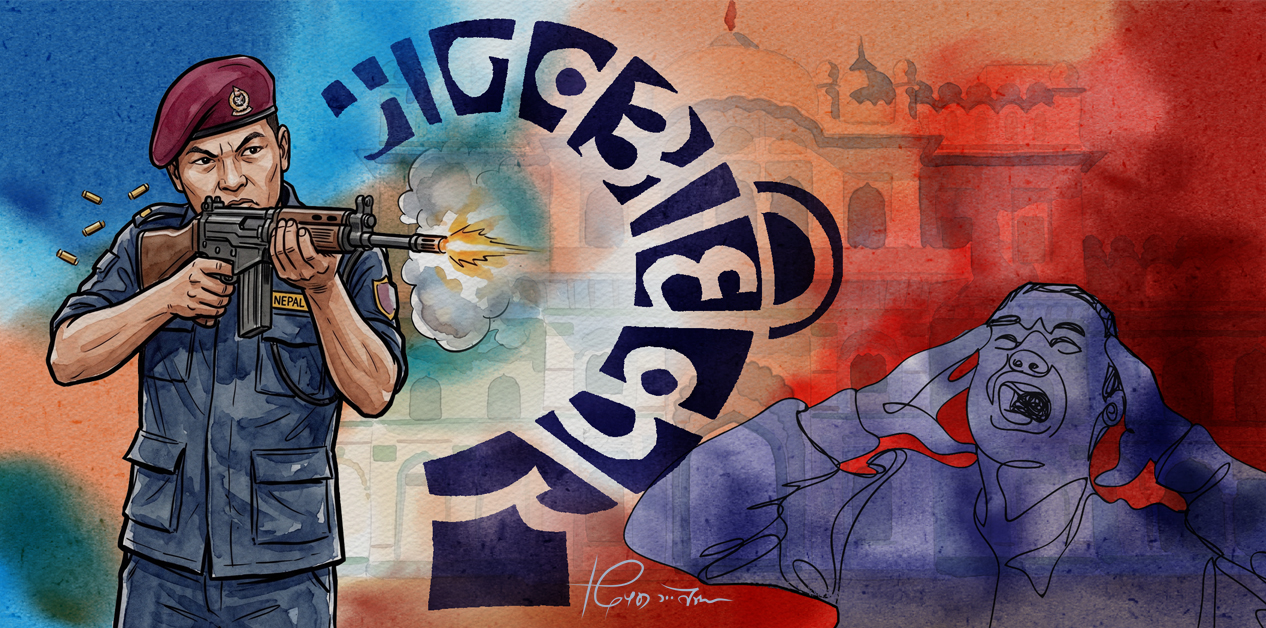
KATHMANDU: Hikmat Singh Bhandari (name changed), who had gone to Kuwait for foreign employment, is stranded in Bahrain. He can neither sleep at night nor sit calmly for long. After the United States and Israel jointly attacked Iran, the impact has been felt not only in Bahrain but also by many Nepalis like Bhandari across the Middle East.
Within days of the attack on Iran, Bahrain also came under bombardment. This has had a psychological impact on Bhandari. He suffers from problems of sudden disorientation, panic, and fainting. He has submitted an application to the Ministry of Foreign Affairs (MoFA) seeking rescue, describing the ordeal he has endured. Bhandari’s father in Nepal has also submitted an application to the ministry. But his rescue has still not happened.
It is not only Bhandari, many other Nepalis currently in the Middle East have also registered complaints with MoFA about the psychological impact they are experiencing. Another Nepali in Kuwait has registered a complaint saying the Middle East gunfire has caused him to become fearful, panicked, and unable to sleep.
The attacks on Iran have left many Nepalis in the Middle East not just terrified but genuinely unsafe. Many of them have appealed to the Nepal government and Nepali missions abroad for rescue. Foreign Minister Balananda Sharma had some time ago made public a plan to rescue Nepalis in crisis due to the ongoing Middle East conflict, even if it meant chartering a ship. But MoFA officials themselves have concluded that the plan announced by Minister Sharma is not easy to implement and that Nepal cannot afford its cost. As a result, immediate rescue of Nepalis currently facing crisis in the Gulf does not appear possible.
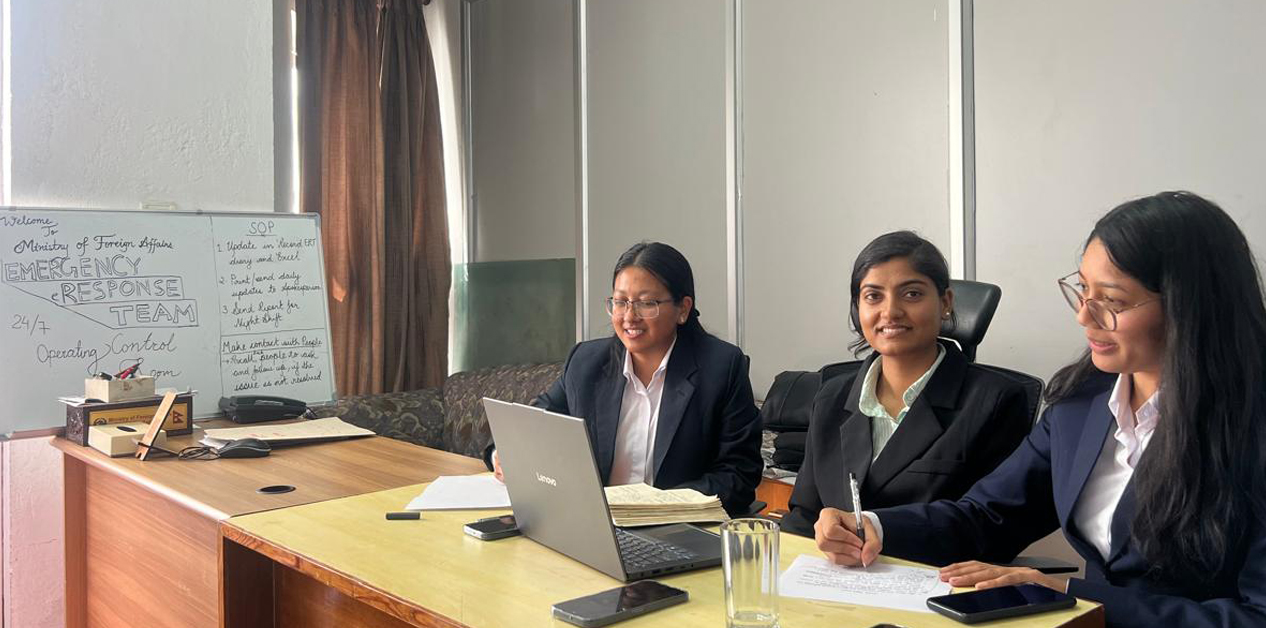
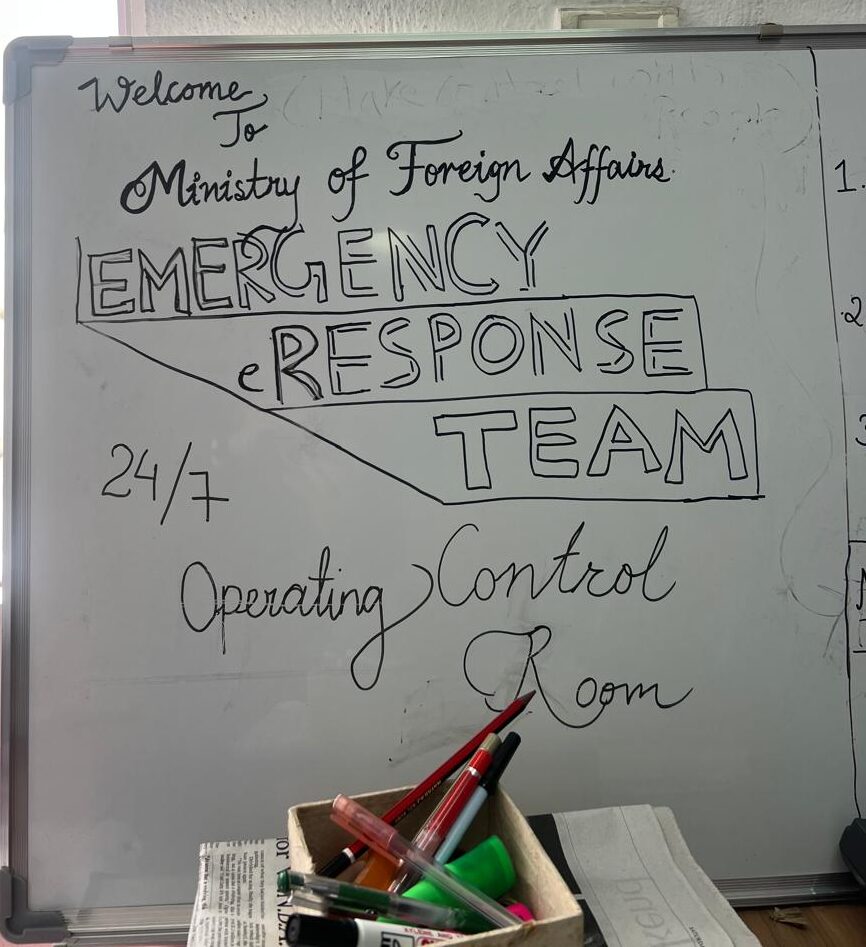
Nevertheless, MoFA has set up a separate Emergency Action Room to hear the situation and complaints of Nepalis in difficulty due to the Iran crisis. By deploying an Emergency Response Team in the room, the ministry has arranged to hear round-the-clock complaints from Nepalis facing various problems including mental health issues. When Nepal News visited MoFA Emergency Action Room at noon on March 23, section officers Sangita Bhusal and Sarita Manandhar and junior officer Geeta Bogati were busy recording complaints from Nepalis in the Middle East. Section Officer Bhusal said, “We have been active in this room 24 hours a day since March 6. Taking turns on a rotation, we respond to phone calls, messages, and emails from Nepalis in difficulty abroad; we counsel some and request the Nepali missions in relevant countries to help resolve others’ problems.”
The ministry’s Emergency Response Team has found that even phone counseling makes Nepalis in crisis due to the war feel much more at ease. Bhusal added, “The war has caused mental and psychological problems for many Nepalis. Even when we just offer consolation to those who call in a panic from there, they feel a great sense of relief.”
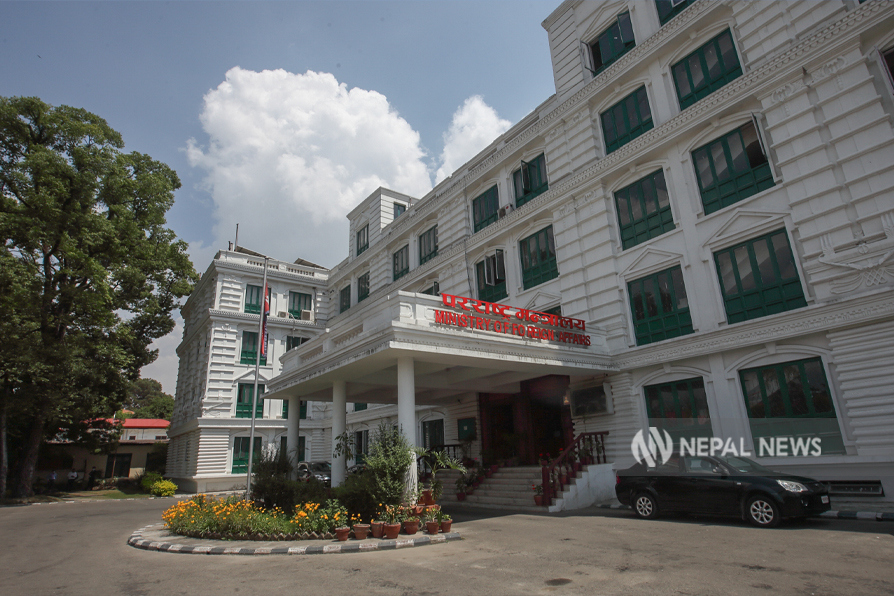
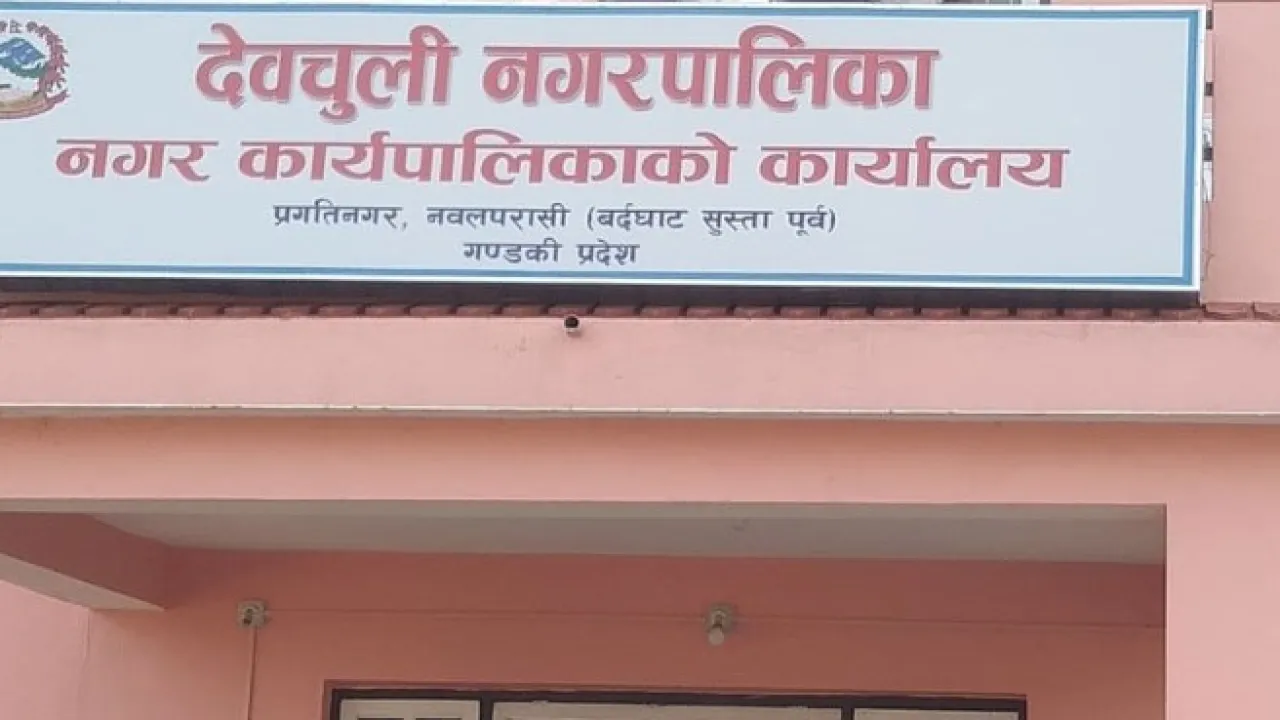
The Ministry of Foreign Affairs. Photo: Bikram Rai/Nepal News
Since America and Israel attacked Iran, many unsafe Nepalis in the Middle East are now registering their situation and problems with MoFA on a daily basis. According to the ministry’s Spokesperson Lok Bahadur Chhetri, arrangements have been made for Nepalis in the Middle East to register their problems at the ministry’s Emergency Response Room via phone, email, and message. The ministry has been addressing the complaints received on a priority basis. From March 6 to 23, as many as 200 people from the Middle East have registered their crisis situations and complaints. Based on the complaints registered at the ministry, it has requested the relevant country’s or nearby Nepali mission to provide emergency rescue or assistance.
The comparatively simpler problems have also been resolved by the ministry team through counseling. Since the Iran attack, the Emergency Response Team has been receiving the most complaints from Bahrain, Croatia, the UAE, Cambodia, Kuwait, Belgium, and Saudi Arabia. Section Officer Sarita Manandhar says, “The most complaints come from these countries. Among the complaints we receive, we address them on a priority basis.”
Among the complaints received by the Emergency Response Team, Nepalis in Kuwait and Bahrain share a common problem. They have been expressing worry about how to get from where they are to Saudi Arabia and from there return to Nepal. Since there are no direct flights from Kuwait and Bahrain to Nepal, it is not easy for Nepalis working in those countries to return home.
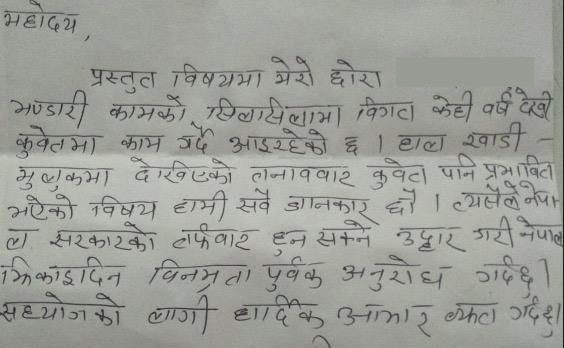
An application submitted by a father seeking the rescue of his distressed son.
Nepalis abroad can also register their problems through the legal.nepalconsular.gov.np website that MoFA launched following the Iran tensions. According to MoFA Spokesperson Chhetri, more than 84,000 Nepalis abroad have already registered their personal details and problems through this website since the Middle East crisis. Immediately after America and Israel attacked Iran, MoFA had urged Nepalis in the Middle East to register their details on that website. Spokesperson Chhetri adds, “Nepalis abroad have been registering their situation and personal details through the website we launched. This has made it easier for the government to know the situation of Nepalis outside the country.”
According to Chhetri, the ministry has been classifying complaints registered in the Emergency Action Room and on the ministry website and advancing emergency rescue and response on a priority basis. He adds, “We first collect accurate information and on that basis advance emergency rescue and assistance.”