Kathmandu
Thursday, July 9, 2026





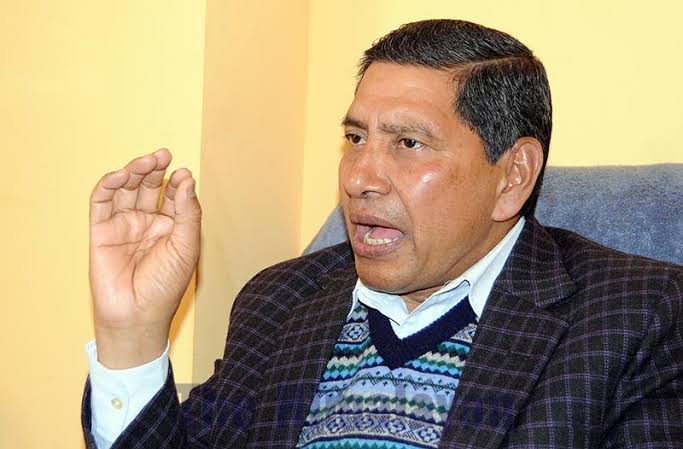
KATHMANDU: Senior leader of the Nepali Communist Party, former Deputy Prime Minister, and former Foreign Minister Narayan Kaji Shrestha has strongly criticized the incumbent Balendra (Balen) Shah administration, warning that recent developments signal a dangerous departure from Nepal’s long-standing independent and non-aligned foreign policy.
In a public statement, Shrestha revealed that serious concerns and suspicions had already taken root in Nepal following formal congratulations extended to both the former Sushila Karki-led interim government and the current Shah administration by the Dalai Lama and his self-proclaimed government-in-exile.
He further noted that rumors have been actively circulating regarding a potential plan to announce the next successor to the Dalai Lama from within Nepal.
“Amidst these concerns, the Dalai Lama’s birthday was celebrated in Nepal just a few days ago under an official government permit,” Shrestha stated, pointing to reports that Kathmandu-based diplomats from several Western nations were in attendance. “This is not an ordinary or minor incident. It strongly reinforces suspicions that the current government is steering Nepal’s foreign policy toward a serious deviation.”
The veteran communist leader warned that reducing Nepal’s historical non-aligned foreign policy to a mere formality while practically aligning with the strategic interests of certain powerful nations would invite catastrophic consequences.
“If the government moves toward fulfilling the strategic interests of external powers, it will push Nepal’s national sovereignty and independence into a severe crisis,” Shrestha cautioned. “The patriotic people of Nepal will absolutely never accept this, and robust resistance will be inevitable.”
Shrestha concluded his statement with a stern warning to the administration, demanding an immediate halt to any actions that undermine the nation’s independence. “I issue a serious warning to the government to completely refrain from any such activities that compromise our national sovereignty and independence.”