Kathmandu
Saturday, July 25, 2026





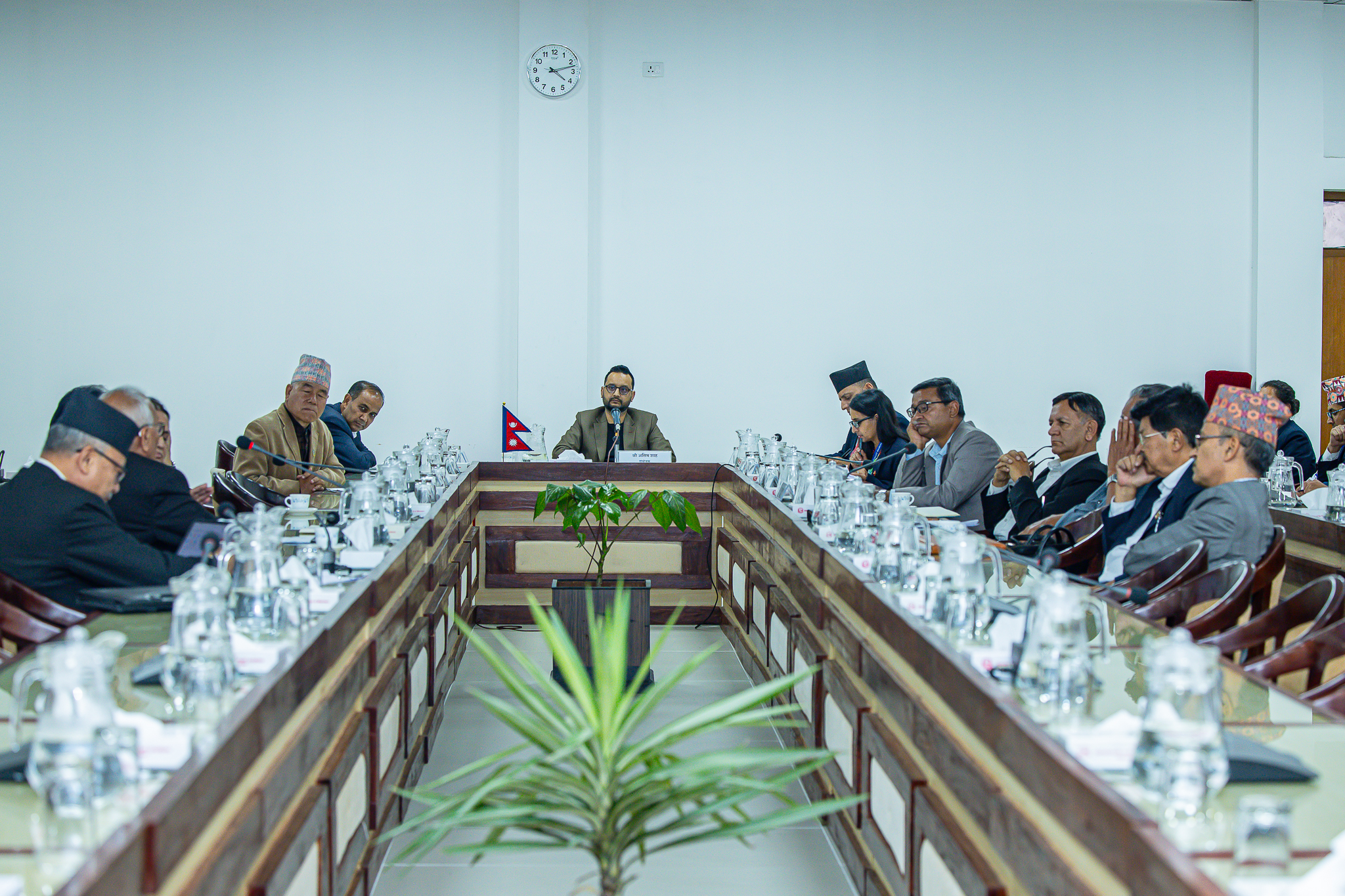
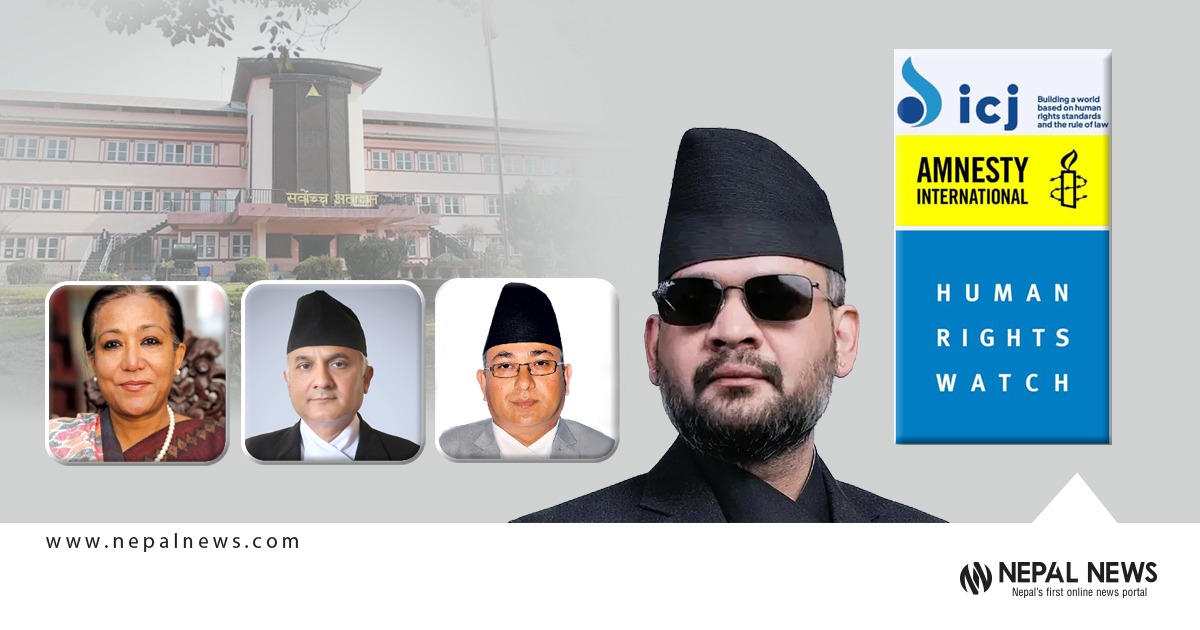
KATHMANDU: A task force formed to prepare a discussion paper on constitutional amendments has held consultations with former Attorneys General and legal experts.
The discussion was organized today at the Office of the Prime Minister and Council of Ministers under the coordination of Prime Minister’s political advisor Asim Shah.
During the meeting, former Attorneys General presented their suggestions on key constitutional issues including the system of governance, electoral system, federal structure, restructuring of the judiciary, number of constitutional bodies, and inclusion.
Former Attorney General Dr. Yubaraj Sangroula suggested that the purpose and necessity of constitutional amendment must be clearly defined. He proposed considering non-partisan local governments, direct election of provincial heads, and studying international practices.
Former Attorney General Sabita Bhandari stressed that implementation and governance culture matter more than the constitution itself.
She said a change in the system of governance may not be necessary and suggested allowing lawmakers to serve as ministers. She also proposed voting rights for Nepali citizens abroad, reducing provinces, merging overlapping ministries, and reviewing the Judicial Council and parliamentary hearing system.
Former Attorney General Raman Kumar Shrestha supported a directly elected executive head, a ban on MPs becoming ministers, restructuring of the judiciary, and reconsideration of the constitutional bench.
Former Attorney General Mahadev Prasad Yadav emphasized leadership ethics and institutional conduct in state-building and suggested reviewing the number of constitutional commissions.
Former Attorney General Muktinarayan Pradhan argued for preserving existing rights while ensuring additional rights, supporting a directly elected executive, parliamentary accountability, judicial restructuring, and strengthening high courts.
Former Law Minister and Attorney General Agni Prasad Kharel said a clear political consensus is needed on the system of governance and stressed strengthening local governments and maintaining inclusion as a core constitutional value.
Constituent Assembly member Suresh Ale Magar supported a fully proportional electoral system and said reducing commissions alone would not solve problems without improving leadership integrity.
MP Parshuram Tamang said constitutional amendments should also address issues of international treaties and concerns of Madhesi, Muslim, and Indigenous communities. He suggested revising conflicting constitutional schedules, improving electoral representation, and reviewing the structure of the National Assembly.
Former Law Secretary Rajiv Gautam called for a clearer governance model, fewer constitutional bodies, and a more efficient law-making process.
He also proposed performance evaluation of judges and clearer roles for provincial heads.
Task force coordinator Asim Shah said the need for constitutional amendment has emerged due to evolving political debates, a decade since the constitution’s adoption, and growing public demands for governance reform and anti-corruption measures, including from recent youth movements.
He said the suggestions will be used in preparing the discussion paper.