Kathmandu
Saturday, July 25, 2026





The untold story behind Baisakh 11 is not just about a democratic victory, but about deals, reversals, and betrayals that redrew Nepal’s political future.

KATHMANDU: Every year since 2063 BS (2006), on the eleventh day of Baisakh, Nepal has been marking what the country’s political establishment calls a triumph of democracy. It is the day in 2063 of the Bikram Sambat calendar – April 24, 2006, by the Gregorian reckoning – when King Gyanendra appeared on state television for a second time within a week and handed executive power back to the people. His previous proclamation which had come on Baisakh 8 (April 21) was rejected by the then Seven Party Alliance (SPA) which had been protesting against his direct rule. The king’s first proclamation was shrugged off by the agitating parties because it did not address their key demand – the restoration of the House of Representatives dissolved in 2002.
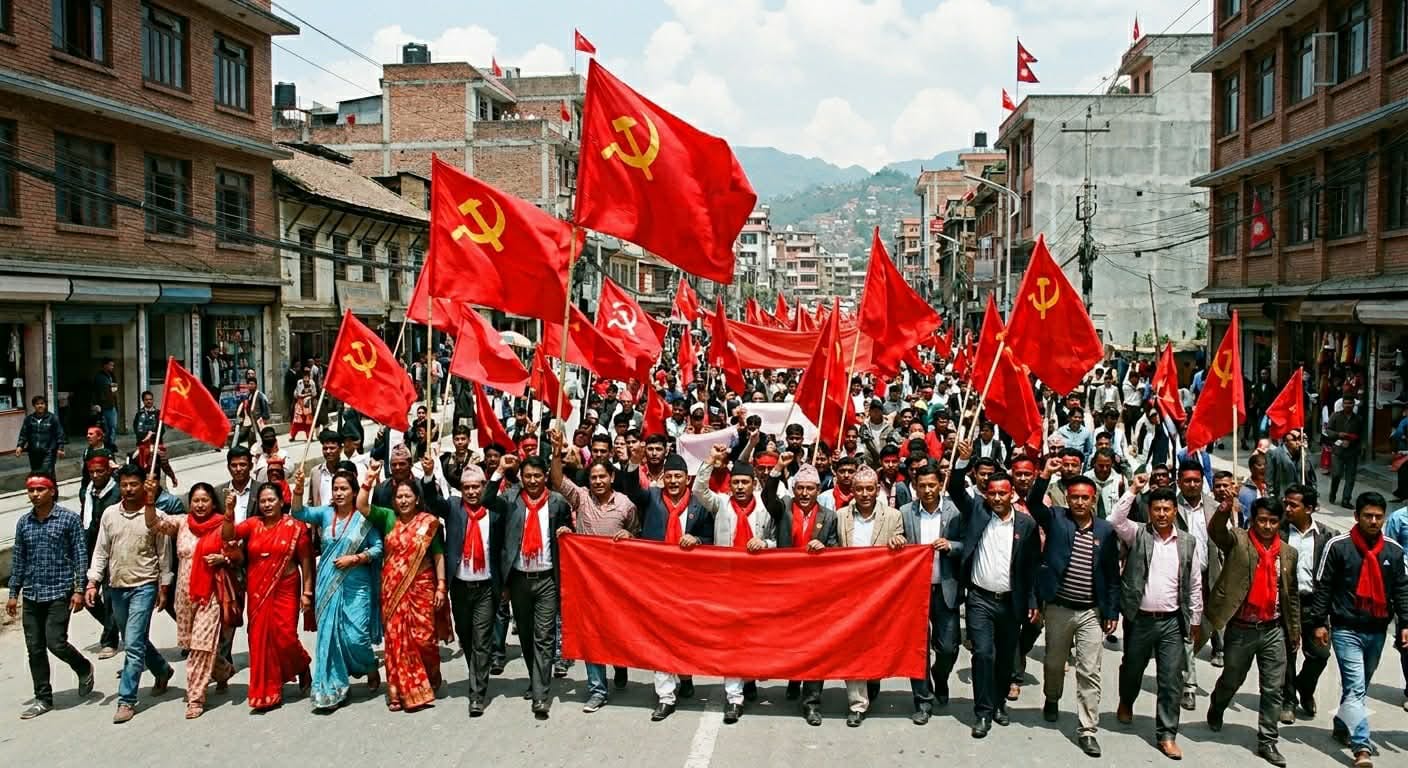
Nevertheless, the SPA erupted in jubilation following the king’s second proclamation which addressed their parliament restoration demand. The streets of Kathmandu, still raw from 19 days of tear gas and baton charges, filled with a different kind of crowd. A new Nepal, it was claimed, had been born.
But there is another side to the Baisakh 11 story. A side that has been ignored by the victorious narrative for years. A side that provokes a number of questions regarding the promises made to the king that day and how serious the other party was about honoring them. In order to understand what went wrong, the first thing that needs to be done is to understand the reasons behind King Gyanendra’s actions.
But there is another side to the Baisakh 11 story. A side that has been ignored by the victorious narrative for years. A side that provokes a number of questions regarding the promises made to the king that day and how serious the other party was about honoring them.
On the first of February 2005, King Gyanendra dismissed the then Prime Minister of Nepal, Sher Bahadur Deuba, because of his repeated failures to conduct elections. After the king’s dismissal of the Prime Minister, opposition leaders were arrested, an emergency period was declared, and King Gyanendra seized absolute power. And yet, on the evening of Baisakh 11, he “surrendered to the power of people” and lost eventually not just the government, but, as events would show, everything.
No rational sovereign makes such a move without some solid assurance of what follows. History offers no precedent for a monarch in Gyanendra’s position voluntarily handing power to the very forces agitating against him without negotiating a floor of protection. The logical inference is stark: there was a deal. The question is what it contained, and who dismantled it.
New Delhi sends its envoy
The clearest evidence that a deal was being brokered lies in India’s own actions in the days before Baisakh 11. As the protests swelled with thousands of people filling the capital Kathmandu, towards the final days of the 2006 Movement, also called Janandolan II, New Delhi apparently grew alarmed. India dispatched Dr Karan Singh, a senior Congress I politician with royal lineage and personal credibility in Nepal’s palace circles, as a special envoy. His mission was not to accelerate the monarchy’s fall. It was, by most accounts, to negotiate a soft landing, to convince the King to restore parliament and accept a ceremonial/constitutional role, while simultaneously persuading the SPA to accept a constitutional monarchy as the framework going forward.
This was India’s historic comfort zone. New Delhi had long preferred, at least publicly, a Nepal with a monarchy as ballast against political chaos, and, more practically, against Chinese influence. According to some analysts, a republic Nepal governed by a fractious party system, or worse, by Maoist insurgents, was not what India wanted on its northern border.
Karan Singh arrived in Kathmandu on April 20, 2006, four days before the king’s second proclamation. The message he carried was a compromise: the king steps back, the parties return to governance, and the monarchy survives, diminished but intact. It was the kind of deal that sensible actors on both sides had reason to accept.
Karan Singh arrived in Kathmandu on April 20, 2006, four days before the king’s second proclamation. The message he carried was a compromise: the king steps back, the parties return to governance, and the monarchy survives, diminished but intact. It was the kind of deal that sensible actors on both sides had reason to accept.
What followed suggests that, at least in outline, the message got through. But something changed between Karan Singh’s arrival and the moment King Gyanendra actually spoke. Official records confirm that Indian Prime Minister Manmohan Singh was on a state visit to Germany from April 22–26, 2006. It was the precise window in which Baisakh 11 fell and the critical transactions were taking place, leaving Pranab Mukherjee (who would later become India’s President) as officiating Prime Minister in New Delhi.
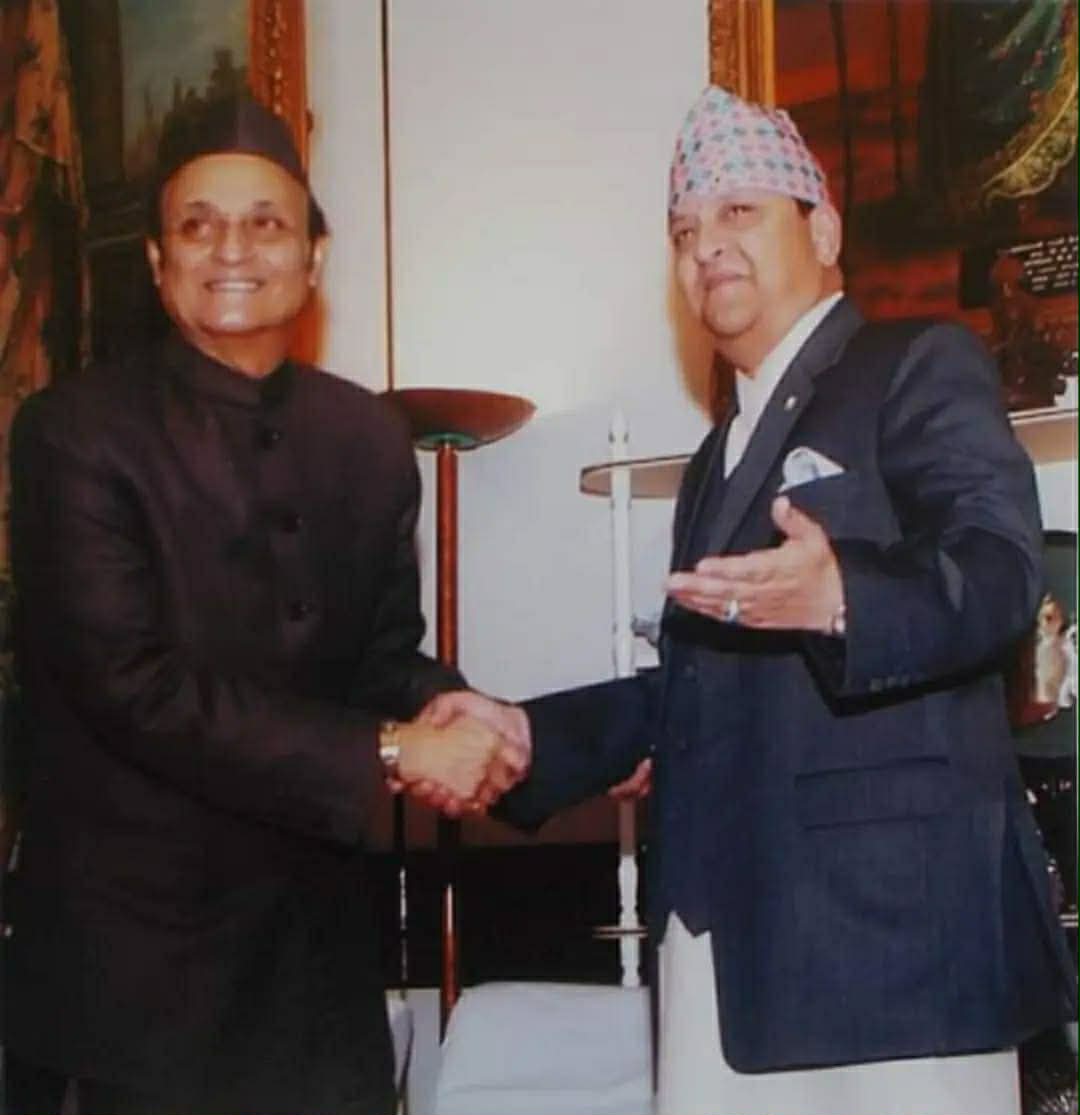
Former king Gyanendra Shah (right) and Karan Singh (left)
Mukherjee, then transitioning from the Defense portfolio to External Affairs, was a political animal of a very different stripe from the soft-spoken economist Prime Minister Singh. A product of the Indira Gandhi school of realpolitik, deeply networked in West Bengal’s leftist political culture, Mukherjee was not a man known for sentimental attachments to monarchy.
The allegation, circulated with persistence in Nepal’s royalist and nationalist circles, and not without some circumstantial basis, is that Mukherjee used his brief tenure as officiating PM to tilt India’s Nepal policy away from the Karan Singh framework. Where Singh had promised the parties that a ceremonial monarchy would be preserved in the new constitution, Mukherjee’s interlocutors reportedly gave no such assurance. The floor that the king believed existed was quietly removed.
Whether this was Mukherjee’s personal initiative, a factional shift within India’s Congress I government, or simply a cold recalculation that a compliant Maoist-aligned government served Indian interests better than an “unpredictable king”, is difficult to establish definitively. What is clear is that India’s position shifted and shifted fast. By 2008, New Delhi would be among the first capitals to welcome Nepal’s republican dispensation.
The deal and its contents
The first Constituent Assembly (CA) formally declared Nepal a republic, endorsing the Interim Parliament’s December 2007 declaration of the same, on May 28, 2008. Essentially, the Interim Parliament had predetermined what the CA would do. Within a couple of weeks of the formal, legally operative declaration by the CA, the dethroned King Gyanendra organized a press conference at Narayanhiti and drove out of the palace smiling. He was almost quiet for seven years. But he broke his long silence and publicly claimed betrayal in February 2015. Issuing a statement on the eve of Democracy Day – Fagun 7 (February 19) – he claimed he had reached an agreement with political parties in 2006 which they had gone back on, urging the parties to implement that agreement, though he did not specify its contents.
The existence of the deal is no longer merely a matter of royalist claim. The then Rastriya Prajatantra Party chair Pashupati Shumsher Rana made the sensational disclosure that the political parties had reached a secret deal with King Gyanendra in 2006 not to abolish the monarchy, with Karan Singh mediating between the parties and the king to save the institution.
Manmohan Singh, then in Berlin, publicly said that “India stood by two principles”, implying continuation of constitutional monarchy and multi-party democracy in Nepal. But in what is described as the rarest of such acts, a serving Foreign Secretary publicly contradicted the PM’s official line and won.
The core of the deal, as it has since been pieced together, was straightforward: the king would reinstate parliament, Girija Prasad Koirala would be appointed prime minister, and in return, the monarchy would have a place in the new constitution. It was an agreement reached between the parties under the supervision of the Indian ruling Congress.
More specifically, highly placed sources say the secret deal would have amended a law about the monarchy in the first session of the reinstated parliament on May 18, 2006, enshrining the monarchy’s constitutional survival in law before the constitutional process had even begun. The political parties denied any agreement, with NC leader Krishna Sitaula claiming the only deal was that the parties would allow the ex-King to live in Nirmal Niwas, his private residence in Kathmandu’s Maharajgunj.
The man who unraveled it
Karan Singh visited Nepal as a special emissary of the Indian PM Manmohan Singh in April 2006, in company of the then Foreign Secretary Shyam Saran, who had already served as India’s ambassador to Nepal. Singh and Saran travelled together. But what happened next is the real revelation. Manmohan Singh, then in Berlin, publicly said that “India stood by two principles”, implying continuation of constitutional monarchy and multi-party democracy in Nepal. But in what is described as the rarest of such acts, a serving Foreign Secretary publicly contradicted the PM’s official line and won. Saran held a “Press Briefing on Nepal” in New Delhi on April 22, 2006.
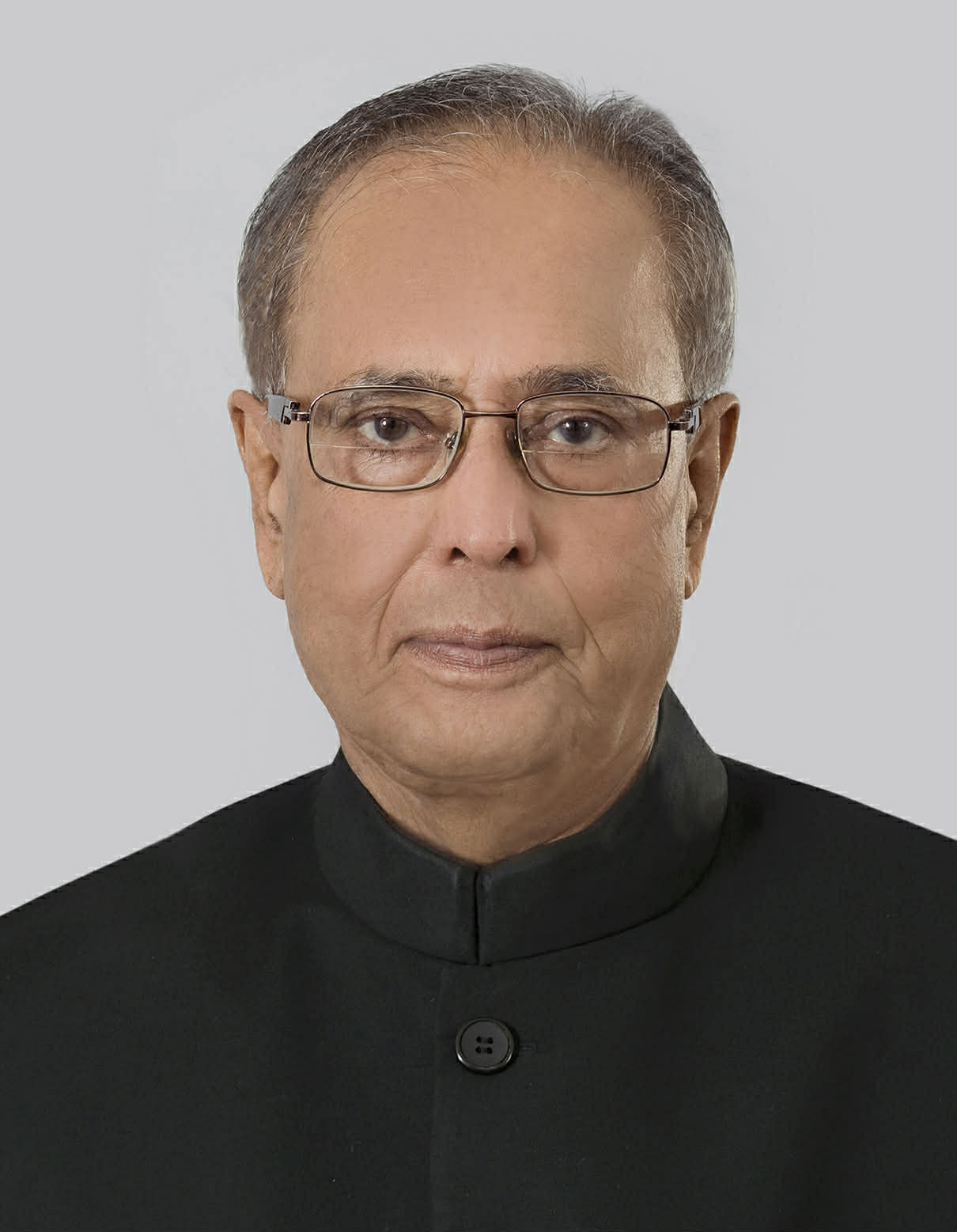
Pranab Mukherjee
This is revealing. Manmohan Singh’s Germany visit ran from April 22–26, 2006, meaning Saran held his press briefing on the very first day of Singh’s Berlin trip, the same day the Indian PM reached Germany and made his statement to accompanying journalists about India standing by its “two principles” of constitutional monarchy and multiparty democracy.
Saran himself says in his book How India Sees The World that he obtained the permission of Pranab Mukherjee, then officiating as PM, to hold a televised press conference whose content “would be at variance with a statement the Prime Minister had made the same day in Berlin to the Indian journalists accompanying him.”
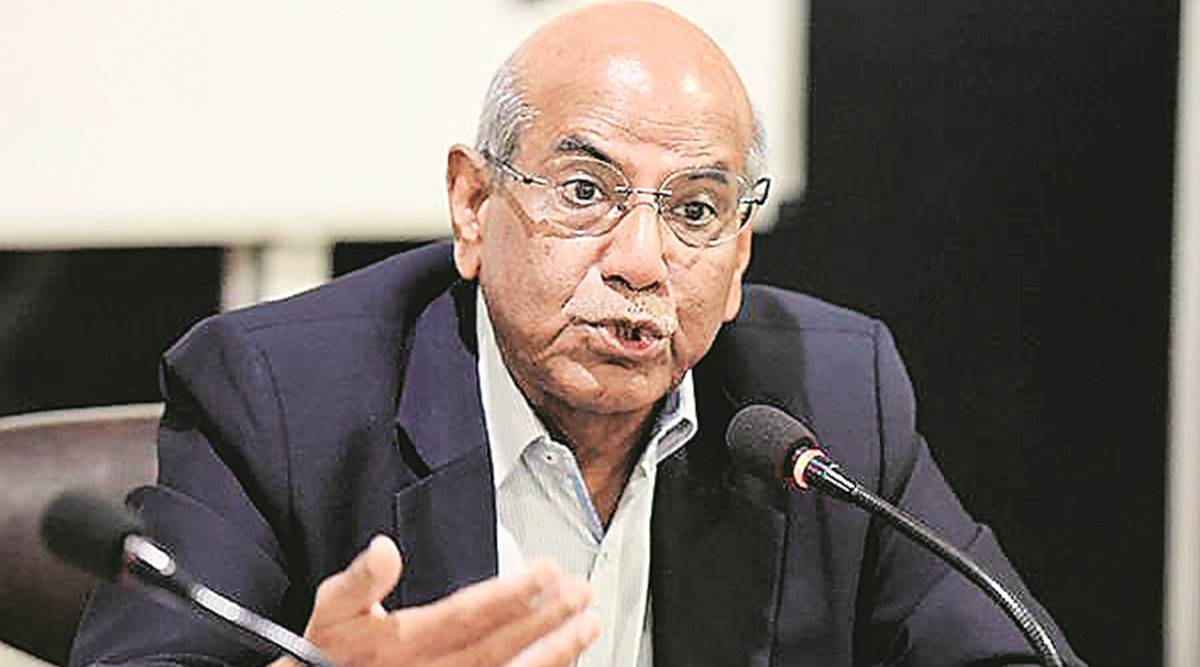
Shyam Saran
This is the smoking gun. Manmohan Singh, in Berlin, was still publicly signaling constitutional monarchy. Mukherjee, as acting PM in New Delhi, authorized his Foreign Secretary to go on television and say something different. The Karan Singh framework – preserve the monarchy, restore parliament, negotiate a ceremonial role – was not quietly shelved. It was publicly contradicted by the same Indian delegation that had carried it to Kathmandu, with the acting Prime Minister’s explicit blessing. The king surrendered his throne to a deal that India’s own acting PM had already decided to abandon, before the ink was even dry.
How the deal unraveled
The mechanics of the monarchy’s dismantling unfolded in a sequence that, viewed in retrospect, had the quality of a carefully choreographed dismantling rather than an organic democratic process.
The revived parliament did not take long. In just three weeks after Baisakh 11, on May 18, 2006, the parliament voted with unanimous consent to deprive the King of almost all his powers including his control over the army, executive power and his legal immunity, making him a mere figurehead ruler. The King, who had handed over the reins of governance was now deprived of everything except the crown.
But the more consequential and constitutionally fraught step came months later. The parliament that King had revived was the one elected in 1999 and the Maoists had waged their 1996 – 2006 insurgency from the jungle. They had no seats in that parliament, no electoral mandate, and had in fact been designated a terrorist organization by the United States. They were, in every constitutional sense, outsiders.
The Maoists left the government in September 2007, calling for Nepal to be declared a republic prior to, not after, the CA elections. They wanted the declaration of a republic to come from the interim legislature, not the CA itself, which was a vital stipulation, since it ensured that any election of the CA would take place on the republican terrain, with voters being asked not to choose between monarchy and republic but between parties within a republic already declared.
That changed on January 15, 2007. Under the Comprehensive Peace Agreement signed in November 2006, an interim legislature was constituted. It was a 330-member body that included 83 nominated Maoist representatives alongside members of the existing parliament. The old parliament was dissolved simultaneously. In a single stroke, the body the king had restored ceased to exist, replaced by an entirely new legislature that had members who had never been elected by anyone.
The interim parliament’s first act was to endorse a new interim constitution, replacing the 1990 constitution that had been the legal basis of the Nepali state. The Maoists were then brought into the government itself, with five Maoist ministers joining the Koirala cabinet in April 2007. From jungle insurgents to cabinet ministers, in just over a year.
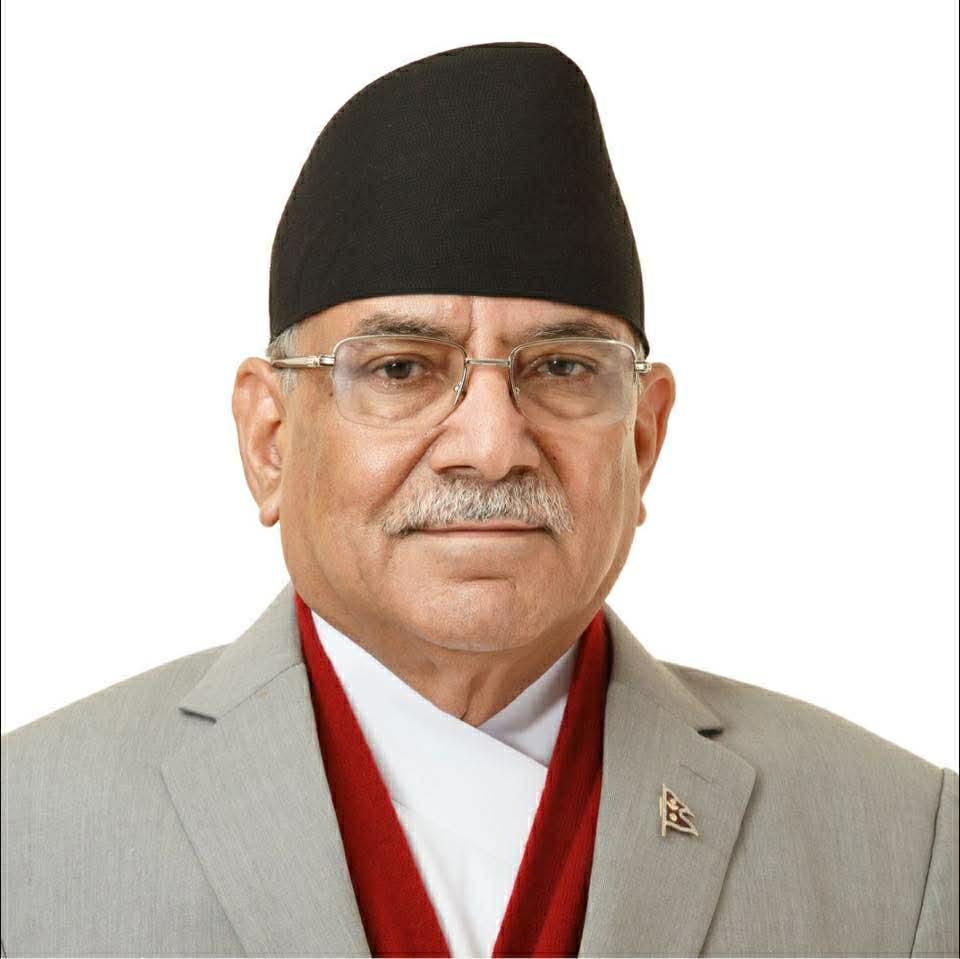
Pushpa Kamal Dahal
They did not stay long. The Maoists left the government in September 2007, calling for Nepal to be declared a republic prior to, not after, the CA elections. They wanted the declaration of a republic to come from the interim legislature, not the CA itself, which was a vital stipulation, since it ensured that any election of the CA would take place on the republican terrain, with voters being asked not to choose between monarchy and republic but between parties within a republic already declared.
It wasn’t by coincidence that the Nepali Congress embraced the concept of constitutional monarchy from the very beginning; rather, it formed the very basis of the party’s relationship with history.
The interim parliament complied. In December 2007, the body amended the interim constitution to include a provision that Nepal would be formally declared a republic at the first sitting of the Constituent Assembly. The king’s fate was sealed, not by the CA, not by the people, but by an unelected interim legislature constituted through backroom negotiation. The Maoists returned to government on December 31, 2007, their key demand delivered.
When the CA elections were finally held in April 2008 and the assembly met for the first time on May 28, it did not deliberate on the monarchy’s future. It simply ratified what had already been decided. The 240-year-old Shah dynasty ended not with a battle, not with a genuine popular referendum, but with a procedural vote confirming a political fait accompli.
Koirala: Not the anti-royalist he is remembered as
The official story of Nepal’s transition to a republic often casts Girija Prasad Koirala as the statesman who steered the country from monarchy to republic. The reality is considerably more ambiguous.
The Nepali Congress, a party which was led by Koirala for years, had been a supporter of constitutional monarchy since the party’s inception in 1946. It wasn’t by coincidence that the Nepali Congress embraced the concept of constitutional monarchy from the very beginning; rather, it formed the very basis of the party’s relationship with history. By the time Koirala found himself leading the Jana Andolan I (People’s Movement of 1990), he was fighting to establish parliamentary democracy and a constitutional monarchy. The result was that a constrained monarchy emerged after the movement, rather than its complete abolition.
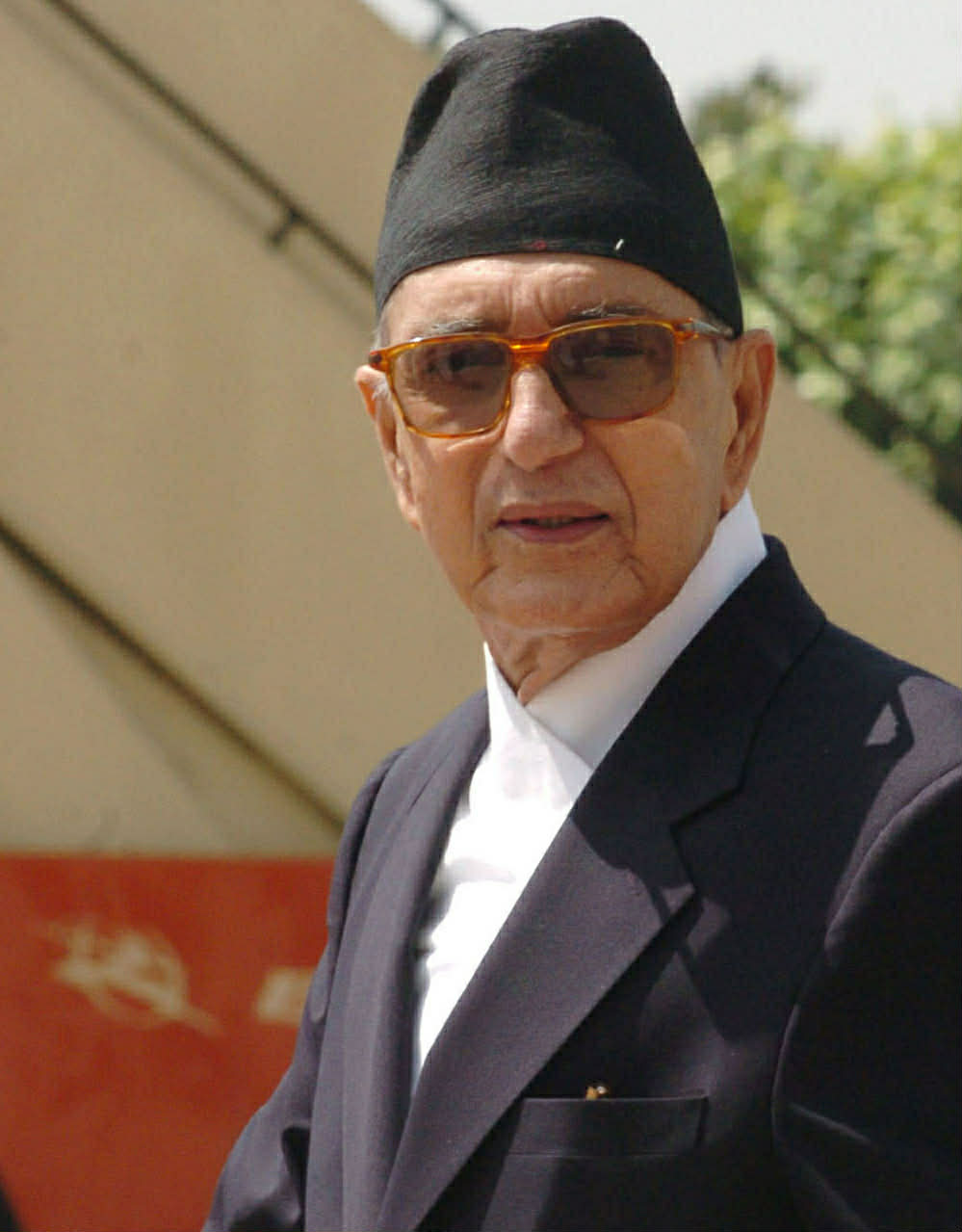
Girija Prasad Koirala
Throughout his political career, Koirala expressed his wish about leaving room for the monarchy as a political institution. He was, in essence, a democrat, following in the footsteps of his predecessors in the Nepali Congress Party, wary of sweeping reforms and preferring a controlled transition process. Koirala who later took to the Constituent Assembly to declare that Nepal had entered “a new era” of being a republic was not, up until that point, looking for such an era.
The Maoists understood that Koirala needed to be brought onside, and they understood what Koirala wanted. He was old, ailing, and had spent a lifetime in the anteroom of history. The prize dangled before him was the ultimate honor: the presidency of a new republic.
So, what changed his mind?
Inside the Maoist movement, the push to abolish the monarchy outright was not universally agreed upon from the beginning. But it hardened into dogma at the party’s Balaju plenum, where senior leader Mohan Baidya put forward the proposal to declare Nepal a republic. The proposal was passed. From that point, the Maoists were not merely negotiating partners in a peace process; they were a force with a specific institutional target.
The challenge was Koirala. As long as the aging Nepali Congress president remained ambivalent about abolishing the monarchy, the republican project could stall. The Nepali Congress, the SPA’s largest party, still had institutional memory of constitutional monarchy, still had members who were uncomfortable with outright abolition, still had a leader whose own speeches could be quoted against him.
The Maoists understood that Koirala needed to be brought onside, and they understood what Koirala wanted. He was old, ailing, and had spent a lifetime in the anteroom of history. The prize dangled before him was the ultimate honor: the presidency of a new republic. He would not merely be a prime minister, a role he had held four times and which had brought him as much frustration as glory. He would be the first President of Nepal. His name would be written into the founding of an era.
It is said that this offer, made at precisely the right moment of Koirala’s political vanity, unlocked the door. The man who had spoken of giving the monarchy space became the man who submitted the resolution declaring Nepal a federal democratic republic at the Constituent Assembly’s first sitting.
The second betrayal
What the Maoists gave with one hand, they took back with the other. By the time the Constituent Assembly elections of April 2008 were held, the political landscape had been transformed. And the Maoists had not been idle in reshaping it. Across Kathmandu – on walls, on hoarding boards, on every available surface -the face of Pushpa Kamal Dahal, aka Prachanda, stared out at the capital. It was, by any measure, an extraordinary pre-election campaign. Not for the party, not for a platform, but for a man – a single, presidential-style projection of personality unprecedented in Nepal’s electoral history. The Maoists were not just contesting an election. They were announcing a claim to power that went beyond any result the ballot could deliver.
King Gyanendra, who surrendered his powers apparently on the understanding that the institution of monarchy would survive in a constitutional form, lost not just his powers but his throne, his palace, and the dynasty’s 240-year claim to divine kingship.
The Maoists emerged as the biggest party in the Constituent Assembly election. And with that status came a swift reckoning for Koirala’s expectations. The Nepali Congress put forward their man for the presidency. The Maoists, who had dangled that very prize to bring Koirala aboard, promptly opposed it. In the power-sharing negotiations that followed the republic’s declaration, it was Ram Baran Yadav of the NC who became Nepal’s first president. Koirala got nothing. He died on March 20, 2010, without ever having held the office he had been promised.
The irony that history swallowed
Let’s step back and survey the full arc of what Baisakh 11 set in motion, and the ironies are almost too neat to be accidental.
King Gyanendra, who surrendered his powers apparently on the understanding that the institution of monarchy would survive in a constitutional form, lost not just his powers but his throne, his palace, and the dynasty’s 240-year claim to divine kingship. The Nepali Congress, which had spent sixty years as the standard-bearer of constitutional monarchy with parliamentary democracy, was maneuvered into abolishing the very institution it had historically accommodated. Girija Prasad Koirala, who became prime minister four times and spent years in jail and exile for the cause of democracy, was used as the instrument of the monarchy’s final undoing, and was then denied even the symbolic reward he had been promised.
And the Maoists, who had spent a decade in the jungle waging a war that killed more than 17,000 people and were at one point designated a terrorist organization by the United States, walked out of the hills and into Singha Durbar, and then into the walls of the capital, their leader’s face watching over a city that had once been a kingdom.
Allowing Maoist leaders to live in India – whether through tacit tolerance, selective engagement, or controlled contact by agencies such as RAW – can be understood as part of a strategy, if not outright support.
India, which had historically underwritten Nepal’s stability through its relationship with the monarchy, ended up with a Maoist prime minister in Kathmandu within two years of Baisakh 11. Whether this was the outcome New Delhi had planned for, or merely the outcome it eventually accommodated, remains one of the more consequential open questions in South Asian geopolitics.
Claims that India supported the Maoist insurgency in Nepal during the 1996–2006 conflict are widely discussed, but they remain contested and not conclusively proven. However, what is now well established is that during the conflict, several senior Maoist leaders including their chief Prachanda were indeed reported to have stayed in India at different times. Why would India, which publicly considered the Nepali Maoists “a security concern”, allow their leaders to live in India?
This is a fair and valid question, one that perhaps gets to the difference between a state’s public security posture and its behind-the-scenes strategic behavior, which do not always align neatly. Even some politicians and former senior officials of India’s intelligence agency, the Research and Analysis Wing (RAW), have admitted that they had hosted Prachanda and other Maoist leaders in several Indian cities as guests.
Baisakh 11 is celebrated as the day Nepal’s people won back their sovereignty. And in a real sense, they did. But somewhere in the gap between what was promised and what was delivered – to the king, to Koirala, to the parties, perhaps even to the people – lies a more complicated truth. A truth that Nepal’s political culture has not yet fully reckoned with, even as the walls of Kathmandu have long since been painted over.
Allowing Maoist leaders to live in India – whether through tacit tolerance, selective engagement, or controlled contact by agencies such as RAW – can be understood as part of a strategy, if not outright support. States often maintain channels with non-state armed actors during conflicts, even those they officially oppose, to gather intelligence, influence outcomes, and retain leverage. India may not have started the insurgency, but it certainly played a significant and sometimes controversial role in how the conflict ended and how the Maoists entered mainstream politics.
The manner of the monarchy’s end – the suspected broken deal, the Maoists’ constitutionally dubious entry into the interim legislature that tilted the political balance, the pre-declaration of the republic by an unelected body, the luring of Koirala with a presidency he never received, the wall-paintings of Prachanda in a city that had not yet voted – raises questions that go beyond the palace.
Also, hardly any protester of the 2006 movement had demanded a secular Nepal. But Nepal was transformed into a secular country from the only Hindu nation in the world. Why? Whose decision was that?
They are questions about how “democracies” are actually built in today. About whether the deals made in backrooms between foreign capitals and political parties are ever truly honored. About what it means to make a promise in the middle of a revolution!
Baisakh 11 is celebrated as the day Nepal’s people won back their sovereignty. And in a real sense, they did. But somewhere in the gap between what was promised and what was delivered – to the king, to Koirala, to the parties, perhaps even to the people – lies a more complicated truth. A truth that Nepal’s political culture has not yet fully reckoned with, even as the walls of Kathmandu have long since been painted over.