Kathmandu
Saturday, July 25, 2026





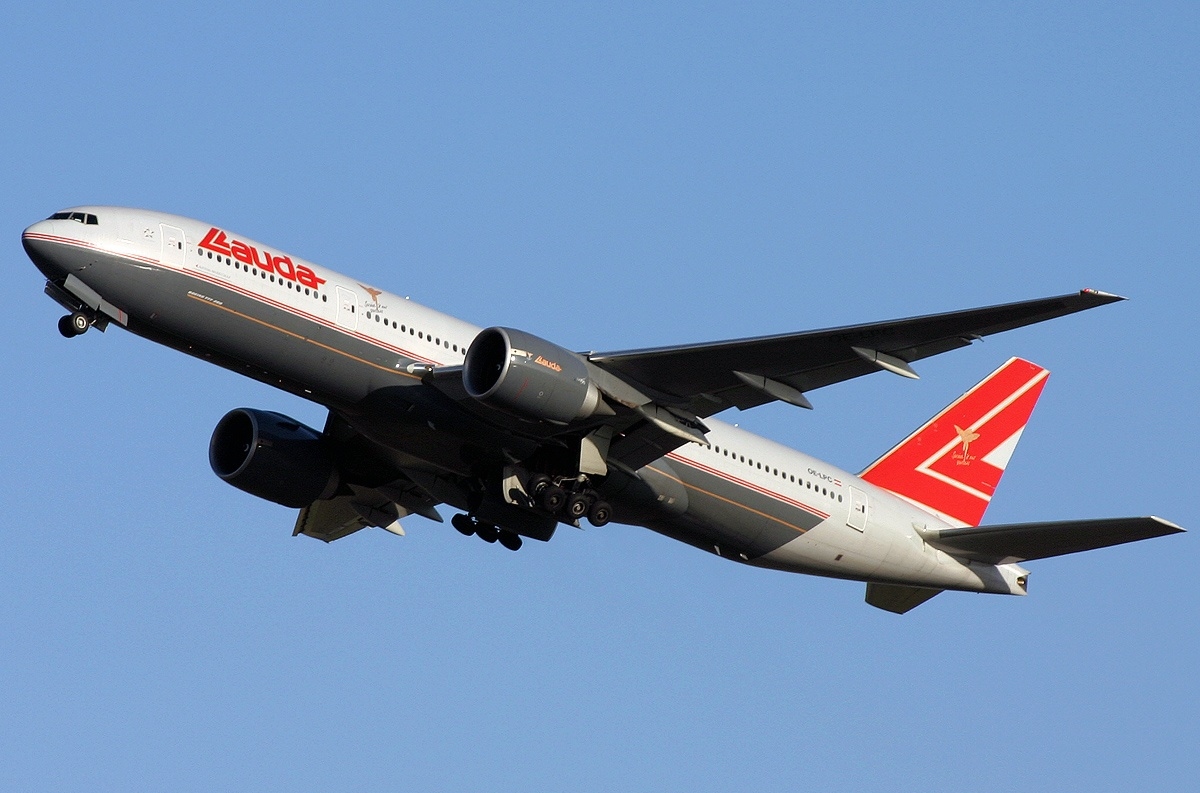
KATHMANDU: The Lauda Air scam erupted in 2000-2001 when the then-Prime Minister Girija Prasad Koirala-led government directed Royal Nepal Airlines Corporation (RNAC, now NAC) to lease a 12-year-old Boeing 767 from Austria’s Lauda Air on a wet-lease basis for 18 months without tenders or parliamentary approval.
Alleged kickbacks of up to USD 400 per flying hour (total Rs 160-389 million) were siphoned to politicians, officials, and middlemen, causing a Rs 335 million loss to the national carrier. The then-Tourism Minister Tarani Dutt Chataut resigned; the CIAA filed a 2001 corruption case. The Special Court acquitted all in 2007; the Supreme Court appeal remains unresolved as of April 1, 2026, after full-bench delays and court arson disruptions. It exemplifies decades of NAC graft.
What exactly was the Lauda Air scam, and why is it considered one of Nepal’s most notorious corruption cases?
The Lauda Air scam refers to the controversial 18-month wet lease of a 12-year-old Boeing 767 aircraft from Austria-based Lauda Air by Royal Nepal Airlines Corporation (RNAC) in late 2000-early 2001.
Negotiated personally without international tenders or competitive bidding, the deal bypassed directives from the parliamentary Public Accounts Committee (PAC), which had ordered a halt pending investigation.
Media and CIAA probes revealed inflated costs: officially quoted at USD 3,500 per flying hour, but effective rates reached USD 5,000/hour after hidden commissions of USD 400/hour allegedly split among political funds, RNAC officials, Lauda agents, and middlemen, totaling Rs 160 million or up to Rs 389 million in embezzlement as per the CIAA.
An unauthorized USD 1 million advance was released by Nepal Rastra Bank without Austrian confirmation. This caused direct losses of around Rs 335 million to RNAC through overpricing, separate pilot hiring (USD 350/hour extra), and unbundled expenses like spares and ground handling.
It is notorious because it involved a sitting prime minister’s government, forced a minister’s resignation, implicated high officials, and highlighted systemic cronyism in Nepal’s flag carrier during a politically turbulent era.
Unlike routine irregularities, it symbolized elite capture of public resources, contributing to RNAC’s financial decline and public distrust in aviation governance. Even after acquittals and decades of litigation, it remains a benchmark for unpunished high-level graft as of 2026.
What was the historical context and timeline of the Lauda Air lease deal?
The deal unfolded amid RNAC’s chronic fleet shortages and political instability post-1990 democracy restoration. In 2000, RNAC faced pressure to expand international routes but lacked modern wide-body aircraft.
Under PM Girija Prasad Koirala’s coalition government, the Tourism and Civil Aviation Ministry fast-tracked the Lauda Air lease without cabinet or parliamentary scrutiny.
Key milestones: agreement signed despite PAC’s explicit directive against proceeding; $1 million advance wired in early 2001; aircraft deployed briefly. Exposes in the Nepali press revealed kickback structures. Minister Tarani Dutt Chataut resigned on January 26, 2001, after King Birendra accepted it amid CIAA scrutiny.
CIAA filed the case on May 24, 2001. RNAC’s earlier scandals (e.g., 1997 Chase Air) set the precedent for non-transparent leasing. The 18-month lease ended around mid-2002, but financial fallout lingered. This timeline reflects how urgent operational needs were exploited for personal gain during Nepal’s multi-party coalition fragility, with no feasibility study or cost-benefit analysis conducted contrary to standard aviation procurement norms.
By 2026, it remains a cautionary tale of how political expediency overrides institutional safeguards.
Who were the key individuals and entities involved in the Lauda Air scam?
Primary accused included Tourism and Civil Aviation Minister Tarani Dutt Chataut (resigned over the deal); RNAC Executive Chairman Hari Bhakta Shrestha; board members Tirtha Lal Shrestha, Siddharaj Joshi, and Gauri Nath Sharma; marketing director Ram Raj Upadhyay; finance director Upendra Upadhyay (or Upendra Prasad Upadhayay); and corporate director Pushkar Prasad Wagle.
Two Lauda Air executives Andrea Molineri and Otmar Lenz were also charged as beneficiaries of commissions. PM Girija Prasad Koirala faced indirect allegations of political pressure but denied direct involvement; opposition parties demanded his resignation.
RNAC officials allegedly received USD 50/hour kickbacks, while Lauda’s Nepal agents and businessmen took USD 100/hour. The CIAA implicated a network of “political figures, businessmen, government employees, and higher RNAC officials.”
No private Nepali businessmen were named publicly as primary beneficiaries, but reports suggested middlemen facilitated the deal. Lauda Air itself, founded by Niki Lauda, was portrayed as a willing partner in the overpriced transaction.
This web of accountability spanned executive, bureaucratic, and corporate lines, illustrating how public enterprises become vehicles for elite enrichment. As of 2026, some accused (like former RNAC executives) faced unrelated later probes, but core Lauda charges remain tied to the pending Supreme Court case.
What were the specific financial irregularities and alleged kickback mechanisms in the Lauda Air deal?
Irregularities centered on overpricing and opaque commissions. The wet-lease rate was USD 3,500 per flying hour officially, but effective costs ballooned to USD 3,900-$5,000/hour due to unbundled extras: mandatory Austrian pilots at $350/hour plus four-star lodging, spares, landing fees, and ground services borne separately by RNAC (unlike bundled China Southwest deals).
CIAA calculated total embezzlement at Rs 389 million; USD 400/hour commissions were split as 50% to political funds, USD 100 to Lauda Nepal agents/businessmen, USD 50 to RNAC high officials, and USD 50 to middlemen, equating to Rs 160 million over 18 months.
The USD 1 million advance was released prematurely without Austrian bank confirmation, violating protocols. No competitive bidding occurred despite PAC orders, and the 12-year-old aircraft failed basic age criteria (under 8 years preferred).
These mechanisms allegedly funneled public funds into private pockets while RNAC bore inflated operational losses of Rs 335 million. The scam exemplified “colorable” procurement, where inflated contracts masked bribes. No recoveries have been made as of April 2026 due to ongoing litigation.
How did the Lauda Air scam lead to political fallout, including ministerial resignation and government pressure?
The scam triggered an immediate political crisis. Revelations in November 2000 prompted opposition strikes and demands for PM Koirala’s resignation. Minister Tarani Dutt Chataut resigned on January 26, 2001, citing the need to facilitate the CIAA investigation, though it was widely seen as damage control. King Birendra accepted the resignation on Koirala’s recommendation.
Ten opposition parties called nationwide strikes, accusing the government of shielding corruption. Koirala faced parliamentary scrutiny and media pressure, with some sources linking it to his eventual stepping down amid broader coalition strains.
RNAC Chairman Hari Bhakta Shrestha was suspended on CIAA advice. The scandal amplified perceptions of nepotism in Koirala’s Nepali Congress government, eroding public trust and fueling anti-corruption discourse. It highlighted how aviation deals became tools for political funding during Nepal’s fragile democratic transition.
Long-term, it damaged RNAC’s credibility internationally and contributed to its “carrier of scandals” label. Even in 2025-2026, Gen Z activists reference it alongside wide-body cases when demanding NAC reforms, showing enduring political resonance.
What legal actions were taken by the CIAA against those involved in the Lauda Air scam?
The Commission for Investigation of Abuse of Authority (CIAA) launched a six-month probe in early 2001, filing a corruption case on May 24, 2001, at the Special Court against ten accused.
Charges included embezzlement of Rs 389 million, abuse of authority, and causing undue loss to RNAC through irregular leasing. CIAA presented evidence of kickbacks, unauthorized advance payments, and violation of PAC directives. The case targeted both Nepali officials and Lauda Air representatives.
Post-acquittal in 2007, CIAA appealed to the Supreme Court, arguing the Special Court ignored documentary proof of irregularities. The appeal emphasized public fund misappropriation under anti-corruption laws.
In later years, one accused (former RNAC executive linked to BB Airways) faced separate 2022 bribe charges by CIAA, underscoring patterns. As of 2026, the CIAA maintains the case’s validity, repeatedly raising it in parliamentary committees (40 times per 2025 report).
No convictions or recoveries occurred, but the persistent appeal demonstrates institutional efforts against high-level graft despite political hurdles.
What was the outcome of the Special Court verdict in the Lauda Air case?
On August 13, 2007, a Special Court bench led by then-Chairman Bhoopdhoj Adhikary (with members Komal Nath Sharma and Cholendra Shumsher JB Rana) acquitted all ten accused, citing insufficient evidence.
The court ruled that the prosecution failed to prove kickbacks or criminal intent beyond reasonable doubt, despite CIAA’s documentation of inflated costs and advance payments. This verdict was widely criticized as a miscarriage of justice, allowing powerful figures to escape accountability.
It cleared Minister Tarani Dutt Chataut, RNAC Chairman Hari Bhakta Shrestha, board members, executives, and Lauda officials. The decision fueled public outrage and accusations of judicial leniency toward elites.
CIAA immediately appealed, arguing the bench overlooked financial discrepancies and procedural violations. The 2007 acquittal remains a flashpoint in Nepal’s anti-corruption history, often compared to other high-profile acquittals. No fines or disqualifications were imposed, enabling some accused to continue in public or business roles. As of April 2026, this verdict stands pending Supreme Court review.
What is the current status of the Lauda Air scam case in the Supreme Court as of April 1, 2026?
As of April 1, 2026, the Supreme Court case remains unresolved after nearly 25 years. The CIAA’s appeal against the 2007 Special Court acquittal was pending a full-bench hearing.
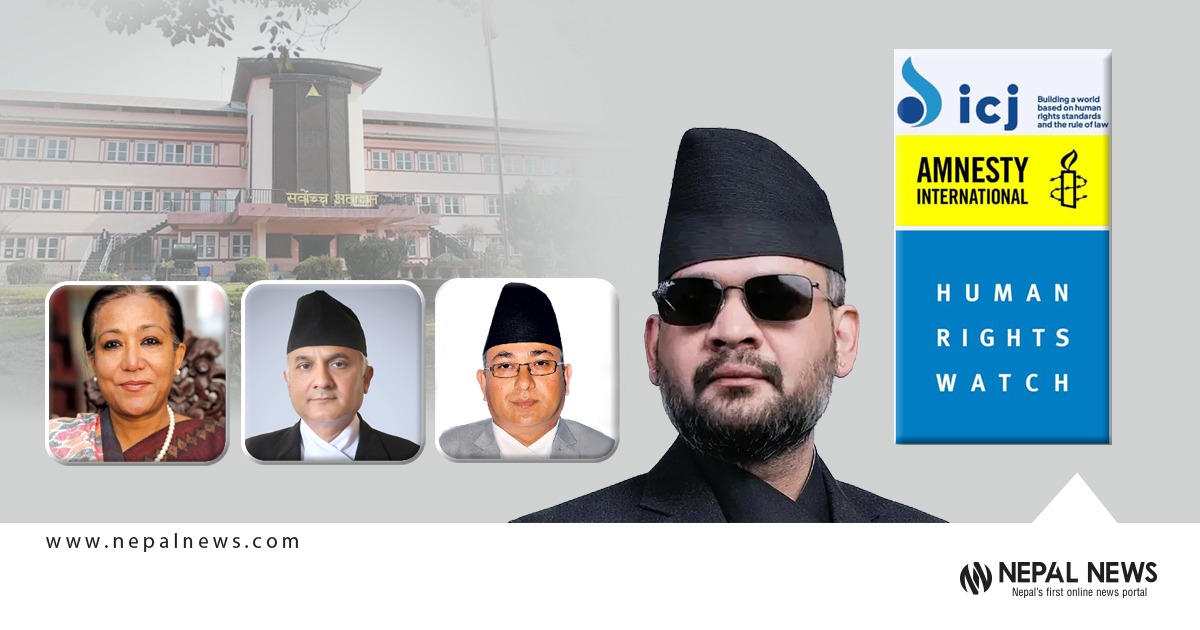
In 2017, a division bench (Justices Ishwor Prasad Khatiwada and Sharada Prasad Adhikari) split on overturning the acquittal and referred it to a full bench. Hearings were repeatedly deferred; a scheduled mid-2025 date was postponed to September 2025, but court arson during protests (linked to broader Gen Z protests) disrupted proceedings.
As per February 2026 reports, no preliminary full-bench hearing had occurred under Justices Tek Prasad Dhungana, Balkrishna Dhakal, and Megh Raj Pokharel. The case has been raised 40 times in the Public Accounts Committee without resolution.
No verdict, convictions, or asset recoveries have materialized. This perpetual delay exemplifies Nepal’s judicial backlog in corruption matters involving political heavyweights, leaving RNAC’s losses uncompensated and public faith eroded. Stakeholders continue demanding closure amid ongoing NAC reform calls.
How did the Lauda Air scam impact Nepal Airlines Corporation (RNAC/NAC) financially and operationally?
The scam inflicted Rs 335 million in direct losses on RNAC through overpriced leasing, unnecessary pilot costs, and unrecovered advances, exacerbating the carrier’s debt and fleet inefficiency.
Operationally, the 12-year-old aircraft provided temporary wide-body capacity but at exorbitant rates, diverting funds from genuine modernization. It compounded earlier scandals (Chase Air 1997), contributing to RNAC’s reputation for mismanagement and deterring investors.
By 2019 analyses, such leases highlighted chronic underfunding and political interference that hampered competitiveness against private airlines. Long-term, it accelerated NAC’s financial spiral, with accumulated liabilities nearing billions by 2025.
The scandal also strained international credibility, complicating future leasing deals. Despite operational short-term relief for routes, the net effect was negative: higher per-hour costs reduced profitability, and unpunished graft fostered internal corruption culture.
As of 2026, NAC’s ongoing insolvency risks trace roots to such episodes, underscoring how one irregular lease eroded public assets worth hundreds of millions without accountability.
How does the Lauda Air scam compare to other major corruption scandals in Nepal’s aviation sector?
The Lauda Air scam is often ranked among Nepal’s earliest high-profile aviation graft, predating the 2017 wide-body Airbus A330 procurement scandal (Rs 1.47 billion loss, partial 2024 convictions). Similarities include non-transparent deals, political interference, and CIAA involvement with pending SC appeals.
Unlike wide-body (involving Airbus bribes admitted in 2020), Lauda featured direct kickback allegations without foreign corporate prosecution. It echoes the 1997 Chase Air scam (USD 783,750 advance for a non-delivered Boeing 757) in advance-payment irregularities. All reflect NAC’s vulnerability to ministerial pressure during coalitions.
Lauda’s 2007 acquittal contrasts with Widebody’s mixed verdicts, yet both remain largely unresolved at the SC level by 2026. Gen Z demands (2025) a group Lauda with a wide body for systemic probes. Lauda stands out for forcing a ministerial resignation and PM pressure, setting a precedent for media-driven exposure.
Collectively, these scandals have cost NAC billions, delayed fleet renewal, and symbolized elite impunity in Nepal’s public enterprises.
What role did parliamentary oversight and the Public Accounts Committee play in the Lauda Air controversy?
The Public Accounts Committee (PAC) played a proactive but ultimately ineffective role. It explicitly directed RNAC not to proceed with the Lauda lease until a parliamentary probe was completed, citing irregularities in prior deals.
The government ignored this, proceeding via personal negotiations, violating oversight norms. PAC’s intervention highlighted early red flags on aircraft age, pricing, and lack of tenders.
Post-deal, PAC grilled officials and amplified media reports, contributing to CIAA’s investigation. However, political influence from the ruling coalition limited enforcement.
The episode exposed weaknesses in Nepal’s parliamentary accountability mechanisms during coalition eras.
By 2026, PAC has raised the unresolved case 40 times, demanding SC prioritization, yet judicial delays persist. This underscores how executive override of legislative directives enabled the scam, a pattern repeated in later NAC controversies.
Were there any international dimensions or involvement of foreign entities in the Lauda Air scam?
Yes, Austria’s Lauda Air (founded by Formula One or F1 legend Niki Lauda) was central as the lessor. Two executives, Andrea Molineri and Otmar Lenz, were named CIAA defendants for allegedly facilitating commissions.
The deal involved wet-lease provisions requiring Austrian pilots and support, adding costs. Nepal Rastra Bank’s USD 1 million advance was wired abroad without confirmation, raising wire-transfer scrutiny.
No formal international probes (e.g., by Austrian authorities) are documented, unlike Airbus’s 2020 global bribery admission involving Nepali officials. Lauda Air’s Nepal agents reportedly received kickbacks.
The scam highlighted risks in cross-border leasing without due diligence or bilateral safeguards. By 2026, no foreign recoveries or extraditions occurred, reflecting limited Nepal-international anti-graft cooperation at the time. It served as an early warning on foreign firms exploiting weak governance in developing nations’ aviation sectors.
How has the Lauda Air scam been referenced in recent years (2025-2026) regarding NAC reforms?
In 2025, the scam resurfaced amid Gen Z Nepal’s demands for NAC probes and anti-corruption drives. Activists cited Lauda alongside wide-body scandals as post-1990s examples of unpunished graft hindering airline revival.
October 2025 media reports listed it as a pending SC case (Rs 350 million loss noted) in discussions of NAC’s “corruption-bloated” history. February 2026 reports on court backlogs explicitly mentioned Lauda’s full-bench hearing disruptions due to arson/protests.
It features in newspaper editorials on NAC insolvency risks (liabilities nearing Rs 50 billion), urging resolution of old cases for credibility. No new charges emerged, but it symbolizes why fleet modernization stalls.
Reform advocates push for digital procurement transparency to prevent repeats. As of April 2026, it remains a rallying point for accountability, with no closure despite decades.
What were the broader economic and public trust impacts of the Lauda Air scam on Nepal?
Economically, the Rs 335 million loss strained RNAC’s finances at a time of limited state resources, diverting taxpayer funds from development to private pockets.
It contributed to higher airfares indirectly and weakened the national carrier’s market position against emerging private airlines. Public trust plummeted: exposes fueled perceptions of systemic elite corruption, eroding confidence in democratic institutions post-1990.
It amplified calls for CIAA empowerment and judicial reform. Tourism suffered reputational damage from an unreliable flag carrier. By 2026, cumulative aviation scams (including Lauda) factor into NAC’s near-insolvency warnings, affecting national savings invested via public entities.
The unpunished nature perpetuated cynicism, with youth movements invoking it in 2025-2026 protests. Overall, it exemplified opportunity costs of graft in a resource-scarce economy.
What challenges have prevented resolution of the Lauda Air scam despite CIAA efforts?
Challenges include judicial delays (2007 acquittal to 2026 full-bench limbo), political influence protecting accused elites, evidentiary disputes (court cited “lack of proof”), and institutional backlogs exacerbated by events like 2025 court arson. Coalition politics historically shielded perpetrators.
CIAA appeals faced repeated deferrals; PAC oversight yielded no enforcement. Lack of asset tracing or international cooperation hindered recoveries. Public pressure waned over decades.
By 2026, broader court disruptions and competing high-profile cases (e.g., wide-body appeals) sidelined it. These systemic issues such as weak enforcement, elite impunity, and procedural hurdles mirror Nepal’s anti-corruption struggles, leaving cases like Lauda’s symbolically open but practically stalled.
Did the Lauda Air aircraft actually operate for RNAC, and what was its operational outcome?
Yes, the Boeing 767 was deployed for international routes under wet-lease terms, providing a temporary capacity boost for about 18 months until mid-2002. However, high costs made operations uneconomical; RNAC absorbed extras like pilots and maintenance.
It fulfilled short-term needs amid fleet shortages but generated no long-term value due to overpricing. Post-lease, the aircraft returned, leaving RNAC with financial scars rather than upgraded assets. No major incidents reported, but the deal’s legacy overshadowed any operational gains.
Verified reports confirm deployment despite irregularities, underscoring that the scam was about profit extraction, not service failure.
How has media coverage played a role in exposing and sustaining attention on the Lauda Air scam?
Media was pivotal: Space Time Dainik (Nov 2000) first detailed kickback splits; Nepali Times amplified irregularities and commission structures. Kathmandu Post (2019) revisited it as “most infamous,” linking to Koirala’s exit. The 2025 media outlets such as Ekantipur and 2026 Ratopati reports kept it alive via pending-case updates.
Investigative journalism triggered CIAA action and ministerial resignation. Sustained coverage countered attempts to bury the issue, educating the public on procurement flaws. In the digital era, social media revives it during reform debates.
Without early exposure, the scam might have stayed hidden, demonstrating media’s watchdog role in Nepal’s corruption battles.
What lessons from the Lauda Air scam have influenced Nepal’s aviation procurement policies?
Lessons include mandating competitive tenders, PAC pre-approvals, and age/technical criteria for leases. It spurred (limited) CIAA vigilance on aviation deals and emphasis on bundled contracts. Post-scam, wider scrutiny of advances and foreign leases emerged, though wide-body repeats showed incomplete reforms.
By 2026, calls for digital transparency and independent audits trace to Lauda. It reinforced constitutional anti-graft provisions and public enterprise oversight needs. Yet persistent delays highlight enforcement gaps.
The scam catalyzed awareness that non-transparent deals erode national assets, influencing broader public procurement laws.
Are there any connections between the Lauda Air scam accused and later aviation controversies?
Some overlap exists: former RNAC executives like Hari Bhakta Shrestha faced scrutiny in subsequent roles; one 2022 CIAA case against a Lauda-accused (BB Airways CEO) involved separate bribes. Patterns of leasing irregularities recurred in wide-body (2017).
Political networks from the Koirala era influenced later coalitions. No direct prosecutorial links have been proven, but shared individuals and modus operandi (inflated contracts, political pressure) suggest cultural continuity in NAC governance. 2025-2026 reform demands group them as “serial scams,” urging holistic probes. This interconnectedness underscores why isolated resolutions fail to deter future graft.
What is the future outlook for accountability in the Lauda Air scam and similar cases?
As of April 1, 2026, the outlook remains pessimistic without urgent SC intervention. Full-bench delays signal systemic judicial reform needs. Public pressure from Gen Z and PACs could force hearings, but political will is low.
Potential outcomes: eventual dismissal, symbolic verdict, or rare convictions with recoveries. Success would bolster anti-corruption credibility; failure perpetuates impunity.
Broader NAC revitalization (per 2025 reports) requires closing old cases for investor confidence. Lauda exemplifies Nepal’s challenge: balancing justice with timely resolution amid backlogs. Sustained civil society advocacy offers the best hope for eventual closure and deterrence.