Kathmandu
Tuesday, July 21, 2026





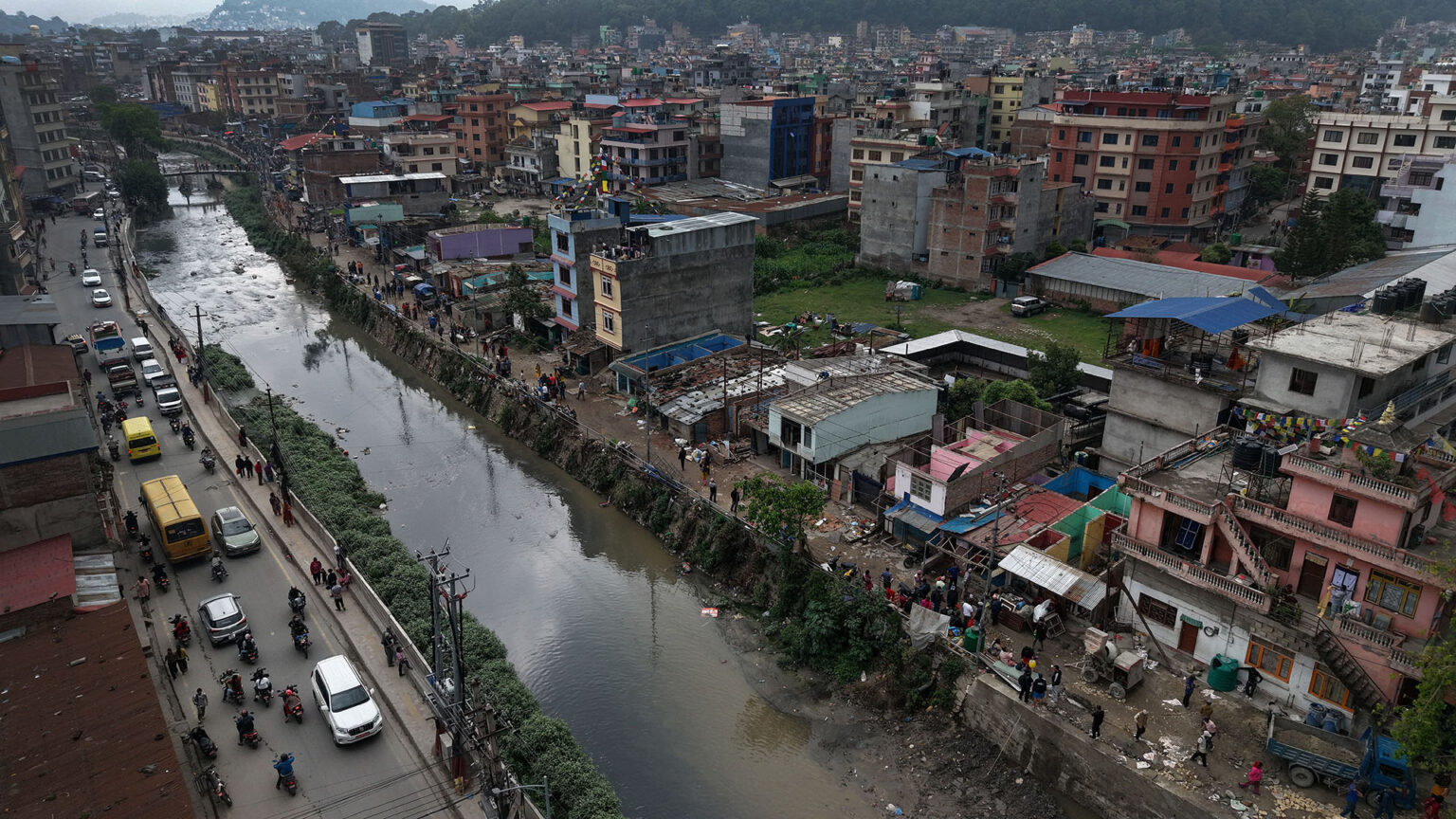
KATHMANDU: The Ministry of Urban Development has announced that the second phase of relocating high-risk settlements along the Bagmati River and its tributaries in the Kathmandu Valley will begin on Friday.
In the first phase, settlements in Sinamangal’s Gairigaun, Shantinagar, Manohara, and Thapathali areas were already relocated.
Preparations for the second phase have now been completed. A joint meeting of various government agencies was held at the ministry on Thursday to finalize the arrangements.
To facilitate the relocation process, residents living in high-risk areas will be transported by bus to a primary registration center set up at Dasharath Stadium.
Three help desks will be operated at the stadium: the first for information and data collection, the second for filling self-declaration forms and collecting social details to identify landless squatters, and the third for digital data collection by a team from the Home Ministry.
For belongings that cannot be immediately moved to holding centers—such as cupboards, tables, and beds—security agencies will assist with storage and protection.
Buses will also be arranged to transport families without shelter, or those unable to manage on their own, to holding centers.
The ministry has ensured the provision of health services, humanitarian aid, and psychosocial counseling at both the registration center and holding centers.
Based on the collected data, authorities will identify and verify genuine landless squatters. Those who fail to qualify will be sent back from the holding centers, while verified families will receive necessary support for a fixed period before being rehabilitated.
Meanwhile, the ministry stated that individuals who previously encroached on riverbanks for renting, running businesses, or engaging in illegal activities will be investigated and face legal action if found guilty.