Kathmandu
Friday, June 26, 2026





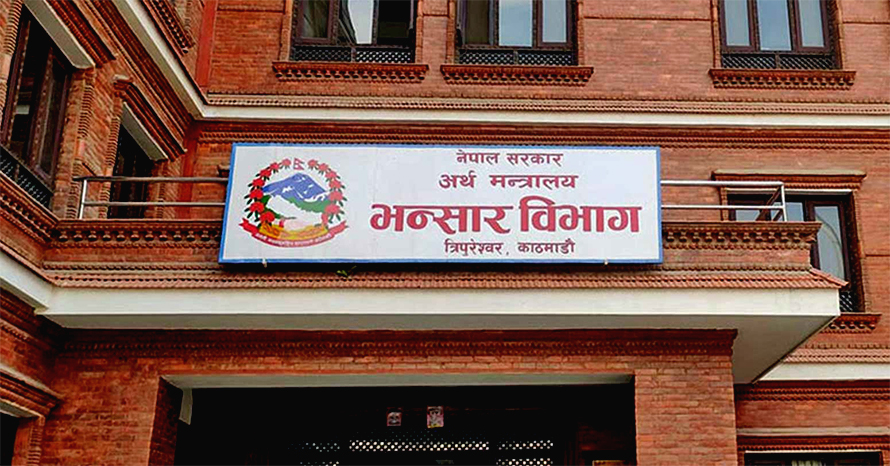
KATHMANDU: The government has enforced a new “Customs Regulation 2026,” replacing the earlier “Customs Regulation 2007,” under Section 130 of the Customs Act 2025. The regulation aims to modernize, digitize, and make customs administration more business-friendly.
A key reform is the introduction of a risk-based clearance system, where goods are classified into green, yellow, or red channels based on risk. Low-risk goods will be cleared immediately, while high-risk consignments will undergo detailed inspection. A central Risk Analysis Committee and Risk Management Units at customs offices will be formed.
The regulation introduces “Authorized Economic Operators” (AEOs) for compliant and reliable businesses with three years of legal compliance and proper financial records. Such firms will receive special facilities and flexible clearance timing.
It also introduces “advance rulings,” allowing importers to seek official decisions on classification or origin at least 45 days before import. These rulings will be valid for up to two years.
Customs valuation methods—transaction, identical goods, similar goods, deductive, and computed value—are detailed, with an electronic database to verify declared values.
A “National Single Window System” will integrate all customs agencies under one platform, overseen by a secretary-led coordination committee.
The regulation also allows private sector operation of customs warehouses and refines rules on re-export of mistakenly imported goods and duty exemptions for small samples and courier shipments.