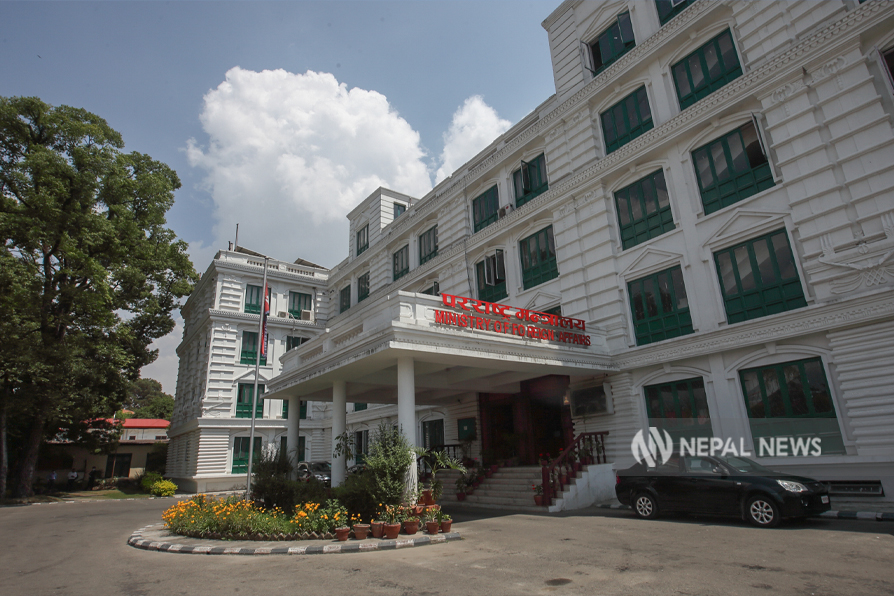
Kathmandu
Friday, July 24, 2026





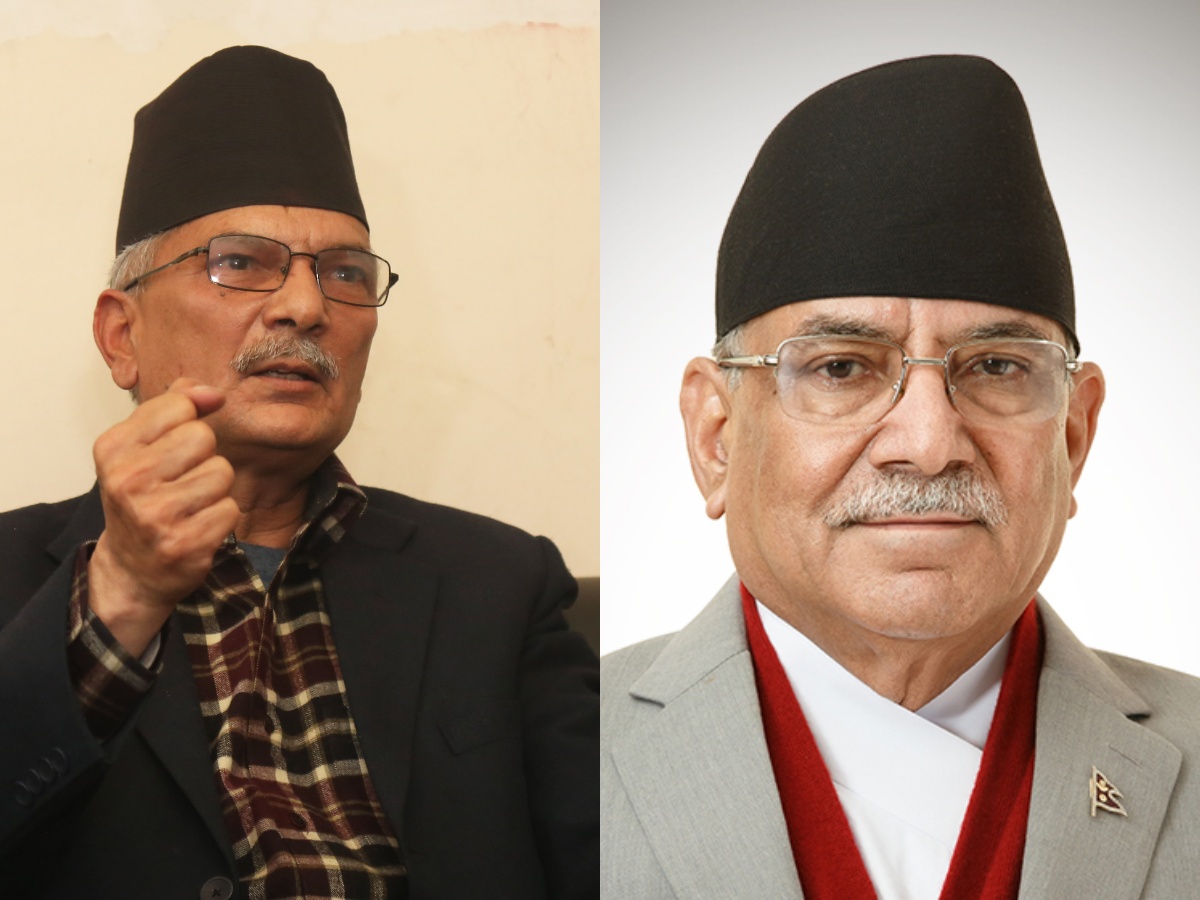
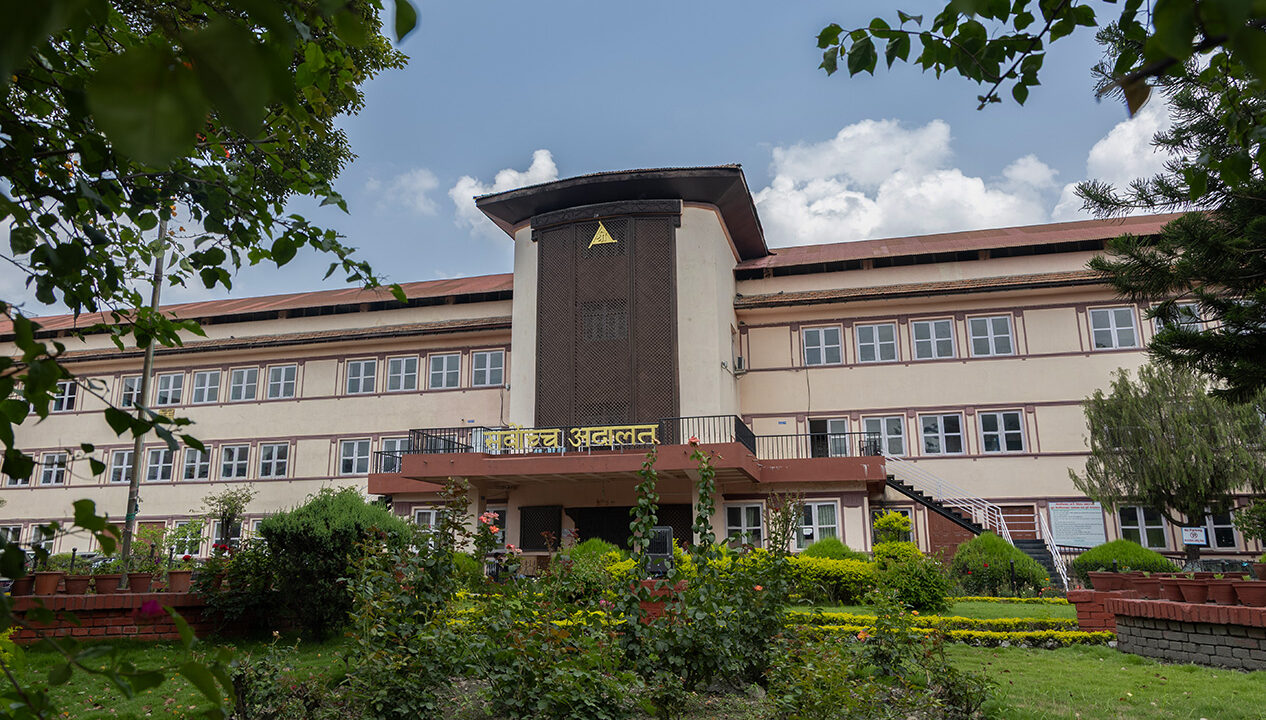
KATHMANDU:The Supreme Court has once again postponed the announcement of its final verdict in a high-stakes writ petition accusing former Prime Ministers Pushpa Kamal Dahal ‘Prachanda’ and Dr. Baburam Bhattarai of “war crimes.”
The case, which specifically targets the recruitment and use of child soldiers during the decade-long Maoist insurgency, was placed on reserved for judgment following months of deliberation by a full bench.
However, the court’s daily cause list on May 14, 2026, confirmed that the decision has been deferred, leaving the legal and political future of the Maoist leadership in a state of prolonged uncertainty.
The roots of this legal battle trace back to the 1996–2006 Maoist civil war, during which the United Nations Mission in Nepal (UNMIN) eventually verified approximately 2,972 combatants as minors.
In June 2023, nine of these former child soldiers, led by prominent activist Lenin Bista, filed a petition asserting that their recruitment as 13- and 14-year-olds constituted a grave violation of international humanitarian law.
Bista, who was himself discharged from a cantonment in 2007 with the stigmatizing label of “disqualified,” argues that the top leadership must be held criminally responsible for the psychological and social trauma inflicted upon thousands of children who were “used and then abandoned” by the revolution.
The petition has faced significant hurdles within the Nepali judiciary. Initially rejected by the court administration on the grounds that such matters fall under the jurisdiction of the Truth and Reconciliation Commission (TRC), it was only registered following a special order from Justice Ananda Mohan Bhattarai.
The petitioners have expressed deep skepticism toward Nepal’s domestic transitional justice mechanisms, which they claim have been intentionally weakened by political gridlock.
Consequently, their writ includes a provocative demand: if the Nepali state fails to deliver justice, an “International Special Tribunal” should be established in coordination with the United Nations, similar to the models used in Rwanda and Yugoslavia.
The case is currently being heard by a full bench including Acting Chief Justice Sapana Pradhan Malla and Justices Sunil Kumar Pokharel and Shanti Singh Thapa.
While both Dahal and Bhattarai have filed written responses denying the allegations—claiming that the term “child soldier” was never officially used in the 2006 Comprehensive Peace Accord—the court is under immense pressure to set a definitive precedent.