Kathmandu
Tuesday, July 21, 2026





A late-arriving monsoon and the looming impact of the El Niño climate cycle are expected to bring below-normal rainfall, raising concerns over drought, agriculture, hydropower generation, and extreme weather disasters across Nepal
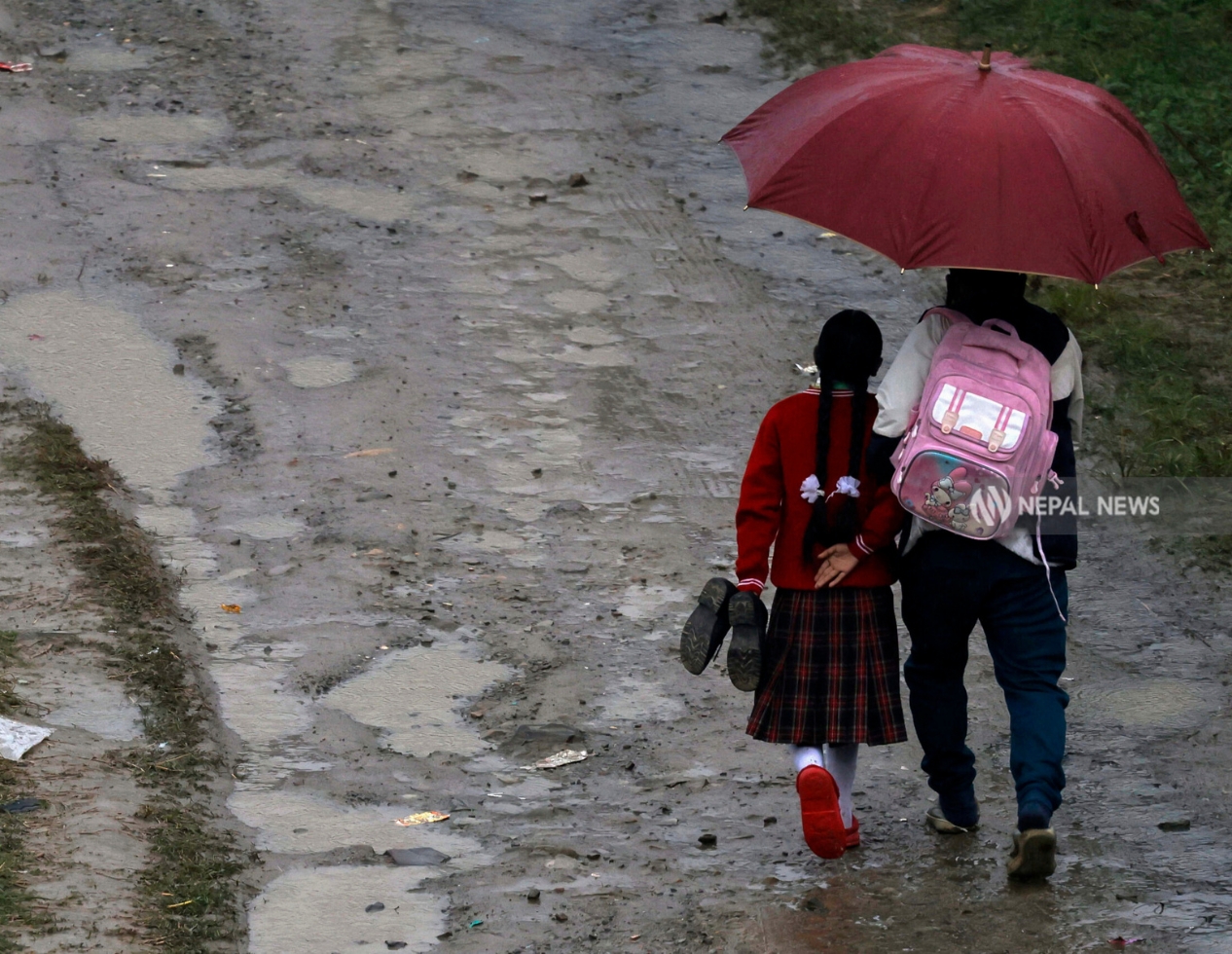
KATHMANDU: While we are in the first week of June, pre-monsoon activity still continues. This is a play of the western winds as well as the influence of our local winds. The period before the entry of the monsoon, specifically from March to May, is called the pre-monsoon. The western winds, which blow from the west of Nepal toward the east via Afghanistan and Pakistan, should have weakened since the end of May but have now extended into June. This year’s pre-monsoon has seen more rainfall compared to previous years.
However, weather projections indicate that there will be less rain during this year’s monsoon. The weather systems developed so far show that the monsoon will start later than average this year and will also remain weak. The monsoon, which is caused by the weather impact carried by moisture-laden winds from the Bay of Bengal, generally enters Nepal around mid-June. It first enters the southern Indian state of Kerala. Within 10 to 13 days of entering there, it enters through eastern Nepal in or around mid-June. It takes about a week for the monsoon to spread across the entire country.
This year, delayed by three days compared to the average, the monsoon finally arrived in Kerala on June 4. This is not very encouraging. The currently observed influence of the western winds is likely to persist until June 7. Only after this clears out will the monsoon gain some momentum. The monsoon that enters Kerala passes through Bangladesh and Siliguri to enter eastern Nepal. Even if the monsoon process begins immediately, it appears that due to the active nature of the western winds, it will spread at a sluggish and slow pace this year.
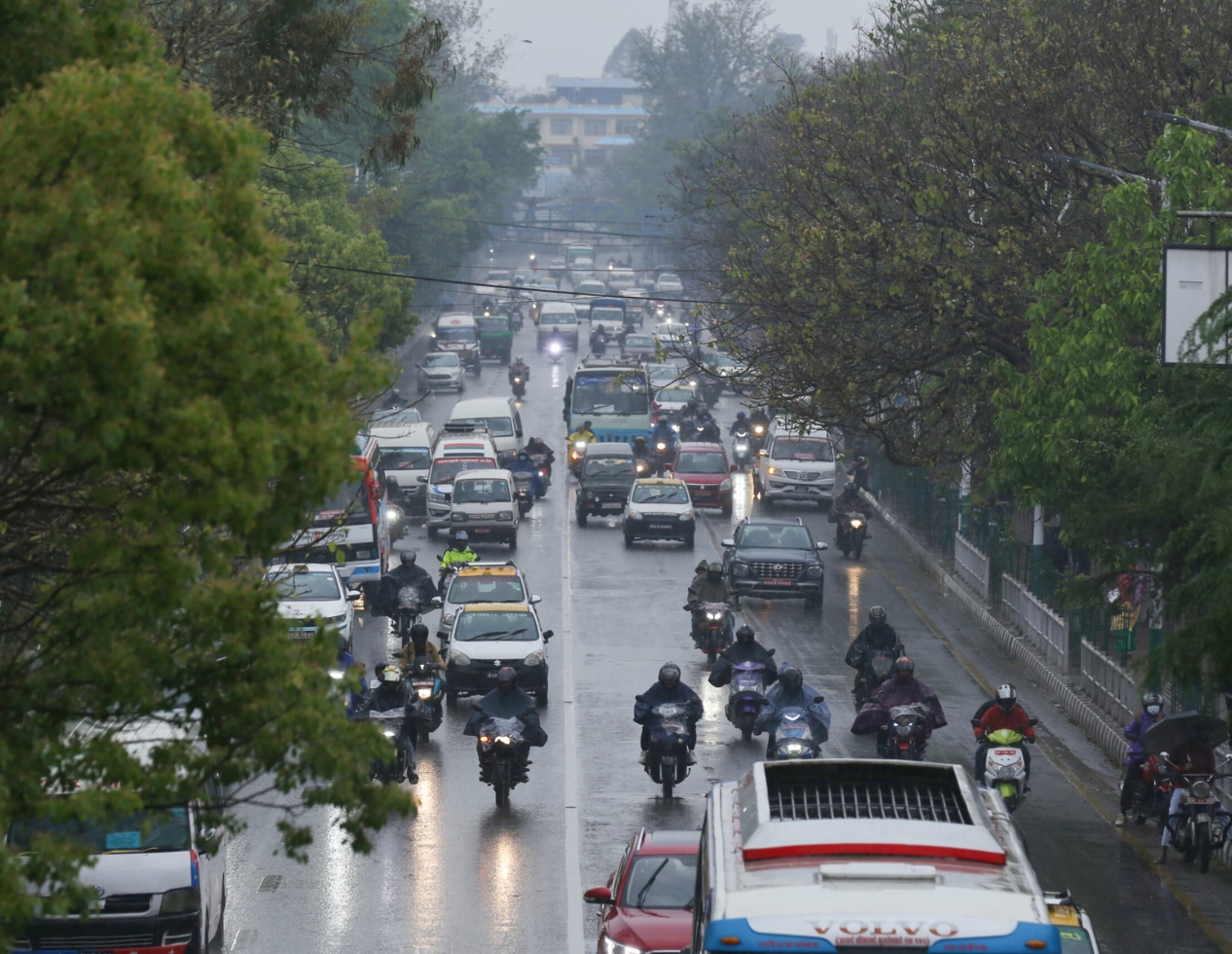
Photo: Nepal Photo Library
Furthermore, because of the influence of the “El Niño” climate cycle this year, it has already been projected that there will be less rainfall during the monsoon. Less rain leads to increased temperatures, droughts, and a decrease in the flow of rivers and streams. Since the hydroelectric projects operating in Nepal are run-of-the-river based, the electricity generation capacity could decline this year once the water levels in the rivers drop. The El Niño phase developed on the surface of the Pacific Ocean will affect us throughout the monsoon period until September/October.
According to the official announcement of the Department of Hydrology and Meteorology, the monsoon had already arrived in Nepal by this time last year, although it paused in between. Last year, the monsoon had entered eastern Nepal 10 days ahead of the average schedule. A drought situation was also observed after it had started.
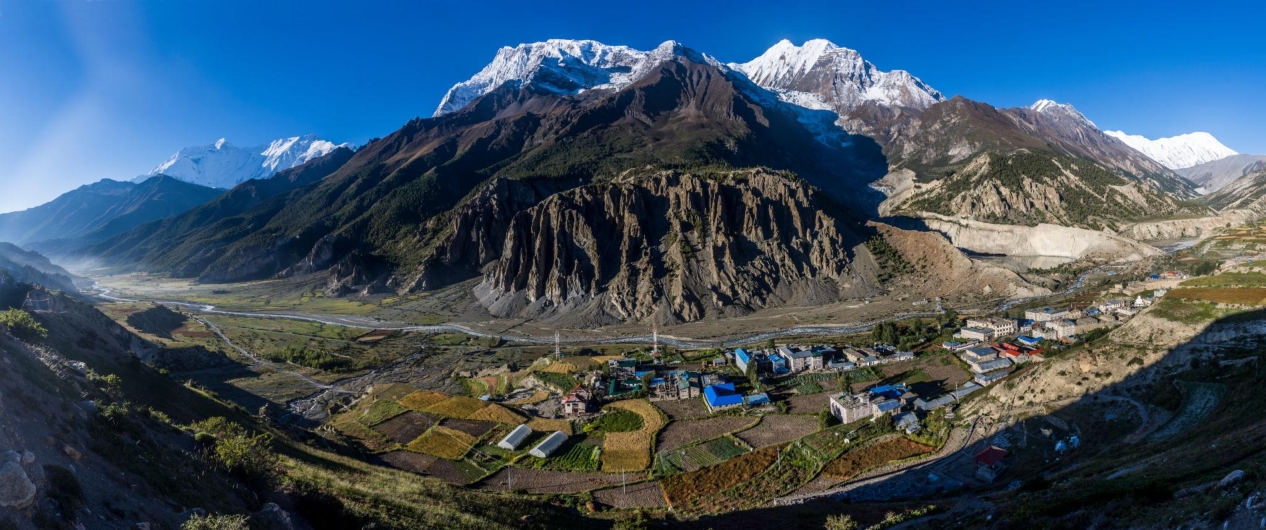
Due to extreme weather systems, including temperature rise and changes in wind patterns, the impacts on Nepal are multiplying. We are already at high risk from extreme weather systems. There are mountain ranges in the north, and as soon as the temperature rises, the impact is directly visible in the mountains. The rate of snow melting has increased due to the temperature rise. Just last week, for a student project work, we reached Kapuche Lake, located in Madi Rural Municipality-1 of Kaski at an altitude of 2,421 meters. Local residents shared that the melting of snow has increased drastically.
Since the monsoon will be weak this year, it appears it will trouble our agricultural system, which relies on rainwater. This will impact food production. As it is also projected that the heat will increase excessively, it goes without saying that daily life will suffer.
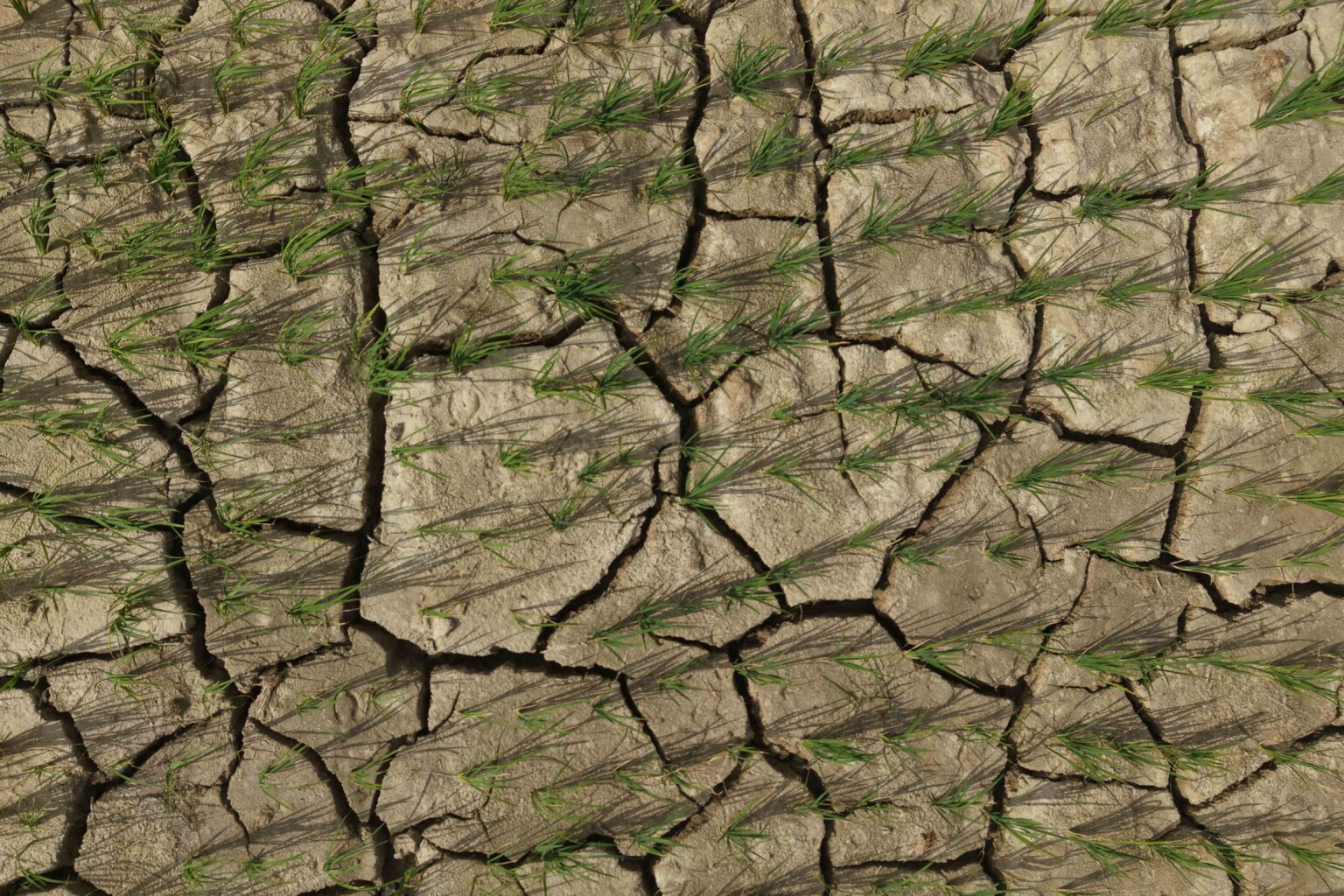
The condition of paddy crops in Matihani village, Mahottari, due to a prolonged lack of rain. Photo: Nepal Photo Library
Being aware of the weather condition involving low rainfall, it is best for farmers to plant crop varieties that can tolerate drought. We cannot afford to ignore it just because the monsoon is entering late and expanding slowly. Extreme weather systems can bring about any kind of disaster. Excessive heat can accelerate snowmelt or trigger glacial lake outbursts, leading to floods and landslides. Sudden torrential downpours can also cause disasters like floods, landslides, and inundation.
Monsoon refers to a weather system where rain falls consistently and continuously so that the land gets irrigated. However, in recent decades, due to climate change and the development of the El Niño climate cycle, the character of rainfall has changed. The volume of rain that used to fall over three days has, in recent years, started pouring down in just one hour as a torrential downpour, which has proven devastating in terms of loss of life and property.
Even though the monsoon will start late and be of a weak nature this year, it would be wise to adopt preparedness measures to face the disasters brought by the monsoon and El Niño.
(Based on a conversation with meteorologist Sigdel, an Associate Professor at the Central Department of Hydrology and Meteorology, Tribhuvan University, conducted by Bidhya Rai.)